Table of Contents >> Show >> Hide
- Why the Coco Pendant Still Feels Fresh
- How the Coco Pendant Works in Real Rooms
- Styling Tips for a Coco Pendant Look
- Why Merchant No. 4 Was the Right Kind of Retail Context
- Is the Coco Pendant a Trend Piece or a Lasting One?
- Experiences Related to the Coco Pendant: What Living with This Kind of Light Actually Feels Like
- Final Thoughts
Some light fixtures merely illuminate a room. Others walk in like they own the place, straighten their collar, and casually improve the entire mood. The Coco Pendant at Merchant No. 4 belongs firmly in the second category. It is the kind of pendant that manages to feel warm and modern, sculptural and practical, polished and relaxedall without looking like it is trying too hard. In design terms, that is impressive. In real-life terms, that means you can install it over a kitchen island, dining table, or breakfast nook and immediately feel like the room has better manners.
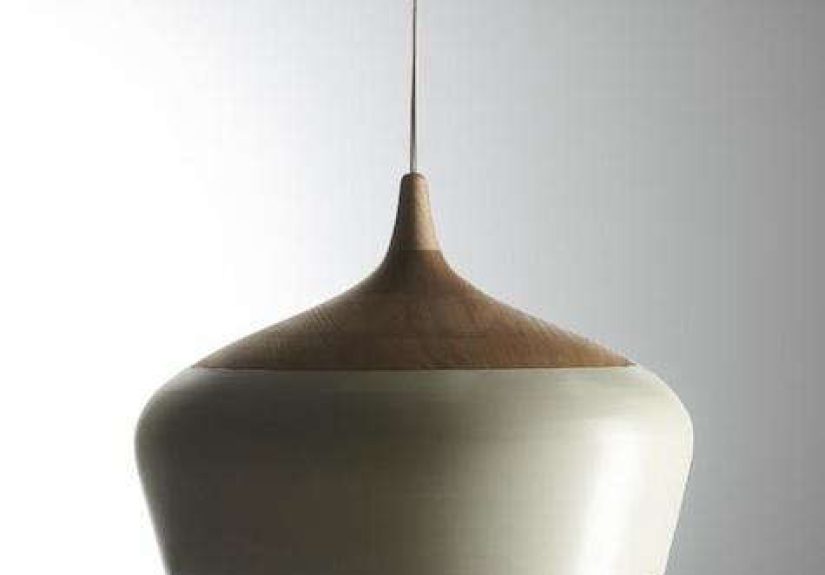
The appeal of the Coco Pendant starts with contrast. Its combination of turned wood and powder-coated metal gives it that rare sweet spot between softness and structure. It is not fussy. It is not cold. And it definitely is not one of those lights that makes guests squint while pretending they love your “bold lighting choice.” Instead, it offers a more thoughtful kind of statement: one rooted in material, proportion, and atmosphere.
Originally spotlighted in U.S. design coverage through Merchant No. 4, the Coco Pendant became memorable because it blended handcrafted warmth with clean industrial lines. That balance still matters today. Homeowners want fixtures that work hard, look smart, and do not age into regret three months later. The Coco Pendant checks those boxes with the kind of quiet confidence that good design tends to have.
Why the Coco Pendant Still Feels Fresh
Great lighting does not survive on novelty alone. It survives because it solves visual problems while adding beauty. The Coco Pendant does both. Its wood element softens the sharper character of metal, while the spun aluminum shade adds direction and discipline to the overall form. The result is a pendant that feels equally comfortable in a rustic-modern kitchen, a minimal dining room, or a transitional space that mixes old and new without turning into decorating chaos.
That is part of what made the fixture stand out when Merchant No. 4 introduced it to U.S. design shoppers. The pendant was tied to the work of Australian designer Kate Stokes, and its popularity reflected a broader appetite for lighting that felt crafted rather than generic. It also helped that the design avoided extremes. It was never too industrial, too farmhouse, too Scandinavian, or too trendy-to-function. It simply knew what it was. Frankly, that is more than can be said for half the chairs on the internet.
Material Contrast Is Doing the Heavy Lifting
The magic of the Coco Pendant lies in its material mix. Victorian ash brings an organic, tactile quality that immediately warms the eye. Powder-coated aluminum introduces durability, crispness, and an architectural edge. Together, they create the kind of balance designers chase constantly: natural but not rustic, modern but not sterile, elegant but not precious.
This wood-and-metal combination also makes the pendant easier to style than many statement fixtures. Wood connects it to floors, stools, cabinetry, and dining furniture. Metal connects it to appliances, cabinet hardware, and other architectural finishes. In other words, the Coco Pendant does not demand that the whole room revolve around it. It joins the conversation and then somehow becomes the smartest person in it.
How the Coco Pendant Works in Real Rooms
Pendant lights are especially useful because they are both decorative and functional. In kitchens and dining rooms, they can provide task lighting, ambient lighting, and a strong visual anchor. But placement matters. A beautiful fixture hung too low feels like an obstacle course. Hung too high, it starts looking emotionally unavailable. The Coco Pendant is most successful when it is treated as part sculpture, part workhorse.
Over a Kitchen Island
This is where the Coco Pendant really shines. Kitchen islands are often the social and functional center of the home. They are where vegetables get chopped, school projects spread out, coffee gets poured, and guests mysteriously gather no matter how many other seats are available. A pendant above the island therefore has two jobs: make the space look good and make it usable.
For most kitchens, pendants should hang roughly 30 to 36 inches above the countertop, depending on ceiling height and fixture size. A smaller island often looks best with a pair of pendants, while a larger island can handle three or more if spacing and scale stay proportional. The Coco Pendant is especially effective here because its form feels substantial without becoming visually dense. That matters: heavy-looking fixtures can create the dreaded “wall of lighting” effect, where the room suddenly feels chopped in half by oversized shades.
If your kitchen already includes recessed lighting, even better. The pendant can then act as a focal layer while the broader room still benefits from even overhead illumination. That layered approach is what makes kitchens feel comfortable instead of clinical. Nobody wants their pasta night lit like an interrogation room.
Above a Dining Table
The Coco Pendant also works beautifully above a dining table, especially in rooms that need warmth without clutter. A single pendant can add intimacy to a round table or compact breakfast area. Over a long rectangular table, multiple pendants often distribute light more evenly and create better balance across the length of the surface.
As a general rule, a pendant over a dining table usually sits about 30 to 36 inches above the tabletop. The goal is simple: enough light for faces, plates, and atmosphere, without blocking sightlines or creating glare. The Coco Pendant’s softly warm material palette makes it especially effective in dining settings because it contributes to mood before anyone even sits down. It suggests ease, conversation, and maybe a meal that involved more effort than microwaving something in a bowl. Maybe.
In an Entryway or Living Space
Though it is often associated with kitchens and dining rooms, the Coco Pendant can also perform well in entryways, hall transitions, or corners that need a strong but friendly overhead element. In these spaces, the pendant reads less like task lighting and more like design punctuation. It says, “Yes, this home has opinions.” The wood tone keeps that opinion approachable.
In open-plan homes, this kind of pendant can also act as a visual bridge. Because it combines natural material with refined metal, it can connect a kitchen to a dining area or living room more gracefully than ultra-glossy, ultra-modern fixtures sometimes do. It creates continuity without turning the whole home into one giant matching set.
Styling Tips for a Coco Pendant Look
If you are designing around a pendant like this, the smartest approach is to let the material story continue elsewhere in the room. That does not mean matching everything exactly. Matching everything exactly is how rooms start looking like furniture catalogs that forgot to blink. Instead, echo the mood.
Pair It with Natural Materials
Oak stools, walnut accents, linen curtains, leather seating, handmade ceramics, and stone countertops all complement the Coco Pendant’s earthy-meets-refined attitude. These textures reinforce the warmth of the wood while preventing the metal from feeling too cool or severe.
Choose Warm, Consistent Bulb Temperatures
The fixture’s materials practically beg for warm light. In most homes, bulbs in the 2700K to 3000K range help create a welcoming tone that flatters wood, softens metal, and avoids that blue-white office vibe nobody requested in their breakfast nook. Consistency matters too. Mixing bulb temperatures in one room can make even good design feel slightly off, like wearing one dress shoe and one sneaker.
Use Dimmers Whenever Possible
A pendant with visual character deserves flexible control. Dimmers allow a fixture to shift from bright task lighting during meal prep to a more relaxed evening glow during dinner or entertaining. This is especially useful in multipurpose spaces where the island is doing triple duty as a kitchen workstation, homework station, and unofficial family town hall.
Mind the Sightlines
One of the best lessons from current kitchen-lighting guidance is that fixtures should not block the room unnecessarily. A pendant can be bold without being bulky. The Coco Pendant succeeds because it has presence, but it does not feel like a giant helmet dropped from the ceiling. That quality makes it particularly useful in kitchens where openness matters.
Why Merchant No. 4 Was the Right Kind of Retail Context
Part of the Coco Pendant’s appeal comes from where it appeared in the U.S. market. Merchant No. 4 was known for presenting design objects with a curated, independent sensibility rather than a mass-market one. That matters. Context shapes perception. A well-designed pendant in a thoughtful retail setting reads differently than the same object tossed into an endless sea of lookalikes.
The Coco Pendant fit the Merchant No. 4 aesthetic because it represented a slower, more considered view of design. It was not screaming for attention. It was not chasing disposable trend cycles. It carried the kind of craftsmanship-driven identity that resonates with buyers looking for fewer, better things. That positioning also aligns with later coverage noting that the design was successful enough to attract interest for mass production, which was not ultimately the road taken. In a market crowded with shortcuts, that kind of restraint can be part of the appeal.
Is the Coco Pendant a Trend Piece or a Lasting One?
The short answer: lasting. The longer answer: lasting, because its charm comes from principles that age well. Good proportion ages well. Honest materials age well. Warmth ages well. A fixture does not need to reinvent lighting itself to remain relevant; it simply needs to keep looking right in rooms where people actually live.
Wood-and-metal pendants continue to resonate because they sit at the intersection of several enduring design preferences: natural materials, sculptural simplicity, industrial hints, and functional beauty. The Coco Pendant embodies all of that without overcommitting to any single style tribe. It can live with contemporary cabinets, vintage dining chairs, plaster walls, polished concrete, beadboard, marble, or matte paint. That versatility is not accidental. It is a hallmark of strong product design.
It also helps that current interiors continue to favor layered lighting rather than one lonely overhead fixture attempting to do the job of six. In that framework, a pendant like the Coco does exactly what it should: it adds focused light, visual rhythm, and a tactile design note that makes a room feel more complete.
Experiences Related to the Coco Pendant: What Living with This Kind of Light Actually Feels Like
Reading about a pendant is one thing. Living under one is another. The real experience of a fixture like the Coco Pendant is less about a spec sheet and more about the atmosphere it creates day after day. In practical terms, homeowners often notice the shift immediately. A room that previously felt flat or unfinished suddenly has a center of gravity. The eye lands somewhere intentional. The island feels like a destination instead of just a countertop with commitment issues.
Morning is usually when the pendant’s personality feels most subtle. Sunlight may already be filling the room, but the fixture still contributes shape and warmth. Even turned off, it reads as part furniture, part architecture. That matters more than people expect. A good pendant should improve a room at noon just as much as it does at night. The Coco-style mix of timber and metal tends to do exactly that, adding texture even when the bulb is not performing its headline act.
By late afternoon and early evening, the experience becomes more emotional. This is when warm bulbs and a dimmer can make the pendant feel almost architectural in its glow. Instead of blasting light everywhere, a well-placed shade directs illumination where it is actually usefulonto the island, table, or work surfacewhile still letting the room feel soft around the edges. That combination can make everyday routines feel more considered. Chopping onions still involves chopping onions, unfortunately, but at least the lighting is on your side.
There is also a social dimension to living with a pendant like this. Guests tend to gather under it without being told to. The island becomes the obvious landing spot for drinks, conversation, and those heroic people who offer to help but mostly lean comfortably and compliment the backsplash. Good lighting does that. It quietly organizes behavior. It invites lingering. It makes the room feel hospitable without requiring a giant neon sign that says, “Please enjoy my open-concept lifestyle.”
Another common experience is that the fixture starts influencing the rest of the room. Once a pendant this thoughtful goes in, other rushed decisions suddenly look, well, rushed. People often find themselves upgrading stools, reconsidering paint, or swapping out harsh bulbs nearby because the new light raises the standard. That is not a flaw. It is what happens when one smart design decision starts a chain reaction of better ones.
And then there is the long-term experience, which is where strong lighting really earns its keep. Trend-heavy fixtures can feel exciting for six months and exhausting for six years. A pendant like the Coco tends to do the opposite. It settles in. It becomes familiar in a good way. It still catches your eye, but it no longer needs applause. It simply keeps doing its jobmaking the room feel warmer, more grounded, and more complete.
That is probably the most convincing experience of all. Not the dramatic reveal photo. Not the initial installation thrill. But the quiet realization, months later, that the room still feels right. The light still flatters the wood grain on the stools. Dinner still feels a bit more intimate. Coffee still tastes suspiciously more stylish beneath it. And the pendant still looks like it belongs there, as though it was always part of the plan. That is what people are really buying when they choose a fixture like this: not just light, but staying power.
Final Thoughts
The Coco Pendant at Merchant No. 4 remains a compelling example of how good lighting can bridge utility and beauty. Its combination of Victorian ash and powder-coated aluminum gives it warmth, structure, and versatility. Its form suits kitchens, dining rooms, and open-plan spaces that need both task lighting and visual identity. And its lasting appeal comes from something more durable than trendiness: it understands proportion, material honesty, and atmosphere.
If you are drawn to lighting that feels sculptural but livable, refined but not fussy, this pendant deserves the attention it still gets. The Coco Pendant does not merely light a room. It edits it. It clarifies it. It gives the space a little more soul and a lot more intention. Which, for a thing hanging from the ceiling, is a pretty excellent performance.