Table of Contents >> Show >> Hide
- Why Kitten Formula Matters So Much
- Commercial Kitten Formula: The Best Option
- Homemade Kitten Formula: Emergency-Only Options
- How to Feed Kitten Formula Safely
- When to Start Weaning
- Common Mistakes People Make With Kitten Formula
- Real-Life Bottle-Baby Experience: What Caregivers Learn Fast
- Final Takeaway
- SEO Tags
Note: This article is for educational purposes and is designed for web publishing. Homemade kitten formula should be treated as a short-term emergency backup, not a long-term replacement for a proper commercial kitten milk replacer or a nursing mother cat.
If you have ever found yourself staring at a tiny kitten at 2 a.m. and realizing that your pantry contains cereal, hot sauce, and exactly zero kitten milk replacer, welcome to one of pet care’s most stressful plot twists. Feeding a newborn or orphaned kitten is not the same as pouring a little milk into a saucer and hoping for the best. In fact, that old cartoon image has probably caused more confusion than comfort.
The truth is simple: very young kittens need a formula that is much closer to their mother’s milk than regular dairy products can provide. Commercial kitten formula is the gold standard because it is designed to meet a kitten’s nutritional needs. Homemade kitten formula does exist, but it is usually recommended only as an emergency bridge until you can get a proper product from a veterinarian, shelter, pet supply store, or rescue group.
In this guide, we will break down the safest commercial options, the most widely used homemade emergency recipes, how to mix and warm formula correctly, and the feeding mistakes that can turn a cute rescue moment into a veterinary emergency. The goal is not just to keep a kitten fed. It is to keep that kitten safe, hydrated, growing, and headed toward a healthy weaning stage.
Why Kitten Formula Matters So Much
Newborn kittens are tiny, fragile, and surprisingly demanding for creatures that weigh less than a sandwich. Their bodies burn through energy quickly, they dehydrate fast, and they cannot regulate temperature well in the first weeks of life. That means food quality, feeding schedule, and formula temperature all matter.
Kitten formula is made to support early growth in a way that cow’s milk, goat’s milk, or “cat milk” products for adult cats simply do not. Cow’s milk is one of the biggest mistakes well-meaning people make. It can upset a kitten’s stomach, trigger diarrhea, and make dehydration worse. Goat’s milk often gets praised online like some kind of magical farm-fresh cure-all, but neonatal kitten guides commonly warn against relying on it for the same reason: it is not a complete, appropriate milk replacer for a tiny orphan.
That is why experienced foster programs, shelters, and veterinary sources repeat the same message: if the mother cat is unavailable, use a true kitten milk replacer. If you absolutely cannot get one right away, use a homemade emergency recipe only long enough to bridge the gap.
Commercial Kitten Formula: The Best Option
If you are wondering how to make kitten formula safely, the most responsible answer is this: in most cases, you do not “make” the best version from scratch. You buy a commercial kitten milk replacer and mix it exactly as directed.
Commercial kitten formulas are made to be nutritionally appropriate for orphaned kittens. Common products in the U.S. include powdered and liquid kitten milk replacers sold through veterinarians, pet stores, rescues, and shelters. Brands often mentioned by rescue groups include KMR and other kitten-specific replacers. The exact label matters less than the category: it should clearly say it is a kitten milk replacer, not a milk treat for adult cats.
Powder vs. Liquid Kitten Formula
Both powdered and liquid commercial formulas can work well, but each has practical advantages.
- Powdered formula usually has a longer shelf life and lets you mix only what you need.
- Liquid formula is convenient and can be especially helpful for very young kittens because it removes the risk of clumps from poor mixing.
If you use powder, mix it thoroughly. Lumps may sound harmless, but they can clog nipples, disrupt consistent feeding, and make the experience frustrating for a kitten that is already working hard for every swallow.
How to Prepare Commercial Formula
- Wash your hands and use a clean bottle, syringe, nipple, bowl, and measuring tools.
- Read the manufacturer’s instructions instead of guessing. This is not the time for “close enough.”
- Mix only enough formula for about 24 hours unless the label says otherwise.
- Refrigerate the prepared formula promptly.
- Warm each feeding to about body temperature before use. It should feel warm, not hot.
- Never microwave the bottle directly if you can avoid it, because hot spots can form. A warm water bath is a safer bet.
Commercial formula may not sound glamorous, but it is the difference between giving a kitten a proper breakfast and serving a tiny digestive disaster in a bottle.
Homemade Kitten Formula: Emergency-Only Options
Let’s get to the question people actually type in a panic: Can I make kitten formula at home? Yes, but only as a temporary emergency solution when commercial kitten milk replacer is unavailable. Homemade formulas are not considered ideal for long-term feeding because they do not reliably match the full nutritional profile of a nursing queen’s milk.
That said, reputable rescue and veterinary resources do provide emergency recipes because real life is messy. Stores close. Storms happen. Rural areas exist. Kittens do not care about retail hours.
Emergency Homemade Formula Option 1
One widely circulated rescue formula uses:
- 6 tablespoons condensed milk
- 6 tablespoons water
- 1/2 cup plain full-fat yogurt
- 3 large or 4 small egg yolks
Blend until smooth, warm gently to body temperature, refrigerate between uses, and discard leftovers after 24 hours. This recipe is often cited by orphan-kitten care materials as a short-term emergency option.
Emergency Homemade Formula Option 2
Another commonly shared emergency recipe uses:
- 1 can evaporated milk or about 8 ounces
- 1 egg yolk
- 2 tablespoons light corn syrup
Mix well, strain if needed for smoothness, warm before feeding, and keep refrigerated. Again, this is a stopgap recipe, not a superior alternative to commercial formula.
Emergency Homemade Formula Option 3
Some veterinary and rescue guides also mention a temporary formula using milk, egg yolks, oil, and a pinch of salt. These recipes vary slightly depending on the source. If you use one, stick closely to a reputable veterinary or rescue version rather than improvising with random online advice from the digital equivalent of “my cousin’s neighbor did this once.”
What Not to Use in Homemade Formula
- Do not use plain cow’s milk as the formula.
- Do not rely on goat’s milk as a full substitute for neonatal kittens.
- Do not use adult cat milk products.
- Do not add flavored sweeteners, protein powders, or supplements unless specifically directed by a veterinarian.
- Do not keep homemade formula longer than 24 hours after mixing.
The safest homemade kitten formula is the one you use briefly while you are actively trying to replace it with a true kitten milk replacer.
How to Feed Kitten Formula Safely
Formula choice matters, but feeding technique matters just as much. A kitten can aspirate formula into the lungs if fed incorrectly, and that can become life-threatening.
Warm the Kitten Before You Feed
Never feed a chilled kitten. If the kitten feels cold, warm the body first using a heating pad on low under bedding, a wrapped warm water bottle, or another gentle heat source. Very young kittens need warmth before they can digest properly. Feeding a cold kitten is one of the classic rescue mistakes people make when they are rushing to help.
Use the Right Position
A kitten should be belly-down, feet under the body, in a natural nursing posture. Do not feed a kitten on its back like a human baby. That adorable angle belongs in movies, not rescue care.
Check the Temperature
Formula should be warm, roughly body temperature, usually around 95 to 100 degrees Fahrenheit. Test it on your wrist before feeding. If it feels hot to you, it is too hot for a kitten.
Go Slow
Let the kitten suckle. Do not squeeze a bottle forcefully into the mouth. If using a syringe, go slowly and carefully. Rapid feeding can cause aspiration, bloating, regurgitation, or diarrhea.
Feed on a Schedule
Schedules vary by age, size, and the kitten’s condition, but here is a practical overview:
- 1 week old or younger: formula every 2 to 3 hours
- 2 weeks old: usually every 3 hours
- 3 to 4 weeks old: roughly every 4 hours while beginning transition
- 4 weeks and older: formula decreases as gruel and kitten food increase
Amounts vary, so follow your product label, veterinarian, or rescue chart. Overfeeding is not a kindness. It is a fast track to stomach upset.
When to Start Weaning
Kittens usually begin the transition from formula to solid food around 3.5 to 4.5 weeks of age. That does not mean you throw down a bowl of dry kibble and expect miracles. Weaning is more of a messy little food festival.
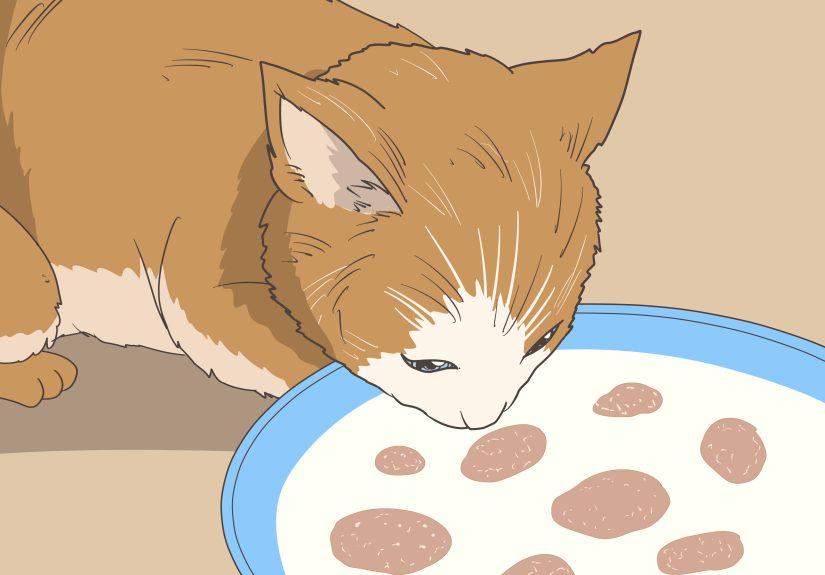
Start by mixing kitten milk replacer with canned kitten food to create a thin gruel. Offer it in a shallow dish. Some kittens figure it out quickly; others step in it, sneeze in it, wear it like skincare, and eventually realize it is edible. As they lap more food on their own, bottle feedings can gradually decrease.
Fresh water should also become available as the kitten gets older and more mobile. By around 8 weeks, many kittens are fully weaned and eating kitten food consistently.
Common Mistakes People Make With Kitten Formula
- Using cow’s milk: easy mistake, bad result.
- Feeding a cold kitten: dangerous because digestion and overall stability suffer.
- Microwaving carelessly: creates hot spots.
- Making too much formula: mixed formula spoils quickly.
- Improvising ingredients: “close enough” can become “not safe.”
- Feeding too fast or too much: can lead to aspiration, bloating, diarrhea, or regurgitation.
- Using adult cat milk products: not the same thing as kitten milk replacer.
If a kitten is lethargic, weak, not latching, losing weight, vomiting repeatedly, or developing diarrhea, do not keep troubleshooting alone forever. Contact a veterinarian, rescue group, or experienced foster network quickly.
Real-Life Bottle-Baby Experience: What Caregivers Learn Fast
Anyone who has cared for orphaned kittens will tell you the same thing: the formula is only part of the story. The real challenge is consistency. Feeding a neonatal kitten is less like casually caring for a pet and more like managing a tiny emergency room patient who also happens to be fluffy.
The first lesson most people learn is that kittens do not care whether you are tired. They also do not care that it is 3:17 a.m., that you just fell asleep, or that you were hoping for one peaceful weekend. If a kitten needs to eat every few hours, that schedule becomes law. Experienced fosters often say the hardest part is not mixing the formula; it is staying organized enough to keep feedings, warming, weighing, and bathroom stimulation on track without mixing up the timeline.
The second lesson is that warm kittens eat better than cold kittens, and calm kittens eat better than panicked humans. Many first-time caregivers discover that when they slow down, warm the bottle properly, hold the kitten in a natural belly-down position, and stop trying to rush the feeding, everything goes more smoothly. A kitten that refuses a bottle is not always being “picky.” Sometimes the nipple flow is wrong, the formula is too cool, the kitten is chilled, or the previous feeding was too large.
Another common experience is realizing that commercial formula makes life easier. People often begin with a homemade emergency recipe because that is what they can manage immediately, but they usually switch to commercial kitten milk replacer as soon as possible. Why? Because it creates more consistency. The texture is predictable, the preparation is clearer, and there is less stress about whether the kitten is getting what it needs. Homemade formulas can be lifesavers in a pinch, but most rescuers do not romanticize them. They use them the way you use a spare tire: gratefully, briefly, and while heading toward a better solution.
Fosters also learn that weighing kittens is not optional. A kitten can seem energetic one moment and quietly slide into trouble the next. Daily weight checks provide an early warning sign before a problem becomes obvious. In rescue settings, caregivers often celebrate gains measured in grams like they are Olympic medals, because steady growth means the feeding plan is working.
Then there is the mess. Formula ends up on whiskers, towels, hands, bottles, counters, and occasionally on the caregiver’s shirt in a splash pattern that says, “I tried my best.” Kittens may latch beautifully one feeding and act personally offended by the bottle the next. One may be a champion eater while a littermate requires patience, a different nipple, slower pacing, and a second attempt. Experience teaches flexibility.
And yet, despite the lost sleep, the endless laundry, and the tiny but dramatic meows, people keep doing it because the payoff is huge. A kitten that starts weak and uncertain can transform within days of proper warmth, hydration, and feeding. Eyes brighten. Bellies round out. Fur looks better. That fragile little creature starts acting less like a medical mystery and more like a future tornado in a living room.
In other words, kitten formula is not just food. It is part of a whole system of rescue care. The best outcomes happen when caregivers combine the right formula, the right feeding technique, careful hygiene, good records, and fast veterinary help when something feels off. That combination saves lives. The bottle may be small, but the job is big.
Final Takeaway
If you need to make kitten formula, commercial kitten milk replacer should be your first choice every time. It is the safest, most balanced option for orphaned kittens and the easiest to use correctly over more than a day or two. Homemade kitten formula has a place, but that place is an emergency stopgap when proper supplies are temporarily out of reach.
Keep the kitten warm, mix carefully, feed in a natural belly-down position, avoid cow’s milk and random internet shortcuts, and switch to a commercial replacer as soon as possible. Once the kitten reaches the weaning stage, introduce gruel and then kitten food gradually. Done right, those small, boring, repetitive feedings become the foundation of survival.
And yes, someday that bottle baby may grow into a healthy, opinionated cat who screams for dinner as if you have never fed them in their entire life. That, strangely enough, is the dream.