Table of Contents >> Show >> Hide
- What Is an Indoor Blimp Using Ultrasonic Transducers?
- How Ultrasonic Transducers Move a Blimp Through the Air
- Why Blade-Free Indoor Drones Matter
- DOCOMO’s Blade-Free Blimp Drone: A Real-World Example
- Indoor Blimp vs. Traditional Quadcopter
- Engineering Challenges Behind Ultrasonic Blimp Flight
- Best Use Cases for Ultrasonic Indoor Blimps
- What Ultrasonic Blimps Teach Us About the Future of Drones
- Practical Considerations Before Using an Indoor Blimp
- Experience-Based Insights: What It Feels Like to Work With an Indoor Blimp
- Conclusion: A Quiet, Floating Glimpse of Drone Design’s Future
Note: This article is written as original, publication-ready web content based on real technical information about DOCOMO’s blade-free indoor blimp drone, ultrasonic propulsion, lighter-than-air robotics, and indoor drone safety.
An indoor blimp sailing quietly through the air sounds like something a gadget-loving magician would pull from a velvet hat. But this idea is very real: a helium-filled, blade-free drone can move forward, backward, upward, and downward using ultrasonic transducers instead of spinning propellers. No angry mosquito buzz. No exposed blades. No tiny flying weed whacker threatening your houseplants, your conference guests, or your forehead.
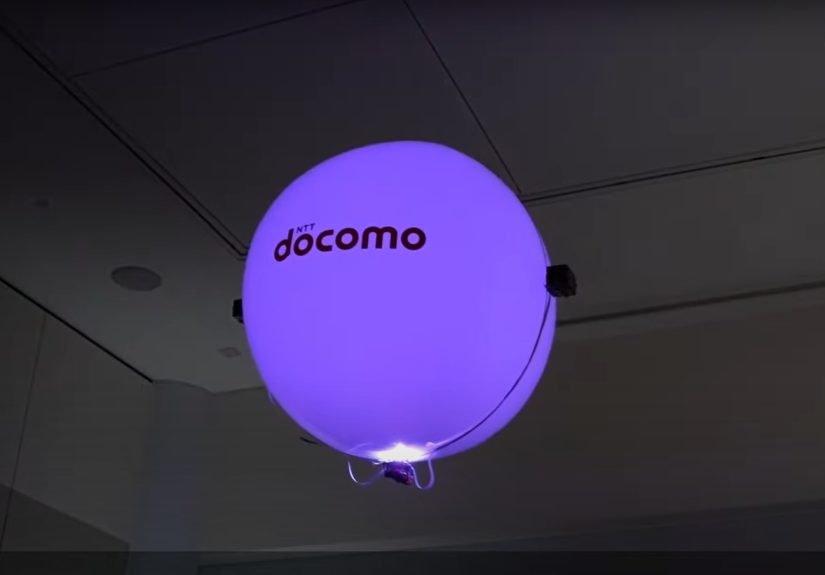
The concept became widely discussed after NTT DOCOMO showcased a blimp-type drone that uses helium for lift and ultrasonic vibration modules for propulsion. Designed for indoor spaces such as event venues, commercial facilities, concert halls, and public attractions, the craft represents a fascinating direction in drone design: safer, quieter, slower, and more people-friendly than traditional quadcopters.
At first glance, the indoor blimp looks simple. It floats because helium is lighter than air. It moves because small ultrasonic modules create tiny air movements. It can carry a camera and colorful LED lights. But behind that floating “party balloon with a brain” is a clever combination of acoustic engineering, robotics, lightweight materials, and practical safety design.
What Is an Indoor Blimp Using Ultrasonic Transducers?
An indoor blimp using ultrasonic transducers is a lighter-than-air drone that stays airborne with helium and navigates using sound-based vibration modules rather than conventional propellers. In simple terms, it floats like a balloon but steers like a drone. The result is a flying platform that can glide through indoor spaces gently enough to feel more like a moving decoration than a machine.
Traditional drones rely on fast-spinning rotors to generate lift and thrust. That design is extremely effective, which is why quadcopters are everywhere from film sets to construction sites. However, rotors create noise, consume significant power, and can be dangerous around people. An indoor blimp flips the formula. Helium does most of the hard work by counteracting gravity, while ultrasonic transducers provide directional control.
The Core Parts of the System
A typical ultrasonic indoor blimp design includes a helium envelope, a lightweight frame, ultrasonic propulsion modules, a battery, a control circuit, sensors or communication hardware, and sometimes a camera or LED lighting system. Each piece has to be carefully balanced, because lighter-than-air vehicles are incredibly weight-sensitive. Add too much hardware and your graceful indoor blimp becomes a very expensive floor ornament.
The helium balloon provides buoyancy. The control electronics process movement commands. The ultrasonic transducers vibrate at high frequencies to move air. The payload, such as a camera, allows the blimp to capture video or serve as an interactive attraction. In some designs, colorful LEDs turn the floating body into a glowing visual display, perfect for events where “regular drone footage” is not quite dramatic enough.
How Ultrasonic Transducers Move a Blimp Through the Air
Ultrasonic transducers are devices that convert electrical energy into high-frequency mechanical vibration. In many applications, they are used for distance sensing, cleaning, medical imaging, or object detection. In a blade-free blimp, however, the goal is different: the transducers help create small directional airflows that push the craft.
The word “ultrasonic” means the vibration frequency is above the normal range of human hearing. Humans generally hear sound up to about 20 kHz, while ultrasonic systems operate above that range. In propulsion modules, these tiny vibrations can be arranged to disturb and move air in a controlled way. The thrust is not enormous. This is not a rocket launch. It is more like a whisper of force, but when the aircraft is already floating, a whisper can be enough.
Why a Small Amount of Thrust Works
A quadcopter must constantly fight gravity. If its motors stop, gravity files a complaint immediately. A helium blimp is different. Because buoyancy carries much of the weight, the propulsion system does not need to lift the entire vehicle from the ground. It mainly has to guide, stabilize, and reposition the craft. That makes ultrasonic propulsion practical for slow indoor movement.
This is why the combination of helium and ultrasonic transducers is so interesting. Ultrasonic modules alone would struggle to lift a heavy machine. But paired with a buoyant envelope, they can provide gentle movement without exposed spinning blades. It is a smart example of engineering teamwork: helium handles the heavy lifting, while ultrasound handles the steering.
Why Blade-Free Indoor Drones Matter
Indoor drone flight is harder than it looks. A quadcopter may be easy to launch in an open field, but indoors it must deal with walls, ceilings, furniture, people, lighting rigs, signs, air-conditioning drafts, and that one person who always walks backward while filming on a phone. Propellers add another challenge because they can injure people or damage objects if the drone bumps into something.
Blade-free indoor blimps reduce that risk. Because they are soft, slow, buoyant, and propelled without exposed rotors, they can operate in places where a conventional drone may feel too aggressive. A blimp that lightly bumps into a wall is usually more comedy than catastrophe. That makes the technology attractive for crowded or delicate environments.
Potential Safety Advantages
The biggest advantage is the removal of exposed propellers. Even small propellers can spin at high speeds, creating risks of cuts, eye injuries, and damage to decorations or equipment. A helium blimp with ultrasonic propulsion has no traditional rotor blades, so contact is far less alarming. It is still a machine and should be operated responsibly, but the design is friendlier by nature.
Another advantage is noise reduction. Conventional drones often produce a high-pitched buzzing sound that can dominate indoor audio. That is not ideal for speeches, concerts, trade shows, weddings, or product launches. Ultrasonic vibration modules are designed to be quieter, making them better suited for environments where sound quality matters.
DOCOMO’s Blade-Free Blimp Drone: A Real-World Example
NTT DOCOMO’s blade-free blimp-type drone is one of the best-known examples of this technology. The company described a drone that uses helium to remain airborne and ultrasonic vibration modules to move forward, backward, upward, and downward. The drone was also equipped with a high-resolution video camera and full-color LED lights, suggesting uses in aerial videography, entertainment, advertising, and public events.
What makes this project especially notable is that it is not just a toy concept. It points toward a different category of indoor drone: one designed less for speed and acrobatics and more for safe interaction with people. Instead of trying to make a flying robot that darts through the air like a caffeinated dragonfly, the design embraces slow, stable, elegant motion.
Designed for Events and Public Spaces
Indoor venues are a natural fit for ultrasonic blimp drones. Imagine a trade show where a glowing blimp floats overhead carrying a brand message. Picture a concert hall where a camera-equipped blimp captures sweeping crowd shots without drowning the music in rotor noise. Think of a museum, mall, or exhibition where a floating display moves gently above visitors, attracting attention without causing panic.
The technology also makes sense for situations where visual presence matters. A blimp has personality. It does not sneak into a room; it arrives like a friendly cloud with a schedule. Add programmable LEDs, projection mapping, or lightweight signage, and it becomes both a drone and a floating media surface.
Indoor Blimp vs. Traditional Quadcopter
Comparing an ultrasonic indoor blimp to a quadcopter is a bit like comparing a hot-air balloon to a sports car. Both can move through the air, but they are built for different missions. A quadcopter is fast, agile, compact, and powerful. An indoor blimp is slow, gentle, efficient while floating, and safer around people.
Speed and Agility
A quadcopter wins on speed and maneuverability. It can accelerate quickly, hover precisely, and respond sharply to control inputs. That makes it excellent for outdoor cinematography, inspection, mapping, and dynamic flight. An ultrasonic blimp is much slower. It glides rather than zips. For action shots, it may feel underwhelming. For smooth indoor movement, that slow pace is a feature, not a flaw.
Noise and Comfort
Noise is where the blimp shines. Quadcopters are famous for their buzzing sound, which is especially noticeable indoors. A blade-free blimp using ultrasonic modules can operate more quietly, making it more comfortable for people nearby. In public venues, that difference can determine whether a flying camera feels exciting or annoying.
Safety and Contact Risk
The lack of exposed blades is the star of the show. A quadcopter needs protective guards or strict distance rules to reduce collision risk. A blimp can be designed with a soft envelope and low-speed movement, making accidental contact less dangerous. That does not mean operators can ignore safety planning, but it changes the risk profile in a meaningful way.
Engineering Challenges Behind Ultrasonic Blimp Flight
As charming as an ultrasonic blimp sounds, it is not a magic balloon that solves every drone problem. The technology has real engineering challenges. The first is thrust. Ultrasonic propulsion produces gentle force, so designers must keep the craft extremely light. Every gram matters, from the battery to the frame to the camera mount.
The second challenge is control. Indoor air is not perfectly still. Air-conditioning vents, open doors, heat sources, and moving crowds can create currents that push a lightweight blimp off course. A system that works beautifully in a calm lab may behave like a confused jellyfish in a busy convention center.
Battery Life and Payload Limits
Because helium provides lift, a blimp can hover with less power than a rotorcraft. However, the battery still has to run the ultrasonic modules, control electronics, lights, camera, and communication system. A larger battery adds weight, which requires more buoyancy. More buoyancy means a larger envelope. A larger envelope means more drag and more space required. Engineering, as usual, refuses to hand out free lunches.
Navigation and Stability
Stable indoor navigation may require sensors, software, and careful control algorithms. A simple remote-controlled blimp can work for demonstrations, but commercial systems may need automated flight paths, obstacle awareness, position tracking, and network-based control. The more autonomous the blimp becomes, the more important software reliability becomes.
Best Use Cases for Ultrasonic Indoor Blimps
Ultrasonic indoor blimps are not meant to replace every drone. Instead, they are best suited for situations where safety, silence, and visual novelty matter more than speed. Their sweet spot is indoor public interaction.
Aerial Videography in Crowded Venues
A camera-equipped indoor blimp can capture gentle overhead video at events, exhibitions, or ceremonies. It may not chase athletes at high speed, but it can provide smooth floating perspectives that feel cinematic and calm. For venues where a buzzing quadcopter would be disruptive, a quiet blimp offers a friendlier alternative.
Advertising and Brand Experiences
A floating LED blimp is a natural attention magnet. Brands could use it to display logos, messages, product visuals, or interactive lighting effects. Unlike a fixed sign, it moves. Unlike a screen, it floats. And unlike a person in a mascot costume, it does not need snack breaks.
Security, Monitoring, and Facility Observation
Indoor blimps could also be used for low-speed monitoring in warehouses, malls, museums, or large halls. Their quiet operation and low collision risk make them interesting for environments where continuous observation is useful but intrusive drone noise is not welcome.
What Ultrasonic Blimps Teach Us About the Future of Drones
The indoor blimp using ultrasonic transducers is important because it challenges the assumption that drones must always be fast, loud, and rotor-driven. Drone innovation is often measured by speed, range, camera resolution, or obstacle avoidance. This technology asks a different question: What if the safest drone is the one that floats?
That question matters because drones are moving closer to people. They are entering warehouses, hospitals, retail spaces, campuses, entertainment venues, and homes. In these environments, raw power is less valuable than trust. People are more likely to accept flying robots if those robots feel predictable, quiet, and harmless.
A Softer Kind of Robotics
Ultrasonic blimps belong to a broader trend toward soft, human-friendly robotics. Instead of building machines that demand people stay away, engineers are exploring designs that can safely share space with humans. A floating drone with no exposed blades is a strong example of that philosophy.
The future may include many types of indoor aerial robots: tiny inspection drones, autonomous warehouse flyers, projection drones, floating sensors, and entertainment blimps. Ultrasonic propulsion may not dominate all of them, but it expands the design toolbox. Sometimes the best propeller is no propeller at all.
Practical Considerations Before Using an Indoor Blimp
Anyone considering an indoor blimp should think carefully about the operating environment. Ceiling height matters. Doorways matter. HVAC airflow matters more than people expect. A lightweight blimp can drift if air currents are strong, so venues with powerful ventilation may require testing before public use.
Operators should also consider helium availability, envelope durability, battery charging, payload weight, and local rules for indoor event equipment. While indoor blimps are generally safer than rotor drones, safety planning still matters. A floating machine can still block a camera view, distract an audience, bump into lighting equipment, or become the unexpected star of a keynote speech.
Maintenance and Setup
Maintenance may include checking helium levels, inspecting seams and attachment points, testing propulsion modules, charging batteries, and calibrating controls. Because the aircraft is light, small changes can affect balance. Adding a new camera, LED strip, or sensor may require rebalancing the entire system.
For professional use, teams should create a pre-flight checklist. Confirm the envelope is properly filled. Test directional movement. Check emergency retrieval options. Verify communication range. Make sure the venue has enough space. And, for the sake of everyone’s dignity, do not discover during a live event that the blimp really loves the air-conditioning vent above the buffet table.
Experience-Based Insights: What It Feels Like to Work With an Indoor Blimp
Working with an indoor blimp is a very different experience from flying a normal drone. With a quadcopter, the mood is usually alert and focused. The pilot listens to motor pitch, watches battery percentage, and makes quick control corrections. With a helium blimp, the pace slows down. You start thinking less like a pilot and more like a sailor. The air becomes an invisible ocean, and the blimp is your tiny ship drifting across it.
The first thing you notice is how sensitive the craft is to the room itself. A hallway, a gym, a convention hall, and a living room all “feel” different to a blimp. Air currents from vents can nudge it sideways. Warm air near lights can affect how it rises. People walking by can create small disturbances. It is oddly charming, like the blimp has opinions about architecture.
Another lesson is that slow movement can be powerful. Modern drone footage often emphasizes speed, dramatic reveals, and sweeping outdoor shots. An indoor blimp offers another style: calm, floating, almost dreamlike. For video, that can be beautiful. The camera does not need to race to be interesting. A slow glide over a display booth or across a stage can feel premium, especially when the aircraft is quiet enough not to ruin the atmosphere.
Setup also teaches patience. Weight balance is everything. A few extra grams can change the handling. A cable hanging slightly to one side can make the blimp yaw or drift. A camera mounted too low may improve the shot but affect stability. The best builds are clean, symmetrical, and lightweight. Indoor blimps reward careful builders, not people who attach accessories with the enthusiasm of decorating a holiday tree.
Control takes a soft touch. You do not command a blimp the way you command a racing drone. You suggest. You persuade. You apply thrust, wait, correct, and let the vehicle respond. Overcontrolling can make the flight look messy. Gentle inputs create smoother motion. This is especially true with ultrasonic propulsion, where the force is subtle. The pilot has to think ahead because stopping and turning may take longer than expected.
Audience reaction is another fascinating part of the experience. People often respond warmly to a floating blimp because it does not feel threatening. A quadcopter indoors can make people duck. A blimp makes them point, smile, and take pictures. Add LEDs, and it becomes a floating character. It has stage presence. In a world filled with screens, a physical object drifting through the air still feels surprisingly magical.
There are practical frustrations too. Helium can leak slowly. Balloons can be awkward to transport. Large envelopes need storage space. Air currents can ruin a perfect plan. Ultrasonic modules may provide limited thrust, so the blimp is not ideal for every venue. If someone expects sharp turns and high-speed flight, they may be disappointed. But if the goal is safe, quiet, memorable indoor motion, the technology makes a strong case for itself.
The biggest takeaway is that indoor blimps change how we think about aerial robots. They are not just weaker drones. They are a different species. They trade speed for safety, noise for quietness, and aggressive motion for graceful presence. That trade is not a compromise in the right setting. It is the whole point.
Conclusion: A Quiet, Floating Glimpse of Drone Design’s Future
The indoor blimp that sails through the air using ultrasonic transducers is more than a clever gadget. It is a reminder that innovation does not always mean making machines faster, louder, or more powerful. Sometimes it means making them gentler. By combining helium buoyancy with ultrasonic propulsion, engineers can create flying platforms that are better suited for indoor public spaces, event venues, commercial displays, and quiet aerial videography.
This technology still has limitations. Payload capacity is modest, movement is slow, and indoor airflow can be tricky. But those limitations come with valuable advantages: reduced noise, improved contact safety, lower energy demand for hovering, and a uniquely charming visual presence. For applications where people and drones must share the same space, that combination is hard to ignore.
In short, the ultrasonic indoor blimp proves that the future of drones may not always buzz. Sometimes, it may float in quietly, glow politely, capture the shot, and drift away like a well-engineered cloud.