Table of Contents >> Show >> Hide
- What Is German Onion Soup?
- Why You Will Love This Ueberbackene Zwiebelsuppe Recipe
- Ingredients for German Onion Soup
- Best Onions to Use
- How to Make German Onion Soup
- Recipe Card: German Onion Soup
- German Onion Soup Variations
- Tips for the Best Flavor
- What to Serve with German Onion Soup
- How to Store and Reheat
- Common Mistakes to Avoid
- Frequently Asked Questions
- Experience: Making German Onion Soup at Home
- Conclusion
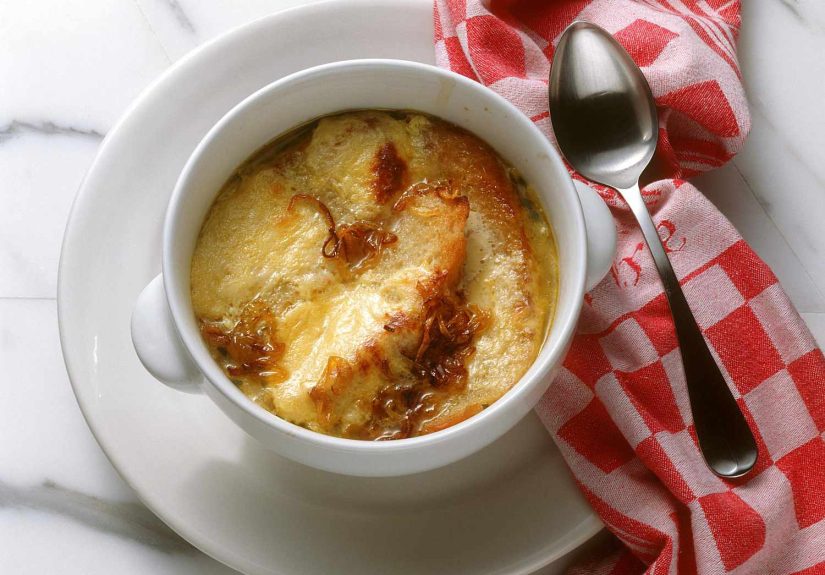
If French onion soup is the dramatic cousin who enters the room wearing a velvet cape, German Onion Soupor Ueberbackene Zwiebelsuppeis the cozy relative who shows up with warm bread, melted cheese, and a sensible jacket. It has all the comfort you want from a baked onion soup: silky onions, savory broth, toasted bread, and a bubbly cheese lid that stretches like it has been training for the Olympics.
This German onion soup recipe is lighter than the classic French version but still deeply satisfying. Instead of relying only on beef stock and heavily caramelized onions, many German-style versions use chicken or vegetable broth, dry white wine, nutmeg, thyme, bay leaf, Gouda, Gruyère, or Emmentaler. Some regional variations add lager beer, apple, rye bread, chives, or even a creamy finish. The result is a bowl that tastes rustic, elegant, and wonderfully approachable.
Below, you will find an in-depth recipe for homemade Ueberbackene Zwiebelsuppe, plus tips, variations, storage advice, and a personal-style experience section for anyone who wants to understand not just how to make it, but how to make it taste like something you would happily serve on a chilly Sunday evening.
What Is German Onion Soup?
German Onion Soup, called Zwiebelsuppe in German, is a warm onion-based soup often made with sliced onions, butter, broth, wine or beer, herbs, and a toasted bread topping. The word ueberbackene means baked or gratinéed, which tells you exactly where this recipe is headed: under the broiler until the cheese melts into a golden, bubbling blanket.
While French onion soup often uses beef broth and deeply caramelized onions, German-style onion soup can be a little brighter and more delicate. White wine, chicken broth, vegetable broth, nutmeg, and lighter cheeses such as Gouda or Emmentaler are common choices. That does not mean the flavor is shy. Onions are culinary overachievers. Give them butter, patience, and heat, and they turn from sharp little troublemakers into sweet, savory gold.
Why You Will Love This Ueberbackene Zwiebelsuppe Recipe
- It is cozy without being heavy: The broth stays flavorful but not greasy.
- It uses simple ingredients: Onions, broth, bread, cheese, wine, herbs, and a little butter do most of the work.
- It feels restaurant-worthy: Anything served with melted cheese bubbling over the edge of a bowl instantly looks fancy.
- It is flexible: Use vegetable broth for a vegetarian German onion soup, or add lager beer for a heartier tavern-style version.
- It is budget-friendly: Onions are humble, affordable, and surprisingly powerful when treated properly.
Ingredients for German Onion Soup
This recipe makes about 4 hearty servings or 6 smaller starter portions.
For the Soup
- 3 tablespoons unsalted butter
- 2 tablespoons olive oil
- 5 large yellow onions, thinly sliced
- 2 garlic cloves, minced
- 1 teaspoon kosher salt, plus more to taste
- 1/2 teaspoon freshly ground black pepper
- 1 teaspoon fresh thyme leaves, or 1/2 teaspoon dried thyme
- 1 small bay leaf
- 1/8 teaspoon freshly grated nutmeg
- 1 tablespoon all-purpose flour
- 3/4 cup dry white wine, such as Riesling, Pinot Grigio, or Sauvignon Blanc
- 5 cups chicken broth or vegetable broth
- 1 teaspoon Dijon mustard or German-style mustard, optional
- 1/2 cup German lager beer, optional, replacing 1/2 cup of broth
- 1 tablespoon chopped fresh parsley or chives for garnish
For the Ueberbacken Topping
- 4 thick slices baguette, rye bread, country bread, or pretzel roll
- 1 cup shredded Gouda, Emmentaler, Gruyère, or Swiss cheese
- 1 tablespoon butter, softened, optional for toasting the bread
- A pinch of paprika or black pepper for finishing
Best Onions to Use
Yellow onions are the best everyday choice for German onion soup because they become sweet, savory, and mellow as they cook. Sweet onions also work, though they can make the soup taste softer and less complex. Red onions add color and a slightly jammy flavor, but they are best used as part of a blend rather than the entire onion base.
For the most balanced flavor, use mostly yellow onions and add one sweet onion if you want a rounder, softer sweetness. Slice them thinly and evenly. Thick onion chunks cook unevenly, and nobody wants a soup where one onion strand is silky and another is still auditioning for a salad.
How to Make German Onion Soup
Step 1: Slice the Onions
Peel the onions, cut them in half from root to tip, and slice them thinly into half-moons. Try to keep the slices about the same thickness so they soften at the same rate. Five large onions may look like enough to feed a small brass band, but they shrink dramatically once cooked.
Step 2: Cook the Onions Slowly
Place a heavy soup pot or Dutch oven over medium heat. Add the butter and olive oil. Once the butter melts, add the sliced onions and salt. Stir well so the onions are coated. Cook for 25 to 35 minutes, stirring often, until the onions are soft, golden, and lightly caramelized.
Do not rush this step. Medium heat is your friend. High heat will scorch the onions before their natural sugars develop. If brown bits collect on the bottom of the pot, add a tablespoon of water and scrape them up. Those bits are flavor, not kitchen drama.
Step 3: Add Garlic, Herbs, and Flour
Add the minced garlic, thyme, bay leaf, black pepper, and nutmeg. Cook for 1 minute, just until fragrant. Sprinkle in the flour and stir for another minute. The flour helps give the broth a little body without turning the soup thick or pasty.
Step 4: Deglaze with White Wine
Pour in the dry white wine and scrape the bottom of the pot with a wooden spoon. The wine lifts up the caramelized onion flavor and adds brightness. Let it simmer for 3 to 5 minutes, until slightly reduced and the sharp alcohol aroma softens.
If you prefer not to cook with wine, use extra broth plus 1 teaspoon of apple cider vinegar or lemon juice at the end. You still want a little acidity to balance the sweetness of the onions and richness of the cheese.
Step 5: Simmer the Soup
Add the broth, optional lager beer, and mustard if using. Bring the soup to a gentle boil, then reduce the heat and simmer uncovered for 20 to 25 minutes. Remove the bay leaf. Taste and adjust the seasoning with salt, pepper, or another tiny pinch of nutmeg.
The finished broth should taste savory, lightly sweet, aromatic, and balanced. If it tastes flat, it likely needs salt or acid. If it tastes too sharp, simmer it a little longer. Soup is forgiving; it just wants attention, like a golden retriever with a ladle.
Step 6: Toast the Bread
While the soup simmers, toast the bread. Brush the slices lightly with softened butter if desired, then place them on a baking sheet and toast under the broiler or in a 400°F oven until crisp. Toasting matters because soft bread can become soggy too quickly once it hits the soup.
Step 7: Add Cheese and Broil
Ladle the hot soup into oven-safe bowls. Place a toasted bread slice on top of each bowl and cover generously with shredded cheese. Set the bowls on a baking sheet and broil for 2 to 4 minutes, watching closely, until the cheese is melted, bubbling, and lightly browned.
Serve immediately with chives, parsley, black pepper, or a tiny pinch of paprika. Warn your guests that the bowls are hot. This is not the moment for heroic finger strength.
Recipe Card: German Onion Soup
German Onion Soup (Ueberbackene Zwiebelsuppe)
Prep Time: 15 minutes
Cook Time: 55 minutes
Total Time: 1 hour 10 minutes
Servings: 4 large bowls
Cuisine: German-inspired
Ingredients
- 3 tablespoons unsalted butter
- 2 tablespoons olive oil
- 5 large yellow onions, thinly sliced
- 2 garlic cloves, minced
- 1 teaspoon kosher salt
- 1/2 teaspoon black pepper
- 1 teaspoon fresh thyme
- 1 bay leaf
- 1/8 teaspoon nutmeg
- 1 tablespoon flour
- 3/4 cup dry white wine
- 5 cups chicken or vegetable broth
- 1 teaspoon mustard, optional
- 4 slices toasted bread
- 1 cup shredded Gouda, Emmentaler, Gruyère, or Swiss cheese
- Fresh chives or parsley, for garnish
Instructions
- Melt butter with olive oil in a Dutch oven over medium heat.
- Add onions and salt. Cook 25 to 35 minutes, stirring often, until soft and golden.
- Add garlic, thyme, bay leaf, pepper, and nutmeg. Cook for 1 minute.
- Stir in flour and cook for 1 minute.
- Add white wine and scrape the bottom of the pot. Simmer for 3 to 5 minutes.
- Add broth and optional mustard. Simmer uncovered for 20 to 25 minutes.
- Remove bay leaf and adjust seasoning.
- Ladle soup into oven-safe bowls. Top with toasted bread and shredded cheese.
- Broil 2 to 4 minutes until the cheese is melted and golden.
- Garnish and serve hot.
German Onion Soup Variations
Beer-Broth Zwiebelsuppe
For a deeper German tavern flavor, replace 1/2 cup of the broth with a mild lager, Kölsch-style beer, or Oktoberfest-style beer. Avoid very bitter IPAs because they can overpower the onions. A smooth lager adds maltiness and makes the soup taste like it belongs beside a pretzel the size of a steering wheel.
Vegetarian German Onion Soup
Use vegetable broth and choose a vegetarian-friendly cheese if needed. Add a splash of soy sauce or a teaspoon of mushroom powder for extra umami. The flavor will be lighter than beef-based onion soup but still satisfying.
Rye Bread and Emmentaler Version
Use toasted rye bread instead of baguette and top it with Emmentaler. Rye adds a nutty, earthy flavor that feels especially German-inspired. This version pairs beautifully with a crisp cucumber salad or roasted sausages.
Pretzel Roll Topping
For a playful twist, use sliced pretzel rolls as the bread topping. Toast them well before adding them to the soup. Pretzel bread brings salt, chew, and a hint of pub-food joy. It is not the most traditional option, but it is the kind of shortcut that makes people ask for seconds.
Tips for the Best Flavor
- Cook the onions patiently: The soup depends on their sweetness and depth.
- Use a good broth: Since broth forms the base, bland broth creates bland soup.
- Toast the bread first: This keeps it from collapsing instantly into the bowl.
- Shred your own cheese: Pre-shredded cheese often contains anti-caking ingredients that can affect melting.
- Balance sweetness with acidity: Wine, beer, vinegar, or lemon juice prevents the soup from tasting too sweet.
- Use oven-safe bowls: The broiler is not gentle. Regular bowls may crack.
What to Serve with German Onion Soup
Ueberbackene Zwiebelsuppe can be served as a starter or a light main dish. For a simple meal, pair it with a green salad, roasted vegetables, or warm rye bread. For a heartier dinner, serve it with bratwurst, schnitzel, roasted chicken, or a German potato salad.
Drink pairings are easy. A dry Riesling, crisp lager, pilsner, or sparkling apple cider all work well. The goal is to choose something refreshing enough to cut through the cheese and bread topping.
How to Store and Reheat
Store the soup without the bread and cheese topping. Let it cool, then refrigerate it in an airtight container for up to 4 days. Reheat gently on the stovetop over medium-low heat. If the soup thickens in the refrigerator, add a splash of broth or water.
You can also freeze the soup base for up to 3 months. Do not freeze it with the bread and cheese topping, unless you enjoy sadness in casserole form. Add fresh toast and cheese after reheating for the best texture.
Common Mistakes to Avoid
Burning the Onions
Brown onions are delicious. Blackened onions are bitter. Keep the heat moderate and stir often. If the pot gets too dry, add a splash of water or broth.
Using Too Much Nutmeg
Nutmeg should whisper, not perform a drum solo. A tiny pinch adds warmth and old-world flavor. Too much can make the soup taste like holiday eggnog wandered into the wrong room.
Skipping the Acid
Onions become sweet as they cook. Wine, beer, vinegar, or lemon juice keeps that sweetness in balance. Without acidity, the soup can taste heavy or one-note.
Using Untoasted Bread
Untoasted bread turns mushy fast. Toasting creates structure and gives the cheese something sturdy to cling to.
Frequently Asked Questions
Is German onion soup the same as French onion soup?
No. They are related, but not identical. French onion soup usually leans on beef broth, deeply caramelized onions, baguette, and Gruyère. German onion soup may use chicken or vegetable broth, white wine, lager beer, nutmeg, thyme, Gouda, Emmentaler, rye bread, or chives.
Can I make this without wine?
Yes. Replace the wine with extra broth and add a teaspoon of apple cider vinegar or lemon juice near the end. You will still get balance without using alcohol.
What cheese is best for Ueberbackene Zwiebelsuppe?
Gouda, Emmentaler, Gruyère, and Swiss cheese all melt well. Gouda gives a creamy mild flavor, Emmentaler adds nuttiness, and Gruyère brings a deeper savory finish.
Can I make it ahead?
Yes. Prepare the soup base up to 3 or 4 days ahead, then reheat and add the bread and cheese topping right before serving.
Experience: Making German Onion Soup at Home
The first time you make German Onion Soup, the biggest surprise is how much the onions shrink. You start with a mountain of sliced onions and wonder whether you accidentally signed up to feed an entire Oktoberfest tent. Then, slowly, the pile relaxes into a glossy golden tangle. It is one of those kitchen transformations that feels almost suspicious. Five onions go in; comfort comes out.
The experience is also a lesson in patience. Onion soup does not reward panic cooking. You cannot bully onions into sweetness. You have to stand there, stir, listen to the soft hiss of butter, and let the kitchen fill with that warm, savory smell that makes people wander in and ask, “What are you making?” This is usually followed by, “Is it ready yet?” The answer is no. It is never ready when they first ask. That is part of the soup’s personality.
One of the nicest things about Ueberbackene Zwiebelsuppe is how humble it feels until the final few minutes. For most of the cooking time, it is just onions, broth, herbs, and a pot. Then the bread goes on top, the cheese follows, and the broiler turns everything into a dramatic dinner moment. Suddenly, the soup looks like something from a cozy Alpine inn, even if you are standing in your socks in a very normal American kitchen.
There is also room for personality. If you like a brighter soup, use dry white wine and vegetable broth. If you want a heartier bowl, add a splash of lager and use chicken or beef broth. If you love German flavors, try rye bread, Emmentaler, chives, and a small spoonful of mustard. If you are cooking for someone who believes every meal should contain meat, serve the soup beside bratwurst or add crisp bacon as a garnish. The base recipe is flexible enough to behave itself in many directions.
The best serving experience is simple: hot bowls, a cool evening, and bread sturdy enough to hold the melted cheese. Place the bowls on small plates, because the cheese may bubble over and make a delicious mess. Add a salad if you want balance, or skip the salad if the weather is terrible and your soul requires extra carbohydrates. No judgment. Soup season has its own laws.
Leftovers are another small pleasure. The soup base tastes even better the next day because the onions have had time to mingle with the broth, herbs, and wine. Reheat it slowly, toast fresh bread, add cheese, and broil again. It becomes a second meal that feels almost better than the first, which is exactly the kind of kitchen magic busy home cooks appreciate.
In the end, German Onion Soup is not flashy in the beginning, but it finishes strong. It is economical, warming, flavorful, and forgiving. It turns everyday onions into something memorable, and that is the kind of recipe worth keeping. Plus, any dish that ends with a molten cheese cap deserves respect, applause, and maybe a slightly larger spoon.
Conclusion
German Onion Soup (Ueberbackene Zwiebelsuppe) is a deeply comforting recipe that brings together sweet onions, savory broth, aromatic herbs, toasted bread, and melted cheese. It is lighter than many French onion soup recipes but still rich enough to feel special. With white wine, nutmeg, thyme, and your choice of Gouda, Emmentaler, Gruyère, or Swiss cheese, this soup offers a warm German-inspired twist on a classic cold-weather favorite.
The key is patience. Let the onions cook slowly, choose a flavorful broth, toast the bread properly, and broil the cheese until it bubbles. Whether you serve it as a starter, a cozy lunch, or a full dinner with sausage and salad, this German onion soup recipe proves that simple ingredients can create something wonderfully satisfying. In other words: never underestimate an onion wearing a cheese hat.