Table of Contents >> Show >> Hide
- What Is a Lemon Wood Soap Dish?
- Why Wood Works So Well for Soap Dishes
- Key Benefits of a Lemon Wood Soap Dish
- Design Features to Look For
- Lemon Wood Soap Dish vs. Bamboo, Teak, and Ceramic
- Where to Use a Lemon Wood Soap Dish
- How to Care for a Lemon Wood Soap Dish
- Common Mistakes to Avoid
- Best Soap Pairings for a Lemon Wood Soap Dish
- Buying Guide: How to Choose the Right One
- Experience Section: Living With a Lemon Wood Soap Dish
- Conclusion
A lemon wood soap dish sounds like the kind of tiny bathroom upgrade that should not matter muchuntil your expensive handmade soap turns into a sad, slippery puddle by Tuesday. Then suddenly, this humble little accessory becomes the unsung hero of the sink. A well-designed lemon wood soap dish does more than hold a bar of soap. It helps the bar dry faster, keeps the counter cleaner, adds natural warmth to the bathroom, and gives your daily routine a small but surprisingly satisfying touch of craftsmanship.
The phrase “lemon wood soap dish” can refer to a soap dish made from lemonwood, citrus wood, or a lemon-toned natural wood finish. In home décor, the idea usually points to a warm, pale, golden wooden soap holder with a fresh, natural look. It pairs beautifully with handmade soap, shampoo bars, conditioner bars, shaving bars, and zero-waste bathroom products. In other words, it is practical enough for everyday use and cute enough to make your sink look like it has its life together.
What Is a Lemon Wood Soap Dish?
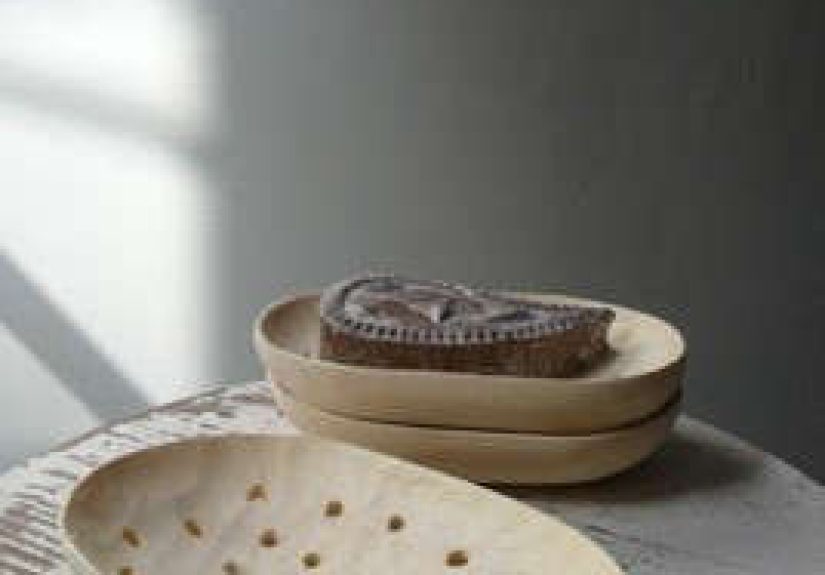
A lemon wood soap dish is a wooden soap holder designed to keep bar soap elevated, drained, and dry between uses. Its defining features are usually natural wood grain, a light yellow or honey-toned appearance, and a slotted or grooved design that allows water to escape. Some versions are made from actual lemonwood or citrus wood, while others are crafted from bamboo, beech, pine, teak, olive wood, or acacia with a lemon-like color or finish.
True lemonwood is known for its pale yellowish tone, fine texture, and ability to finish well. Citrus limon wood has also been studied as a dense, light-colored wood with good potential for practical applications. For a small object like a soap dish, those qualities matter because the item must handle daily moisture, frequent contact, and repeated drying. However, not every product labeled “lemon wood” is made from a lemon tree. Many home goods use the term to describe the color, fragrance inspiration, or decorative style.
Why Wood Works So Well for Soap Dishes
Wood has a natural, relaxed beauty that plastic rarely achieves. A wooden soap dish softens the look of a bathroom, especially when paired with white tile, stone counters, linen towels, plants, or minimalist décor. It feels warm instead of sterile. It says “spa day” without requiring you to buy a cucumber water dispenser and speak in a whisper.
More importantly, wood can be shaped into highly functional drainage designs. Slats, grooves, raised ridges, and angled channels help lift the soap away from standing water. This is the key to making bar soap last longer. Soap that sits in a puddle softens, dissolves, and leaves behind a gummy layer that nobody wants to touch before coffee. A draining soap dish allows air to circulate around the bar, helping it dry between uses and reducing waste.
Key Benefits of a Lemon Wood Soap Dish
1. It Helps Soap Last Longer
The biggest benefit of a lemon wood soap dish is better drainage. When water flows away from the bar, the soap stays firmer. This is especially helpful for natural soaps, handmade soaps, shampoo bars, and conditioner bars, which often contain nourishing oils and butters. These ingredients feel wonderful on the skin and hair, but they can soften quickly if the bar is left wet for hours.
2. It Keeps Counters Cleaner
A soap dish catches residue before it spreads across the sink ledge. Instead of dealing with a chalky soap ring or a slippery smear near the faucet, you can rinse the dish, scrub the grooves, and let it dry. A clean soap dish makes the whole bathroom look more polished, even if your toothpaste cap is still missing in action.
3. It Supports a Low-Waste Bathroom
Many people switch to bar soap to reduce plastic packaging. A wooden soap dish fits naturally into that choice because it is often reusable, biodegradable, and made from renewable materials. It also supports the use of solid shampoo, solid conditioner, facial cleansing bars, and dish soap bars. One small holder can become part of a bigger shift toward a more eco-conscious home.
4. It Adds Natural Style
The warm yellow tone of lemon wood or lemon-colored wood brings a cheerful look to the bathroom. It works well with farmhouse, coastal, rustic, Japandi, Scandinavian, bohemian, and modern organic interiors. If your bathroom currently looks like a rental apartment had a baby with a fluorescent lightbulb, a simple wooden soap dish can help soften the scene.
Design Features to Look For
Not all soap dishes are created equal. Some look pretty but trap water underneath, which defeats the entire purpose. A good lemon wood soap dish should be designed for airflow, drainage, and easy cleaning.
Drainage Slats or Grooves
Choose a soap dish with open slats, carved channels, or raised ridges. These features keep the soap above pooled water and allow the bottom of the bar to dry. Deep grooves are especially useful for thicker handmade soap bars.
Raised Feet
Raised feet help air move underneath the dish itself. Without them, moisture can get trapped between the wood and the countertop. That trapped water may eventually cause staining, odor, or mildew. Tiny feet may look like a minor detail, but they are doing the bathroom equivalent of heroic community service.
Smooth Finish
A smooth finish feels better to handle and is easier to clean. Rough, unfinished wood can catch soap residue and become harder to maintain. A food-safe oil, wax, or water-resistant finish can help protect the surface, although the dish still needs regular drying.
Right Size
The dish should be slightly larger than your usual soap bar. If the bar covers every drainage opening, water cannot escape properly. For shampoo bars or oversized artisan soaps, choose a longer or wider dish with plenty of open space.
Lemon Wood Soap Dish vs. Bamboo, Teak, and Ceramic
Bamboo soap dishes are lightweight, affordable, and popular for zero-waste bathrooms. Bamboo grows quickly and has a clean, simple look. Teak is prized for moisture resistance and durability, making it a strong choice for shower areas. Ceramic soap dishes are easy to rinse and often feel more polished or decorative, but they may chip if dropped and can still collect standing water if poorly designed.
A lemon wood soap dish sits somewhere between rustic and refined. It offers the natural warmth of wood, a lighter visual tone than many darker hardwoods, and a fresh appearance that suits both bathroom and kitchen sinks. If made from true lemonwood or citrus wood, it may have a distinctive pale color and fine grain. If made from another wood with a lemon finish, the value depends more on the design, finish quality, and drainage than the name itself.
Where to Use a Lemon Wood Soap Dish
The most obvious place is the bathroom sink, where it can hold hand soap and keep the counter tidy. It also works well beside a kitchen sink for dish soap bars or hand soap. In the shower, place it away from the direct water stream. Even a well-designed wooden soap dish will struggle if it is blasted by water every time someone showers like they are trying to pressure-wash their soul.
For travel, a small wooden soap saver can help dry a bar before it goes into a case. Just make sure the soap is fully dry before sealing it in a container. A wet bar trapped in a closed box becomes soft, sticky, and emotionally complicated.
How to Care for a Lemon Wood Soap Dish
Wood is durable, but it is not magic. To keep a lemon wood soap dish looking good, rinse it regularly, scrub away buildup from the grooves, and allow it to dry fully. Avoid placing it in the dishwasher. High heat and prolonged moisture can cause wood to warp, crack, or lose its protective finish.
Once in a while, clean the dish with mild soap and warm water. Use a small brush to reach the grooves. Let it air-dry completely before putting it back into service. If the wood begins to look dry, a small amount of food-safe mineral oil or wood wax can help refresh the surface. Always wipe off excess oil so the dish does not feel greasy.
If you live in a humid climate, consider rotating between two soap dishes. Use one while the other dries completely. This simple habit can extend the life of wooden bathroom accessories and reduce the chance of musty smells or mildew.
Common Mistakes to Avoid
Leaving It in Standing Water
A wooden soap dish should never sit in a puddle. If water collects under it, move it to a drier spot or choose a model with raised feet.
Using It Without Cleaning
Soap residue builds up over time. Even natural soap can leave a film. A quick scrub every week or two keeps the dish fresh and functional.
Putting It in the Dishwasher
Dishwashers are rough on wood. Hand-washing is safer and helps preserve the grain, finish, and structure.
Buying Only for Looks
A beautiful soap dish without drainage is basically a tiny wooden bathtub for your soap. Look for function first, then style.
Best Soap Pairings for a Lemon Wood Soap Dish
A lemon wood soap dish looks especially good with handmade soaps in soft colors: oatmeal, honey, lavender, charcoal, eucalyptus, citrus, clay, and goat milk bars. It also pairs nicely with solid shampoo bars and conditioner bars because the wood gives the whole setup a natural, low-waste feel.
For a coordinated bathroom look, match the dish with other warm accents such as a wooden toothbrush holder, cotton towels, amber glass bottles, woven baskets, or a small plant. The goal is not to make your bathroom look like a luxury resort overnight. The goal is to make one corner feel calm, clean, and intentional.
Buying Guide: How to Choose the Right One
When shopping for a lemon wood soap dish, first check the material description. If the seller says it is lemonwood, look for details about solid wood, finish, and sourcing. If the term refers to color, check whether the actual material is bamboo, pine, acacia, beech, or another wood.
Next, inspect the drainage design. Slatted soap dishes are usually reliable because they create open space beneath the bar. Grooved dishes can also work well if the channels are deep enough and angled for water flow. Flat trays with shallow lines may look elegant, but they often do less to keep soap dry.
Finally, think about placement. For a sink, almost any well-finished wooden dish can work. For a shower, choose a more moisture-resistant design, keep it out of direct spray, and dry it regularly. For gifting, pair the dish with a handmade soap bar and wrap it in kraft paper or a cotton bag. It is simple, useful, and much better than giving someone another candle called “Midnight Rainforest Spreadsheet.”
Experience Section: Living With a Lemon Wood Soap Dish
The first thing you notice after using a lemon wood soap dish is not the wood itself. It is the soap. A bar that used to turn soft around the edges suddenly keeps its shape for days longer. The bottom does not melt into the counter. The top dries with a clean, firm surface. It feels like a tiny household victory, the kind no one applauds but everyone benefits from.
In a bathroom sink area, the difference is immediate. A pale wooden dish adds warmth without demanding attention. It does not shout “decor theme.” It simply sits there, quietly making the counter look more finished. With a lemon-yellow or honey-toned soap bar, the combination feels bright and fresh. With a charcoal or herbal bar, the contrast looks modern and spa-like. Either way, it upgrades the space without requiring tools, paint, or a weekend lost to home improvement regret.
In the shower, the experience depends on placement. When the dish is kept away from direct spray, it performs beautifully. The soap dries faster, the shelf stays cleaner, and the bar does not slide around like a tiny escape artist. But if the dish sits directly under the shower stream, it will stay wet too long. That is when wood can darken, soap can soften, and the whole setup starts to feel less charming. The lesson is simple: give the dish a dry zone, and it will reward you.
Cleaning is also easier than expected. A quick rinse removes most residue. For deeper cleaning, a small brush works well in the grooves. After scrubbing, the dish should be dried upright or placed on a towel until fully dry. This habit takes less than a minute, but it keeps the wood fresher and helps prevent buildup. Compared with scraping soap sludge off a flat plastic tray, maintaining a wooden dish feels almost civilized.
One of the best experiences is pairing the dish with handmade soap. Artisan bars often come in beautiful colors and textures, and a lemon wood soap dish displays them nicely. Instead of hiding the soap in a plastic container, the dish turns it into a small decorative object. Guests notice it. The sink looks more intentional. Even the daily act of washing your hands feels a little more pleasant.
A lemon wood soap dish also encourages better habits. Once you see how much longer soap lasts when it dries properly, you start paying attention to storage. You stop leaving bars on wet ledges. You move them out of puddles. You might even start using shampoo bars, conditioner bars, or dish soap bars because the setup finally makes sense. That is the quiet power of a good accessory: it makes the better choice easier.
The only real drawback is that wood requires care. If you want something you can ignore forever, ceramic or silicone may be easier. But if you like natural materials, warm design, and small rituals that make a home feel thoughtful, a lemon wood soap dish is worth it. It is affordable, useful, attractive, and surprisingly satisfying. Not bad for something whose main job is babysitting soap.
Conclusion
A lemon wood soap dish is a small bathroom accessory with a big practical purpose. It helps bar soap dry between uses, reduces waste, keeps counters cleaner, and adds natural charm to the sink or shower. Whether it is made from true lemonwood, citrus wood, bamboo, acacia, teak, or another pale wood, the best version should have strong drainage, raised airflow, a smooth finish, and simple care requirements.
For anyone switching to handmade soap, shampoo bars, conditioner bars, or a more sustainable bathroom routine, this little wooden holder is a smart addition. It is not flashy. It will not reorganize your life or fold your towels into hotel swans. But it will help your soap last longer, look better, and stay out of the dreaded puddle zone. In the world of bathroom upgrades, that is a quiet win worth celebrating.