Table of Contents >> Show >> Hide
- Why This Spicy Barbecue Chicken Works
- Ingredients for Spicy Barbecue Chicken
- Best Chicken Cuts for Spicy BBQ Chicken
- How to Make Spicy Barbecue Chicken
- Oven Method for Spicy Barbecue Chicken
- Flavor Variations
- What to Serve With Spicy Barbecue Chicken
- Tips for Juicy, Spicy Barbecue Chicken
- How to Store and Reheat Leftovers
- Common Mistakes to Avoid
- Experience Notes: What Makes This Recipe Shine in Real Life
- Conclusion
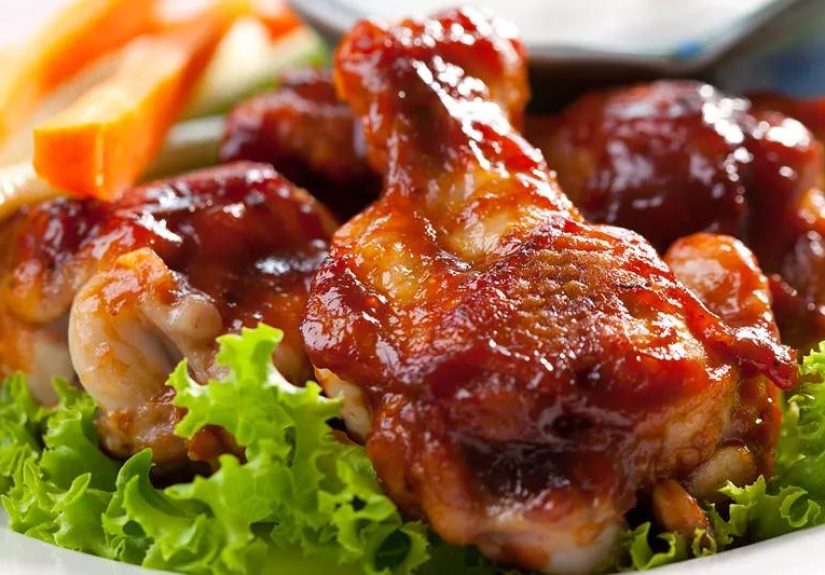
Spicy barbecue chicken is the kind of meal that makes a backyard smell like a summer festival, a family dinner feel like a cookout, and an ordinary Tuesday suddenly develop main-character energy. It is smoky, sticky, juicy, a little fiery, and just sweet enough to keep the heat from running away with the plate. The best part? You do not need competition-level barbecue equipment, a secret family pitmaster handshake, or a sauce recipe guarded by three uncles in lawn chairs. You just need good chicken, a balanced spice rub, a bold barbecue sauce, and a cooking method that lets the meat stay tender while the outside turns glossy and caramelized.
This recipe is designed for real home cooks who want flavor without chaos. It works on a gas grill, charcoal grill, grill pan, or oven. The method focuses on two things: building layers of flavor and avoiding the classic barbecue chicken tragedyburned sauce on the outside, undercooked chicken near the bone, and a host pretending everything is “rustic.” We are not doing that today. We are making chicken that is smoky, spicy, saucy, and safe to eat all the way through.
Why This Spicy Barbecue Chicken Works
Great barbecue chicken is not just chicken wearing sauce like a last-minute costume. The flavor should be built in stages. First, the chicken is seasoned with a dry rub made from smoked paprika, garlic powder, onion powder, brown sugar, cayenne, chili powder, black pepper, and salt. This gives the meat a savory backbone with sweetness and heat. Then the chicken rests so the seasoning can cling to the surface and begin working into the meat. Finally, the sauce is brushed on near the end of cooking, not at the beginning, so the sugars caramelize instead of burning into a bitter shell.
The secret is controlled heat. Bone-in chicken pieces, especially thighs and drumsticks, taste incredible because they have enough fat and connective tissue to stay juicy. But they need time. Cooking them over moderate indirect heat helps the inside cook gently while the skin renders. Near the end, the chicken can move closer to direct heat for color, char, and that irresistible sticky barbecue finish.
Ingredients for Spicy Barbecue Chicken
For the Chicken
- 3 pounds bone-in chicken thighs, drumsticks, or mixed chicken pieces
- 2 tablespoons olive oil
- 1 tablespoon apple cider vinegar or fresh lime juice
- 1 teaspoon kosher salt, or to taste
For the Spicy Dry Rub
- 2 tablespoons brown sugar
- 1 tablespoon smoked paprika
- 1 tablespoon chili powder
- 1 teaspoon garlic powder
- 1 teaspoon onion powder
- 1 teaspoon ground cumin
- 1 teaspoon black pepper
- 1/2 teaspoon cayenne pepper, or more for extra heat
- 1/2 teaspoon mustard powder
- 1/2 teaspoon kosher salt
For the Spicy Barbecue Sauce
- 1 cup barbecue sauce, homemade or store-bought
- 2 tablespoons hot sauce
- 1 tablespoon honey or maple syrup
- 1 tablespoon apple cider vinegar
- 1 tablespoon Worcestershire sauce
- 1 teaspoon smoked paprika
- 1/2 teaspoon crushed red pepper flakes
- 1 small garlic clove, finely grated
Best Chicken Cuts for Spicy BBQ Chicken
Chicken thighs and drumsticks are the most forgiving cuts for barbecue. They have more flavor than boneless skinless chicken breasts and are less likely to dry out if dinner gets delayed by five minutes, a phone call, or someone asking whether the potato salad has raisins in it. Bone-in, skin-on pieces are especially good because the skin protects the meat and crisps beautifully when cooked correctly.
Chicken breasts can work, but they need gentler treatment. Choose bone-in breasts if possible, or pound boneless breasts to an even thickness before seasoning. Boneless chicken cooks faster, so keep a thermometer nearby and do not wander off to reorganize the cooler. Wings are another excellent option, especially for parties, but they need frequent turning and careful saucing because they have lots of surface area and can burn quickly.
How to Make Spicy Barbecue Chicken
Step 1: Pat the Chicken Dry
Use paper towels to pat the chicken pieces dry. Moisture on the surface can prevent browning, and browning is where flavor starts getting interesting. Place the chicken in a large bowl or on a rimmed baking sheet.
Step 2: Season Deeply
Drizzle the chicken with olive oil and apple cider vinegar or lime juice. Toss to coat. In a small bowl, combine the brown sugar, smoked paprika, chili powder, garlic powder, onion powder, cumin, black pepper, cayenne, mustard powder, and salt. Sprinkle the rub over the chicken and massage it into every piece. Yes, this is the part where the chicken gets a spa treatment. It deserves one.
Step 3: Rest Before Cooking
Let the seasoned chicken rest for at least 30 minutes at room temperature while you prepare the grill. For deeper flavor, cover and refrigerate it for 4 to 12 hours. If refrigerating, let the chicken sit at room temperature for about 20 minutes before cooking so it does not hit the grill ice-cold.
Step 4: Make the Spicy Barbecue Sauce
In a small saucepan, combine barbecue sauce, hot sauce, honey, apple cider vinegar, Worcestershire sauce, smoked paprika, red pepper flakes, and garlic. Warm over low heat for 5 to 7 minutes, stirring often. The sauce should taste tangy, smoky, sweet, and spicy. If it tastes too hot, add a little more honey. If it tastes too sweet, add a splash more vinegar. Sauce is not a prison sentence; adjust it.
Step 5: Grill Over Indirect Heat
Prepare a grill for two-zone cooking. On a gas grill, heat one side to medium and leave the other side lower or off. On a charcoal grill, bank the coals to one side. Place the chicken skin-side up on the cooler side of the grill. Cover and cook for 25 to 35 minutes, turning occasionally, until the chicken is mostly cooked through and the skin has begun to render.
Step 6: Sauce Near the End
Brush the chicken with spicy barbecue sauce during the final 10 to 15 minutes of cooking. Turn and brush every few minutes, letting each layer get tacky before adding the next. This creates a shiny, sticky glaze instead of a scorched sugar jacket. Move the chicken closer to the hotter side only when it needs extra color or light charring.
Step 7: Check the Internal Temperature
Chicken should reach an internal temperature of 165°F when measured in the thickest part, away from bone. A digital meat thermometer is the easiest way to know when the chicken is done. Guessing with chicken is how cookouts become suspense films, and nobody asked for that genre at dinner.
Step 8: Rest and Serve
Transfer the cooked chicken to a platter and rest it for 5 to 10 minutes. This gives the juices time to settle so they stay in the meat instead of running across the cutting board like they are late for an appointment. Brush with a final light layer of warm sauce before serving.
Oven Method for Spicy Barbecue Chicken
No grill? No problem. Preheat the oven to 400°F. Place seasoned chicken pieces on a foil-lined baking sheet fitted with a rack. Bake for 30 to 40 minutes, depending on size. Brush with spicy barbecue sauce during the last 10 to 15 minutes. For a grilled-style finish, broil for 2 to 4 minutes at the end, watching closely so the sauce caramelizes without burning. The oven method is perfect for rainy days, apartment kitchens, or moments when the grill is covered in something mysterious and you are not emotionally prepared to investigate.
Flavor Variations
Sweet Heat BBQ Chicken
Add 2 tablespoons of peach preserves, apricot jam, or extra honey to the sauce. This version is excellent for people who like heat but still want a friendly handshake from sweetness.
Smoky Chipotle Barbecue Chicken
Stir 1 tablespoon of minced chipotle peppers in adobo into the sauce. This gives the chicken a deeper smoky flavor with a slow-building burn.
Buffalo BBQ Chicken
Replace half of the barbecue sauce with Buffalo-style hot sauce and add 1 tablespoon melted butter. The result is tangy, spicy, and perfect with celery, ranch, or blue cheese dressing.
Carolina-Inspired Spicy BBQ Chicken
Add 1 tablespoon yellow mustard and an extra splash of apple cider vinegar to the sauce. This gives the chicken a sharper, tangier flavor that cuts beautifully through the richness of dark meat.
What to Serve With Spicy Barbecue Chicken
This chicken loves classic cookout sides. Serve it with creamy coleslaw, grilled corn, potato salad, baked beans, mac and cheese, cornbread, pickles, or a crisp cucumber salad. If the sauce is very spicy, balance it with something cool and crunchy. Coleslaw is not just a side dish here; it is the peace treaty between your taste buds and the cayenne.
For a lighter plate, pair the chicken with grilled zucchini, watermelon salad, roasted sweet potatoes, or a green salad with ranch or lime vinaigrette. For a party, slice the chicken off the bone and pile it into sandwiches with pickled onions and extra sauce. Leftovers also make excellent tacos, rice bowls, wraps, and barbecue chicken pizza.
Tips for Juicy, Spicy Barbecue Chicken
- Do not sauce too early: Barbecue sauce contains sugar, which can burn over direct heat.
- Use indirect heat first: This helps the chicken cook evenly before the exterior gets too dark.
- Let the rub sit: Even 30 minutes makes a difference in flavor.
- Control the spice: Start with less cayenne if serving kids or spice-sensitive guests.
- Use a thermometer: It is the simplest way to avoid dry or undercooked chicken.
- Rest before serving: Rested chicken is juicier and easier to eat.
How to Store and Reheat Leftovers
Store leftover spicy barbecue chicken in an airtight container in the refrigerator for up to 3 to 4 days. To reheat, place the chicken in a covered baking dish at 325°F until warmed through. Add a spoonful of extra sauce or a splash of water to keep it moist. You can also reheat chicken gently in a skillet over medium-low heat. Avoid blasting it in the microwave for too long, unless your goal is chicken with the personality of a flip-flop.
For freezing, remove the meat from the bones if desired, pack it with a little sauce, and freeze for up to 2 months. Thaw overnight in the refrigerator before reheating. Frozen leftover spicy BBQ chicken is a gift to your future self, especially on nights when cooking feels like a dramatic personal challenge.
Common Mistakes to Avoid
Cooking Over Heat That Is Too High
High heat can make the outside look done before the inside is fully cooked. Use medium heat and indirect cooking for the best balance of juicy meat and caramelized sauce.
Using Sauce as a Marinade Only
Barbecue sauce tastes great, but it is not always the best first layer because the sugar can burn. A dry rub gives better early flavor, while sauce works best near the end.
Skipping the Thermometer
Visual cues help, but they are not enough. A thermometer takes away the guesswork and helps you cook chicken that is both safe and juicy.
Not Letting the Chicken Rest
Cutting into chicken immediately after grilling lets the juices escape. Resting is a small step with a big payoff.
Experience Notes: What Makes This Recipe Shine in Real Life
The first time I made spicy barbecue chicken for a backyard dinner, I learned one important lesson: people gather around a grill the way seagulls gather around a dropped French fry. Everyone suddenly becomes an expert. Someone will say the chicken needs more smoke. Someone else will ask if the sauce is homemade. A third person will hover with a plate before the chicken is even done. This recipe survives all of that. It is practical, flavorful, and flexible enough for real-life cooking, which is the only kind most of us actually do.
The biggest improvement came when I stopped brushing sauce on the chicken from the beginning. For years, I thought more sauce meant more flavor. What it often meant was blackened sugar and chicken skin that tasted like it had been through a minor campfire incident. Once I started using a dry rub first and saving the sauce for the final stretch, the chicken tasted cleaner, smokier, and more balanced. The rub seasoned the meat, while the sauce became a glaze instead of a burnt blanket.
Another helpful discovery is that dark meat is a cookout hero. Chicken thighs and drumsticks are budget-friendly, flavorful, and forgiving. They can handle spice, smoke, and a few extra minutes on the grill without turning dry. When serving a group, I like to use a mix of thighs and drumsticks because they cook at a similar pace and are easy to grab from a platter. They also look generous, which matters when people arrive hungry and begin using phrases like “just a small piece” while holding the largest plate in the house.
For spice level, I have found that balance is everything. Cayenne brings direct heat, chili powder gives warmth, smoked paprika adds depth, and hot sauce adds tang. Honey or brown sugar keeps the spice from feeling harsh. If guests have different heat preferences, make the base chicken moderately spicy and serve extra hot sauce on the side. That way, the brave can chase the flames, and everyone else can enjoy dinner without needing a gallon of lemonade as emotional support.
This spicy barbecue chicken also gets better when you plan the sides thoughtfully. A cool slaw, pickles, or cucumber salad makes the whole meal feel brighter. Cornbread or potato salad softens the heat. Grilled corn with butter and lime is almost unfairly good next to this chicken. If there are leftovers, shred the meat and tuck it into sandwiches with extra sauce and crunchy slaw. The next-day version might even cause a small argument over who gets the last portion, which is how you know the recipe has done its job.
Most importantly, this recipe reminds us that barbecue chicken does not need to be complicated to be memorable. It needs patience, seasoning, heat control, and sauce at the right moment. When the chicken comes off the grill shiny, smoky, and spicy, people do not ask whether you used a fancy technique. They ask if there is more. That is the real review that matters.
Conclusion
Spicy barbecue chicken is a bold, crowd-pleasing recipe that brings together smoky spices, juicy chicken, and a sticky hot-sweet glaze. By seasoning the chicken before cooking, using indirect heat, adding sauce near the end, and checking the internal temperature, you can avoid the most common barbecue mistakes and serve chicken that tastes like it came from someone who definitely knows where the good tongs are kept.
Whether you grill it outside, bake it in the oven, serve it with coleslaw, or turn leftovers into sandwiches, this recipe delivers big flavor without unnecessary fuss. It is spicy enough to be exciting, sweet enough to be balanced, and simple enough to become a repeat favorite. In other words, it is exactly the kind of chicken that makes people casually “stop by” when they hear the grill is on.
Note: This original article was written for web publishing and synthesized from reliable U.S. cooking practices, grilling techniques, and food-safety guidance. No source links or citation placeholders are included in the HTML output.