Table of Contents >> Show >> Hide
- Before You Start: A Reality Check That Will Save You Trouble
- How to Make Your Feet Touch Your Head: 15 Steps
- 1. Stop treating flexibility like a dare
- 2. Warm up for 5 to 10 minutes before stretching
- 3. Begin with dynamic mobility, not deep static holds
- 4. Improve thoracic spine mobility
- 5. Open your shoulders so your back does not take the entire hit
- 6. Loosen up your hip flexors
- 7. Give your quadriceps the attention they keep demanding
- 8. Strengthen your glutes and hamstrings
- 9. Train your core so “backbend” does not become “back dump”
- 10. Practice gentle spinal extension first
- 11. Add supported quad-and-backbend drills
- 12. Work one side at a time before chasing the full pose
- 13. Hold stretches gently and breathe instead of wrestling yourself
- 14. Recover like your progress depends on it, because it does
- 15. Attempt the full shape only when it feels earned
- A Simple Weekly Plan to Build Toward the Goal
- Common Mistakes That Slow Progress
- What Progress Usually Looks Like
- Conclusion
- Experiences People Commonly Have While Training for This Goal
- SEO Tags
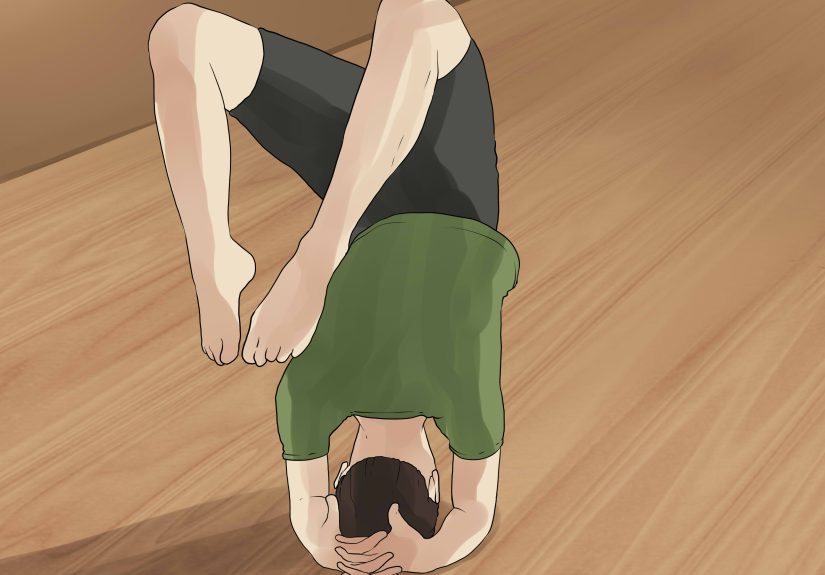
Let’s be honest: “make your feet touch your head” sounds less like a fitness goal and more like a deleted scene from a superhero origin story. But for dancers, gymnasts, yoga lovers, cheer athletes, martial artists, and gloriously ambitious stretchers, it is a real flexibility milestone. The catch is that this goal is not just about having a bendy back. It requires hip flexor mobility, quadriceps length, shoulder openness, thoracic spine movement, core control, glute strength, patience, and a strong commitment to not turning your lower back into an angry complaint department.
If you want to improve backbend flexibility safely, the smartest route is not to yank your foot toward your skull and hope the universe approves. The smarter route is gradual training. Think of this as a mobility project, not a magic trick. Some people will eventually reach a full foot-to-head shape. Others will get much closer without ever fully touching. Both outcomes are completely normal. Anatomy, training history, injury history, and even how your rib cage and hips are built all matter.
This guide walks through 15 practical steps to help you build the kind of flexibility and strength that support deep backbends. It is written for real humans, including the ones who spend eight hours a day sitting and then expect their spine to transform after one dramatic stretch session. Your body deserves a better strategy than that.
Before You Start: A Reality Check That Will Save You Trouble
Touching your feet to your head is an advanced backbend goal. It is not required for health, general fitness, or even “being flexible.” Plenty of healthy, athletic people will never do it, and that does not mean they failed. It simply means their body has a different range, or their training priorities live somewhere more practical, like running, lifting, or surviving Monday mornings.
If you have current pain in your back, neck, shoulders, hips, or knees, or you have a history of joint instability, hypermobility problems, or recent injury, get guidance from a qualified clinician or coach before chasing deep end-range shapes. Sharp pain, numbness, tingling, pinching, or joint pressure are not “good stretch” feelings. They are your body’s way of saying, “Absolutely not.” Listen.
How to Make Your Feet Touch Your Head: 15 Steps
1. Stop treating flexibility like a dare
The first step is mental. If your approach is “I’m going to force it today,” your body will usually answer with tightness, compensation, or injury. Flexibility improves best when your nervous system feels safe, not threatened. That means slower progress, repeatable routines, and zero drama. Set a realistic timeline measured in weeks or months, not one heroic afternoon.
2. Warm up for 5 to 10 minutes before stretching
Cold muscles are stubborn. Warm muscles are more cooperative and much less likely to rebel. Start with brisk walking, marching in place, cycling, light jogging, or a few minutes of full-body movement that raises your temperature slightly. You do not need an Olympic entrance sequence. You just need enough motion to stop stretching like a refrigerator trying to do ballet.
3. Begin with dynamic mobility, not deep static holds
Before you settle into longer stretches, move your joints through easy ranges. Try cat-cow, arm circles, gentle lunges with a reach, standing quad sweeps, and controlled spinal waves. Dynamic movement helps prepare your body for bigger shapes. The goal here is to wake things up, not to win a flexibility trophy before the session has even started.
4. Improve thoracic spine mobility
When people force all their backbend into the lower back, the lumbar spine ends up doing overtime while the upper back quietly avoids work. That is not a great bargain. Add thoracic extension drills such as foam roller extensions, open-book rotations, wall slides, or kneeling chest lifts. A more mobile upper back makes deep backbends feel smoother and less cranky.
5. Open your shoulders so your back does not take the entire hit
Shoulder mobility matters more than most people realize. If your shoulders are stiff, your spine may compensate by over-arching. Work on overhead range with puppy pose, wall shoulder flexion, doorway chest stretches, and gentle strap-assisted shoulder circles. Think long arms, open chest, and controlled movement. The shoulders are not just invited to this party. They are on the guest list in bold letters.
6. Loosen up your hip flexors
Tight hip flexors can act like a parking brake on backbends. If the front of the hips cannot lengthen, the rest of your body will try to fake it. Use low lunge variations, couch stretch progressions, and half-kneeling hip flexor stretches with a light glute squeeze. Keep the pelvis controlled instead of letting your ribs pop wildly forward. “Open hips” should not mean “lost all structural dignity.”
7. Give your quadriceps the attention they keep demanding
Reaching your feet toward your head often requires enough quad length to bend the knee deeply while the hip extends. Translation: your thighs may be the real gatekeepers here. Practice standing quad stretches, side-lying quad stretches, or couch stretch variations. Move slowly and breathe. If your knee feels compressed, back off and change the angle. Stretch the muscle, not your patience.
8. Strengthen your glutes and hamstrings
This might seem backward. You came for flexibility, and now strength is showing up like it owns the place. But strong glutes and hamstrings help stabilize the pelvis and protect the back. Add glute bridges, single-leg bridges, Romanian deadlift patterns, and hip hinge practice. A body that can control extension is far safer than a body that only knows how to collapse into it.
9. Train your core so “backbend” does not become “back dump”
Deep flexibility without trunk control is like driving a race car with loose lug nuts. Core work does not make you less flexible. It makes your flexibility usable. Think dead bugs, hollow body holds, side planks, bird dogs, and slow controlled planks. The goal is not a six-pack photoshoot. The goal is being able to extend through the spine without losing all stability and form.
10. Practice gentle spinal extension first
Now you can introduce more specific backbend patterns. Start with sphinx, then cobra, then a carefully controlled upward-facing spinal extension if it feels good. Focus on length through the front body, not cranking the lower back. Keep the shoulders away from the ears and the breath steady. If the movement feels pinchy in the low back, ease up and return to the earlier mobility work.
11. Add supported quad-and-backbend drills
Once the basics feel easier, combine them. Try a low lunge with the back knee down and a hand reaching for the back foot, or a standing quad hold with the free arm reaching overhead. Some people also practice a supported dancer stretch while lightly holding a wall. These drills bridge the gap between basic flexibility and the bigger shape you are chasing.
12. Work one side at a time before chasing the full pose
Single-side drills are your best friends. They are less overwhelming, easier to control, and very good at exposing the side that behaves like it has never met a stretch before. Focus on even progress between right and left. The full “feet to head” image looks impressive, but the real work usually happens in smaller, more boring drills. Boring is underrated. Boring gets results.
13. Hold stretches gently and breathe instead of wrestling yourself
When you find a stretch, settle into mild to moderate tension and stay there with calm breathing. Avoid bouncing, jerking, or using momentum. If your face looks like you are trying to decode ancient prophecy, you are probably forcing it. A good stretch usually feels intense but manageable, not alarming. Exhale slowly and let the position deepen only if the body agrees.
14. Recover like your progress depends on it, because it does
Mobility improves between sessions, not just during them. Space out intense flexibility work, sleep enough, stay hydrated, and avoid hammering the same tissues every day with maximal effort. Light movement, walking, gentle mobility, and normal strength training often help more than dramatic “stretch marathons.” Your body likes consistency. It does not like surprise attacks.
15. Attempt the full shape only when it feels earned
When your warm-up feels smooth, your shoulders and hips open easily, your supported drills look controlled, and your back does not complain afterward, you can cautiously test a fuller variation. Do it after a thorough warm-up, and preferably with a qualified coach if the shape is new to you. Move in slowly, maintain breath, and stop before pain. The real win is not touching your head once. The real win is being able to train again tomorrow.
A Simple Weekly Plan to Build Toward the Goal
If you want structure, use this three-day approach. On Day 1, focus on dynamic warm-up, hip flexors, quads, shoulder mobility, and easy back extensions. On Day 2, emphasize glutes, hamstrings, and core strength with a shorter mobility finish. On Day 3, combine both with supported backbend drills and longer, gentle static stretches at the end. Keep sessions around 20 to 35 minutes. That is long enough to help and short enough that your body does not start negotiating with your calendar.
You can also add light walking, swimming, yoga basics, or regular strength training on other days. Flexibility improves faster in bodies that move often and recover well. Sitting all day and then demanding instant contortion tends to produce very theatrical disappointment.
Common Mistakes That Slow Progress
The biggest mistake is forcing range before you build control. The second is stretching only the back and ignoring hips, shoulders, quads, and core. The third is practicing deep flexibility only when you feel motivated, which usually translates to “rarely, but with concerning enthusiasm.” Other common mistakes include skipping the warm-up, holding your breath, bouncing into stretches, and assuming pain means progress. It does not. Pain usually means you found the wrong road and sped up.
What Progress Usually Looks Like
Progress is not always dramatic. First, your warm-up feels easier. Then your lunges get deeper. Then shoulder overhead range improves. Then your cobra feels less compressed. Then one day you notice your foot is suddenly much easier to reach in a quad stretch. Over time, the body starts connecting the dots. That is how advanced flexibility usually happens: through dozens of small upgrades that quietly stack into something impressive.
Conclusion
If your goal is to make your feet touch your head, patience is not optional. It is the whole game. The safest path combines warm muscles, dynamic preparation, gentle static stretching, better shoulder and hip mobility, stronger glutes and core, and slow exposure to deeper backbend shapes. Some people will reach the full position. Some will gain a cleaner, more comfortable backbend and stop there. Either way, your body will thank you for choosing progress over panic.
The best flexibility training does not feel like punishment. It feels like learning. You get curious about what is tight, what is weak, what improves with breath, and what needs more time. That approach is far more useful than trying to fold yourself into a shape just because the internet made it look easy. The internet also makes soufflés look easy. We all know how that goes.
Experiences People Commonly Have While Training for This Goal
One of the most common experiences is surprise. People think the challenge will be all about the spine, and then discover their hip flexors and quads are the real villains. A person who can sit in a forward fold all day may still feel completely stuck when trying a backbend pattern. That is normal. Flexibility is specific. Being loose in one direction does not guarantee freedom in another. Many beginners also notice that one side feels dramatically tighter, which can be annoying, but it is also useful information. The body is giving you a map.
Another very common experience is the “I felt great yesterday, why am I stiff today?” phase. Mobility progress is rarely linear. Sleep, stress, long sitting sessions, hard workouts, and even hydration can change how open your body feels from day to day. That does not mean you are losing progress. It usually means your body is behaving like a body. The smart response is not to punish yourself with a harder session. The smart response is to adjust, warm up longer, and work with the range you have that day.
People also often report that breathing changes everything. At first, they hold their breath during deeper stretches like they are trying to survive a tornado. Then, after a few weeks, they learn to exhale slowly and the position suddenly feels less hostile. That does not mean breathing is magic. It means tension drops, coordination improves, and the body stops bracing against itself quite so much. Flexibility work becomes less of a fight and more of a conversation.
For athletes and dancers, another experience is discovering that strength work improves flexibility more than endless stretching ever did. Once glutes, hamstrings, and the trunk get stronger, backbend shapes feel more organized and less messy. The movement stops looking like a desperate escape from gravity and starts looking controlled. That is often the turning point where progress speeds up. Strength gives flexibility somewhere safe to go.
And finally, many people notice the goal changes them even before they reach it. Posture improves. Warm-ups become smarter. Recovery becomes more intentional. They become less obsessed with forcing a final shape and more interested in moving well. Ironically, that is often when the body starts opening up. So yes, touching your feet to your head can be a fun milestone. But the real reward is learning patience, body awareness, and how to train hard without training recklessly. That is a skill you can use long after the dramatic pose has stopped being interesting.