Table of Contents >> Show >> Hide
- Why This Beef Tenderloin Roast Recipe Works
- Ingredients for Herb and Spice Beef Tenderloin Roast With Dijon Mustard
- How to Make Beef Tenderloin Roast With Dijon Mustard
- Estimated Doneness Guide
- Flavor Profile: What This Roast Tastes Like
- Best Tips for a Perfect Oven-Roasted Beef Tenderloin
- What to Serve With Beef Tenderloin Roast
- Common Mistakes to Avoid
- Storage and Leftover Ideas
- Why This Recipe Is Great for Holidays and Special Occasions
- Experience: What It Feels Like to Make and Serve This Roast
- Final Thoughts
If there were a beauty pageant for beef, tenderloin would arrive wearing a sash, a spotlight, and the confidence of someone who has never once worried about being tough. It is buttery, elegant, and expensive enough to make you stand a little straighter in the grocery store. So when you roast it, you want the result to feel worthy of the splurge. That is exactly where this herb and spice beef tenderloin roast with Dijon mustard recipe shines.
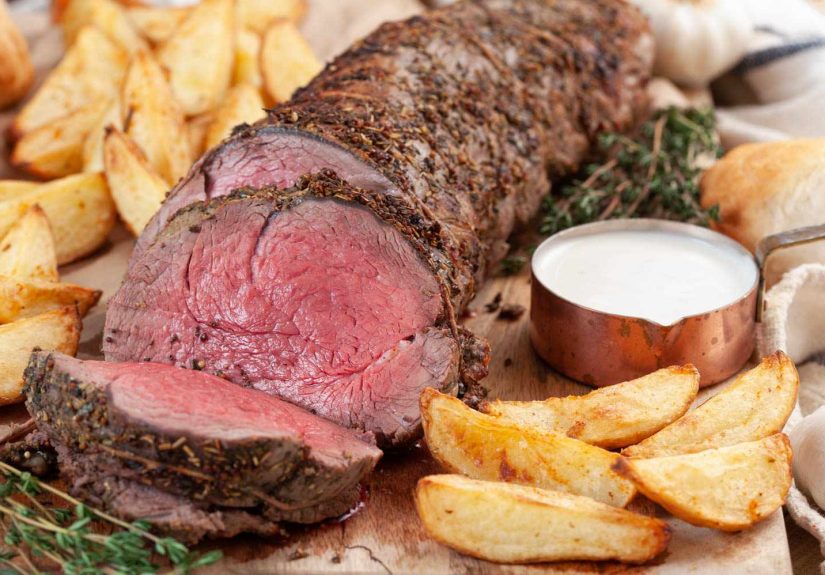
This is the kind of main dish that looks restaurant-fancy but is surprisingly manageable at home. Dijon mustard gives the roast a tangy backbone and helps the herb-and-spice crust cling like it means business. Rosemary, thyme, parsley, garlic, black pepper, and a touch of smoked paprika build layers of flavor without bulldozing the natural taste of the beef. The result is a juicy oven-roasted beef tenderloin with a fragrant crust, a tender center, and enough holiday-dinner energy to make mashed potatoes feel underdressed.
Below, you will find the full recipe, step-by-step guidance, cooking tips, doneness advice, serving ideas, and a longer reflection on the real-life experience of making this roast for family dinners, celebrations, and those nights when you simply want to cook something that makes everyone go quiet for the first three bites.
Why This Beef Tenderloin Roast Recipe Works
A great beef tenderloin roast recipe does not need a long ingredient list or a magician’s cape. It needs smart technique. Tenderloin is naturally lean and incredibly tender, so the goal is not to tenderize it into submission. The goal is to protect that tenderness, build flavor on the outside, and cook it evenly.
Dijon mustard plays three important roles here. First, it adds sharp, savory depth. Second, it acts like edible glue for the herbs and spices. Third, it helps create a gorgeous crust without turning the roast into a mustard bomb. The herb blend brings freshness, while the spices round everything out with warmth and a little drama.
The other secret is simple: cook by temperature, not by courage. A meat thermometer is not optional here. It is the difference between “perfectly rosy slices” and “well, at least the sauce is good.”
Ingredients for Herb and Spice Beef Tenderloin Roast With Dijon Mustard
- 1 whole beef tenderloin roast, about 3 to 4 pounds, trimmed and tied
- 2 tablespoons olive oil
- 3 tablespoons Dijon mustard
- 1 tablespoon finely chopped fresh rosemary
- 1 tablespoon finely chopped fresh thyme
- 1 tablespoon finely chopped fresh parsley
- 3 cloves garlic, minced very finely
- 1 1/2 teaspoons kosher salt
- 1 teaspoon freshly ground black pepper
- 1 teaspoon garlic powder
- 1/2 teaspoon smoked paprika
- 1/4 teaspoon crushed coriander or ground coriander
- 1 tablespoon softened unsalted butter, optional for extra richness
Optional for Serving
- Horseradish cream sauce
- Red wine pan sauce
- Roasted mushrooms
- Mashed potatoes or crispy potatoes
- Green beans, asparagus, or Brussels sprouts
How to Make Beef Tenderloin Roast With Dijon Mustard
1. Prep the roast
Take the beef tenderloin out of the refrigerator about 45 minutes before cooking. Pat it dry with paper towels. If it is not already tied, use kitchen twine to tie it at 1-inch intervals. This helps the roast hold an even shape, which means more even cooking and fewer thin-end tragedies.
2. Season like you mean it
In a small bowl, combine the Dijon mustard, rosemary, thyme, parsley, garlic, kosher salt, black pepper, garlic powder, smoked paprika, coriander, olive oil, and butter if using. Stir into a thick, spoonable paste. Rub the mixture all over the beef tenderloin, coating the top and sides evenly.
3. Roast the tenderloin
Preheat the oven to 425 degrees Fahrenheit. Place the roast on a rack set inside a rimmed baking sheet or roasting pan. Roast until an instant-read thermometer inserted into the thickest part reaches your desired doneness. For a rosy medium-rare center, start checking around 25 minutes. For a slightly more cooked center, it may take 30 to 40 minutes depending on the thickness of the roast and how cold it was when it went into the oven.
4. Rest before slicing
Transfer the roast to a cutting board and loosely tent it with foil. Let it rest for 10 to 15 minutes. This step is not culinary stalling. It allows the juices to redistribute so they stay in the meat instead of flooding your board like a tiny beef tsunami.
5. Slice and serve
Remove the twine, then slice the beef tenderloin into thick medallions or thinner slices, depending on how formal you want dinner to feel. Finish with flaky salt, chopped parsley, or a spoonful of sauce if desired.
Estimated Doneness Guide
- 125 to 130 degrees Fahrenheit: rare to medium-rare after resting
- 130 to 135 degrees Fahrenheit: medium-rare to medium after resting
- 140 to 145 degrees Fahrenheit: medium to medium-well after resting
If you prefer to follow USDA safe-temperature guidance for whole beef roasts, cook to 145 degrees Fahrenheit and allow a rest period before serving. For most home cooks chasing that classic restaurant-style pink center, a lower pull temperature is often used, with carryover cooking finishing the job during rest.
Flavor Profile: What This Roast Tastes Like
This herb and spice beef tenderloin roast with Dijon mustard recipe tastes like a celebration without tasting fussy. The Dijon adds brightness and a subtle tang that cuts through the richness of the beef. Rosemary and thyme bring that woodsy, holiday-table aroma people associate with special dinners. Parsley lightens the mix, garlic deepens it, and the black pepper plus smoked paprika add warmth without turning the roast into a spice challenge.
The crust is savory and aromatic, while the inside stays tender, juicy, and mild enough to let the quality of the beef speak for itself. In other words, the outside does the singing, but the center is still the star.
Best Tips for a Perfect Oven-Roasted Beef Tenderloin
Use a thermometer
This deserves repeating because it saves dinner. Tenderloin can go from ideal to overcooked faster than a group chat can turn into an argument about where to eat. Check early, then check again.
Trim silver skin if needed
If the roast still has silver skin attached, remove it before cooking. That thin, silvery membrane does not soften during roasting and can make slices chewy in the least glamorous way possible.
Do not drown the beef in seasoning
Beef tenderloin is a premium cut with a naturally delicate flavor. The herb and spice blend should complement it, not bury it under an avalanche of every dried spice in the cabinet.
Let it rest
Resting is part of the recipe, not the break between the recipe and dinner. Skip it, and you will lose moisture and texture.
Tie for even cooking
A tied roast cooks more evenly and slices more neatly. It is a small step that makes the whole thing look more professional, even if you are cooking in socks and yelling at a timer.
What to Serve With Beef Tenderloin Roast
This Dijon mustard beef tenderloin pairs beautifully with classic side dishes and a few brighter options. For a traditional spread, serve it with mashed potatoes, roasted carrots, creamed spinach, or green beans. If you want a lighter plate, go with a crisp salad, roasted asparagus, or garlicky mushrooms.
Sauce is optional, but strongly recommended if you enjoy dramatic entrances. Horseradish cream adds cool heat. A red wine reduction leans elegant. Even a simple pan sauce with shallots, stock, and a tiny spoonful of Dijon feels like a good idea.
Common Mistakes to Avoid
Cooking by time alone
Roast size, shape, oven accuracy, and starting temperature all affect timing. “Thirty minutes exactly” sounds comforting, but a thermometer tells the truth.
Skipping the drying step
Moisture on the surface can steam the roast instead of helping it brown. Patting the meat dry gives the crust a better chance to shine.
Using too much mustard
Dijon is there to boost flavor and hold the herbs in place. A thick, sensible layer works beautifully. Half the jar does not.
Slicing too thin too soon
Thin slices cool quickly. Slice only when you are ready to serve, and keep the pieces a little thicker if you want them to stay warm and juicy longer.
Storage and Leftover Ideas
Store leftover beef tenderloin in an airtight container in the refrigerator for up to 3 days. Slice only what you need if possible, since unsliced pieces tend to stay juicier. Reheat gently in a low oven or enjoy cold in sandwiches, salads, or wraps.
One of the best next-day moves is a beef tenderloin sandwich on toasted bread with arugula, Dijon mayo, and caramelized onions. Another winner is slicing the leftovers thin and piling them over a grain bowl with roasted vegetables. Fancy dinner today, smug lunch tomorrow.
Why This Recipe Is Great for Holidays and Special Occasions
There is a reason beef tenderloin roast shows up on Christmas menus, New Year’s Eve tables, anniversary dinners, and any meal where someone says, “Let’s make it feel special.” It delivers maximum elegance with relatively low kitchen chaos. Compared with larger, fattier roasts, tenderloin cooks faster, carves neatly, and does not need a dozen supporting characters to taste luxurious.
This version is especially appealing because the herb-and-spice crust looks beautiful without requiring advanced technique. Dijon mustard gives the surface a polished finish, the herbs add color, and the aroma alone makes the kitchen feel like something wonderful is happening. Which, to be fair, it is.
Experience: What It Feels Like to Make and Serve This Roast
There is something uniquely satisfying about making a beef tenderloin roast that no weeknight chicken breast can quite match. It starts before the cooking does. You unwrap the roast, and suddenly the whole mood of the kitchen changes. This is not dinner you casually toss together while answering emails. This is dinner with posture. Dinner with a clean cutting board. Dinner that makes you wipe the counter twice for no practical reason.
The first memorable part of the experience is the seasoning. When you stir Dijon mustard with chopped herbs, garlic, pepper, and spices, it smells like confidence. Sharp, savory, fresh, and just a little bossy. As you rub the mixture over the beef, it feels less like meal prep and more like preparing a centerpiece. You are not just seasoning meat. You are setting expectations.
Then it goes into the oven, and this is where the house starts to do your marketing for you. The aroma drifts into nearby rooms and suddenly people who were “not hungry yet” begin wandering into the kitchen with suspicious frequency. Someone opens the oven even though they were definitely told not to. Someone else asks how much longer it will be every seven minutes. The roast becomes the evening’s main character.
What makes this dish especially enjoyable is the mix of elegance and control. Even though it feels fancy, it does not require frantic multitasking. Once the roast is in the oven, your job is mostly to monitor temperature, not panic. That creates a calmer experience than many holiday mains. You can set the table, finish the side dishes, or simply stand there enjoying the smell like a person in a cooking show who absolutely has their life together.
The best moment, though, is slicing. After the rest, the knife glides through the roast and reveals that beautiful warm center. The herb crust frames the meat, the juices stay where they belong, and the slices land on the platter looking far more expensive than the amount of effort may suggest. That is part of the charm of a good beef tenderloin recipe: it gives very generous returns on competence.
And when people take the first bite, the reaction is usually the same. There is a brief pause, a nod, then immediate interest in seconds. Not loud, dramatic applause. Just that deeply satisfying silence that says everyone is busy enjoying their food. For a cook, that silence is basically a standing ovation wearing nicer shoes.
Over time, this kind of roast also becomes attached to memory. Maybe you make it for a holiday dinner, maybe for a birthday, maybe just because the weekend felt worth celebrating. Either way, it tends to stick. The smell of Dijon and herbs, the sight of the roast on the board, the little nervous check of the thermometer, the relief when it turns out beautifully, the leftovers the next day that somehow still feel luxurious. This recipe is not just about how to cook beef tenderloin. It is about creating one of those meals people remember as “the really good dinner.” And honestly, that is the kind of kitchen experience worth repeating.
Final Thoughts
If you want a beef tenderloin roast recipe that feels polished but still approachable, this herb and spice beef tenderloin roast with Dijon mustard is a strong choice. It is rich without being heavy, elegant without being annoying, and flavorful without smothering the beef itself. Whether you serve it for a holiday, a dinner party, or a random Saturday when you feel like being impressive, it earns its place at the center of the table.
Use fresh herbs, trust your thermometer, let the roast rest, and do not be surprised if people start asking whether you secretly trained in a restaurant kitchen. You do not need to answer that question directly. Just keep slicing.