Table of Contents >> Show >> Hide
- Why Garage Organization Matters More Than You Think
- Before You Start: Declutter First, Shop Later
- 14 Genius Garage Organization Ideas
- 1. Divide Your Garage Into Clear Zones
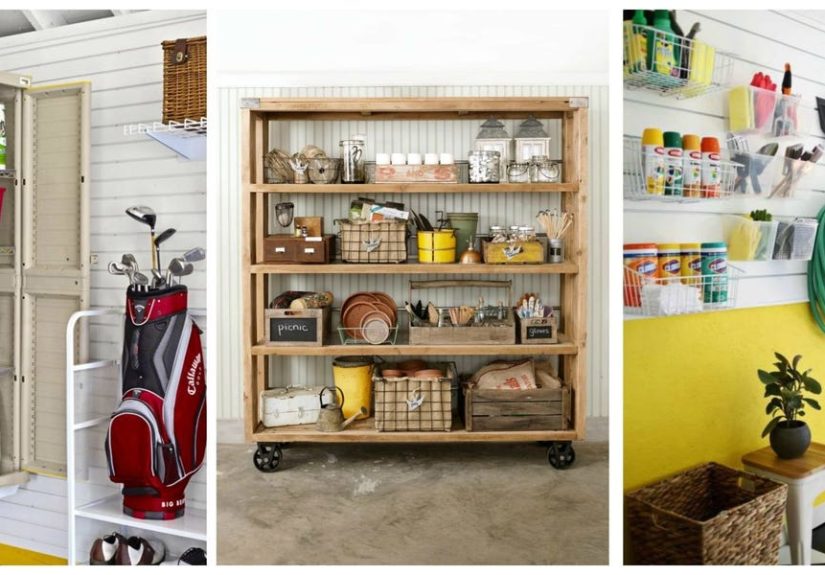
- 2. Go Vertical With Wall-Mounted Storage
- 3. Install Ceiling Racks for Seasonal Storage
- 4. Use Clear, Labeled Bins Instead of Mystery Boxes
- 5. Add Open Shelving for Everyday Grab-and-Go Items
- 6. Hide Ugly Clutter Behind Cabinets
- 7. Create a Dedicated Sports Equipment Station
- 8. Hang Bikes Instead of Letting Them Eat Floor Space
- 9. Build a Compact Workbench With Storage Below
- 10. Use Magnetic Strips and Small-Parts Organizers
- 11. Turn Awkward Corners Into Storage Gold
- 12. Store Long-Handled Tools on a Rail System
- 13. Add a Rolling Cart for Flexible Storage
- 14. Schedule a Quick Monthly Reset
- Common Garage Organization Mistakes to Avoid
- Real-Life Experiences With Garage Organization
- Conclusion
If your garage currently looks like a yard sale had a baby with a hardware store, take heart: you are not alone. For many homeowners, the garage becomes the default landing zone for everything that does not have a proper home. Sports gear gets tossed in one corner, paint cans huddle in another, extension cords turn into spaghetti, and somehow the car ends up living outside like it has offended the family. The good news is that a smarter setup can completely change how this space works.
The best garage organization ideas are not about buying every shiny bin on the internet and hoping for a miracle. They are about creating a system that makes daily life easier. A well-organized garage can save time, reduce stress, protect your tools and seasonal items, and even free up enough floor space to park a vehicle again. What a concept.
In this guide, you will find 14 genius garage organization ideas that blend practicality with real-life usability. These tips are designed to help you maximize vertical storage, improve accessibility, and create a garage that feels less like chaos headquarters and more like a functional extension of your home.
Why Garage Organization Matters More Than You Think
A garage is rarely just a place for cars. It often doubles as a tool shed, mudroom, sports locker, gardening station, storage room, and weekend workshop. That is exactly why it gets messy so fast. When one space tries to do five jobs without a system, clutter wins every time.
Good garage storage ideas work because they assign a purpose to every square foot. Instead of tossing items wherever there is room, you create zones, use wall-mounted storage, add shelving, and store things according to how often they are used. That simple shift can make the room safer, cleaner, and much easier to maintain.
Before You Start: Declutter First, Shop Later
Before installing hooks, cabinets, racks, or a single heroic shelf, take everything out and sort it. Yes, everything. This is the least glamorous part of the process, but it is also the most important. Separate items into categories such as keep, donate, recycle, toss, and relocate. If you have not used something in years and it is not seasonal, sentimental, or truly useful, it may be time to let it go.
Once you know what is actually staying in the garage, you can plan smarter storage. Otherwise, you are just organizing clutter with better packaging.
14 Genius Garage Organization Ideas
1. Divide Your Garage Into Clear Zones
One of the smartest garage organization ideas is also the simplest: create zones. Group similar items together so everything has a logical home. Set up separate areas for gardening tools, car-care supplies, sports equipment, hardware, seasonal decorations, and household overflow. When each category lives in one dedicated spot, you spend less time searching and less time muttering at inanimate objects.
Think about function, too. Items you use often should live near the door or at arm’s reach. Seasonal décor and backup supplies can go higher up or farther back.
2. Go Vertical With Wall-Mounted Storage
Garage floors fill up fast, so the walls need to do more of the heavy lifting. Wall-mounted storage systems instantly open up valuable square footage. Pegboards, slatwall panels, tool rails, and heavy-duty hooks can hold rakes, shovels, brooms, ladders, folding chairs, and hand tools without turning them into a dangerous pile.
This approach also keeps frequently used items visible. When your hammer, gloves, or leaf blower attachment can be seen at a glance, you are far more likely to put them back where they belong.
3. Install Ceiling Racks for Seasonal Storage
Overhead garage storage is a game changer, especially if you have a smaller garage. The ceiling can store bulky but infrequently used items like holiday decorations, camping bins, luggage, and coolers. If those items only come out a few times a year, they should not be taking up prime real estate on the floor.
Use sturdy overhead racks rated for the proper weight, and always install them according to the manufacturer’s recommendations. Store lightweight, sealed containers overhead rather than anything fragile, hazardous, or needed every week.
4. Use Clear, Labeled Bins Instead of Mystery Boxes
Every organized garage has one secret weapon: clear storage bins with labels. Opaque boxes turn every search into an archaeological dig. Clear bins let you see what is inside immediately, while labels remove the guesswork for everyone in the household.
Use stackable bins for holiday décor, automotive supplies, gardening gear, and hobby items. Keep labels large, simple, and specific. “Tools” is fine, but “painting tools,” “electrical supplies,” and “bike repair” are much better. The less thinking required, the more likely your system will survive real life.
5. Add Open Shelving for Everyday Grab-and-Go Items
Open shelving is ideal for things you need to access often. Think cleaning supplies, potting soil, paper towels, work gloves, and reusable shopping bags. Durable metal or heavy-duty resin shelves are particularly useful in garages because they are easy to clean and can handle fluctuating temperatures better than delicate furniture.
The trick is not to overstuff the shelves. Leave breathing room so items are easy to spot and remove. A crammed shelf looks organized for approximately six minutes.
6. Hide Ugly Clutter Behind Cabinets
Not everything deserves open display. Some items are bulky, unattractive, or safer behind closed doors. Garage cabinets are perfect for power tools, paint supplies, chemicals, automotive fluids, and anything else you do not want gathering dust or staring at you every time the garage door opens.
Cabinets also make the space feel calmer and more polished. If you want the garage to look less like a utility cave and more like a functional workspace, this is one of the best upgrades you can make.
7. Create a Dedicated Sports Equipment Station
Sports gear has a magical ability to multiply overnight. Balls roll away, helmets vanish, and scooters lean against the wall like rebellious teenagers. Give this category its own zone with wire baskets, cubbies, rolling bins, and wall hooks. A sports organizer can keep bats, balls, rackets, and protective gear contained without swallowing the whole garage.
If you have kids, place the most-used items low enough for them to put away themselves. This may not work every time, but it improves your odds considerably.
8. Hang Bikes Instead of Letting Them Eat Floor Space
Bicycles are notorious garage hogs. Hanging them on wall hooks or ceiling-mounted pulley systems instantly clears a surprising amount of room. Vertical bike storage works especially well in narrow garages, while horizontal wall racks are useful if you want easier access.
Whichever method you choose, make sure the hardware is strong enough and placed where bikes will not block doors, walkways, or your ability to avoid tripping over everything on a Monday morning.
9. Build a Compact Workbench With Storage Below
If your garage doubles as a DIY space, a workbench is worth every inch. The smartest version includes storage underneath, whether that means drawers, shelves, or rolling bins. That way the bench does two jobs: it gives you a stable work surface and keeps tools or project materials tucked neatly below.
For smaller garages, consider a fold-down workbench or a narrow wall-mounted bench that can be used when needed and kept out of the way the rest of the time.
10. Use Magnetic Strips and Small-Parts Organizers
Screws, nails, drill bits, zip ties, washers, and tiny hardware pieces love disappearing at the exact moment you need them. Solve that problem with drawer organizers, divided bins, and magnetic strips for metal tools or accessories. These storage solutions make small-item chaos much easier to manage.
This is one of those ideas that feels minor until you realize you no longer have to dig through a coffee can of random hardware like you are trying to win a strange carnival game.
11. Turn Awkward Corners Into Storage Gold
Garage corners often become dead zones where things go to be forgotten. Add corner shelving, tall cabinets, or slim vertical racks to make use of those hard-to-reach spots. Corners are excellent for long-term storage, backup supplies, or tall items that do not fit neatly elsewhere.
When every wall matters, even an awkward corner can earn its keep.
12. Store Long-Handled Tools on a Rail System
Rakes, hoes, shovels, mops, and brooms are much easier to manage when they are upright and grouped together. A rail system with clips or hooks keeps long-handled tools off the floor and prevents that all-too-familiar avalanche every time you move one thing.
Put this storage near the garage entry or garden zone for convenience. It is one of the easiest ways to make the space feel instantly cleaner.
13. Add a Rolling Cart for Flexible Storage
A rolling cart is perfect for items that move around with your tasks. Use one for car-wash supplies, painting tools, gardening gear, or basic household repair essentials. Instead of scattering supplies across the garage, you can wheel everything where you need it, then tuck it away when you are done.
This is especially helpful in multipurpose garages where one area has to serve different functions throughout the week.
14. Schedule a Quick Monthly Reset
Even the best garage storage system will fail if you never maintain it. The solution is not complicated: do a short monthly reset. Spend 15 to 20 minutes putting stray items back, breaking down cardboard, checking donation piles, and tossing anything that no longer belongs.
Think of it as a tiny tune-up instead of a full emergency renovation. Small resets keep the garage from quietly sliding back into chaos.
Common Garage Organization Mistakes to Avoid
- Buying storage before decluttering and measuring
- Keeping frequently used items too high or too far back
- Storing everything in unlabeled cardboard boxes
- Letting the floor become permanent storage space
- Ignoring humidity, heat, and safety when storing sensitive items
- Creating a system so complicated nobody follows it
The best garage storage ideas are the ones your household will actually use. Fancy systems are great, but a simple setup that everyone understands will outperform a Pinterest-perfect plan that falls apart in a week.
Real-Life Experiences With Garage Organization
One of the most interesting things about garage organization is how emotional it can be. That sounds dramatic for a room filled with extension cords and old flower pots, but it is true. Many people do not just store stuff in the garage; they store postponed decisions. Half-finished projects, items saved “just in case,” sports equipment from three life stages ago, mystery hardware, and sentimental things that were moved there temporarily and then quietly adopted by the garage forever. Once you start organizing, you are not just moving objects. You are sorting through habits.
A common experience is discovering that the garage was never actually short on space. It was short on structure. I have seen garages where people thought they needed a shed, a remodel, or a storage unit, when what they really needed was zoning, shelving, and a little honesty about what they used. The moment long-handled tools went onto a wall rail, bikes got lifted off the floor, and holiday bins moved overhead, the room suddenly looked twice as large. Nothing magical happened. The clutter just stopped living at eye level.
Another real-world lesson is that accessibility matters more than perfection. If a bin is too heavy to lift, people will stop using it. If labels are vague, things get tossed in the wrong place. If the sports gear station is too far from the garage door, shoes, balls, and helmets will end up in a heap anyway. The best setups are designed around behavior, not fantasy. A garage should work with your routine, not require a motivational speech every time you put away a screwdriver.
Families often notice the biggest change first. Kids can find their gear. Adults can grab a tool without launching a search party. Seasonal decorating becomes less of an obstacle course. Even basic tasks, like sweeping the floor or taking out recycling, become easier when there is clear space to move. There is also a quiet satisfaction in opening the garage and not feeling personally attacked by visual clutter.
People who maintain organized garages usually share one habit: they do not let randomness settle in. They return items to zones, keep a donation bin handy, and make small adjustments as life changes. That is why the smartest garage organization ideas are flexible. A good system should be able to handle new hobbies, growing kids, changing seasons, and the occasional impulse purchase from the hardware store that definitely seemed essential at the time.
In the end, garage organization is not about creating a showroom. It is about making everyday life smoother. When the garage works, the house works better too.
Conclusion
The most effective garage organization ideas are the ones that combine smart storage with realistic habits. Start by decluttering, then build a system with zones, wall-mounted storage, overhead racks, shelving, cabinets, and labeled bins. Focus on accessibility, not perfection. When every item has a place and your floor is no longer acting like a storage unit, your garage becomes easier to use, easier to clean, and much less likely to become clutter central again.
Whether you start with one pegboard wall or go all in with shelves, hooks, cabinets, and ceiling racks, the key is consistency. A genius garage is not born in a single weekend. It is built from simple solutions that make sense every time you open the door.