Table of Contents >> Show >> Hide
- What Are Purines, and Why Do They Matter?
- Foods High in Purines to Limit First
- Foods People Often Worry About Too Much
- How to Lower Uric Acid Levels Without Making Yourself Miserable
- A Simple Day of Eating for Lower Uric Acid
- Mistakes That Keep Uric Acid High
- What This Change Often Feels Like in Real Life
- Conclusion
If your joints have ever staged a dramatic protest at 2 a.m., there is a decent chance uric acid was somewhere backstage pulling strings. High uric acid levels can contribute to gout, a painful form of arthritis caused by urate crystal buildup in joints. They can also play a role in uric acid kidney stones. And while diet is not the whole story, it absolutely has a speaking part.
The phrase foods high in purines pops up a lot when people start learning about gout or hyperuricemia. Purines are natural compounds found in your body and in many foods. When your body breaks them down, uric acid is produced. Normally, your kidneys filter out most of it. But when your body makes too much, your kidneys remove too little, or both things happen at once, uric acid can start causing trouble.
Here is the good news: lowering uric acid levels does not require a sad, flavorless existence built entirely around iceberg lettuce and regret. The smartest approach is not to fear every purine-containing food on earth. It is to identify the biggest dietary triggers, swap in more gout-friendly choices, stay hydrated, maintain a healthy weight, and know when food changes need backup from medication.
This guide breaks down which foods are highest in purines, which ones are often misunderstood, and what a more realistic, sustainable uric-acid-lowering diet actually looks like in daily life.
What Are Purines, and Why Do They Matter?
Purines are substances your body naturally uses as part of normal cell function. They are not villains in capes. The problem starts when purine breakdown leads to more uric acid than your body can clear efficiently. That excess uric acid may stay dissolved in the blood for a while, but if levels remain high, crystals can form in joints and tissues. That is when the pain, swelling, redness, and “why is my big toe suddenly furious?” part can begin.
Diet is only one factor in the uric acid story. Genetics, kidney function, weight, insulin resistance, certain medications, alcohol intake, sugary drinks, and some medical conditions all matter too. That is why two people can eat the same steak dinner and only one ends up regretting it at sunrise.
Still, food choices matter because some foods are especially likely to raise uric acid or trigger gout flares. Knowing which ones deserve the side-eye can make meal planning much easier.
Foods High in Purines to Limit First
1. Organ Meats
If you are trying to lower uric acid, organ meats are usually the first items to cut back hard on. That includes liver, kidney, sweetbreads, and similar meats. These foods are among the highest in purines, so they are common troublemakers for people with gout or chronically high uric acid.
They also tend to show up in smaller amounts than people realize, such as in pâté, mixed meat dishes, or specialty menus. Translation: the “I only had a little” defense does not always hold up well here.
2. Red Meat and Processed Meat
Beef, lamb, pork, venison, bison, and many processed meats are higher in purines than most people need if they are actively trying to reduce uric acid. They are not always a complete never-again food, but portion size and frequency matter a lot.
A burger once in a while is very different from building every lunch and dinner around a mountain of meat. If your typical plate looks like a steakhouse menu that got carried away, lowering uric acid may start with shrinking the animal-protein center of gravity.
3. Certain Seafood
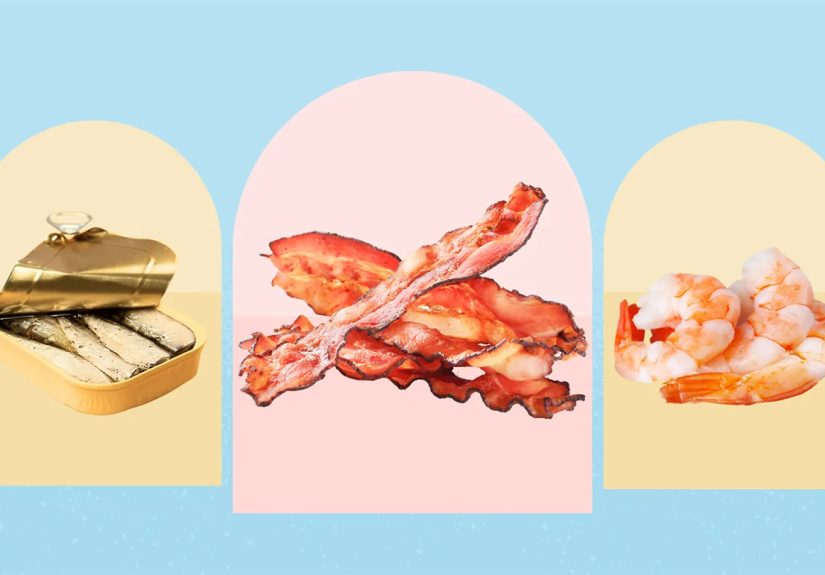
Seafood is where things get a little more nuanced. Some fish and shellfish are notably high in purines, especially anchovies, sardines, mussels, scallops, trout, tuna, cod, shrimp, and certain shellfish. That does not mean every bite of seafood is banned forever, but frequent servings of the highest-purine choices may keep uric acid moving in the wrong direction.
If seafood is a regular part of your diet, it may help to choose smaller portions and rotate in lower-purine protein sources more often. For many people, the goal is not zero seafood. It is less “daily shellfish festival,” more “thoughtful moderation.”
4. Alcohol, Especially Beer and Spirits
Alcohol is a classic gout trigger for a reason. Beer is especially notorious because it can contribute both purines and dehydration, which is a particularly rude double act. Distilled liquor can also increase gout risk and flare frequency. Wine may be less strongly linked than beer in some discussions, but alcohol overall is not exactly uric acid’s natural enemy.
If you are in the middle of a gout flare, alcohol is generally a terrible guest to invite to the party. Between flares, less is usually better, and for some people, avoiding it entirely makes the biggest difference.
5. Sugary Drinks and Foods With High-Fructose Corn Syrup
Not all uric acid problems come from meat and seafood. Sugar-sweetened drinks, especially soda and beverages sweetened with high-fructose corn syrup, can also raise uric acid levels. They often slip under the radar because they do not sound “meaty,” but metabolically, they can be highly unhelpful.
This is why someone can proudly skip liver and anchovies but still sabotage progress with a daily stream of soda, sweet tea, energy drinks, fruit punch, or dessert-like coffee beverages. Uric acid does not care that the problem came in a cute bottle.
6. Meat-Based Gravies, Broths, and Rich Extracts
These are easy to forget, but concentrated meat gravies, rich broths, and certain meat extracts can also be high in purines. So yes, the sauce can sometimes be part of the plot twist. If you are trying to lower uric acid, pay attention to what is poured over the food, not just the food itself.
Foods People Often Worry About Too Much
High-Purine Vegetables Are Not the Main Problem
One of the biggest misconceptions in gout nutrition is that asparagus, spinach, mushrooms, cauliflower, peas, and similar vegetables need to be treated like culinary criminals. Current guidance is much more reassuring. Vegetables that contain purines do not appear to increase gout risk the same way high-purine animal foods do.
That means most people do not need to panic over spinach in an omelet or asparagus at dinner. If your doctor has given you a very specific individualized plan, follow that. But for most readers, vegetables are still your friends.
Beans, Lentils, and Soy Are Usually Fine in a Balanced Diet
Some older food lists lump dried beans, peas, lentils, and soy into the “be careful” column because they contain purines. But more recent guidance puts much more emphasis on animal sources of purines. Plant sources such as legumes and soy have not been shown to raise gout risk in the same way red meat, processed meat, shellfish, and alcohol do.
That is helpful because beans, lentils, tofu, edamame, and soy foods can make great alternatives when you are cutting back on meat. They also bring fiber, vitamins, and satiety to the table, which your future self will likely appreciate.
Whole Fruit Is Not the Same as Soda
Fructose is linked with higher uric acid, but the story is not as simple as “fruit is bad.” Whole fruit comes packaged with fiber, water, and nutrients. Sugary drinks and heavily sweetened foods are a much bigger issue than a bowl of berries or an orange.
Juice deserves a little more caution because it is easier to overconsume and lacks the fiber of whole fruit. In other words, chewing an apple and drinking a giant fruit punch are not nutritionally interchangeable, no matter what the label wants you to believe.
How to Lower Uric Acid Levels Without Making Yourself Miserable
Make Water Your Default Drink
Hydration matters because concentrated urine and dehydration can make uric acid problems worse. Drinking enough water helps your body clear waste more efficiently and may lower the chance of crystal formation, especially if you are also prone to uric acid kidney stones.
You do not need to turn hydration into a full-time job, but you do want steady intake throughout the day. A practical strategy is to keep water visible and easy to grab. People are much more likely to drink it when it is already there and not hidden behind three mysterious leftovers and a jar of pickles.
Choose Low-Fat Dairy More Often
Low-fat or fat-free milk, yogurt, and similar dairy foods are consistently associated with a more favorable gout pattern. They may help the body excrete uric acid more effectively, and they are often recommended as a smart protein option for people trying to reduce flares or lower uric acid levels.
Plain yogurt, kefir, skim or low-fat milk, and modest portions of lower-fat cheese can fit nicely into a gout-friendly eating pattern. Sweetened dairy desserts are a different story, because added sugar can undo part of the benefit.
Shift Toward a Plant-Forward Pattern
The overall eating pattern matters more than obsessing over one ingredient. Diets modeled after DASH or the Mediterranean diet tend to work well because they emphasize fruits, vegetables, whole grains, beans, nuts, olive oil, and modest portions of leaner proteins. They also naturally reduce heavy reliance on red meat, processed foods, and sugary drinks.
This matters for more than gout alone. Many people with high uric acid also have high blood pressure, larger body size, insulin resistance, kidney concerns, or metabolic syndrome. A plant-forward diet helps the whole system, not just the angry joint in question.
Lose Weight Gradually, Not Dramatically
If you are carrying extra weight, gradual weight loss can help lower uric acid and reduce gout risk over time. The keyword there is gradual. Crash diets, fasting binges, and extreme high-protein plans can backfire by stressing your metabolism, increasing dehydration risk, or pushing you toward exactly the foods you are trying to moderate.
Slow and steady is not flashy, but it is usually more effective. Your joints are not impressed by detox theatrics.
Keep Animal Protein Modest
You do not necessarily need to become vegetarian overnight. But if your meals revolve around large portions of meat, scaling back can make a real difference. Try using meat as a supporting actor instead of the lead. Build meals around vegetables, grains, beans, tofu, eggs, or low-fat dairy, then add smaller portions of poultry or fish if desired.
This approach often feels much easier than maintaining a strict “forbidden foods” list, and it tends to work better over the long run because it is actually livable.
Use Cherries, Coffee, and Vitamin C With Perspective
You may hear that cherries, cherry juice, coffee, and vitamin C can help with gout. There is some promising evidence that cherries may reduce flare risk in some people, and vitamin C may modestly support lower uric acid levels. Coffee has also been linked to lower gout risk in some research, though findings are not perfectly consistent.
That said, none of these are magic bullets. Think of them as “possibly helpful extras,” not license to wash down a platter of organ meats with cherry juice and call it balance. If you are considering a vitamin C supplement or have kidney disease, check with a clinician first.
Read Labels for Sugar and Sodium
Packaged foods can quietly pile on added sugar and sodium. While sodium is not a purine issue, many high-sodium packaged foods also go hand in hand with processed meats, convenience meals, and generally less helpful dietary patterns. Look for obvious offenders like soda, sweetened teas, flavored coffees, bottled smoothies, dessert yogurts, sauces, and processed snack foods.
Know When Diet Is Not Enough
This is important. Diet can help lower uric acid, but it does not replace medical care for everyone. If you have repeated gout flares, tophi, kidney stones, chronic kidney disease, or persistently high uric acid, lifestyle changes may need to be combined with prescription treatment.
For many people with established gout, clinicians use urate-lowering medicines such as allopurinol or febuxostat and aim for a serum uric acid target below a certain level. So if you are “eating perfectly” and still having flares, that is not a moral failure. It may just mean you need a more complete treatment plan.
A Simple Day of Eating for Lower Uric Acid
Breakfast
Plain Greek yogurt with berries, oats, and chopped walnuts, plus coffee or water.
Lunch
Big salad with mixed greens, cucumbers, tomatoes, chickpeas, olive oil vinaigrette, and whole-grain toast.
Snack
Low-fat cottage cheese with cherries, or an apple with peanut butter.
Dinner
Grilled chicken or tofu, roasted vegetables, brown rice, and sparkling water with lemon.
Dessert
Fresh fruit or unsweetened yogurt instead of a giant sugar bomb pretending to be a “light treat.”
Mistakes That Keep Uric Acid High
- Cutting out vegetables instead of cutting back on red meat, shellfish, beer, and soda.
- Replacing soda with juice and assuming it is automatically harmless.
- Eating “healthy” but still drinking heavily on weekends.
- Doing crash diets or extreme keto-style plans without medical guidance.
- Ignoring hydration.
- Assuming a supplement can fix what a daily diet pattern keeps breaking.
- Waiting too long to talk to a doctor about recurring flares or kidney stone symptoms.
What This Change Often Feels Like in Real Life
Here is the part that does not always make it into neat food charts: changing your diet for high uric acid is often less about one dramatic moment and more about a string of small realizations. First, many people are shocked to learn that the obvious “healthy” moves they made were not the most important ones. They stopped eating spinach, worried about mushrooms, and side-eyed beans, while still drinking soda at lunch and having beer on the weekend. Once they shift their focus to the real heavy hitters, progress tends to make more sense.
Another common experience is discovering that portion size matters almost as much as food choice. Someone may not eat liver or sardines, yet they still build every dinner around a large serving of beef, pork, or shellfish. Reducing the portion does not feel as dramatic as banning the food, but it is often more sustainable. That is one reason many people report better long-term success when they stop thinking in terms of “good foods” and “bad foods” and start thinking in patterns. More water. More low-fat dairy. More plants. Less alcohol. Less soda. Smaller servings of meat. Fewer surprise triggers hiding in sauces, broths, and processed foods.
People also often notice that hydration is boring but effective. Nobody brags online about the thrilling romance of carrying a water bottle, yet it can make a big difference. Many who are prone to gout or uric acid stones say they can feel the consequences of poor hydration quickly, especially after travel, exercise, hot weather, or nights when alcohol is involved. Water does not feel glamorous, but your kidneys are fans.
There is usually an emotional side too. Some people feel frustrated because they make dietary changes and still have symptoms. That can happen. Diet helps, but it is not the only lever. Genetics, kidney handling of uric acid, medications, and metabolic health all matter. For people with repeated flares, the biggest relief sometimes comes not from finding one perfect food list, but from realizing they need both lifestyle changes and medical treatment. Once that clicks, the whole process often feels less like a personal failure and more like actual problem-solving.
Many people also say the best diet for lowering uric acid is the one that still lets them live like a normal human being. That usually means simple breakfasts, repeatable lunches, and dinners that do not require a spreadsheet. Yogurt, fruit, oats, eggs, soups, grain bowls, salads, beans, chicken, tofu, vegetables, rice, and plenty of water are not trendy miracle cures, but they are realistic. And realistic beats dramatic when the goal is long-term control.
In daily life, the biggest win is often not perfection. It is predictability. Fewer sudden flares. Less fear around meals. More confidence at the grocery store. A better sense of what your body tolerates. And maybe, just maybe, a big toe that finally decides to stop acting like it pays rent.
Conclusion
When it comes to foods high in purines, the smartest move is to focus on the major sources that truly matter: organ meats, red and processed meats, certain seafood, alcohol, and sugary drinks. At the same time, build your diet around water, fruits, vegetables, whole grains, low-fat dairy, and plant-forward meals. Do not waste energy fearing every pea or mushroom on your plate.
Most important, remember that lowering uric acid is not just about avoiding one food. It is about creating an overall pattern that helps your body do its job better. For some people, diet changes are enough to improve symptoms. For others, they are one important piece of a broader treatment plan. Either way, the goal is the same: less inflammation, fewer flares, and a much more peaceful relationship with dinner.
Note: This article is for educational purposes only and is not a substitute for personalized medical advice, diagnosis, or treatment. If you have recurring gout flares, kidney stones, kidney disease, or very high uric acid levels, talk with a qualified healthcare professional.