Table of Contents >> Show >> Hide
- Why Old Photographs Feel More Valuable With Time
- The First Photos: Learning to See, Not Just Shoot
- Photographs of People: The Most Honest Kind of Challenge
- Travel Photos: More Than Proof You Went Somewhere
- Nature and Landscape Photos: Waiting for the World to Cooperate
- Everyday Objects: The Beauty Hiding in Plain Sight
- The Role of Light: The Quiet Boss of Photography
- Editing Photos Without Editing the Soul Out of Them
- Why Captions and Organization Matter
- What Photographs Teach About Memory
- How to Build a Meaningful Personal Photo Collection
- Five Types of Photographs Worth Taking Over the Years
- Experiences Related to Photographs I’ve Taken Over The Years
- Conclusion: Photographs Are Small Doors Back Into Life
Some people collect stamps. Some collect sneakers. Some collect suspiciously specific coffee mugs that say things like “World’s Okayest Morning Person.” I collect photographs. Not always perfectly framed photographs, not always technically impressive photographs, and definitely not always photographs that survived my early experiments with “creative angles.” But over the years, my camera roll has become a scrapbook of ordinary miracles: light spilling across a kitchen table, friends laughing before they realized I was taking the shot, clouds behaving like unpaid actors in a dramatic weather documentary.
Photography has a funny way of turning the everyday into evidence. A picture can prove that a tiny moment existed, even if everyone else walked past it while checking notifications or wondering what to eat for dinner. When I look back at photographs I’ve taken over the years, I don’t only see places and faces. I see seasons of my life. I see what I cared about, what I missed, what I was trying to understand, and what I accidentally captured while trying to fix the exposure.
This collection of reflections is not a museum catalog or a technical lecture with a tripod standing stiffly in the corner. It is a look at what photographs can teach us about memory, storytelling, creativity, patience, and the quiet art of paying attention.
Why Old Photographs Feel More Valuable With Time
A photograph is rarely at its most powerful the moment it is taken. At first, it may simply feel useful: proof that you visited a place, attended a birthday, cooked something that looked better than it tasted, or wore an outfit that future-you may choose not to discuss publicly. But as years pass, the photograph changes. The people in it grow older. The room gets remodeled. The street sign disappears. The restaurant closes. Suddenly, a simple image becomes a tiny time machine.
That is the strange magic of personal photography. The value increases not because the image becomes sharper, but because the moment becomes unreachable. A slightly blurry photograph of a family dinner can matter more than a technically flawless sunset, because it holds voices, jokes, and gestures that cannot be staged again. The photograph becomes a container for details memory may forget: the old curtains, the chipped plate, the way someone leaned back while laughing.
The First Photos: Learning to See, Not Just Shoot
When most people begin taking photographs, they think the camera is the main character. Better lens, better phone, better settings, better everything. Equipment matters, of course, but only to a point. The bigger skill is learning to see. A photographer’s eye is not born fully trained; it develops slowly, usually through a long and awkward period of taking too many pictures of sunsets, shoes, pets, food, and mysterious close-ups of leaves.
My early photographs had enthusiasm. They also had problems. Horizons leaned like they had just heard bad news. Shadows swallowed faces. Backgrounds included trash cans that were absolutely not invited. But those imperfect images taught me an important lesson: photography is not only about capturing what is in front of you. It is about deciding what matters inside the frame.
Over time, I began noticing small things before pressing the shutter. Where is the light coming from? What is the subject doing? Does the background help or distract? Is there a cleaner angle? Is the moment stronger if I step back instead of zooming in? These questions sound simple, but they are the difference between taking a picture and making a photograph.
Photographs of People: The Most Honest Kind of Challenge
Taking photographs of people is both rewarding and terrifying. Landscapes do not complain about their chin angle. Buildings do not blink. A sandwich does not ask, “Can you take another one? I looked weird.” People bring personality, emotion, movement, and sometimes mild panic to the frame.
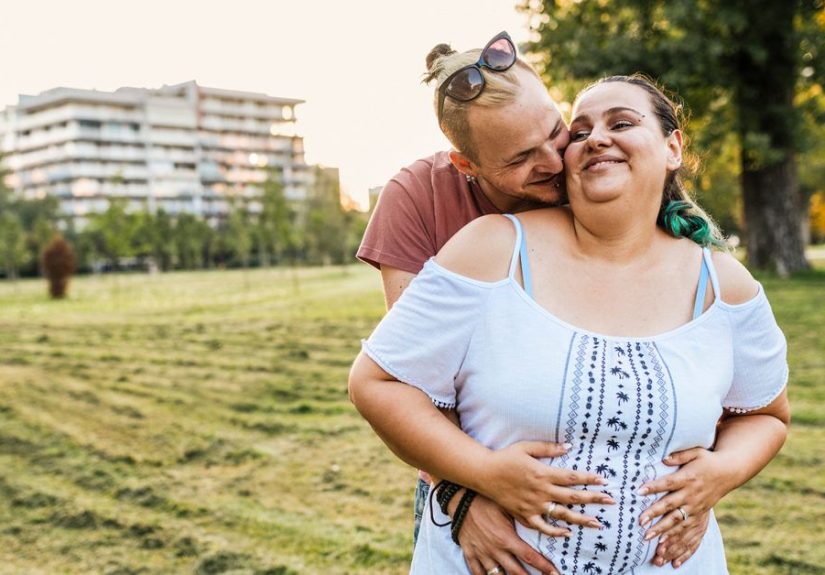
The best portraits I have taken over the years were rarely the stiff ones. They were the in-between moments: someone tying a shoelace before a trip, a friend looking away mid-laugh, a family member concentrating while cooking, a child staring at a birthday cake with the seriousness of a tiny CEO reviewing quarterly frosting reports.
Good people photography depends on trust. A camera can make people self-conscious, so the photographer’s job is not only technical. It is social. You have to make space for people to relax, move, and be themselves. Sometimes that means waiting. Sometimes it means lowering the camera and talking. Sometimes it means accepting that the best photograph happens two seconds after everyone stops posing.
Travel Photos: More Than Proof You Went Somewhere
Travel photography is tempting because everything feels new. Street corners look cinematic. Markets sparkle with color. Even breakfast can seem like it deserves its own press release. But the challenge with travel photos is avoiding the “I stood here” trap. A travel photograph becomes more interesting when it captures a feeling, not just a location.
Over the years, the travel photos I return to are not always the famous landmarks. They are often smaller scenes: a quiet alley after rain, a vendor arranging fruit, laundry moving in the wind, a train window reflecting a tired face, the golden light that appeared for three minutes and made an ordinary wall look like it had hired a lighting designer.
These images remind me that travel is not only about arriving somewhere impressive. It is about noticing how life happens differently from place to place. The best travel photographs do not shout, “Look where I went.” They whisper, “This is what it felt like to be there.”
Nature and Landscape Photos: Waiting for the World to Cooperate
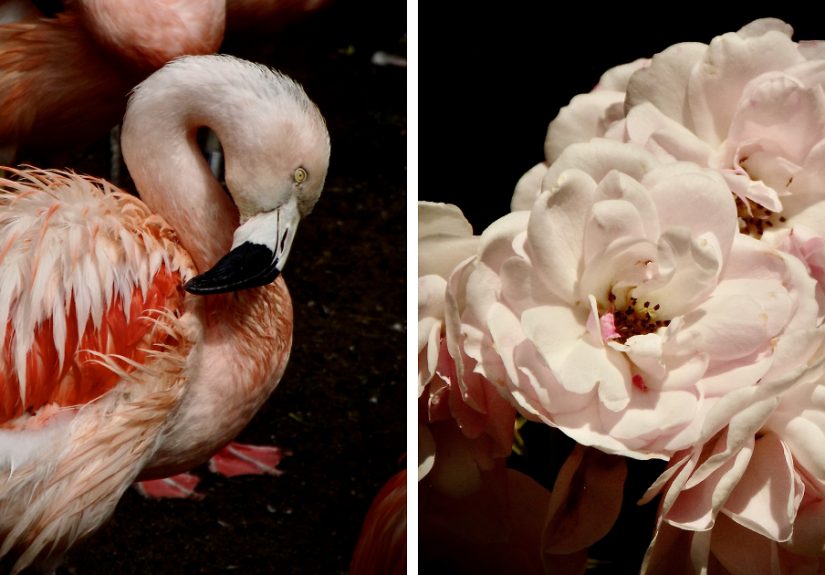
Nature photography teaches humility very quickly. You may have a plan, but clouds have other meetings. Birds do not read your schedule. Flowers bloom when they feel emotionally prepared. The sun, though dependable in theory, often behaves like a celebrity arriving late to its own event.
Still, photographing nature over the years has trained my patience. Landscapes reward waiting. A flat scene can transform when the light changes. A dull sky can become dramatic before a storm. A simple tree can turn sculptural at sunset. The natural world is full of repetition, but no two moments are exactly the same.
Nature photos also remind us to slow down. When you photograph a leaf, a wave, a mountain, or a bird on a fence, you are practicing attention. You are saying, “This deserves a closer look.” In a world built for speed, that is almost rebellious.
Everyday Objects: The Beauty Hiding in Plain Sight
Some of my favorite photographs are not grand at all. They are images of things most people would ignore: a coffee cup near a window, keys on a wooden table, wet pavement reflecting neon, an old chair in afternoon light, books stacked in a way that suggests someone was either studying intensely or losing a battle with gravity.
Everyday photography is powerful because it makes ordinary life visible. A home, a desk, a sidewalk, a bus stop, a grocery bagthese things become part of our personal history. Years later, they may say more about a period of life than a formal portrait ever could.
There is also creative freedom in photographing small things. You can experiment with composition, texture, shadow, color, and mood without needing perfect conditions. A spoon can become abstract. A window can become a frame within a frame. A messy desk can become a still life, assuming you crop out the snack wrappers like a responsible adult.
The Role of Light: The Quiet Boss of Photography
If photography had a manager, it would be light. Light decides mood, shape, contrast, depth, and drama. The same subject can look soft, harsh, mysterious, cheerful, lonely, or cinematic depending on how light touches it.
Morning light often feels fresh and gentle. Midday light can be bright but unforgiving, especially for portraits. Late afternoon light gives everything a warm glow, which is why photographers talk about golden hour like it is a sacred appointment. Window light can make a simple indoor portrait feel intimate. Backlight can turn hair, dust, rain, or smoke into something almost magical.
Learning to read light changed my photographs more than any app, filter, or camera upgrade. Once you start noticing light, the world becomes full of pictures before you even lift the camera.
Editing Photos Without Editing the Soul Out of Them
Editing is where many photographs find their final voice. A careful crop can strengthen a composition. A slight exposure adjustment can rescue detail. A little contrast can bring energy to a flat image. But editing can also go too far. We have all seen photos where the sky looks like it was imported from another planet and everyone’s skin resembles polished furniture.
My rule is simple: edit to reveal, not to disguise. The goal is not to make every image look perfect. The goal is to make the photograph feel closer to what drew you to the moment in the first place. Sometimes that means bright colors. Sometimes it means black and white. Sometimes it means leaving the image slightly imperfect because the imperfection is part of its honesty.
Why Captions and Organization Matter
Taking photographs is only half the story. Keeping them organized is the less glamorous half, the part that does not get enough applause. But years later, organization becomes a gift. A photo without context can become a mystery. Who is in the picture? Where was it taken? What year was it? Why is everyone holding soup?
Captions, dates, folders, tags, and basic metadata help photographs remain meaningful. Even a short note can preserve the story: “First apartment, rainy Sunday, homemade pancakes,” or “Road trip stop, somewhere outside Flagstaff, 2018.” These details may seem small now, but memory is not a perfectly labeled filing cabinet. It is more like a drawer full of cables: useful, but confusing if you wait too long.
Digital photography makes it easy to create thousands of images, but easy is not the same as safe. Backups matter. So does deleting duplicates, saving originals, and organizing images in a way that future-you can understand without needing a detective board and red string.
What Photographs Teach About Memory
Photographs do not replace memory; they shape it. Sometimes they confirm what we remember. Sometimes they challenge it. A picture can show that a room was smaller than we thought, that a person looked happier than we realized, or that a moment we considered ordinary was quietly beautiful.
Looking back through years of photographs is also a lesson in change. Hairstyles evolve, thankfully. Cities shift. Friendships deepen or fade. Homes change color. Pets grow old. Children become taller than everyone expected. The camera records these changes without commentary, which can feel both comforting and emotional.
In that way, photography is not just visual. It is emotional architecture. Each image becomes a small room in the house of memory. Some rooms are bright. Some are dusty. Some are hilarious. Some are tender. Together, they build a life.
How to Build a Meaningful Personal Photo Collection
You do not need to be a professional photographer to build a meaningful photo collection. You need curiosity, consistency, and enough storage space to survive your most enthusiastic shooting days. The point is not to document everything. The point is to document thoughtfully.
Photograph What You Actually Care About
Trends come and go, but personal interest lasts longer. If you love street scenes, photograph street scenes. If your family gatherings matter to you, photograph the cooking, the table, the jokes, the quiet cleanup afterward. If you are drawn to architecture, shadows, pets, plants, weather, or old signs, follow that curiosity. Your best photographs will often come from subjects you keep returning to.
Keep the Imperfect Photos That Still Feel True
Not every meaningful photograph is technically perfect. A photo can be blurry and still priceless. It can be underexposed and still full of feeling. The question is not always, “Is this flawless?” Sometimes the better question is, “Does this image carry something I do not want to lose?”
Create Small Projects
One of the best ways to improve is to create small personal projects. Photograph the same street every month. Capture your morning routine for a week. Document local storefronts, family recipes, neighborhood trees, or the changing light in your room. Projects give your photography direction without turning it into homework wearing a camera strap.
Five Types of Photographs Worth Taking Over the Years
If you are building your own archive, think beyond vacations and special events. Life happens in many categories, and the quiet ones often become the most meaningful later.
1. People You Love in Ordinary Moments
Birthdays and holidays are important, but so are dishwashing conversations, backyard afternoons, reading on the couch, and someone making coffee while half-awake. These photos show relationships as they truly feel.
2. Places Before They Change
Photograph your street, your room, your favorite café, your school, your workplace, or the view from a window. Places change faster than we expect. A casual photo today may become a historical record tomorrow.
3. Personal Milestones
Graduations, moves, first jobs, creative projects, trips, and celebrations deserve a place in your archive. But also photograph the preparation: the packed boxes, the notes, the shoes by the door, the nervous breakfast before a big day.
4. Details That Define a Season of Life
Every stage of life has objects attached to it: a notebook, a camera bag, a favorite jacket, a stack of books, a bicycle, a messy kitchen counter. These details may seem unimportant until they become symbols of who you were then.
5. Mistakes, Experiments, and Almost-Great Shots
Creative growth lives in the almost. Keep some experiments. They show how your eye developed. They also provide excellent evidence that everyone starts somewhere, usually with too much contrast and questionable framing.
Experiences Related to Photographs I’ve Taken Over The Years
When I think about the photographs I’ve taken over the years, I do not imagine one perfect gallery wall. I imagine a long, slightly chaotic conversation with my past. There are photos I took because the moment was beautiful, photos I took because I was bored, photos I took because I was afraid I would forget, and photos I took for no good reason except the light landed nicely on something ordinary. Strangely, the “no good reason” photos often become the ones I appreciate most.
One experience that changed how I take pictures was realizing that memory favors emotion over accuracy. I once looked back at an old set of travel photos and discovered that the pictures I loved were not the ones of major attractions. They were the little scenes around the edges: a half-empty train platform, a meal eaten too late, a friend laughing while holding a map upside down, a street after rain with headlights stretched across the pavement. Those photos brought back the real texture of the trip. They reminded me of tired feet, bad directions, good coffee, and the specific happiness of being somewhere unfamiliar.
Another lesson came from photographing people close to me. At first, I wanted everyone to look their best. Later, I realized “best” does not always mean polished. A person stirring soup, fixing a sleeve, reading a message, or staring out a window can reveal more than a perfect pose. The most meaningful portraits are often patient. They wait for the person to stop performing for the camera and return to being themselves.
I have also learned that photographs become more powerful when they are revisited. An image that seemed average the day it was taken can feel important years later. A photo of an old room may suddenly carry the weight of an entire chapter. A quick snapshot of a pet, a friend, or a family meal may become a favorite simply because the moment cannot be repeated. Time edits photographs in a way no software can.
There is humor in the archive too. I have taken photos that make me wonder what exactly I was trying to accomplish. A blurry ceiling. Twelve nearly identical pictures of lunch. A dramatic shadow that turned out to be my own hand blocking the lens. These mistakes are part of the story. They show that photography is not always elegant. Sometimes it is curiosity with a low battery warning.
Most of all, taking photographs over the years has taught me to pay attention. The camera encourages a slower kind of looking. It asks me to notice shape, light, expression, gesture, and atmosphere. It reminds me that life is not made only of big events. It is made of small scenes that pass quickly unless someone stops to see them. That, more than any technical trick, is the reason I keep taking photographs. They help me remember not just what happened, but how it felt to be there.
Conclusion: Photographs Are Small Doors Back Into Life
The photographs I’ve taken over the years are not just images. They are reminders, records, experiments, jokes, questions, and little doors back into earlier versions of life. Some are beautiful. Some are messy. Some are meaningful only to me. But together, they form a visual diary that keeps growing one frame at a time.
Photography does not require perfection to matter. It requires attention. Whether you are using a professional camera, an old film camera, or the phone in your pocket, the most important tool is still your willingness to notice. Take the picture. Add the caption. Back it up. Print a few. Keep the strange ones. Years from now, you may be grateful for the ordinary moment you almost ignored.