Table of Contents >> Show >> Hide
- The Invisible Weight of Caring for an Aging Parent
- Why Daughters Often Become the Default Caregivers
- When the Brother Gets the Credit
- The Physical Labor No One Talks About
- The Mental Labor Is Often the Heaviest Part
- Sibling Conflict: The Caregiving Issue Hiding in Plain Sight
- Caregiver Burnout Is Not a Character Flaw
- How Families Can Divide Care More Fairly
- What the Caregiving Daughter Needs to Hear
- Experience Section: What This Situation Feels Like in Real Life
- Conclusion
In many families, caregiving does not arrive with a calendar invite, a job description, or a polite little onboarding packet. It simply appears one day, usually wearing the disguise of “Can you just check on Mom?” Then it grows. Suddenly, one daughter is scheduling medical appointments, refilling prescriptions, tracking symptoms, managing bills, cleaning the house, calming anxiety, remembering birthdays, decoding insurance letters, and somehow knowing where the extra compression socks are stored.
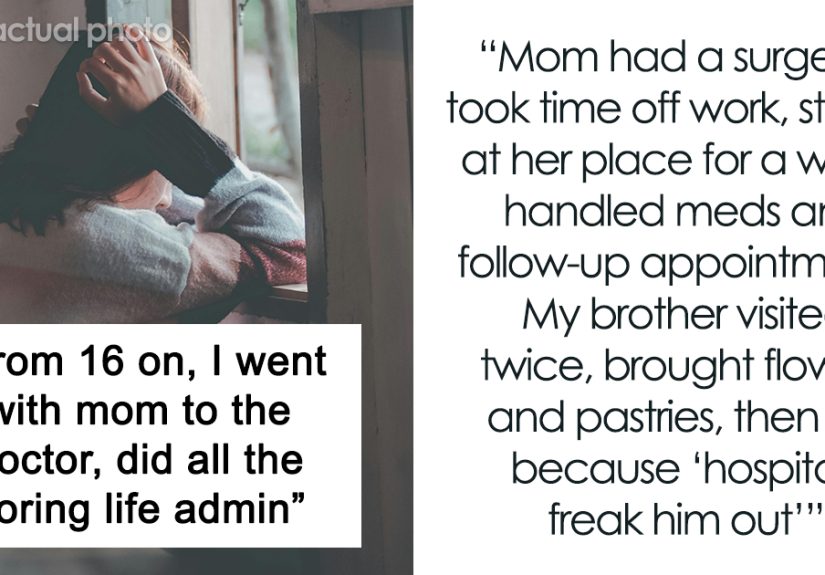
Meanwhile, her brother shows up once, carries a grocery bag into the kitchen, and receives a standing ovation worthy of a Super Bowl halftime show. “What a good son,” relatives say. “He’s so helpful.” The daughter, who has been quietly holding the entire family care system together with caffeine, sticky notes, and emotional superglue, smiles politely while mentally adding “buy more adult briefs” to her invisible to-do list.
This story is not just family drama. It reflects a real and widespread issue: women often carry the majority of physical and mental labor in elder care, while men may receive disproportionate praise for smaller, more visible contributions. The result is resentment, burnout, emotional exhaustion, and a painful sense of being unseen.
The Invisible Weight of Caring for an Aging Parent
Family caregiving is one of the largest unpaid labor systems in the United States. Millions of adults provide regular care for aging parents, spouses, relatives, or friends. This care can include bathing, cooking, transportation, medication management, household chores, emotional support, financial coordination, and medical advocacy.
But caregiving is not only about what the hands do. It is also about what the mind never stops tracking. Did Mom eat enough protein today? Is the cardiology appointment next Tuesday or Thursday? Did the pharmacy refill the new dosage? Is the home health nurse coming before or after lunch? Why is Mom suddenly more confused in the evenings? Should we call the doctor, or is this just a bad day?
This constant planning is known as the mental load. It is the behind-the-scenes labor of anticipating needs before they become emergencies. In caregiving, the mental load can be especially heavy because the stakes feel personal and urgent. Forgetting milk is annoying. Forgetting medication can be dangerous.
Why Daughters Often Become the Default Caregivers
In many families, daughters become the “default setting” for elder care. Not always because they volunteered with jazz hands and a laminated binder, but because everyone assumes they will handle it. They may live closer, be perceived as more nurturing, have more flexible work, or simply be the person who answers the phone.
Gender expectations still shape how families divide care. Women are often expected to notice emotional needs, manage household routines, and provide hands-on support. Men may be encouraged to help with occasional tasks, especially ones that are visible, practical, or easy to praise. The daughter remembers every pill. The son fixes the loose cabinet handle. Guess which one becomes a family legend by dinner?
This imbalance can become even more painful when the caregiving daughter also works, raises children, manages her own household, or deals with health issues. She may be doing three jobs at once: employee, family manager, and unpaid care coordinator. Yet because much of her effort is routine, people stop seeing it as labor. They treat it like personality. “She’s just good at that,” they say, as if competence means exhaustion does not count.
When the Brother Gets the Credit
One of the most frustrating parts of unequal caregiving is the credit gap. A daughter may spend months coordinating care, but when her brother visits for an afternoon, relatives praise him as if he personally invented compassion.
This happens partly because occasional help is more noticeable than daily labor. A brother who appears at a family gathering and lifts Mom’s walker into the car is visible. A daughter who spent the previous week confirming insurance coverage, washing laundry, checking blood pressure, and managing Mom’s mood changes is less visible. Routine work disappears because it has already been absorbed into the family system.
There is also a social double standard. When women provide care, it may be seen as expected. When men provide care, it may be seen as exceptional. The same task receives different applause depending on who performs it. That difference can leave the primary caregiver feeling resentful, guilty for feeling resentful, and then resentful about the guilt. It is an emotional lasagna, and nobody asked for seconds.
The Physical Labor No One Talks About
Caregiving can be physically demanding. Helping an aging parent bathe, dress, stand, walk, transfer from bed to chair, or get into a car requires strength and patience. Even “small” tasks can pile up: carrying groceries, changing sheets, cleaning spills, doing laundry, preparing soft foods, organizing supplies, and making the home safer.
Over time, this physical work can affect the caregiver’s sleep, back, joints, immune system, and energy. Caregivers may skip their own medical appointments because Mom’s appointment feels more urgent. They may eat whatever is fastest because meal planning for themselves feels like one task too many. They may stop exercising, socializing, or resting because the care schedule eats the day one bite at a time.
Physical exhaustion is often misunderstood. Family members may think, “But Mom just needs a little help.” What they do not see is that “a little help” repeated fifteen times a day becomes a lifestyle. It is not one errand. It is a permanent state of readiness.
The Mental Labor Is Often the Heaviest Part
Many caregivers say the emotional and mental work is harder than the physical work. The daughter caring for her mother may become the family’s unofficial nurse, therapist, secretary, financial assistant, and emergency response system. She tracks symptoms, watches for mood changes, researches treatment options, remembers what the doctor said, and explains it to everyone else later.
She may also carry the emotional labor of keeping Mom calm, keeping siblings updated, keeping relatives from panicking, and keeping herself from snapping when someone says, “Let me know if you need anything,” but never actually offers something specific.
Good caregiving requires constant decision-making. Should Mom keep living alone? Is it time for in-home care? Can she still drive? Is memory loss getting worse? Should the family talk about assisted living? These questions are emotionally loaded, and the primary caregiver often feels responsible for making the “right” choice, even when every option is imperfect.
Sibling Conflict: The Caregiving Issue Hiding in Plain Sight
When one adult child does most of the caregiving, sibling tension can build quickly. The primary caregiver may feel abandoned. The less-involved sibling may feel criticized, defensive, or unsure how to help. Parents may unintentionally make things worse by praising the child who visits occasionally while taking the daily caregiver for granted.
Common sibling conflicts include disagreements about money, medical decisions, living arrangements, time commitments, and what “helping” actually means. One sibling may think sending money is enough. Another may feel that emotional presence matters more. One may believe Mom is doing fine. The other may know Mom is not fine because she is the one cleaning up the evidence every Tuesday.
The problem is not always that siblings do not care. Sometimes they do not understand the full scope of care. Sometimes they live far away. Sometimes they are overwhelmed themselves. But intention does not erase impact. If one person is carrying nearly everything, the family system is not balanced.
Caregiver Burnout Is Not a Character Flaw
Burnout happens when ongoing stress overwhelms a person’s ability to recover. For caregivers, burnout may show up as fatigue, irritability, sadness, anxiety, sleep problems, social withdrawal, resentment, or feeling emotionally numb. It can also appear as a short temper, forgetfulness, headaches, or the feeling that every request is one request too many.
Caregiver burnout does not mean the daughter loves her mother less. It means she has been asked to operate like a full-service care facility without staff, funding, paid leave, or a break room with decent snacks. Love can motivate care, but love does not replace sleep, support, or shared responsibility.
One dangerous myth is that a “good daughter” should be endlessly patient and selfless. Real life is more complicated. A devoted caregiver can still feel angry. A loving daughter can still need boundaries. A responsible person can still say, “I cannot do this alone anymore.” In fact, saying that may be the healthiest and most responsible thing she can do.
How Families Can Divide Care More Fairly
1. Make the Invisible Work Visible
The first step is listing everything the primary caregiver does. Not just doctor visits and grocery trips, but phone calls, paperwork, emotional support, medication tracking, meal planning, cleaning, transportation, and crisis management. A shared document or caregiving calendar can help everyone see the real workload.
2. Assign Tasks, Not Vague Intentions
“Help more” is too vague. Families need specific assignments. One sibling can handle pharmacy refills. Another can manage bills. Someone else can take Mom to appointments every other Friday. A long-distance sibling can schedule insurance calls, research services, or pay for respite care if they cannot provide hands-on help.
3. Stop Rewarding Occasional Help Like Heroism
Families should appreciate every contribution, but praise should be proportional. If the son gets applause for visiting once, the daughter deserves recognition for managing the daily reality. Gratitude should not be reserved for the person whose help is rare enough to seem exciting.
4. Hold Regular Family Check-Ins
A short weekly or biweekly call can prevent resentment from boiling over. The primary caregiver can share updates, needs, and upcoming decisions. Siblings can choose tasks before a crisis hits. These meetings do not need to be dramatic. Think less courtroom trial, more project management with feelings.
5. Build in Respite Before Burnout Hits
Respite care gives the primary caregiver time away from caregiving duties. It may come from relatives, friends, paid aides, adult day programs, or community services. Families should not wait until the caregiver is falling apart. Breaks are not luxuries; they are maintenance.
What the Caregiving Daughter Needs to Hear
If you are the woman holding everything together while your brother gets the credit, here is the truth: your labor counts, even when no one claps. The medication chart counts. The quiet drive to the doctor counts. The laundry counts. The patience during the repeated question counts. The nights you worried instead of slept count.
You are allowed to ask for help without presenting a 90-slide courtroom case. You are allowed to be angry that the work is uneven. You are allowed to love your mother and still feel exhausted by caring for her. You are allowed to set boundaries with siblings who confuse “being busy” with being exempt.
Most importantly, you are allowed to stop making unequal care look easy. Sometimes families do not step up because the primary caregiver has become too good at absorbing the pressure. Let the pressure become visible. Share the list. Delegate the task. Say the uncomfortable sentence. “I need you to take over this responsibility starting this week.”
Experience Section: What This Situation Feels Like in Real Life
Imagine a woman named Claire. Her mother, Elaine, is 78 and recovering from a fall. At first, Claire stops by twice a week to help with groceries and laundry. Her brother, Mark, lives 40 minutes away and says, “Just tell me what you need.” Claire appreciates the offer. She believes the family will work together.
Three months later, Claire is doing almost everything. She schedules Elaine’s physical therapy, tracks her medications, orders medical supplies, calls the insurance company, drives her to appointments, and spends Sunday afternoons cooking meals that can be reheated safely. She also works full time and has two teenagers who communicate mostly through laundry piles and refrigerator disappearance acts.
Mark visits once a month. He brings flowers, fixes the TV remote, and posts a sweet photo with their mom online. Relatives comment, “You’re such a wonderful son.” Claire sees the post while sitting in the pharmacy parking lot, waiting for a prescription that was delayed because the doctor’s office sent the wrong form. She is not proud of how mad she feels. But she is mad.
The hardest part is not that Mark does nothing. It is that he does just enough to be praised, but not enough to reduce Claire’s load. When Claire asks him to take Elaine to an appointment, he says work is crazy. When she asks him to call the insurance company, he says he would not know what to ask. When she asks him to stay with Mom for a weekend so Claire can rest, he says, “Let’s see,” which in sibling language often means “I hope this request quietly evaporates.”
Eventually, Claire starts writing down every caregiving task for two weeks. The list shocks even her. There are 63 separate tasks, from medication reminders to checking the shower chair to calming Elaine after a confusing bill arrives. Claire sends the list to Mark and says, “I cannot keep doing this alone. Starting next week, I need you to handle prescription refills, Wednesday dinner delivery, and one Saturday visit every month.”
Mark is defensive at first. He says Claire is better at this stuff. Claire replies, “I became better because I had to do it. You can learn too.” That sentence changes the conversation. Not magically. Not like a movie where everyone hugs and the dishes wash themselves. But it shifts the family from vague sympathy to actual responsibility.
In real caregiving experiences, progress often begins with uncomfortable honesty. The primary caregiver may need to stop protecting everyone from the reality of the work. Siblings may need to accept that love is not measured by intention alone. Parents may need to understand that praising one child while relying heavily on another creates pain. Extended family may need to stop treating the daughter’s labor as background music.
There are also emotional layers that outsiders rarely see. A daughter caring for her mother may be grieving the parent she used to know while caring for the parent in front of her. She may feel guilty for wanting time away. She may miss the version of herself who could make plans without checking someone else’s medication schedule first. She may resent her brother and then feel ashamed because resentment seems incompatible with being “a good person.”
But resentment is often information. It says, “Something is unfair.” It says, “A boundary has been crossed.” It says, “This system cannot continue without damage.” Instead of ignoring resentment, caregivers can use it as a signal to ask for change.
The most healing families are not perfect families. They are families willing to tell the truth, divide the work, and respect the person doing the most. A daughter should not have to become invisible for her mother to be cared for. Her labor should be named, shared, and valued. And if her brother wants credit, wonderful. There is a prescription refill, a grocery run, and a Saturday shift with his name on it.
Conclusion
The story of a woman juggling all the physical and mental labor to care for her mom while her brother gets all the credit is painfully familiar because it reflects a larger caregiving pattern. Women often become the default caregivers, not because their time is less valuable, but because families and society have long treated women’s care work as natural, expected, and endlessly available.
Changing that pattern starts with visibility. Families must recognize the full workload, divide responsibilities clearly, and stop confusing occasional help with equal participation. Caregivers need rest, respect, and practical supportnot just compliments after they are already exhausted.
Caregiving can be an act of love, but love should not require one person to disappear under the weight of everyone else’s comfort. The daughter who remembers every appointment, manages every crisis, and keeps showing up deserves more than quiet appreciation. She deserves backup.
Note: This article is intended for informational and editorial publishing purposes. It is based on current caregiving research, common family-care dynamics, and real-world caregiver experiences, but it does not replace medical, legal, or mental health advice.