Table of Contents >> Show >> Hide
- 1) The controversies that actually changed how stores operate
- 2) When marketing became a cultural lightning rod
- 3) Ethics, sourcing, and the “your supply chain is also your reputation” era
- 4) Geopolitics, boycotts, and the misinformation hurricane
- 5) Product controversies: when the menu becomes the main character
- 6) So why do Starbucks controversies keep happening?
- Conclusion: the brand lesson hidden in the foam
- Real-World Experiences: What These Controversies Feel Like Up Close (About )
- SEO Tags
Starbucks sells coffee, surebut it also sells an idea: the “third place,” that cozy in-between zone where you can exist without having to explain yourself (or your laptop stickers). When you’re that big, you don’t just brew espresso. You brew opinions. And sometimes those opinions boil over.
Over the years, Starbucks controversies have ranged from serious, society-level moments that forced policy changes to internet firestorms sparked by… a cup being too red. Both matter in their own way: one reveals real harm and real accountability; the other reveals how modern culture can argue about a paper cylinder like it’s a constitutional amendment.
Below is a clear, in-depth look at the biggest Starbucks controversieswhat happened, why people got upset, what Starbucks did next, and what it says about doing business in a world where every latte can come with a side of discourse.
1) The controversies that actually changed how stores operate
The Philadelphia arrest incident and the company-wide reckoning
One of the most consequential Starbucks controversies erupted in 2018 after two Black men were arrested at a Philadelphia Starbucks while waiting for a business associate. The situation quickly became a national story, not because Starbucks is the only public place where bias can show up, but because the “third place” brand promise made the moment feel especially jarring.
Starbucks responded with a highly visible move: closing thousands of U.S. stores for an afternoon of racial-bias education. Supporters saw an attempt at accountability; critics questioned whether a single training could fix deeper issues like implicit bias, inconsistent store policies, and the pressures placed on employees to manage safety and customer expectations.
The long-term impact wasn’t just PR. It pushed Starbucks to clarify what “welcome” means in practice, and it became a reference point every time Starbucks tried to balance customer comfort, public safety, and fairness.
The “open-door” policy: a bold promise, a messy reality, and a reversal
After 2018, Starbucks leaned into the idea that anyone could use restrooms and sit in storeseven without buying anything. It was meant to support inclusivity and reduce the chance of discrimination, but it also created real operational stress in some locations: employees had to handle everything from overcrowding to disruptive behavior, often without the authority (or staffing) to manage it well.
By early 2025, Starbucks reversed course in North America, rolling out a “code of conduct” approach that prioritized spaces for customers and set clearer expectations for how stores could be used. That reversal became its own controversy: some people cheered the return to a traditional coffeehouse model; others saw it as a step away from the inclusive “third place” concept.
The deeper issue wasn’t a bathroom rule. It was the collision between a public-facing brand ideal and the day-to-day reality of running a busy retail space with limited staff, limited time, and a very unlimited range of human behavior.
Unionization battles and “labor drama” that stopped being niche
For years, labor conflict lived in the background of big retailuntil Starbucks Workers United made it headline-level. As more stores organized, Starbucks faced allegations of retaliatory discipline, anti-union pressure, and bad-faith bargaining. Starbucks has repeatedly denied wrongdoing and said it respects employees’ right to choose whether to unionize, but the conflict has played out through strikes, complaints, legal rulings, and political attention.
In 2024 and 2025, the dispute became even more publicly legible: high-profile court rulings, mediation efforts, and strikes timed around major promotional moments (because nothing says “we need staffing and stability” like walking out on one of the busiest days of the year). Whether you view unionization as a long-overdue counterweight or an operational headache, it’s one of the biggest Starbucks controversies because it’s about power: who gets to define “good work,” “fair pay,” and “a sustainable shift.”
2) When marketing became a cultural lightning rod
The Starbucks red cup controversy (a.k.a. Cupgate)
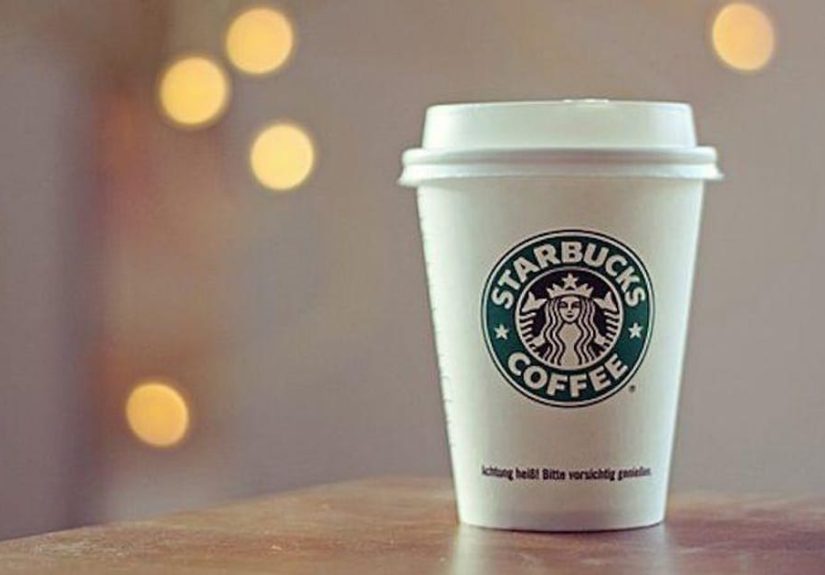
If you ever want proof that modern culture can argue about absolutely anything, look no further than the Starbucks red cup controversy. A minimalist holiday cup design triggered backlash from some who felt the company was downplaying Christmas. Others responded with the obvious counterpoint: “It’s a cup. Please hydrate.”
Starbucks holiday cups have continued to spark debate because they sit at the intersection of branding, tradition, and identity. For Starbucks, holiday cups are marketing. For many customers, they’re seasonal nostalgia. For a subset of the internet, they’re apparently a theological referendum. The lesson here is not “never design a cup.” It’s that symbolic objectsespecially seasonal onescan become emotional screens onto which people project bigger cultural anxieties.
“Race Together”: the campaign that asked customers to talk about race… in line
In 2015, Starbucks launched “Race Together,” encouraging conversations about racial inequality. The most visible executionbaristas writing “Race Together” on cupssparked intense criticism. People questioned whether coffee-counter conversations were the right venue for such a charged topic and whether it put baristas in an unfair position.
Starbucks ultimately dialed back the cup-writing component. The controversy wasn’t only about the idea of discussing race; it was about implementation. Asking underpaid, over-tasked employees to facilitate sensitive dialogue between strangerswhile the espresso machine screams like a jet enginewas always going to be complicated.
Still, it highlighted something important: when brands engage social issues, they get judged not just on intentions, but on execution, power dynamics, and whether their actions match their messaging.
3) Ethics, sourcing, and the “your supply chain is also your reputation” era
The Ethiopia coffee naming and trademark fight
Not all major Starbucks controversies happen inside stores. One of the most discussed sourcing disputes involved Ethiopia and the naming/trademarking of famous coffee designations such as Sidamo, Harar, and Yirgacheffe. Advocacy groups argued Ethiopia should be able to capture more value from coffees tied to its regions and heritage, while Starbucks emphasized its own approach to sourcing and brand practices.
The dispute eventually ended in an agreement that allowed Starbucks to use and promote those designations. Even if you didn’t follow every legal detail, the reputational takeaway was simple: customers increasingly care about who benefits from “premium” products. If a brand profits from origin stories, people will ask whether the origin communities profit too.
Environmental promises vs. the mountain of single-use reality
Starbucks has faced ongoing criticism about wastecups, lids, straws, and the broader footprint of convenience culture. Even when Starbucks introduces changes (like strawless lids or reusable cup programs), the internet often responds with two simultaneous truths:
- “Gooddo more.”
- “Why did it take so long, and why does it still feel so small?”
The brand challenge is that sustainability is not one policy; it’s a system. Customers want cleaner materials, easier reuse, and less wastebut also want drinks in under three minutes with a lid that survives a backpack drop test. The future of this controversy is basically: expectations will keep rising.
Pricing and “small upcharges that feel personal”
Another long-running criticism: price increases and add-on fees, including for certain milk alternatives. Technically, it’s standard retail math. Emotionally, it can feel like, “I’m paying extra to be lactose intolerant?” That friction matters because Starbucks sells affordable luxury. When the “affordable” part starts to wobble, the internet notices.
4) Geopolitics, boycotts, and the misinformation hurricane
In the last few years, Starbucks has been pulled into geopolitical controversyparticularly during the Israel–Gaza conflictthrough boycotts, viral claims, and confusion about what Starbucks does or does not support. Starbucks has stated publicly that it has no political agenda and has addressed misinformation about alleged funding or support for military operations.
This era exposed a brutal reality for global consumer brands: you can become a symbol even when you don’t want to be one. A logo turns into a proxy for anger, grief, activism, or identityoften fueled by screenshots and context-free posts traveling at the speed of outrage.
Complicating matters, Starbucks also entered legal conflict with Workers United after a union-related social media post, with both sides suing each other. That mixed labor conflict with global politics, which is like mixing Mentos and soda: it’s going to erupt, and no one will calmly sip it.
5) Product controversies: when the menu becomes the main character
Oleato (olive oil coffee): the experiment that became a punchline
Starbucks has always experimented with drinks that sound like they were invented during a dare. But the Oleato linecoffee with olive oilsparked a wave of jokes and complaints, including reports of digestive discomfort from some customers and baristas. Whether it was truly widespread or simply loud online, the perception stuck, and perception is half the battlefield.
When Starbucks later streamlined parts of its menu, many people treated Oleato’s exit like a collective exhale. The broader lesson: novelty sells, but only if it tastes good and behaves responsibly inside the human body.
“Secret menu” culture and sugar debates
Starbucks also gets heat for ultra-sweet, highly customized drinks that blow up on social media. Some of that criticism is about nutrition and marketing to younger audiences; some is about the strain on baristas making drinks with a paragraph-long sticker.
The company didn’t invent “viral thirst traps,” but it benefits from themso it also inherits the debate about health, customization culture, and the labor behind your 14-step caramel-whatever-with-foam.
6) So why do Starbucks controversies keep happening?
Starbucks is big enough that it functions like a mirror: people look at it and see what they already feel about work, class, culture, politics, and corporate power. That’s why controversies often fall into two categories:
- Structural controversies (labor rights, discrimination, safety, sourcing ethics)where outcomes affect real lives and real livelihoods.
- Symbolic controversies (cups, slogans, seasonal branding)where the fight is less about Starbucks and more about identity and culture.
Starbucks often tries to be more than a coffee company, which is admirable and risky at the same time. When you position yourself as a community hub, you’re also volunteering to host the community’s arguments. And the community… has a lot of opinions.
Conclusion: the brand lesson hidden in the foam
The biggest Starbucks controversies aren’t just “bad press moments.” They’re signals. They show what customers expect from modern companies: fairness in stores, dignity at work, transparency in sourcing, and authenticity when speaking on social issues. Starbucks has made changes in response to public pressure (sometimes quickly, sometimes unevenly), and it will likely keep doing so because the spotlight isn’t going anywhere.
If there’s one takeaway, it’s this: in 2026, a global brand doesn’t just manage productsit manages trust. And trust isn’t built by saying the perfect thing. It’s built by doing the hard, consistent, unglamorous things… even when the internet is yelling about a cup.
Real-World Experiences: What These Controversies Feel Like Up Close (About )
If you’ve ever stood in a Starbucks line long enough to memorize the pastry case by heart, you already know the brand’s real power: it’s not just caffeine, it’s routine. That’s why controversies hit differently here than they might for, say, a company that sells industrial bolts. Starbucks lives inside people’s habitsmorning commutes, study sessions, first dates, breakup debriefs, road trips where “bathroom” is the most urgent word in the English language.
From a customer perspective, the whiplash is part of the experience. One week you’re debating whether the holiday cup is festive enough, and the next you’re reading about a policy change that affects who gets to sit in the café at all. It can feel strange when a place you associate with comfort becomes a headline. You start noticing details you didn’t before: signs on doors, new rules posted near the register, the way employees handle a tense interaction, the difference between a store that feels calm and one that feels like it’s running on pure adrenaline.
For baristas, many controversies don’t arrive as “news.” They arrive as an extra layer on an already complicated shift. Holiday marketing storms can mean longer lines, higher expectations, and customers who treat a limited-edition cup like it’s a ticket to a sold-out concert. A viral “secret menu” drink can mean a sudden flood of complicated orderssometimes with customers insisting, “But TikTok said you have it,” as if TikTok is a legally binding menu board.
Then there are the heavier moments. When a controversy involves discrimination, safety, or workplace conflict, the emotional temperature changes. Customers may feel disappointed or cautious. Employees may feel scrutinized, stressed, or pulled between conflicting demands: “Make everyone feel welcome,” but also “keep the store safe,” but also “don’t slow down the drive-thru,” but also “enforce the policy,” but also “be the friendly neighborhood coffee person.” That’s a lot to fit on a name tag.
In many communities, Starbucks is one of the few places where people can sit without being rushedso when rules change (like requiring a purchase to stay), people feel it immediately. Some experience relief: fewer disruptions, more seats, a calmer café. Others experience loss: a public space shrinking, another reminder that comfort can be paywalled. The same policy can feel like “finally” to one person and “not again” to another.
The most honest way to describe these experiences is that Starbucks controversies often reveal what the brand has always been: not just coffee, but a small stage where modern life plays outwork, class, community, culture, and conflict. The drink is just the prop. The story is the part people remember.