Table of Contents >> Show >> Hide
- How We Judged “Best” (Without Falling for Hype)
- The Winners: Best Cordless Drills (By Category)
- Best Overall (Power + Control + Proven Testing): Milwaukee M18 FUEL 2904-20
- Best for Maximum Performance (Pros Who Push Tools Hard): DeWalt 20V MAX XR DCD1007
- Best Value Winner (Bang-for-Buck That Still Feels Legit): Skil PWRCORE 20 Drill/Driver Kit
- Best “Most People Actually Need This” Durable Pick: DeWalt 20V MAX DCD771C2
- Best Compact 12V (Lightweight Without Feeling Toy-Like): DeWalt 12V MAX DCD701F2
- Best “Swiss Army Drill” (Modular Versatility): DeWalt Xtreme 12V 5-in-1
- Best Ergonomics + Everyday Handling: Bosch 18V (Compact Hammer Drill/Driver Class)
- Best Budget-Friendly “It’s Still a Real Drill”: BLACK+DECKER 20V MAX (LDX120C-style Class)
- Quick Buying Guide: How to Pick the Right Winner for You
- Common Projects: Matching a Winner to a Real Task
- FAQs (Because Everyone Asks These)
- Conclusion: The Real “Best Cordless Drill” Is the One You’ll Use
- Real-World Drill Experiences ( of “What It’s Like”)
Shopping for a cordless drill is a little like picking a pizza topping: everyone has strong opinions, and someone will inevitably insist you’re doing it wrong.
So we built a “no-drama” scoreboard for what actually matterspower, control, comfort, battery life, and valuethen cross-checked it against the most
reputable hands-on testing and lab data we could find from U.S.-based reviewers and consumer organizations.
The result: a list of true standoutsdrills that consistently rise to the top across real tests, not just marketing adjectives like “EXTREME TURBO MAX PRO+.”
Below are the winners of our best cordless drill tests, plus how to pick the right one for your projects (and your wrists).
How We Judged “Best” (Without Falling for Hype)
Instead of treating every drill like it’s auditioning for an action movie, we scored models the way real users experience them:
- Power under load: Can it drill clean holes without stalling or cooking the battery?
- Speed & efficiency: Does it finish jobs quickly, or does it feel like it’s jogging in flip-flops?
- Control: Smooth trigger, predictable clutch, and a gearbox that doesn’t feel like a jar of gravel.
- Ergonomics: Balance, grip comfort, overhead usability, and fatigue over time.
- Build quality: Chuck bite, minimal wobble/runout, and durability cues like metal gear housings.
- Battery ecosystem value: Because the “best drill” is usually the one that shares batteries with the tools you’ll buy next.
The Winners: Best Cordless Drills (By Category)
Best Overall (Power + Control + Proven Testing): Milwaukee M18 FUEL 2904-20
If you want one drill that can handle heavy-duty drilling, demanding driving, and occasional “I didn’t mean to buy a house that needs this much work,”
this is the most consistent all-around winner. Multiple test-focused outlets place it at or near the top for performance, and it has the kind of torque
that makes big bits feel less scary.
- Best for: Homeowners who want pro muscle; serious DIY; remodels; deck work; big hole saws (with the right bit and technique).
- Why it wins: Strong under load, fast enough to feel efficient, and built like it expects rough treatment.
- Heads-up: With great power comes… more weight. Not awful, but noticeable in overhead work.
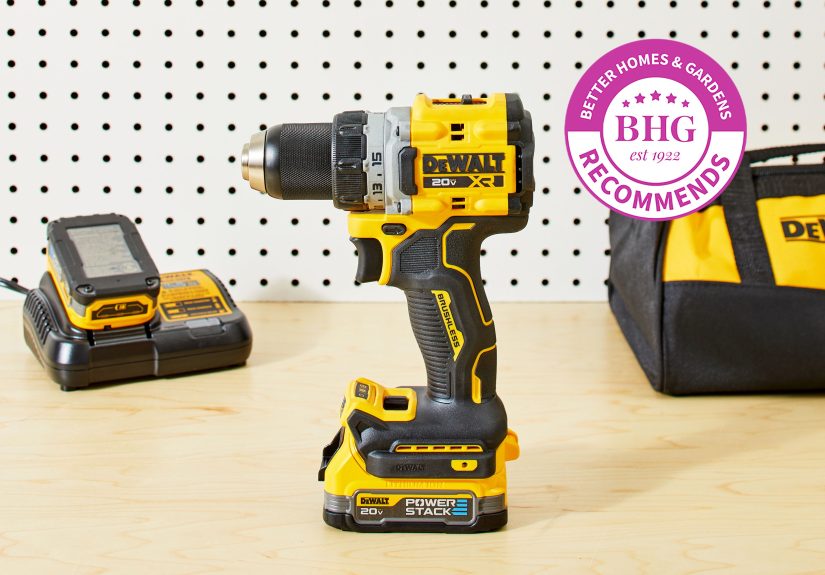
Best for Maximum Performance (Pros Who Push Tools Hard): DeWalt 20V MAX XR DCD1007
Some drills are “nice.” This one is “move, wood.” If you frequently drill large holes, run self-feed bits, or drive big fasteners, the DCD1007 is the kind
of drill that keeps its composure when lesser models start making unhappy noises.
- Best for: Contractors, trades, heavy framing, and anyone who routinely uses larger bits.
- Why it wins: Top-tier output and excellent performance in head-to-head pro testing lineups.
- Heads-up: Price and weight trend “pro.” For light DIY, it can be overkill (and over-bicep).
Best Value Winner (Bang-for-Buck That Still Feels Legit): Skil PWRCORE 20 Drill/Driver Kit
You don’t need to spend premium money to get a capable drill for everyday projects. Skil’s PWRCORE line has been repeatedly recognized as a value pick
because it hits the sweet spot: enough power for common tasks, a reasonable kit price, and a user-friendly feel.
- Best for: Apartment setups, starter tool kits, light-to-medium DIY, furniture assembly, basic home repairs.
- Why it wins: Strong value positioning in tested roundupsespecially when bought as a kit with battery and charger.
- Heads-up: It’s not trying to out-muscle high-end pro drills. It’s trying to be smart with your wallet.
Best “Most People Actually Need This” Durable Pick: DeWalt 20V MAX DCD771C2
If you want a straightforward drill/driver that’s widely recommended for general home use, this DeWalt model is frequently singled out for durability and
practical performance. It’s a classic “do the job, don’t complain, live in your garage forever” kind of pick.
- Best for: General DIY, light remodeling, shelving, hanging TVs, weekend projects.
- Why it wins: Solid reputation as a durable, dependable homeowner drill in tested guides.
- Heads-up: Not the newest “peak performance” platformmore of a reliable workhorse than a lab-record-breaker.
Best Compact 12V (Lightweight Without Feeling Toy-Like): DeWalt 12V MAX DCD701F2
Here’s the secret: many people don’t need an 18V/20V drill for daily life. For cabinet hardware, pilot holes, small fasteners, and tight spaces, a quality
12V drill feels like switching from a backpack to a fanny packsuddenly everything is easier and your shoulders stop filing complaints.
- Best for: Tight spaces, overhead work, furniture builds, smaller fasteners, apartment tool kits.
- Why it wins: Frequently praised for ergonomics and performance relative to its size.
- Heads-up: It’s compact, not magical. Large hole saws and aggressive masonry are not its love language.
Best “Swiss Army Drill” (Modular Versatility): DeWalt Xtreme 12V 5-in-1
A multi-head drill isn’t for everyone, but for the right person it’s a genius moveespecially if you do lots of work in cabinets, closets, or cramped
corners where a full-size drill acts like it’s wearing a winter coat indoors.
- Best for: Built-ins, cabinetry, assembly work, and anyone who hates contortionist drilling.
- Why it wins: Strong results among 12V models in lab-style evaluations; excellent control and utility.
- Heads-up: You’re paying for versatility. If you never use the attachments, a standard drill might be a better deal.
Best Ergonomics + Everyday Handling: Bosch 18V (Compact Hammer Drill/Driver Class)
Bosch tends to nail the “feels right in your hand” categorybalance, grip shape, and control often stand out in testing notes. If you value maneuverability
and usability as much as raw torque, Bosch’s compact 18V class drills are worth serious consideration.
- Best for: Users who prioritize comfort, controlled drilling, and a refined feel.
- Why it wins: Frequently highlighted for size/maneuverability and overall performance in hands-on buyer’s guides.
- Heads-up: Exact model naming varies by kit; compare brushless versions and included batteries before buying.
Best Budget-Friendly “It’s Still a Real Drill”: BLACK+DECKER 20V MAX (LDX120C-style Class)
If your drill jobs are occasionalhanging pictures, assembling furniture, the yearly “why did I buy this shelf?” momentan entry-level 20V MAX drill can be
perfectly reasonable. This category wins on affordability and accessibility, not on brute force.
- Best for: Ultra-light DIY, basic household tasks, small pilot holes, light fastening.
- Why it wins: Commonly recommended as a budget pick in mainstream buyer’s guides.
- Heads-up: Avoid forcing it into heavy-duty work. You’ll shorten tool life and your patience.
Quick Buying Guide: How to Pick the Right Winner for You
1) Drill/Driver vs. Hammer Drill vs. Impact Driver
- Drill/Driver: Best all-purpose tool for holes and light-to-medium driving.
- Hammer Drill: Adds a hammering action for brick and masonry (great if you mount things to concrete or block).
- Impact Driver: Best for driving long screws fast (decks, framing, lag screws). Many people love a combo kit: drill + impact.
If you mostly drive screws, an impact driver often feels easier because it reduces cam-out and strain. If you mostly drill holes, prioritize a drill with a
solid chuck and good speed control.
2) 12V vs. 18V/20V
12V tools are lighter and great for everyday tasks, tight spaces, and overhead work. 18V/20V drills bring more torque and
runtime for bigger bits, denser materials, and heavier projects.
3) Brushless Is Usually Worth It (If You Use It Often)
Brushless motors generally run more efficiently, deliver more usable power, and can improve battery lifeespecially in demanding tasks. If you’ll use your
drill weekly (or you’re building anything that involves the words “ledger board”), brushless is a smart upgrade.
4) Battery Math That Actually Matters
- Voltage: The platform (12V, 18V/20V) sets the general power ceiling.
- Amp-hours (Ah): Runtime. Higher Ah usually means longer run time, but also more weight.
- Platform: The best “deal” is often the one that shares batteries with tools you’ll want next (saw, sander, trimmer, etc.).
5) The Chuck and the Trigger Are the Real Personality Test
Spec sheets are fun, but the chuck determines how well bits stay put, and the trigger determines whether you feel in
controlor like you’re trying to land a helicopter on a trampoline. Look for a secure chuck bite and a smooth variable-speed trigger.
Common Projects: Matching a Winner to a Real Task
Hanging Shelves, Curtain Rods, TV Mounts
A dependable 18V/20V drill/driver like the DeWalt DCD771 class or a compact Bosch 18V is ideal. If you’re drilling into masonry, step up to a hammer drill.
Deck Screws, Framing, Lots of Fasteners
Consider pairing your drill with an impact driver. For the drill itself, a high-performance option like the DeWalt DCD1007 or the Milwaukee M18 FUEL class
will feel confident driving large fasteners and drilling big holes.
Cabinet Work, Closets, Tight-Space Fixes
Go 12V. The DeWalt DCD701F2 and DeWalt’s 12V multi-head system are standouts when maneuverability is the real “power feature.”
FAQs (Because Everyone Asks These)
Is “more torque” always better?
Not always. Too much torque can strip screws and break bits if control is poor. For most home projects, a drill with strong control and a useful clutch
beats a torque monster you can’t tame.
Do I need a hammer drill?
Only if you drill into brick, concrete, or block with any regularity. If you live in an apartment building with concrete wallsor you mount garage gear into
masonryyes, it’s worth it.
Should I buy a kit or tool-only?
If you’re starting from zero, buy a kit. Batteries and chargers are expensive. If you already own the platform, tool-only can be the most cost-effective.
Conclusion: The Real “Best Cordless Drill” Is the One You’ll Use
If you want the safest all-around pick with consistent test wins, the Milwaukee M18 FUEL 2904-20 is a top overall choice.
If you want maximum pro-level output, the DeWalt DCD1007 is a powerhouse.
If you want strong value, Skil PWRCORE kits are compelling.
If you want lightweight comfort, the DeWalt 12V DCD701F2 and the DeWalt Xtreme 12V 5-in-1 make daily jobs feel easier.
And if you want refined handling, Bosch 18V compact options deserve a long look.
Decide what you drill into most often, how long you hold the tool overhead, and whether you’re buying into a battery platform for the long haul. Then pick
the winner that matches your lifenot the one with the loudest box.
Real-World Drill Experiences ( of “What It’s Like”)
Here’s the part nobody tells you when you’re staring at a wall of cordless drills under fluorescent lighting: most drills feel “pretty similar” for the first
five minutes. The differences show up laterwhen your forearm is tired, your pilot holes aren’t perfectly placed, and the project has entered that phase
known as “Why did I start this at 9 p.m.?”
In everyday home use, the biggest quality-of-life upgrade is often weight and balance, not raw torque. A compact 12V drill can feel like a
superpower when you’re installing cabinet pulls or driving screws inside a closet where your elbows have no room to negotiate. You don’t have to fight the
tool; you just point, squeeze, and the job happens. That’s why so many reviewers keep a 12V drill around even when they own bigger, stronger models: the
smaller tool is simply pleasant.
Step up to heavier projectslike building a shed, drilling dozens of holes for a fence, or sinking long screws into pressure-treated lumberand the
experience flips. Now you want a drill that doesn’t slow down when the bit bites. This is where high-end 18V/20V drills earn their keep. The first time you
run a self-feed bit or a larger hole saw with a strong, brushless drill, you’ll notice it doesn’t “bog” as quickly, and it recovers faster when the wood
grain fights back. You also tend to spend less time re-drilling holes because the tool maintained speed and stayed stable.
Comfort matters, too. Over a long day of projects, a great grip and a predictable trigger can feel like a cheat code. You can feather the speed, ease into
the hole, and avoid the “oops” moment where the drill jumps and you invent a new ventilation hole in your drywall. A smoother clutch also helpsespecially
when you’re driving screws into softer materials where stripping is easy. That’s one reason well-designed drills feel “more accurate” even if their max
torque isn’t the highest on paper.
Battery life is another place where reality shows up fast. On small jobs, any battery seems fine. On bigger jobs, the difference between “I have two batteries”
and “I have one battery” becomes painfully obvious. Two batteries let you rotate packs and keep moving; one battery turns your workflow into a charging
schedule. Many experienced DIYers learn this the hard way and then develop a deeply personal relationship with the phrase, “Should’ve bought the kit.”
Finally, there’s the ecosystem effect: once you own a couple batteries, you start buying tool-only options, and suddenly your drill purchase is also a vote
for your future circular saw, sander, and yard tools. That’s not marketing fluffit’s genuine convenience. The best cordless drill experience is the one
where the tool feels right in your hand, the battery is always ready, and your project ends with “nice” instead of “never again.”