Table of Contents >> Show >> Hide
- Why a Rolling Tool Bag Beats a Regular Tool Tote (Most Days)
- How “According to Testing” Should Translate to Your Real Life
- What to Look for in a Rolling Tool Bag
- The Best Rolling Tool Bag Options (Based on Testing + Real-World Specs)
- Best Value for Most DIYers: Kobalt 16-Inch Rolling Tool Bag
- Best “Daily Driver” for Mixed Tool Loads: DEWALT 18-Inch Pro Rolling Tool Bag
- Best for Electricians and Techs Who Love Organization: Klein Tradesman Pro Rolling Tool Bags
- Best Heavy-Duty Hardtop Option: Milwaukee Hardtop Rolling Bag
- Best Open-Tote Convenience: Husky Rolling Open Tote Tool Bag
- Best for Big Loads on a Budget: Husky Pro Grade Rolling Tote Bag
- Best Premium “Treat Yourself” Pick: Pro-Grade Rolling Systems and Modular Storage
- Picking the Right Rolling Tool Bag for Your Trade
- Care and Setup: Make Your Rolling Tool Bag Last Longer
- So, What’s the “Best” Rolling Tool Bag?
- Field Notes: of Real-World Rolling Tool Bag Experience
- SEO Tags
A rolling tool bag is basically the sweet spot between “I’m a serious pro with serious gear” and
“I would like to keep my spine intact, thanks.” If you’ve ever tried to carry a fully loaded tool tote
across a parking lot, up a flight of stairs, and through a jobsite maze of extension cords and leftover
drywall screws (nature’s caltrops), you already understand the appeal: wheels do the work, and your hands
stay free for doors, ladders, coffee, or that one last box of fasteners you absolutely forgot on the first trip.
Bob Vila’s testing-focused approach points to a simple truth: the “best” rolling tool bag isn’t the biggest
or most expensive. It’s the one that matches your load, your terrain, and your work stylewhile still keeping
your tools organized enough that you’re not playing hide-and-seek with a voltage tester at 7 a.m.
Why a Rolling Tool Bag Beats a Regular Tool Tote (Most Days)
Traditional tool bags are great until they’re not. The moment you add a drill, impact driver, batteries,
hand tools, and a few “just in case” items (which always become “absolutely necessary” items), your carry bag
turns into a kettlebell with zippers. Rolling tool bags solve the weight problem by shifting the load to wheels
and a telescoping handle, which means you can move more tools with less effort.
They also tend to offer better organization than a basic open tote. Many include exterior pockets for quick-grab
tools, interior dividers for small parts, and structured frames that keep the bag from collapsing into a sad fabric
puddle the second you set it down. In short: less rummaging, more working, fewer muttered words you don’t want
repeated by a nearby apprentice.
How “According to Testing” Should Translate to Your Real Life
When you read “tested,” you want more than marketing promises. Practical testing usually reveals the stuff
you only learn after a week of use: whether the handle wobbles under load, if the wheels catch on thresholds,
how easily pockets tear when you shove pliers into them one-handed, and whether the bag tips over when it’s packed
top-heavy (because it will be packed top-heavybe honest).
Bob Vila’s rolling tool bag coverage highlights this hands-on reality: a bag can look perfect online, but
jobsite movement is a different sport. The best rolling tool bags combine durable fabric, reinforced bases,
usable pockets, stable wheels, and handles that don’t feel like they were designed as a prank.
What to Look for in a Rolling Tool Bag
1) Wheel size and “terrain honesty”
Bigger wheels typically roll better over rough ground, cracked sidewalks, and jobsite debris. If you mostly travel
smooth indoor floors, smaller wheels can work fine. But if you’re crossing gravel lots, uneven pavement, or framing-site
chaos, prioritize more robust wheels and better clearance.
2) Handle strength and comfort
A telescoping handle is only helpful if it locks solidly and doesn’t flex like a fishing rod when the bag is loaded.
Also consider grip shape and height. Too short and you’ll hunch. Too tall and you’ll feel like you’re walking a very
expensive, very stubborn suitcase.
3) Capacity: weight rating matters more than size
Big bags encourage big loads, and big loads destroy weak seams. Look for stated load ratings where available, and
pay attention to how the bag supports weightreinforced frames, stiff bases, and sturdy axles are your friends.
4) Pocket layout you’ll actually use
Twenty pockets sounds amazing until they’re all the wrong size. The best layouts balance:
- Exterior pockets for quick access (tape measure, markers, drivers, pliers).
- Interior pockets/loops for organization (screwdrivers, testers, small hand tools).
- A roomy main compartment for drills, chargers, and bulky items.
5) Base protection and stability
A molded or reinforced base helps keep the bag upright, protects tools from moisture, and reduces wear. Open-tote
rolling bags are convenient, but you’ll want a sturdy bottom and a wide stance so the bag doesn’t topple when you
hit a threshold or yank the handle too enthusiastically.
6) Jobsite-friendly extras
Hard tops for stacking, water resistance, high-visibility interiors, strong zippers, metal latches, and outside
D-rings for add-ons can all matterespecially if you’re moving between locations or stacking gear in a truck.
The Best Rolling Tool Bag Options (Based on Testing + Real-World Specs)
Below are standout rolling tool bag styles and models that consistently show up in hands-on testing roundups
and reputable tool publications, plus manufacturer and retailer specs. Think of this as your “shortlist” menu:
pick the one that fits your trade, loadout, and commute-to-jobsite reality.
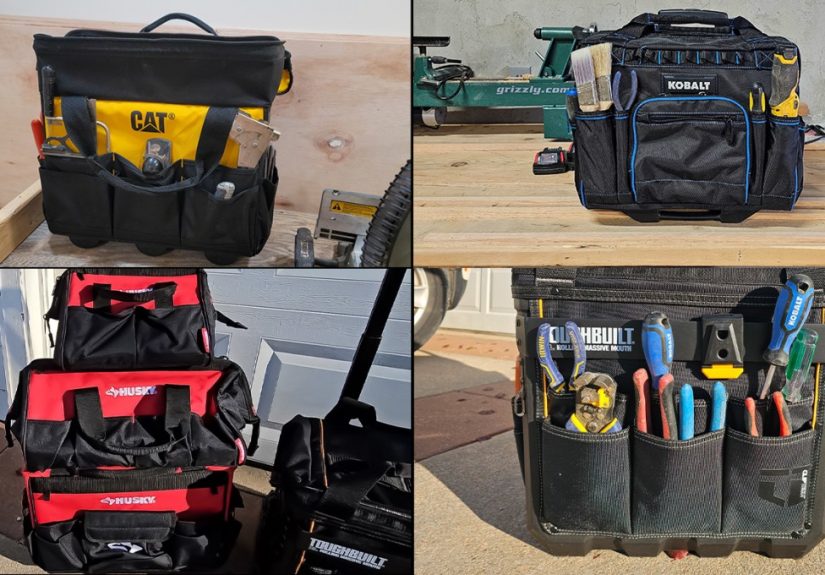
Best Value for Most DIYers: Kobalt 16-Inch Rolling Tool Bag
If your priority is solid performance without paying “professional premium pricing,” Kobalt’s 16-inch rolling tool bag
is often singled out as a smart value pick. It’s designed around practical organizationmultiple exterior pockets
and an interior storage layout that suits a mixed set of hand tools and smaller power tools.
Why it works: it hits the sweet spot of manageable size, useful pocket count, and jobsite-friendly rolling convenience.
It’s also a strong choice if you want a rolling tool organizer for weekend projects, home maintenance, or a starter kit
that won’t feel like overkill.
Best “Daily Driver” for Mixed Tool Loads: DEWALT 18-Inch Pro Rolling Tool Bag
DEWALT’s Pro Rolling Tool Bag is built for people who want a wheeled tool bag that feels purposeful, not flimsy.
One big advantage is a design that supports real organizationmultiple pockets inside and outplus a load capacity
that fits a practical jobsite set without forcing you to travel with your entire garage.
Look here if: you’re a serious DIYer, maintenance tech, or trade worker who needs a reliable rolling bag that
handles regular movement and doesn’t punish you for bringing batteries, chargers, and hand tools all at once.
Best for Electricians and Techs Who Love Organization: Klein Tradesman Pro Rolling Tool Bags
Klein’s rolling tool bag lineup has become a go-to in the electrical world for a reason: it’s designed around
tool visibility and structured storage. The bright interior on many models helps you actually see what you’re grabbing,
and pocket layouts often match the reality of technician toolsdrivers, testers, pliers, bits, and small accessories.
Two popular styles stand out:
-
Klein Tool Master Rolling Tool Bag (hard top style) for those who want stacking ability and
a more structured, jobsite-ready build. -
Klein Tradesman Pro Organizer Rolling Tool Bag for those who want a roomy interior and a
pocket-heavy setup that supports a “grab-and-go” workflow.
Practical tip: if your tools include sharp-edged items (like some drivers and specialty bits), pay attention to pocket
durability and how you store themorganization is great until something punctures a divider.
Best Heavy-Duty Hardtop Option: Milwaukee Hardtop Rolling Bag
Milwaukee’s hardtop rolling bag is often discussed as a “jobsite suitcase” for tools, especially when you want
a robust lid, rugged wheels, and an extension handle designed for heavy loads and rougher travel.
Choose this style if: you stack gear, work outdoors, or treat your rolling tool bag like a mobile tool station.
The hardtop concept helps protect contents and provides a surface that’s less likely to cave if something lands on it.
Best Open-Tote Convenience: Husky Rolling Open Tote Tool Bag
Open-tote rolling bags are ideal for fast access. If you’re in maintenance, facilities, or you’re doing a project where
you’re constantly grabbing different tools, an open tote can save time. Husky’s rolling open tote format is built around
visibility and convenience: you can see everything and grab it quickly.
Trade-off: open totes don’t protect tools from weather as well as zippered bags. If you work outside or transport in rain,
you’ll need a plan (cover, placement, or a more enclosed model).
Best for Big Loads on a Budget: Husky Pro Grade Rolling Tote Bag
Husky’s larger rolling tote styles are often chosen when you need more room without jumping into premium pricing.
The advantage is capacity: you can carry a lot of tools and still roll them instead of carrying them.
Watch-outs: bigger bags can become “too successful.” If you fill every pocket and the main compartment, the bag can get
heavy and awkward to lift into a vehicle. Wheels help on the ground, but you still have to load and unload it.
Best Premium “Treat Yourself” Pick: Pro-Grade Rolling Systems and Modular Storage
If you’re routinely hauling tool sets across large sites, consider whether a rolling tool bag is enough or if you really
need a modular rolling system (stacking boxes, rolling bases, or jobsite carts). Some tradespeople prefer modular systems
because they can separate electrical, plumbing, fasteners, and specialty tools into dedicated modules.
The main idea: a rolling tool bag is great when you want flexible pockets and quick access; modular systems shine when you
need compartmentalized storage and stacking efficiency.
Picking the Right Rolling Tool Bag for Your Trade
For electricians
Look for structured interiors, lots of pockets, and a design that keeps tools upright and visible. A bright interior helps,
and a hardtop can be useful if you stack gear or set items on top. Prioritize durable pocket material if you carry sharp tools.
For HVAC techs
You’ll often mix hand tools, meters, small diagnostic gear, and sometimes odd-shaped parts. Choose a rolling tool bag with a roomy
main compartment plus exterior pockets for frequently used tools. Stable wheels matter when you’re crossing parking lots and rooftops.
For general contractors and remodelers
You want durability, capacity, and wheels that can handle rough terrain. Consider hardtops for stacking and reinforced bases for wet,
dusty sites. If you carry multiple tool categories, modular storage may be worth considering alongside a rolling bag.
For DIY homeowners
Choose value and usability over maximum capacity. A mid-size rolling tool bag that stays organized will get used more than a giant bag
that’s annoying to store. Also: if it’s too big, you’ll fill it with random stuff, and your “tool bag” will become a rolling junk drawer.
Care and Setup: Make Your Rolling Tool Bag Last Longer
- Don’t overload it just because you can. Wheels move weight; they don’t reduce wear on seams.
- Balance the load. Put heavy items low and centered to prevent tipping.
- Keep sharp tools in sleeves or dedicated pockets. This protects both the bag and your knuckles.
- Clean out debris. Drywall dust and grit can destroy zippers and jam wheel axles over time.
- Check wheels and handle screws occasionally. A five-minute tighten beats a jobsite handle collapse.
So, What’s the “Best” Rolling Tool Bag?
If you want the simplest answer: the best rolling tool bag is the one that matches your tool load and your daily route.
Bob Vila-style testing tends to reward bags that roll smoothly, stay organized, and don’t feel flimsy when packed.
For many people, that means a value-focused mid-size bag (great pocket layout, solid wheels), or a more rugged hardtop option
if you stack gear and abuse your equipment in the real world (aka: the jobsite).
Start by estimating what you carry on a normal daynot your “I might rebuild a spaceship” day. Then choose a rolling tool organizer
that keeps those tools accessible, protected, and easy to move. Your back will thank you. Your future self will thank you. Even your
tape measure will thank you (quietly, from its designated pocket, where it belongs).
Field Notes: of Real-World Rolling Tool Bag Experience
Here’s what tends to happen after the honeymoon phaseonce your rolling tool bag has been dragged across parking lots, bounced over
thresholds, and squeezed into the trunk next to a bucket of “mystery hardware” you swear you’ll sort someday.
First, you discover your route. A rolling tool bag is amazing on long walks, but stairs are the final boss. That’s why the best setups
include strong grab handles (top and side), so you can lift the bag without doing a weird bear hug. This is also when you learn whether
your bag’s handle is truly sturdy or merely optimistic. A good telescoping handle locks confidently and doesn’t sway when you pull a loaded
bag around corners.
Next, you learn the truth about pockets. Exterior pockets feel like a dreamuntil you accidentally turn them into a tool donation program.
On crowded jobsites, tools can slip out if pockets are shallow or loose. Many techs end up using exterior pockets for “low-risk” items
(markers, tape, small drivers) and keeping expensive meters or specialty tools inside a zippered compartment. Interior organization is where
rolling tool bags really earn their keep: when every tool has a consistent home, you stop wasting time digging and you immediately notice if
something is missing.
Wheels become your personality. Small wheels are fine on smooth floors but complain loudly on gravel, cords, and jobsite debris. Larger,
more rugged wheels roll over obstacles with less drama. And you will roll over obstaclesbecause you will not pick up your bag every time you
see a pebble. You’re human, not a forklift.
The bag’s base is the unsung hero. A reinforced or molded base helps in two ways: it protects tools from moisture when you set the bag down,
and it prevents the bag from sagging into an awkward shape that makes every pocket harder to use. If you work in wet conditions, this matters
even morebecause “a little puddle” becomes “why does my bag smell like regret?” faster than you’d think.
Then comes load creep. The rolling tool bag makes it easy to carry more, so you do. Soon you’re hauling a drill, impact, charger, batteries,
hand tools, spare fasteners, a flashlight, and three things you haven’t used since last winter but “might need.” The solution is simple: treat
your rolling tool bag like a curated kit, not a storage unit. Keep your daily essentials in the bag, and store specialty tools separately.
You’ll move faster, stay more organized, and avoid turning your tool bag into a rolling monument to overpacking.
Finally, you realize the best rolling tool bag is the one that fits your workflow. If you do quick service calls, fast access and organization
win. If you’re on large sites, wheel durability and load handling matter most. And if you’re a DIYer, the best bag is the one you’ll actually
usebecause the most advanced tool storage system in the world is useless if it lives in the garage collecting dust like an abandoned gym membership.