Table of Contents >> Show >> Hide
- Why Drawing Cats Is Harder Than It Looks
- Here Are My 14 Drawings Of Cats
- 1. The Windowsill Philosopher
- 2. The Mid-Yawn Drama Queen
- 3. The Loaf With Secrets
- 4. The Full-Speed Hallway Goblin
- 5. The Nap Champion
- 6. The Suspicious Side-Eye Specialist
- 7. The Tiny Hunter in the Living Room Jungle
- 8. The Box Conqueror
- 9. The Rainy-Day Paw Cleaner
- 10. The Fluffed-Up Alarm System
- 11. The Couch Monarch
- 12. The Curtain Climber From Another Dimension
- 13. The Older Cat With Gentleman Energy
- 14. The “I Love You, But Not Right Now” Portrait
- What These Cat Drawings Taught Me
- My Experience Drawing Cats
- Conclusion
There are two kinds of people in this world: people who casually say, “I’ll just draw a cat,” and people who have actually tried to draw a cat and ended up staring into the void after sketching what looks like a suspiciously furry potato. I belong to the second group. Happily.
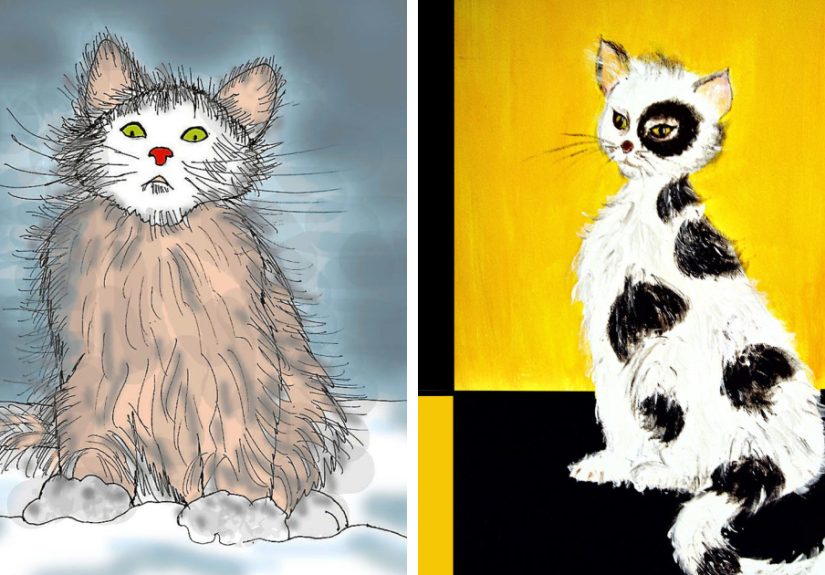
This collection, Here Are My 14 Drawings Of Cats, is part sketchbook confession, part love letter to feline chaos. Cats are elegant for exactly three seconds, and then suddenly they are a liquid comma on a windowsill, a loaf with whiskers, or a tiny tiger who believes your hand is prey. That’s what makes cat drawings so fun. You’re not just drawing an animal. You’re drawing mood, movement, mischief, and the occasional dramatic overreaction to a cucumber-shaped shadow.
As I worked through these sketches, I paid close attention to what makes cats look like cats: upright tails that signal confidence, flattened “airplane ears” that suggest unease, forward-pointing whiskers during play or hunting, tucked tails that hint at fear, and the loose, spring-loaded body posture that can turn into a pounce in half a heartbeat. In other words, drawing cats well is not only about anatomy. It’s about observation. A cat’s face, tail, ears, paws, and posture are basically subtitles for its feelings.
So here they are: 14 cat drawings, each trying to capture a different side of feline life. Some are cute. Some are ridiculous. A few look like they know my secrets. All of them taught me something.
Why Drawing Cats Is Harder Than It Looks
At first glance, cats seem simple to sketch. They have a small head, a flexible spine, pointy ears, whiskers, and a tail that behaves like a highly opinionated punctuation mark. But the challenge is in the details. Cats move with a kind of casual precision that makes bad art decisions painfully obvious. If the eyes sit slightly wrong, the cat looks haunted. If the back curve is off, the cat becomes a beanbag with legs. If the tail lacks intention, the whole drawing loses personality.
What helped me most was learning to see cats as a combination of shapes and signals. The skull can begin as a rounded wedge. The ribcage feels like a soft oval. The spine creates the flow. The ears act like emotional arrows. The tail finishes the sentence. Once I stopped trying to copy every hair and started looking for structure, my cat sketches got stronger and more expressive.
I also realized that cats are masters of contrast. They can look regal one second and completely unhinged the next. That range is gold for artists. A sleeping cat is all curves and softness. A stalking cat is angles, tension, and focus. A startled cat is volume, motion, and comedy. If you want better cat art, pay attention to those transitions.
Here Are My 14 Drawings Of Cats
1. The Windowsill Philosopher
This drawing started with a quiet side profile: a cat sitting tall, tail wrapped close, ears forward, eyes locked on something outside the window that was apparently far more important than rent, taxes, or human schedules. I tried to keep the line work clean and thoughtful. The goal was calm attention. Not boredom. Not sleepiness. That very specific cat expression that says, “I am observing the universe, and you are not part of the meeting.”
2. The Mid-Yawn Drama Queen
I love drawing yawns because they look theatrical even when they’re ordinary. The open mouth, squinting eyes, and splayed whiskers create instant energy. This sketch became less about accuracy and more about timing. Cats can look adorable and alarming at the exact same moment, which is honestly a gift to anyone making funny animal illustrations.
3. The Loaf With Secrets
This was my attempt at the classic loaf pose: paws tucked in, body compact, face alert. It sounds simple, but the proportions matter. Too round, and it looks like bread with ears. Too angular, and the loaf loses its charm. I gave this cat a steady stare and slightly lifted chin so it would feel composed, mysterious, and just a little judgmental.
4. The Full-Speed Hallway Goblin
Every artist should draw at least one zoomies cat. Mine became a blur of stretched limbs, arched back, and determined nonsense. This sketch reminded me that drawing cats in motion is all about gesture. You don’t need every toe pad. You need rhythm. The body should feel like it’s already moving before the viewer has time to think.
5. The Nap Champion
Sleeping cats are basically a masterclass in soft form. This drawing focused on curled shapes: tail around body, nose tucked low, ears relaxed, back rounded like a question mark that finally got tired. I used lighter values and fewer sharp edges because sleep changes the whole mood of a drawing. Even the air around a napping cat feels quieter.
6. The Suspicious Side-Eye Specialist
This one may be the most emotionally accurate piece in the set. Slightly turned head, one ear pivoted back, body still, eyes narrowed. If you have ever opened a bag of treats too slowly, you know this face. I liked how little movement was needed to make the feeling clear. Cats are efficient communicators. One ear can do a lot of heavy lifting.
7. The Tiny Hunter in the Living Room Jungle
For this sketch, I studied the crouch before the pounce: shoulders slightly lifted, head low, eyes wide, whiskers forward, tail active but controlled. This pose says focus. It says strategy. It says your shoelace is living on borrowed time. I exaggerated the tension in the back legs so the whole drawing would feel like a spring being compressed.
8. The Box Conqueror
No series about cats would be complete without a box scene. This drawing was built on pure dignity clashing with cardboard reality. I drew the cat squeezed into a container that was visibly too small, because nothing captures feline confidence like insisting a ridiculous choice is actually excellent. The result is one of my favorite pieces because it balances realism with humor.
9. The Rainy-Day Paw Cleaner
Grooming poses are great for artists because they fold the body into strange, beautiful arrangements. This cat sat with one paw raised, head bent, tongue implied rather than detailed. I wanted the drawing to feel intimate and quiet, like a private routine interrupted only by me staring too hard with a pencil in my hand.
10. The Fluffed-Up Alarm System
This sketch came from observing how cats make themselves look bigger when startled or frightened. Arched back, raised fur, widened eyes, tense legs. It’s a dramatic silhouette, and silhouettes matter in good illustration. Even if you removed every interior detail, the shape alone would tell the story. This was one of the most useful drawings for practicing emotion through posture.
11. The Couch Monarch
Some cats do not sit on furniture. They govern it. This drawing shows one sprawled across a sofa cushion with full ownership energy. Limbs loose, chest open, tail hanging, face half asleep. I focused on confidence here, because relaxed cats often take up space without apology. Frankly, it’s inspiring.
12. The Curtain Climber From Another Dimension
Was this drawing based on a real event? I invoke my right to remain artistically vague. Still, it captures a young cat in full chaos mode: body extended upward, claws engaged, eyes bright, decision-making absent. It became one of the more playful sketches in the collection and a reminder that cats are both elegant predators and tiny agents of disorder.
13. The Older Cat With Gentleman Energy
This piece is softer and more detailed than the others. I spent more time around the eyes, muzzle, and coat texture, trying to show age without making the cat seem frail. There’s a special beauty in senior cats: calmer posture, more measured attention, a face that looks like it has lived through several eras of household nonsense and risen above them.
14. The “I Love You, But Not Right Now” Portrait
The last drawing in the series is my favorite because it feels the most true. The cat is seated near me, not on me. The eyes are soft, but the tail is wrapped in a way that says boundaries remain in effect. One ear turns toward my voice, the other toward the room. It’s affectionate, independent, and very cat. If the whole series has a thesis, this drawing is it: cats are close, but never entirely ours.
What These Cat Drawings Taught Me
The biggest lesson from making these 14 drawings is that good cat illustration begins with respect for how cats actually communicate. Their bodies are never random. A tail straight up often reads as friendly and confident. A tucked tail or crouched body can suggest anxiety. Flattened ears are a warning. Forward ears and whiskers can signal interest, excitement, or hunting focus. Scratching, stalking, pouncing, grooming, hiding, loafing, and stretching are not just cute behaviors for artists to copy. They are part of how cats move through the world.
That matters because viewers can feel when a drawing gets the body language right. Even if they cannot explain it, they recognize authenticity. The cat looks believable. Alive. Present. You don’t need photo-perfect realism to achieve that. You need emotional accuracy. One clean gesture can do more than a thousand fussy lines.
I also learned that humor belongs in animal art. In fact, humor helps. Cats are naturally expressive, and leaning into that makes drawings more memorable. A serious portrait can be beautiful, but a portrait that also captures a cat’s weird little goblin energy? That’s the one people remember, share, and point at while saying, “That is exactly my cat.”
From an SEO standpoint, I suppose I should say this collection celebrates cat drawings, cat sketches, funny cat art, feline illustration, and how to draw cats. But as an artist, I’d put it more simply: drawing cats is one of the best ways to practice observation without getting bored for even a second. Every pose is a new puzzle. Every expression is a tiny story.
My Experience Drawing Cats
When I first started drawing cats, I made the classic beginner mistake: I thought fur was the point. So I chased texture everywhere. I added too many little strokes, too many fussy lines, too much visual noise. The drawings looked busy but not alive. Eventually I realized that a believable cat is built less from fur and more from form, attitude, and timing. The fur is the decoration. The posture is the truth.
That change in perspective made the whole process more enjoyable. I started watching cats differently. Instead of seeing “a cute pet,” I saw design. I noticed how their ears swivel before the rest of the body reacts. I noticed that the tail often tells the story first. I noticed that even a resting cat isn’t truly still; there’s always some subtle intention in the pose. A paw is tucked a certain way. The eyes are half-closed but listening. The whiskers sit differently depending on the mood. Once you see those things, drawing becomes less about copying and more about translating.
I also learned patience, which is funny, because cats are not exactly known for cooperating with portrait sessions. They move when the light is perfect. They sleep when the pose is boring. They contort themselves into impossible shapes right when you look away to sharpen a pencil. More than once, I began a sketch of a sitting cat and ended up finishing from memory because the model had transformed into a blur and sprinted off to attack a dust particle. That sounds frustrating, but honestly, it made me better. Gesture drawing from fleeting poses taught me to capture essence quickly.
There’s also an emotional side to drawing cats that surprised me. Sketching them slowed me down. It made me pay attention to details I might otherwise miss in daily life. The tiny pause before a jump. The dramatic way a cat settles into a patch of sunlight as if personally invited by the universe. The subtle difference between curiosity and annoyance. Spending time with those moments made me appreciate cats more deeply, not just as pets or subjects, but as creatures with strong preferences, clear boundaries, and very particular opinions about everything.
Some of my favorite drawings were not the most polished ones. They were the ones that caught a feeling. A smug look. A sleepy collapse. A tense little crouch before play. Those sketches felt honest. They reminded me that art does not have to be perfect to be effective. It has to notice something real. That is probably the biggest reason I keep coming back to cats as a subject. They are endlessly familiar and endlessly surprising at the same time.
If you’re thinking about making your own set of cat drawings, my advice is simple: start with the big shapes, watch the tail and ears, and do not wait for the “perfect pose.” The perfect pose lasts about half a second anyway. Draw the cat loafing. Draw the cat stretching. Draw the cat glaring at you because you had the audacity to breathe near its favorite chair. Draw the ridiculous, the elegant, and the in-between. Over time, your hand will get quicker, your eye will get sharper, and your drawings will begin to feel less like copies and more like encounters.
And maybe that is why this series means so much to me. These 14 drawings are not just pictures of cats. They are records of attention. They are proof that art gets better when curiosity leads the way. They are also proof that a single animal can look majestic, offended, sleepy, athletic, mysterious, and mildly criminal before lunch. Truly, no artist could ask for more.
Conclusion
Here Are My 14 Drawings Of Cats is ultimately a celebration of feline personality in all its forms: graceful, goofy, intense, sleepy, and gloriously unpredictable. Each sketch pushed me to look closer at posture, body language, and movement, and each one reminded me that the best cat drawings are the ones that feel observed rather than overworked. Cats may be difficult models, but they are unforgettable subjects. If these drawings prove anything, it’s that the more closely you watch a cat, the more art you find.