Table of Contents >> Show >> Hide
- Why the Intel 80286 Mattered
- The Catch: Protected Mode Was a One-Way Door
- LOADALL: The 286’s Famous Hidden Lever
- ICE Mode: Debugging from Inside the Chip
- The Mystery of Opcode 0F 04
- The F1 Prefix and the STOREALL Surprise
- Why STOREALL Was So Strange
- What This Secret Teaches Us About CPU Design
- Specific Examples: From PC/AT Power to Protected-Mode Pain
- Why Retrocomputing Researchers Still Care
- The Human Side of the 286’s Secret
- Experiences Related to “The 286 Gives Up One Of Its Final Secrets”
- Conclusion
- SEO Tags
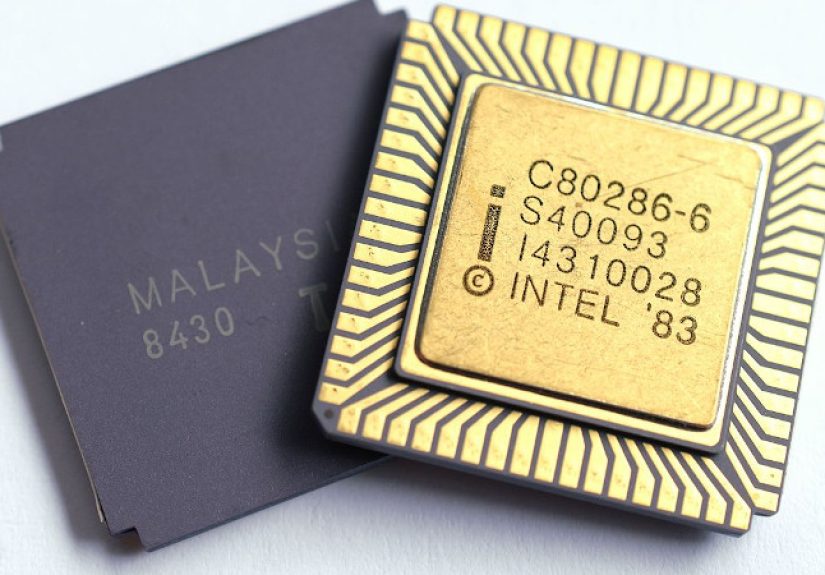
The Intel 80286 has always had a wonderfully awkward place in computer history. It was not the first x86 processor, not the famous 386, not the glamorous chip that brought smooth graphical desktops to the masses, and certainly not the sort of silicon celebrity that gets framed in a museum gift shop. Yet for a few crucial years, the 286 was the business PC’s muscle car: faster, more serious, slightly intimidating, and full of hidden switches you were definitely not supposed to touch.
Released in 1982 and later made famous by the IBM PC/AT, the 286 promised a future where personal computers could break out of the one-megabyte corral, support multitasking operating systems, and behave less like glorified calculators with floppy drives. It introduced protected mode, memory protection, privilege levels, and access to up to 16 MB of physical memory. In early-1980s terms, that was not “more RAM.” That was a private moon base.
But the 286 also had secrets. Some were documented only under nondisclosure agreements. Some were discovered by programmers the way people discover raccoons in the attic: by hearing strange noises and poking around carefully. One of the most famous was LOADALL, an undocumented instruction that could load hidden CPU state. But one of the final mysteries involved something stranger: a combination of opcode 0F 04, the mysterious F1 prefix, ICE mode, and a state-saving instruction later known as STOREALL.
In other words, the 286 did not merely have skeletons in its closet. It had a tiny locked laboratory behind the closet, with Intel engineers whispering, “Please do not open that.” Naturally, retrocomputing researchers opened it.
Why the Intel 80286 Mattered
To understand why this discovery is fascinating, we need to remember what the 286 represented. The original IBM PC and PC/XT were based around the 8088, a cost-conscious sibling of the 8086. Those machines helped launch the personal computer revolution, but their architecture was tied to real mode and a practical memory ceiling of 1 MB. For spreadsheets, word processors, and early DOS games, that was acceptable. For serious multitasking, memory protection, and advanced operating systems, it was like trying to host a wedding reception in a phone booth.
The 80286 changed the rules. It was still a 16-bit x86 processor, but it added a 24-bit address bus, allowing systems to address up to 16 MB of physical memory. It also introduced protected mode, where memory could be divided into segments with access rights and privilege levels. Suddenly, an operating system could theoretically keep one program from scribbling all over another program’s memory like a toddler with a crayon.
The chip became the heart of the IBM PC/AT, released in 1984. That machine helped define the “AT-compatible” standard followed by countless clones. Hard drives, 16-bit expansion slots, faster buses, and more professional workloads made the 286 feel like the PC had put on a tie and started attending quarterly budget meetings.
The Catch: Protected Mode Was a One-Way Door
For all its ambition, the 286 had a problem that became legendary among programmers: switching into protected mode was easy enough, but switching back to real mode was not officially supported in a clean, simple way. On the later 386, software could clear a control bit and return from protected mode more gracefully. On the 286, the usual route back involved resetting the processor.
That sounds ridiculous today, but it made sense in the chip’s original design philosophy. The 286 was expected to boot in real mode, set up the system, enter protected mode, and stay there. Intel imagined a world where new operating systems would embrace the new model. DOS, unfortunately, did not get the memo. DOS software expected real mode, BIOS services expected real mode, and many programs treated memory rules as gentle suggestions.
So developers invented workarounds. Some used the keyboard controller to pulse the CPU reset line. Some used chipset-specific fast reset methods. Some triggered a triple fault so the processor would effectively fall on its own sword and restart into a controlled recovery path. This is the sort of engineering solution that sounds horrifying until you realize it shipped in real products and worked.
LOADALL: The 286’s Famous Hidden Lever
The best-known undocumented 286 instruction is LOADALL, encoded as 0F 05. It allowed software to load a large block of processor state from memory, including internal descriptor-cache values that ordinary programs could not directly access. Those hidden segment details mattered because protected mode depended on descriptors, bases, limits, and access rights.
With LOADALL, clever software could create unusual memory layouts and access extended memory from real mode in ways the official programming model did not advertise. It was not a magic “fix everything” button, and it could not simply return the processor from protected mode to real mode. Still, it became famous among low-level programmers because it revealed something important: the public instruction set was not the whole story.
The 286 had machinery inside it for factory testing, validation, and debugging. Some of that machinery leaked into the world as undocumented instructions. Others stayed obscure for decades, waiting for patient people with old hardware, logic analyzers, disassemblers, and a heroic tolerance for frozen machines.
ICE Mode: Debugging from Inside the Chip
The phrase “ICE mode” does not refer to the processor becoming chilly, although anyone debugging 1980s protected-mode code may have felt their soul cool several degrees. ICE stands for In-Circuit Emulation. In the era before modern on-chip debugging interfaces became common, engineers used expensive hardware tools that could plug into a CPU socket and let them monitor or control what a system was doing in real time.
For the 286, the idea was elegantly strange: use a real 286-like chip to emulate itself, but expose extra debugging functions through special pins and internal microcode. This allowed development systems to inspect the processor’s internal state while the target hardware behaved as though a normal CPU were installed.
Most production 286 chips did not make those hidden ICE signals available at the package pins. The circuitry could exist internally while remaining inaccessible to ordinary users. That is like buying a house and discovering there is a secret elevator in the walls, but the button was never installed. The elevator is technically there. You are still taking the stairs.
The Mystery of Opcode 0F 04
If LOADALL was 0F 05, then what was sitting next door at 0F 04? For years, guesses circulated. Some thought it might be an alias for LOADALL. Others suspected it was related to internal debugging. Experimenters found that executing 0F 04 did not behave like LOADALL. Instead, it tended to lock the processor until reset.
That hang was not random nonsense. It was a clue. If 0F 04 entered ICE mode, the CPU might begin fetching instructions from a special ICE address space. On an ordinary chip, the required external ICE hardware was not present or not connected. So the processor would wait for a response that never came. In practical terms, the chip entered a room with no doors and politely stayed there forever.
This made 0F 04 look useless on normal systems. But useless behavior in vintage hardware often means “you have not found the missing ritual yet.”
The F1 Prefix and the STOREALL Surprise
The next piece of the puzzle was opcode F1. On later x86 processors, F1 is associated with debugging behavior such as ICE breakpoints. On the 286, it appeared to behave like a strange prefix. By itself, it did not seem exciting. Combined with 0F 04, however, it changed the story.
Researchers found that using F1 0F 04 could cause the processor to dump CPU state to memory before locking up. That mattered because it suggested the existence of a counterpart to LOADALL. If LOADALL loaded the complete internal state, then this mysterious behavior looked like it saved the complete internal state. The name that later surfaced in Intel-related documentation was STOREALL.
This was not just another odd opcode for collectors to brag about at vintage computing meetups, although it is excellent material for that. It revealed how the 286’s hidden debug architecture worked. The processor had mechanisms for entering ICE mode, saving user state, accessing memory in special ways, and returning from debugging contexts. These were not intended for ordinary programmers. They were service corridors for Intel’s development tools.
Why STOREALL Was So Strange
STOREALL appears to have been tied to ICE-mode operation rather than normal application use. In the right internal context, it could help save processor state and participate in the process of leaving protected-mode debugging situations. Outside that context, on ordinary hardware, it was temperamental at best and machine-freezing at worst.
The fascinating detail is that STOREALL seems to have acted almost like a reset-style escape mechanism from protected mode within the ICE monitor workflow. The ICE monitor needed to inspect and modify user memory, including memory beyond the first megabyte. That meant it sometimes had to run in protected mode itself. But returning cleanly from that situation required special handling. STOREALL was part of that hidden dance.
This is where the 286 becomes both brilliant and exasperating. Its public architecture made protected mode powerful but awkward. Its private architecture contained tools to manipulate state in ways normal programmers desperately wanted. The good stuff was locked behind engineering-only doors, and the public had to make do with reset tricks, BIOS handshakes, and prayers muttered over beige cases.
What This Secret Teaches Us About CPU Design
The discovery matters because it reminds us that processors are not just instruction tables printed in manuals. A CPU is a manufactured object with test modes, factory hooks, debugging pathways, errata, microcode routines, and legacy decisions buried deep inside. The public programming model is the front lobby. The real building has basements.
Modern chips still contain hidden layers: management engines, debug modes, microcode updates, security fuses, manufacturing tests, and privileged firmware. The 286’s hidden instructions feel charmingly ancient, but the idea is still current. Hardware vendors must test chips, diagnose failures, and support development before products ship. Some of that infrastructure remains invisible to customers, and sometimes researchers later discover traces of it.
The 286 also shows how compatibility can turn elegant design into comedy. Intel wanted a protected, multitasking future. The market wanted DOS compatibility. The chip delivered advanced features, but the software ecosystem pulled it back toward real mode. That tension shaped PC history and helped make the 386 so important. The 386 did not merely add 32-bit registers and a larger address space; it fixed many of the practical headaches that made the 286 feel like a genius who forgot where the exit was.
Specific Examples: From PC/AT Power to Protected-Mode Pain
The IBM PC/AT
The IBM PC/AT gave the 286 its starring role. With a faster processor, hard disk storage, and a more expandable architecture, it became the platform that many businesses saw as a serious upgrade from earlier PCs. The AT name lived on through clone systems and standards that influenced PC hardware for years.
OS/2 and Xenix
Operating systems such as OS/2 and Xenix were natural candidates for using the 286’s protected mode. They wanted memory protection and multitasking. But DOS compatibility remained a giant anchor. Any system that wanted to run the existing universe of DOS programs had to deal with real-mode assumptions, BIOS calls, and software that poked hardware directly like it was trying to win a dare.
Extended Memory Managers
Utilities and memory managers explored ways to use extended memory on 286 machines. Techniques involving protected mode, BIOS services, and undocumented behavior became part of the larger story of squeezing more capability out of hardware that was never quite designed for the messy reality of the PC software market.
Why Retrocomputing Researchers Still Care
At first glance, solving an old 286 opcode mystery may sound like cataloging the favorite socks of a retired accountant. Interesting to someone, perhaps, but not urgent. Yet retrocomputing research is valuable because it preserves engineering knowledge that would otherwise disappear.
Many early systems were documented incompletely. Some behavior existed only in internal notes, development tools, patents, or the memories of engineers. As hardware ages, chips fail, floppy disks decay, and development systems become rare. Every recovered detail helps explain how computing actually worked, not just how the manuals said it worked.
There is also a security lesson. Hidden processor modes and undocumented instructions can have real consequences. Today, researchers care deeply about privileged execution modes, firmware boundaries, and state transitions because those details affect trust. The 286’s STOREALL story is not a modern vulnerability report, but it is a historical reminder: what the chip can do internally may be broader than what ordinary software is told.
The Human Side of the 286’s Secret
Part of the charm is how physical the investigation becomes. This is not merely opening a PDF and saying, “Ah yes, there it is.” It involves old motherboards, reset lines, DRAM refresh timing, suspicious lockups, and machines that sometimes refuse to come back until power-cycled. Modern debugging often feels abstract. Retro hardware debugging feels like negotiating with a haunted toaster.
And yet that is why people love it. The 286 is understandable in a way that modern processors often are not. You can learn its buses, signals, modes, and quirks. You can build mental models that fit in a human head. When one final secret gives way, it feels less like reading trivia and more like restoring a small missing chapter of computing history.
Experiences Related to “The 286 Gives Up One Of Its Final Secrets”
Anyone who has spent time with old PCs knows that the 286 occupies a special emotional category. It is not as primitive as an 8088 machine, where every extra kilobyte feels like a luxury cruise. It is not as flexible as a 386, where protected mode, virtual 8086 mode, and 32-bit software begin to feel recognizably modern. The 286 sits in the middle, wearing a serious expression and quietly making everything complicated.
Working with a 286-era system can feel like entering a museum exhibit where the machines still expect you to know the secret handshake. You boot DOS, hear the hard drive chatter, watch memory count upward, and immediately understand why people once cared so much about configuration files. A misplaced driver in CONFIG.SYS or a greedy TSR could turn a useful machine into a sulking beige rectangle. The computer was not unfriendly; it was just very particular, like a cat that understands assembly language.
The topic of hidden 286 instructions adds another layer to that experience. You begin with familiar nostalgia: old keyboards, green phosphor displays, floppy disks, and software that fits comfortably on media smaller than a modern profile photo. Then suddenly you are talking about descriptor caches, hidden registers, ICE buses, undocumented opcodes, and CPU state dumps. The cozy retro mood turns into a spy thriller conducted entirely in hexadecimal.
One practical lesson from this story is humility. The 286 may look simple compared with today’s processors, but simple does not mean shallow. Engineers packed it with mechanisms for testing, debugging, compatibility, and future operating systems. Some features were public. Some were semi-public. Some were hidden because they existed for internal tools rather than customers. Decades later, researchers still had enough mystery left to solve.
Another lesson is that “obsolete” technology is often not truly finished. A processor can vanish from store shelves, lose support, and become a collector’s item, yet still contain unanswered questions. The 286 giving up one of its final secrets is a reminder that technology history is not frozen. It can still be investigated, corrected, and expanded by curious people willing to test assumptions.
For writers, engineers, and hobbyists, the story is also a great example of why details matter. A single prefix byte, F1, changes the interpretation of another mysterious opcode. A behavior that looks like a useless lockup becomes evidence of a hidden mode. A state dump becomes a clue to an internal debugging system. In retrocomputing, as in detective fiction, the tiny oddity is often the whole plot.
There is something wonderfully human about that. The original engineers were solving practical problems: how to test chips, how to build in-circuit emulators, how to support development workflows, how to protect proprietary tooling. Decades later, enthusiasts approach the same artifacts from the opposite direction, reconstructing intent from behavior. One group hid the door because it was not meant for the public. Another group found the outline of the door by noticing the wallpaper did not quite match.
That is why “The 286 Gives Up One Of Its Final Secrets” works as more than a technical headline. It captures a relationship between people and machines. We build systems, document some parts, hide others, forget a few, and leave future generations to puzzle over the leftovers. Sometimes those leftovers are bugs. Sometimes they are brilliant shortcuts. Sometimes they are both, wearing the same trench coat.
The 286 may no longer power the office machines of the world, but its secrets still have power. They teach us about compatibility, hidden complexity, design trade-offs, and the persistence of curiosity. They also prove that even a chip from the age of beige cases and clacky keyboards can still look at modern researchers and say, “You thought you knew everything? Cute.”
Conclusion
The Intel 80286 was a bridge between the simple real-mode PC and the protected, multitasking future. It brought serious architectural improvements, made the IBM PC/AT generation possible, and laid groundwork that later x86 processors would refine. But it also carried awkward limitations, especially the notorious difficulty of leaving protected mode cleanly.
The rediscovery and explanation of hidden behavior around LOADALL, STOREALL, F1, 0F 04, and ICE mode gives us a rare look behind the official architecture. It shows that the 286 was not merely a faster 8086 or a flawed prelude to the 386. It was a complex, ambitious processor with internal tools, hidden pathways, and debugging machinery that remained partly mysterious for decades.
In the end, the 286’s final secrets matter because they turn old silicon into a living historical puzzle. The chip may belong to another era, but the lessons are timeless: documentation is never the whole machine, compatibility shapes design in unpredictable ways, and curiosity has a funny habit of finding the locked doors.
SEO Tags
Note: This article is written as original, publication-ready HTML based on documented 80286 history, retrocomputing research, and publicly known technical behavior of the Intel 80286 architecture.