Table of Contents >> Show >> Hide
- What Makes the Candleholder String So Memorable?
- Why It Works So Well on a Tabletop
- The Ferm Living Design Language Behind It
- How to Style the Candleholder String Like You Actually Live There
- Is It Practical, or Just Very Good Looking?
- Why the Candleholder String Still Deserves Attention
- Extra Notes from the Table: The Experience of Living with a Candleholder Like This
Some home accessories whisper. Others politely clear their throat. And then there are the rare pieces that stroll onto the table like they own the room while still somehow looking humble. Ferm Living’s Candleholder String belongs in that last category. It is playful without being childish, sculptural without becoming exhausting, and festive without putting on a sequined Santa sweater. In a world full of candleholders that do one thing and then sit there like obedient little soldiers, this one offers something better: movement, flexibility, and personality.
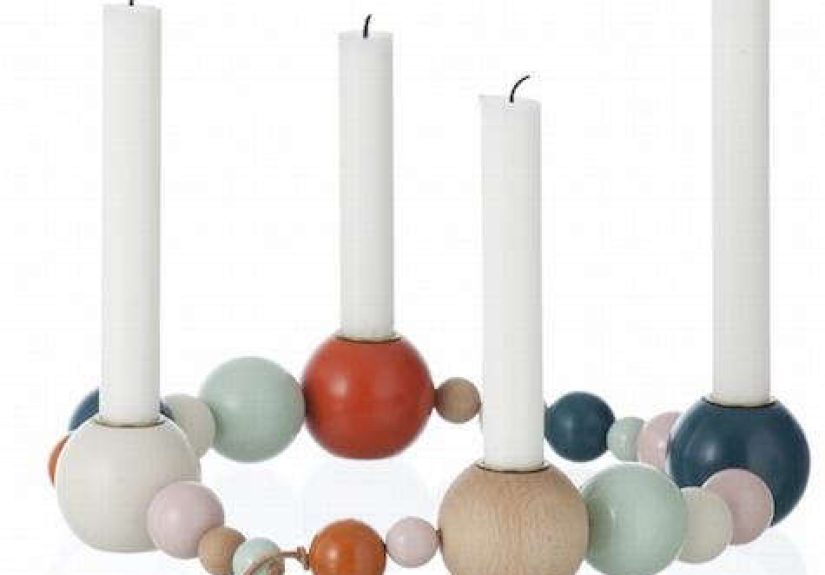
At first glance, the idea is delightfully simple. A line of rounded wooden elements, candle cups, and subtle metal detailing turns into a centerpiece that can be arranged in more than one way. Straight, curved, wavy, looped, almost circular, or somewhere in betweenthe beauty is that the object refuses to be trapped in a single silhouette. That gives it unusual staying power. You are not just buying a candleholder. You are buying a mood, a gesture, and a tiny lesson in how Scandinavian design can be both disciplined and a little mischievous.
That is exactly why the Candleholder String continues to feel relevant. Even years after its introduction, it still reads as fresh because it solves a real decorating problem: how do you make a tabletop feel warm, thoughtful, and slightly artful without crowding it with too many objects? Ferm Living’s answer is wonderfully efficient. One object. Four candles. Endless rearranging. Minimal effort, maximum atmosphere. Designers love that kind of math.
What Makes the Candleholder String So Memorable?
The short answer is contrast. The longer answer is that Ferm Living understood something many tabletop brands miss: people want decor that feels composed, but not stiff. The Candleholder String balances order and looseness in a way that feels almost instinctive. The repeated round forms create rhythm, while the flexible arrangement keeps the piece from looking too formal. It is structured, but not bossy.
The rounded beads soften the look immediately. Traditional candlesticks often introduce verticality and ceremony, which can be beautiful but sometimes a little too stern for casual dining or everyday styling. The Candleholder String, by contrast, has a friendlier silhouette. It lowers the pressure. It says, “Yes, this table has style, but also please pass the bread.” That is not a small achievement.
The material mix matters, too. Wood brings warmth. Leather adds an artisanal note. Brass contributes just enough polish to prevent the piece from drifting into rustic territory. Put them together and you get the familiar Ferm Living formula: natural materials, thoughtful texture, and a finish that looks elevated without seeming fragile or precious.
A Centerpiece That Refuses to Sit Still
One of the smartest aspects of the Candleholder String is that it behaves more like a design tool than a static decorative accessory. Some days you might shape it in a gentle curve along the center of a dining table. Other days it can become a compact circular arrangement on a sideboard, or a looser line across a console with greenery threaded between the candle cups. That adaptability makes it especially appealing for people who get bored easily with their decorwhich is to say, nearly everyone who has ever rearranged a shelf at 11:30 p.m. for no clear reason.
This flexibility also makes the piece ideal for seasonal styling. During the holidays, it can lean into the Advent-wreath tradition without looking overly literal. In spring, it can feel lighter and more sculptural with pale tapers and a few clipped branches. In summer, it looks chic paired with linen, ceramics, and a relaxed dinner outdoors. In fall, it can sit comfortably next to stoneware, dried botanicals, and moodier colors. Same object, different personality. We love a multitasker.
Why It Works So Well on a Tabletop
Good tabletop design is not only about what looks beautiful in photos. It is also about proportion, flow, and how people actually use a table. A centerpiece that is too tall blocks conversation. One that is too wide becomes an obstacle course for serving dishes. One that is too complicated starts to feel like a museum installation where someone accidentally placed the salad bowl.
The Candleholder String avoids all of that. Its low, horizontal profile helps maintain sightlines across the table, which is important whether you are hosting a holiday dinner, a casual brunch, or a weeknight meal that somehow turned into three friends discussing paint colors for an hour. Because the shape can be adjusted, it can stretch out when you want a long visual line or tighten up when you need more elbow room. That alone makes it more practical than many fixed candelabras.
It also plays well with other elements. Fresh flowers in a tall arrangement can sometimes dominate a tablescape, but a low candleholder invites layering rather than competition. It pairs easily with bud vases, bowls of fruit, linen napkins, ceramic plates, and even a stack of beautiful little dishes that serve no urgent purpose other than being pretty. Which, to be fair, is purpose enough.
Holiday-Friendly Without the Holiday Costume
One reason the Candleholder String made such an impression in design circles is that it offered a fresh take on holiday tabletop decor. It nods to the four-candle Advent format, but it does not scream “December or bust.” That is a big deal. Plenty of holiday objects become awkward the moment the calendar flips. This one keeps its dignity all year long.
The secret is restraint. Instead of ornate flourishes, it relies on shape and material. Instead of a themed motif, it offers abstraction. That means you can dress it up with evergreen branches and deep red tapers in winter, then swap in ivory or pale gray candles for the rest of the year and suddenly it feels like a serene modern sculpture. It is festive when you want it to be, but it never corners you into a decorative commitment.
The Ferm Living Design Language Behind It
If you have followed Ferm Living for any length of time, the Candleholder String makes perfect sense within the brand’s larger aesthetic universe. Ferm Living has long excelled at objects that blur the line between everyday function and quiet sculpture. The brand’s candleholder family, past and present, shows a consistent interest in tactile materials, organic curves, refined metal finishes, and pieces that feel architectural without becoming cold.
That continuity helps explain why the Candleholder String still looks at home next to newer Ferm Living pieces. Even as the brand has expanded into newer forms and materials, the same design DNA remains visible: an affection for natural texture, a love of balance, and a willingness to let utilitarian objects have a bit of poetic flair. In other words, Ferm Living understands that home accessories should not just fill space. They should make space feel better.
The Candleholder String may be from an earlier chapter in the brand’s story, but it does not feel dated. Quite the opposite. In today’s interiorswhere people want their homes to feel collected, calm, and slightly personalits flexibility feels ahead of its time. The piece offers shape without heaviness and charm without clutter. That combination is harder to find than many brands would like to admit.
How to Style the Candleholder String Like You Actually Live There
1. Keep the Palette Grounded
Because the object already has a strong visual identity, it works best when the surrounding palette is intentional rather than chaotic. Soft neutrals, earthy browns, muted greens, warm grays, and chalky whites all allow the form to stand out without making the table feel too busy. If you want a bolder look, let the candles carry the color instead of piling on loud accessories everywhere else.
2. Mix It with Honest Materials
Linen tablecloths, matte ceramics, smoked glass, natural wood serving boards, and stoneware bowls all complement the Candleholder String beautifully. These materials echo the piece’s tactile qualities and reinforce its handmade-meets-modern sensibility. It is the interior equivalent of wearing good leather shoes with relaxed trousers: thoughtful, effortless, and not trying too hard.
3. Add Greenery Sparingly
A few clipped branches, eucalyptus stems, or loose seasonal greens can soften the line of the candleholder and add movement around it. The key word is “few.” This is not the moment for a botanical jungle. The charm of the Candleholder String lies in its clarity, so give it enough breathing room to be appreciated.
4. Use It Beyond the Dining Table
Despite the tabletop title, this is not a one-room piece. It can work on a console table in an entry, on a sideboard in a dining room, on a coffee table for an evening glow, or even on open shelving where you want a sculptural accent. Its ability to shift shape makes it especially useful in smaller homes where objects need to earn their keep.
Is It Practical, or Just Very Good Looking?
Fortunately, it is both. The Candleholder String has the kind of practicality that good design often hides in plain sight. It offers multiple candles without the visual bulk of a traditional candelabra. It adapts to different surfaces. It can lean festive or everyday. And because it already has enough sculptural presence on its own, you do not need to buy ten additional styling props to make it shine.
Of course, like any candleholder, it still needs common sense. Keep wax management in mind. Choose candles that suit the scale of the holder. Give lit flames proper space. And if you are styling it for dinner, remember the oldest hosting rule in the book: no centerpiece should become a conversation-blocking diva. Beautiful decor is welcome. A decorative object with the social skills of a brick wall is not.
That said, the Candleholder String succeeds precisely because it understands proportion. It feels substantial, but not heavy-handed. Decorative, but not fussy. Distinctive, but still easy to live with. Those are the pieces that last.
Why the Candleholder String Still Deserves Attention
Some objects become classics because they are extravagant. Others become classics because they solve a problem so elegantly you wonder why everyone else made it harder. Ferm Living’s Candleholder String lands in the second category. It takes the familiar idea of candlelight on the table and makes it more flexible, more sculptural, and frankly more interesting. It is a piece that invites rearranging, reinterpreting, and reusing rather than being taken out once a year like a decorative relic.
That is what makes it memorable in today’s design landscape. The best home accessories no longer need to shout luxury or novelty. They need to feel thoughtful. They need to work in real rooms with real people. They should be beautiful at dinner, graceful at brunch, and charming on a random Tuesday when the sink is full and the table somehow still deserves a little glow. The Candleholder String gets that. It always did.
And perhaps that is the final compliment. Even surrounded by newer objects and ever-changing trends, it still feels like an idea worth stealingin the legal, admiring, design-editor sense. It reminds us that great tabletop design is not about excess. It is about atmosphere, flexibility, and the quiet magic of an object that knows exactly what it is doing.
Extra Notes from the Table: The Experience of Living with a Candleholder Like This
Living with a piece like the Candleholder String is a different experience from owning a standard candlestick set. A traditional pair of candleholders tends to stay where you put it. It does its job, looks respectable, and waits for applause. The Ferm Living approach is more interactive. You notice it because it asks something tiny of you: make a choice. Curve it or straighten it. Stretch it out or pull it in. Put it alone on a sideboard or let it run down the center of a table. That small act of arranging changes your relationship to the object. It feels less like decor you bought and more like decor you participate in.
That participation is part of the charm. It turns even simple styling into a low-stakes creative ritual. Maybe you set it in a soft wave for a dinner with friends. Maybe you tighten it into a compact loop when the table is crowded with serving dishes. Maybe you move it to the windowsill for a week because the late afternoon light catches the wood and metal beautifully. The point is not perfection. The point is that it keeps offering new looks without demanding new purchases.
There is also something pleasantly human about the way it softens a room. A lot of modern decor can feel a little too polished, as if it were designed for a very stylish robot who never spills coffee. The Candleholder String avoids that trap. The rounded forms feel approachable. The materials feel tactile. The shape has enough looseness to suggest that a home should be lived in, not just photographed from one flattering angle and admired from a safe distance.
On a practical level, it is one of those objects that quietly improves hosting. Candlelight always helps a table feel warmer, but this particular format creates glow without the visual interruption of several unrelated holders scattered across the surface. It gives a sense of continuity. The table feels composed. Guests may not necessarily identify why it works, but they will feel the difference. Good design often works like that: subtle in explanation, obvious in effect.
And then there is the emotional side. Candles are rarely only about light. They are about signaling a shift in pace. Dinner is no longer just dinner. A quiet evening becomes a little more intentional. Even takeout eaten from bowls feels suspiciously elegant. A flexible candleholder amplifies that ritual because it allows the atmosphere to change with the occasion. Minimal on Monday, festive on Saturday, reflective on Sunday evening when nobody wants the weekend to end.
That is why the Candleholder String remains such a compelling tabletop idea. It is decorative, yes, but it also supports a way of living that values small rituals, adaptable spaces, and objects with enough personality to make everyday routines feel considered. Not bad for a line of beads, a few candle cups, and a design concept that still knows how to work a room.