Table of Contents >> Show >> Hide
- What Is Point Buy in DnD 5e?
- How to Use Point Buy in 5e: Step-by-Step
- Point Buy vs Standard Array vs Rolling Stats
- Best Point Buy Examples for Common 5e Builds
- Which Ability Scores Should You Prioritize?
- Common Point Buy Mistakes
- Why Dungeon Masters Often Prefer Point Buy
- Advanced Point Buy Tips
- Experience-Based Advice: What Point Buy Feels Like at the Table
- Conclusion: Is Point Buy Worth Using?
- SEO Tags
DnD point buy is one of the cleanest ways to build a Dungeons & Dragons 5e character without praying to the dice gods, arguing with suspiciously “lucky” rolls, or discovering that your wizard has the physical durability of a damp napkin. It gives every player the same budget for ability scores, then lets each person decide where their hero shines, struggles, and occasionally trips over a stool.
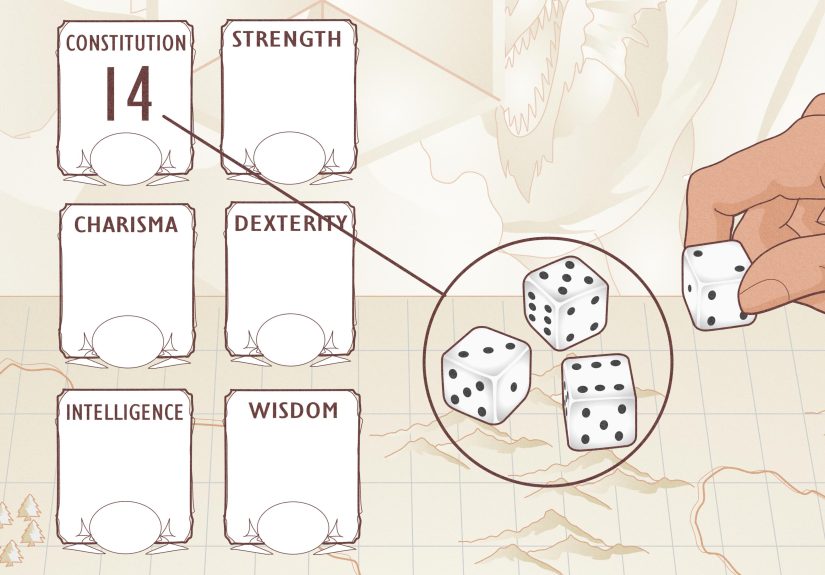
In D&D 5e, ability scores shape almost everything your character does: attacking, casting spells, resisting danger, sneaking, persuading guards, surviving dragon breath, and pretending the bard’s plan is “technically strategy.” Point buy turns character creation into a simple budgeting system. You start with six ability scores at 8, spend 27 points to raise them, and build a legal set of stats before applying race, species, background, or other character-creation bonuses depending on which 5e rules your table uses.
What Is Point Buy in DnD 5e?
Point buy is a method for determining your character’s six ability scores: Strength, Dexterity, Constitution, Intelligence, Wisdom, and Charisma. Instead of rolling dice or using a fixed standard array, you receive a pool of points and “buy” higher scores. The higher the score, the more expensive it becomes.
The official 5e point buy method uses 27 points. Each ability score begins at 8. You can raise a score as high as 15 before applying later bonuses, but you cannot lower a score below 8 using the normal method. That means no starting with a Strength of 3 because your wizard “skipped arm day since birth.” The system keeps everyone within a balanced range.
DnD 5e Point Buy Cost Table
| Ability Score | Point Cost |
|---|---|
| 8 | 0 |
| 9 | 1 |
| 10 | 2 |
| 11 | 3 |
| 12 | 4 |
| 13 | 5 |
| 14 | 7 |
| 15 | 9 |
Notice the jump from 13 to 14 and from 14 to 15. Those final increases cost 2 points each, not 1. This is the secret sauce of point buy: it rewards specialization, but it makes extreme specialization expensive. A character with three 15s is possible, but that character will also have three 8s. Congratulations, you are amazing at three things and a walking cautionary tale at the other three.
How to Use Point Buy in 5e: Step-by-Step
Step 1: Start Every Ability Score at 8
Begin with all six ability scores set to 8. At this stage, your character is not heroic yet. They are more like a fantasy intern with potential, a backpack, and questionable survival odds.
Step 2: Spend 27 Points
Use the point buy table to raise your scores. A 10 costs 2 points, a 12 costs 4 points, a 14 costs 7 points, and a 15 costs 9 points. Keep adding costs until you reach 27 points or less, depending on your table’s interpretation and tools. In most standard character-building situations, players spend the full budget because leaving points unused is usually like walking past free hit points and saying, “No thanks, I enjoy danger.”
Step 3: Assign Scores Based on Your Class
Your class tells you which ability scores matter most. A fighter often wants Strength or Dexterity plus Constitution. A wizard wants Intelligence. A cleric wants Wisdom. A bard, paladin, sorcerer, or warlock usually wants Charisma. Constitution is valuable for nearly everyone because it affects hit points and many important saving throws.
Step 4: Apply Character Creation Bonuses
After building your base scores, apply the bonuses your table uses. In 2014-style 5e games, ability score increases are often tied to race or lineage. In the 2024 revised rules, ability score increases are tied to background, usually allowing a +2 to one listed ability and +1 to another, or +1 to three different listed abilities. Either way, point buy comes first; bonuses come after.
Step 5: Calculate Your Modifiers
Ability scores matter, but ability modifiers are what you use constantly during play. The modifier is calculated by subtracting 10 from the score, dividing by 2, and rounding down. For example, a 14 gives a +2 modifier, and a 15 also gives a +2 until it becomes 16, which gives a +3. That is why players love ending with even numbers after bonuses. Odd scores are not useless, but even scores are where the math starts handing out candy.
Point Buy vs Standard Array vs Rolling Stats
Point Buy
Point buy gives you control. You decide whether your character is balanced, specialized, tough, nimble, charming, or tragically unable to read a room. It is excellent for players who enjoy planning builds and for Dungeon Masters who want a fair starting line.
Standard Array
The standard array is usually listed as 15, 14, 13, 12, 10, and 8. You assign those numbers to your six abilities. It is fast, balanced, and beginner-friendly. In fact, the standard array can be recreated through point buy, which means point buy is basically standard array with a customization menu.
Rolling Stats
Rolling stats is dramatic. It can create legendary heroes, tragic potatoes, and party balance problems before session one even begins. Many groups love rolling because it feels old-school and exciting. Other groups avoid it because one player may begin with three high scores while another starts as a medieval customer service representative with a sword.
For long campaigns, organized play, or tables with mixed experience levels, point buy often wins because it is predictable and fair. Nobody gets punished for one bad roll, and nobody arrives with ability scores that make the rest of the party look like unpaid sidekicks.
Best Point Buy Examples for Common 5e Builds
Balanced Adventurer: 15, 14, 13, 12, 10, 8
This is the classic spread. It costs exactly 27 points and works for almost any class. Put the 15 in your primary ability, the 14 in Constitution or your secondary ability, and the 13 wherever your build needs future growth. This layout is flexible, simple, and hard to mess up unless you put the 15 in Intelligence on a barbarian “for the lore” and then never use it.
Specialist Build: 15, 15, 15, 8, 8, 8
This is legal under standard point buy because three 15s cost 27 points total. It creates a character with three strong areas and three obvious weaknesses. It can be powerful for certain builds, especially classes that rely on multiple key abilities, but it also creates fun vulnerabilities. Your paladin may hit hard, survive well, and radiate heroic confidence, but might also treat basic investigation like ancient wizard algebra.
Single-Ability Caster Example
A wizard might start with Strength 8, Dexterity 14, Constitution 15, Intelligence 15, Wisdom 10, and Charisma 8. That costs 27 points. After bonuses, the wizard could begin with stronger Intelligence and Constitution, making them better at spellcasting and less likely to fold like a travel brochure when hit by a goblin.
Dexterity Rogue Example
A rogue might choose Strength 8, Dexterity 15, Constitution 14, Intelligence 13, Wisdom 12, and Charisma 10. This gives strong Dexterity for attacks, stealth, initiative, and armor class, while keeping Constitution healthy. Intelligence supports investigation-style skills, and Wisdom helps with perception. The result is a sneaky character who can find traps before becoming a trap demonstration.
Paladin Example
A paladin often wants Strength, Constitution, and Charisma. A practical point buy spread could be Strength 15, Dexterity 8, Constitution 14, Intelligence 8, Wisdom 10, and Charisma 15. This build is focused, durable, and socially powerful. It also accepts that the paladin may not be the party’s best librarian, which is fine because smiting evil rarely requires a bibliography.
Which Ability Scores Should You Prioritize?
Strength
Strength matters for heavy melee weapons, Athletics, carrying capacity, and some armor-related builds. Barbarians, many fighters, and many paladins love Strength. If your plan is to solve problems by lifting, shoving, grappling, or swinging a weapon the size of furniture, Strength deserves attention.
Dexterity
Dexterity affects initiative, Armor Class in light or medium armor, ranged attacks, finesse weapons, stealth, and many common saving throws. It is one of the most broadly useful ability scores in 5e. Even characters who do not specialize in Dexterity often appreciate not moving like a haunted wardrobe.
Constitution
Constitution affects hit points and many concentration checks for spellcasters. It is not usually flashy, but it keeps your character alive. No one writes songs about “the hero who had 14 Constitution,” but plenty of campaigns quietly continue because that hero did not fall unconscious every third encounter.
Intelligence
Intelligence matters most for wizards, artificers if your table uses them, and knowledge-based skills such as Arcana, History, Investigation, Nature, and Religion. If your character solves mysteries, studies magic, or says “actually” more than twice per session, Intelligence may be important.
Wisdom
Wisdom supports Perception, Insight, Survival, Medicine, and important saving throws. Clerics, druids, monks, and rangers often rely on it. Even if Wisdom is not your main score, dumping it can be risky because Perception is one of the most-used skills in many campaigns.
Charisma
Charisma powers bards, paladins, sorcerers, and warlocks. It also supports social skills like Persuasion, Deception, Intimidation, and Performance. A high-Charisma character can negotiate with nobles, bluff past guards, inspire allies, and somehow convince the party that splitting up is “probably fine.”
Common Point Buy Mistakes
Mistake 1: Forgetting Constitution
New players often focus only on their attack or spellcasting ability. That makes sense, but Constitution deserves respect. A character with great offense and poor durability may shine for two rounds and then spend the rest of combat making death saving throws while the cleric sighs professionally.
Mistake 2: Chasing Too Many High Scores
Point buy is about trade-offs. Trying to be great at everything usually leads to being merely okay at everything. Most characters should identify one primary ability, one or two secondary abilities, and one or two safe dump stats.
Mistake 3: Ignoring Your Subclass Plan
Some subclasses reward unusual ability scores. An Eldritch Knight fighter may care more about Intelligence than a Champion fighter. A Swashbuckler rogue may value Charisma more than other rogues. Think beyond level 1 so your build does not surprise you later like a mimic in spreadsheet form.
Mistake 4: Treating Dump Stats Like a Personality Replacement
A low score can be funny, but it should not flatten your character into one joke. An 8 Intelligence character does not have to be useless. An 8 Charisma character does not have to be unbearable. A dump stat is a weakness, not a license to make the table suffer through three hours of “my character would ruin everything.”
Why Dungeon Masters Often Prefer Point Buy
Point buy makes encounter planning easier. When every character starts within a similar power range, the Dungeon Master has fewer surprises. A table using rolled stats can produce a party where one character has heroic numbers across the board and another character has the statistical energy of a wet sock. That may be funny for a one-shot, but over a long campaign it can create frustration.
Point buy also helps new players. It removes the pressure of rolling in front of everyone, understanding reroll rules, or wondering whether their character is “bad” before the adventure starts. Everyone gets the same budget, so the conversation shifts from luck to choices.
For organized play and public games, point buy and standard array are especially useful because they create consistent expectations. A Dungeon Master running for strangers at a store, convention, school club, or online table does not need to audit a mysterious stat line that allegedly came from “totally normal dice, bro.”
Advanced Point Buy Tips
Build Toward Even Numbers
Because ability modifiers improve on even scores, try to plan where your bonuses will land. Starting with a 15 can become a 16 or 17 after bonuses. A 14 can become a 16 with the right increase. A 13 can be useful if you expect to raise it later with an Ability Score Improvement or feat.
Know Whether Your Class Is SAD or MAD
A SAD class is “single ability dependent,” meaning it mostly relies on one key ability. Wizards rely heavily on Intelligence. Clerics rely heavily on Wisdom. Sorcerers rely heavily on Charisma. A MAD class is “multiple ability dependent,” meaning it needs several strong scores. Monks often want Dexterity, Wisdom, and Constitution. Paladins often want Strength or Dexterity, Charisma, and Constitution. Point buy makes MAD builds possible, but you need to budget carefully.
Do Not Fear an 8
An 8 is a mild weakness, not a disaster. It gives a -1 modifier. That is noticeable, but it can also create flavor. A low Strength wizard may avoid arm wrestling. A low Charisma ranger may prefer talking to wolves. A low Intelligence barbarian may still be emotionally wise, tactically sharp in battle, or deeply knowledgeable about survival. Ability scores are mechanics; personality is yours.
Coordinate With the Party
Point buy gets stronger when the party talks. If nobody has Wisdom, traps and ambushes become very exciting in the worst way. If nobody has Charisma, every negotiation may turn into a legal dispute with swords. You do not need a perfect party, but it helps to know who is covering perception, knowledge, healing, social scenes, and front-line durability.
Experience-Based Advice: What Point Buy Feels Like at the Table
In actual play, DnD point buy feels less like accounting and more like choosing the kind of trouble you want your character to be good at surviving. The first time many players use it, they stare at the cost table like it is a tiny tax document written by goblins. After a few minutes, though, the logic clicks: high scores are expensive, medium scores are flexible, and every 8 you accept gives you room to make something else shine.
The biggest advantage is emotional fairness. When a campaign begins with rolled stats, the table can accidentally create a power gap before the story even starts. One player rolls like a blessed champion of probability and begins with multiple excellent scores. Another rolls badly and spends the first session wondering why their heroic fantasy feels like filing paperwork during a thunderstorm. Point buy avoids that awkwardness. Everyone starts with the same 27-point wallet.
Point buy also encourages better character identity. Because you choose your weaknesses, they tend to feel intentional rather than punitive. A rogue with low Strength is not “bad”; they are built to be quick, clever, and slippery. A paladin with low Intelligence can still be noble, disciplined, and emotionally intelligent, even if ancient runes make them blink slowly. A wizard with low Charisma is not forced to be rude; maybe they simply explain magical theory at the exact wrong time during dinner.
From a Dungeon Master’s perspective, point buy makes campaigns easier to tune. Monsters, saving throw DCs, and skill challenges become more predictable because the party’s starting numbers sit within a known range. The DM can still challenge the group, but fewer encounters accidentally become too easy because one player rolled superhero stats. Likewise, fewer scenes become miserable because one character’s numbers never got a fair start.
For beginners, the best experience is usually a guided build. Pick the class first, identify the main ability, choose Constitution as a serious priority, then decide what kind of weakness sounds fun. New players often ask, “What is the best point buy spread?” The honest answer is: the best spread supports the character you actually want to play. A perfectly optimized character that bores you is still a bad build. A slightly imperfect character with a clear personality, useful strengths, and memorable flaws will usually create better stories.
In long campaigns, point buy ages well. Early on, you feel the limits. You cannot have everything. Later, Ability Score Improvements and feats let your character grow into their role. That growth feels earned. Your fighter becomes stronger. Your cleric becomes wiser. Your bard becomes even more persuasive, which is terrifying for everyone except the bard. Point buy gives the campaign room for progression instead of handing out near-perfect numbers at level 1.
The practical lesson is simple: use point buy when you want balance, control, and fewer arguments about dice luck. Use it when your group cares about fairness. Use it when players want to build specific concepts without gambling their entire character on six rolls. And if someone complains that point buy is less dramatic than rolling, remind them that the drama should happen when the dragon lands, not when Kevin rolls four sixes and becomes the main character before breakfast.
Conclusion: Is Point Buy Worth Using?
Yes, point buy is absolutely worth using in DnD 5e. It is fair, flexible, beginner-friendly, and strong for long-term campaigns. It gives players meaningful choices without letting lucky rolls dominate the table. It also helps Dungeon Masters keep the party balanced and makes character creation easier to explain.
If you want fast character creation, use standard array. If your table loves chaos and accepts uneven results, roll stats. But if you want control, fairness, and enough customization to make your character feel personal, point buy is one of the best options in 5e. It will not build the character for you, but it will give you a clean, balanced foundation. What you do with that foundation is where the real adventure begins.
SEO Tags
Note: This HTML body is prepared for web publishing and contains no source-link placeholders, citation artifacts, or unnecessary reference markers.