Table of Contents >> Show >> Hide
- Why Prime Day 2025 felt different
- What “repeat deals” really means
- 1. Amazon devices were still the safest Prime Day bet
- 2. Apple accessories returned as crowd-pleasers
- 3. TVs and streaming gear kept delivering the headline discounts
- 4. Vacuums and floor care once again cleaned up
- 5. Kitchen appliances stayed wildly persuasive
- 6. Beauty and personal care were no longer side quests
- 7. Household essentials became the stealth champions
- How to spot a truly great repeat Prime Day deal
- The short version: what were the best repeat Amazon Prime Day deals 2025?
- Prime Day 2025 experience: what shopping these repeat deals actually felt like
- Conclusion
Amazon Prime Day 2025 was not subtle. It was bigger, louder, and longer than usual, stretching across four full days and flooding the internet with enough “limited-time” offers to make even the calmest shopper open seventeen tabs and whisper, “I am just browsing,” while adding an espresso machine to the cart. But once the confetti settles, a useful pattern appears: the best Prime Day deals are usually not random. They repeat.
That is the real story behind the best repeat Amazon Prime Day deals 2025. The smartest shoppers were not chasing every shiny discount that flew across the homepage. They were watching the categories that reliably return each year and still showed up strong in 2025: Amazon devices, Apple accessories, TVs, vacuums, kitchen appliances, beauty favorites, and everyday household essentials. In other words, Prime Day was not just a sale. It was a reunion tour.
If you want to understand what was genuinely worth watching in 2025, focus less on the number of deals and more on the kinds of deals that keep coming back. That is where the real value lives, and where your budget has a fighting chance.
Why Prime Day 2025 felt different
Prime Day 2025 mattered because Amazon gave shoppers more time to spend, compare, hesitate, overthink, and then buy the exact thing they told themselves they absolutely did not need. The event expanded from the familiar two-day sprint into a four-day marathon. That longer window changed shopper behavior. Instead of throwing everything into the cart on day one, many people waited for better drops, watched themed offers, and kept coming back for repeat discounts in categories they already knew would perform well.
That longer format made one thing clear: repeat deal categories are the foundation of Prime Day. They are the reliable performers that anchor the event year after year. When Amazon wanted to create urgency in 2025, it leaned on proven winners from top consumer brands, plus its own ecosystem products, which have long been Prime Day royalty.
What “repeat deals” really means
In the context of Prime Day, repeat deals are the discounts that keep showing up because they work. They either sell fast, make shoppers feel they are getting premium value, or pull people deeper into a brand ecosystem. Some repeat deals are flashy, like earbuds and TVs. Others are almost aggressively practical, like trash bags, dishwasher pods, and protein shakes. Neither type should be underestimated. One saves you money on a cool gadget. The other saves you money on real life, which is less glamorous but far more frequent.
Prime Day 2025 proved that both kinds matter. The best repeat Amazon Prime Day deals 2025 were not just the biggest markdowns. They were the discounts shoppers expected to see, trusted to be meaningful, and acted on quickly.
1. Amazon devices were still the safest Prime Day bet
No surprise here: if Prime Day had a mascot, it would probably be a discounted Echo speaker wearing a Blink camera as a hat. Amazon’s own hardware remained one of the safest repeat deal categories in 2025. Kindle e-readers, Fire TV Sticks, Echo speakers, Fire tablets, Blink security cameras, and Ring devices all fit the same familiar Prime Day logic. Amazon is not just discounting gadgets. It is discounting entry points into its ecosystem.
That is why these deals repeat so often and so aggressively. A Fire TV Stick is not merely a streaming device; it is an invitation to spend more time inside Amazon’s entertainment world. A Kindle nudges you toward ebooks. A Ring camera keeps you in Amazon-owned smart-home territory. Prime Day consistently becomes the moment when Amazon says, “Come on in, the ecosystem is heavily marked down.”
For shoppers, these are often some of the easiest buys. The discounts are usually recognizable, the products are mainstream, and the timing tends to be better than a random Tuesday in April. If you are looking for dependable Prime Day value, Amazon hardware keeps earning its place on the shortlist.
2. Apple accessories returned as crowd-pleasers
Apple does not usually behave like a bargain brand, which is exactly why Prime Day Apple deals get so much attention. In 2025, repeat favorites such as AirPods Pro 2, AirTags, select iPads, and some MacBook offers turned into headline material again. This pattern has held for years: Prime Day rarely transforms Apple into a clearance sale, but it often creates just enough price relief to make reluctant buyers finally click “buy now.”
The standout repeat behavior is especially strong with accessories and entry-level Apple gear. AirPods and AirTags are classic Prime Day magnets because they are widely wanted, easy to gift, and simple to justify. They hit that sweet spot between premium and practical. Shoppers recognize the original prices, so the markdown feels real instead of imaginary. That matters on a sale-heavy week when half the internet is trying to convince you that a random gadget has changed your life.
For 2025, Apple deals stayed true to form: not wild, not chaotic, just reliably compelling. And that is exactly why they keep repeating.
3. TVs and streaming gear kept delivering the headline discounts
Prime Day is one of those rare shopping events where a perfectly normal adult can say, “I saved hundreds on a TV,” and instantly sound like a strategic mastermind. In 2025, TVs once again delivered some of the splashiest repeat deals. Samsung’s Frame TV drew attention because it combines tech appeal with home-decor swagger, while brands like Hisense, Roku, and Amazon’s own Fire TV lineup continued to show up in aggressive promotions.
Streaming gear also stayed in the mix. Devices like Fire TV Sticks and Roku players remain classic repeat deals because they are affordable, easy to recommend, and often discounted enough to feel like a no-brainer. Unlike a massive sofa or a luxury mattress, these are quick-decision items. You see the number, think, “That is low enough,” and suddenly your living room has an upgrade on the way.
The larger pattern is important: Prime Day rewards categories where shoppers already understand the value. TVs, earbuds, and streaming devices perform well because nobody needs a twenty-minute lecture on what they do. They are easy wins, and Amazon knows it.
4. Vacuums and floor care once again cleaned up
Every Prime Day needs a category that says, “Yes, adulthood is here, and it wants a cordless vacuum.” In 2025, vacuums, carpet cleaners, and robot vacs returned as repeat favorites. Dyson, Shark, and Bissell were everywhere in deal roundups, and that was not an accident. Floor-care products are one of Prime Day’s most dependable discount zones because they check every box: they are useful, often pricey enough to benefit from real markdowns, and easy to compare across brands.
Robot vacuums deserve special mention because they sit in the magical overlap of practical and aspirational. They promise less work, cleaner floors, and the tiny thrill of watching a machine do chores while you sit there like a victorious monarch. Prime Day 2025 kept that tradition alive. Whether shoppers wanted a full-size upright, a cordless stick vacuum, or a robot sidekick, the category remained one of the event’s strongest repeat performers.
This is also one of the areas where shoppers tend to remember past prices. That makes repeat discounts more powerful. When a vacuum that usually hovers in “maybe later” territory drops into “actually doable” territory, the sale feels meaningful.
5. Kitchen appliances stayed wildly persuasive
Prime Day kitchen deals are dangerous because they are emotionally manipulative in the most delicious way. You start with a coffee grinder and somehow end up considering an air fryer, a blender, a stand mixer, and an espresso machine because you have briefly convinced yourself that this is the week you become the organized person who meal-preps with joy.
In 2025, repeat kitchen winners kept showing up from brands shoppers already trust: Ninja, Nespresso, Breville, Cuisinart, and Cosori. These products perform well on Prime Day because they combine recognizable branding with price sensitivity. Many shoppers do not need to be convinced that an air fryer or espresso machine is useful. They just need the price to stop being rude.
That is why kitchen appliances are such powerful repeat deals. They are not impulse junk. They are lifestyle upgrades that feel smarter when bought on sale. Prime Day 2025 leaned hard into this, and shoppers responded the way they usually do: by adding countertop appliances with suspicious confidence.
6. Beauty and personal care were no longer side quests
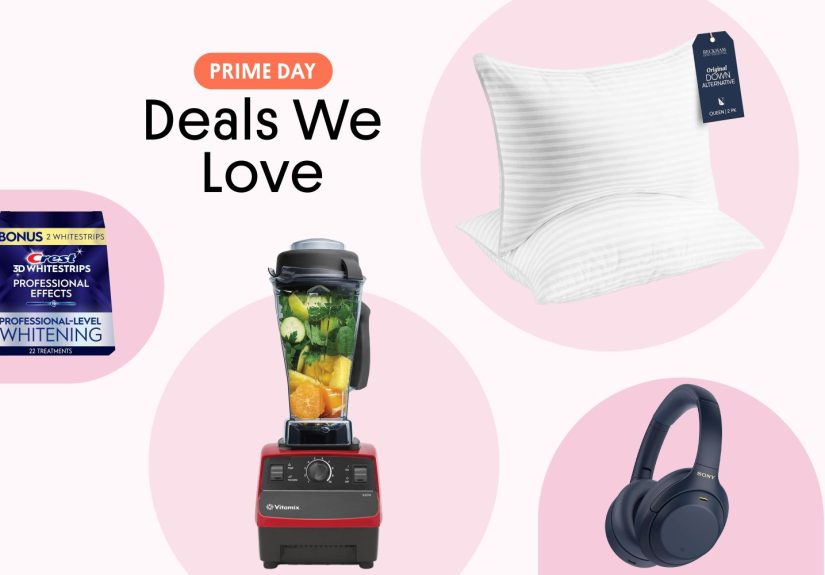
Beauty used to feel like Prime Day’s supporting cast. In 2025, it looked much more like a main character. Repeat deal patterns showed up across skincare, hair tools, oral care, and wellness basics. Think Laneige, Crest Whitestrips, Mielle, and hot-ticket grooming items that are easy to repurchase or finally try when the discount is good enough.
This category works because it blends treat-yourself spending with stock-up logic. A lip mask or face cream feels indulgent, but toothpaste whitening strips and hair oil can also feel practical. That mix makes beauty especially sticky during Prime Day. Shoppers tell themselves they are being sensible, then casually buy three products they absolutely did not plan on purchasing. Honestly, that is just called retail choreography.
As a repeat Prime Day category, beauty is now one of the most dependable areas for fast-moving, highly shareable deals. It is easy to recommend, easy to gift, and often priced low enough to encourage multiples.
7. Household essentials became the stealth champions
If there was one genuinely revealing shift in Prime Day 2025, it was this: shoppers were not only hunting for gadgets. They were stocking up on boring, useful, glorious essentials. Dish soap, protein shakes, hydration packets, batteries, toilet paper, trash bags, dishwasher pods, and cleaning products played a huge role in the event’s momentum.
That makes perfect sense. The best repeat Amazon Prime Day deals 2025 were not just about thrill purchases. They were about reducing future spending. A flashy TV discount is fun, but a strong deal on things you buy all year long can be more financially efficient. It is not sexy to brag about paper goods. It is, however, deeply satisfying to know Future You will not be paying full price for them next month.
This is where Prime Day has matured. The event still sells aspiration, but it also sells relief. Shoppers want deals that feel smart, not just exciting. Essentials delivered that in 2025, and they may have been the most underrated repeat category of all.
How to spot a truly great repeat Prime Day deal
The easiest way to separate a real Prime Day winner from digital confetti is to ask a few simple questions. First, is the product from a category that reliably gets meaningful discounts during Amazon’s major events? Second, is it a recognizable item whose regular price you actually understand? Third, would you still want it if the sale banner disappeared? And fourth, is this something you use often enough to justify buying now instead of later?
If the answer is yes, you are likely looking at one of Prime Day’s repeat winners. In 2025, those winners usually lived in categories with established deal behavior: Amazon hardware, Apple accessories, vacuums, TVs, kitchen appliances, beauty favorites, and household staples. The pattern is not mysterious. Prime Day keeps rewarding items that combine familiarity, utility, and enough discount drama to create urgency.
The short version: what were the best repeat Amazon Prime Day deals 2025?
The best repeat Amazon Prime Day deals 2025 were the ones shoppers could almost predict before the sale began. Amazon devices remained the most dependable low-price territory. Apple accessories, especially AirPods and AirTags, once again generated strong value. Vacuums and robot vacs stayed near the top of the must-watch list. TVs and streaming gear delivered headline-friendly savings. Kitchen appliances gave shoppers strong reasons to finally upgrade. Beauty moved firmly into deal-mainstream status. And household essentials quietly became one of the smartest ways to save.
That mix tells you everything you need to know about modern Prime Day. The best deals are not random. They repeat because they work, and they work because shoppers recognize them, trust them, and buy them in volume.
Prime Day 2025 experience: what shopping these repeat deals actually felt like
Shopping Prime Day 2025 felt a little like walking into a department store where every aisle had a megaphone. One tab was shouting about earbuds. Another was whispering that now might be the time to buy the vacuum you have been dodging for six months. Somewhere in the background, a smart speaker was practically begging to join your kitchen counter at a suspiciously affordable price. The experience was busy, slightly ridiculous, and strangely familiar in the best way.
That familiarity is exactly why repeat deals matter. By the time Prime Day 2025 arrived, many shoppers already knew the rhythm. Amazon devices would drop. Apple accessories would get enough of a discount to cause a spike in self-control failure. Vacuums would appear in every “best of” list. Essentials would sneak into the cart because they looked too practical to ignore. The sale was not only about discovery. It was about recognition.
And honestly, that made the shopping experience better. Instead of feeling lost in an ocean of random markdowns, repeat deal categories gave shoppers landmarks. You could decide in advance what kind of buyer you were going to be. Maybe you were the “finally buying the Kindle” person. Maybe you were the “stocking up on dishwasher pods like a responsible adult warrior” person. Maybe you were both. Prime Day does not judge. It simply enables.
There was also a psychological comfort in seeing the same trusted categories return. When a familiar product type gets discounted again, it feels less like gambling and more like timing. That changes the emotional tone of the purchase. You are not panic-buying a mystery gadget because a countdown clock told you to. You are choosing from a category that historically performs well during Prime Day and deciding whether this year’s price is good enough for your needs.
The 2025 event also made it clear that the best Prime Day experiences often come from a balanced cart. One part fun, one part practical. You grab the headphones you have wanted for months, then toss in the hydration packets, batteries, and trash bags because apparently your version of excitement now includes household efficiency. Welcome to adulthood. There are no balloons, but there might be 30% off cleaning supplies.
In the end, the Prime Day 2025 experience was less about chaos than it first appeared. Underneath the flashing banners and hourly updates, the same reliable story kept unfolding. The best repeat deals were the ones shoppers had learned to trust: useful tech, home upgrades, practical essentials, and a few indulgences that felt smarter because the timing was right. That is what made the event memorable. Not just the scale, but the pattern. Prime Day may change its layout, length, and marketing language, but the best repeat deals keep coming back like clockwork. And for shoppers who pay attention, that repetition is not boring. It is the whole advantage.
Conclusion
If Prime Day 2025 taught shoppers anything, it is that the best bargains are rarely the most random ones. They are the repeat categories that keep proving themselves every year. Amazon devices still dominate the ecosystem play. Apple accessories remain crowd favorites. Vacuums, TVs, and kitchen appliances continue to justify bigger-ticket buys. Beauty is now firmly in the deal conversation. And household essentials may be the quiet MVP for shoppers who care about long-term savings more than dramatic unboxings.
So the next time Prime Day rolls around, do not start with the homepage hype. Start with the categories that repeat. They are usually where the smartest value lives, the best-known products sit, and the least regrettable purchases happen. Your future self may still question the emergency espresso machine. But the discounted trash bags, AirPods, and vacuum? Those were probably the adults in the room.