Table of Contents >> Show >> Hide
- What Are Saggy Breasts?
- Common Causes of Saggy Breasts
- Saggy Breasts After Weight Loss: What Really Happens?
- Can Exercises Lift Saggy Breasts?
- Breastfeeding and Saggy Breasts: What New Parents Should Know
- Do Bras Prevent Saggy Breasts?
- Natural Ways to Support Breast Appearance
- When to See a Doctor
- Medical and Cosmetic Options for Saggy Breasts
- Real-Life Experiences: Weight Loss, Exercises, and Breastfeeding
- Conclusion
- SEO Tags
Saggy breasts are one of those body changes people whisper about, Google at midnight, and then blame on everything from breastfeeding to one suspiciously unsupportive bra. The truth is less dramatic and much more human: breasts change because bodies change. Weight loss, pregnancy, aging, hormones, genetics, skin elasticity, and plain old gravity all get a vote. Gravity, unfortunately, has never missed a meeting.
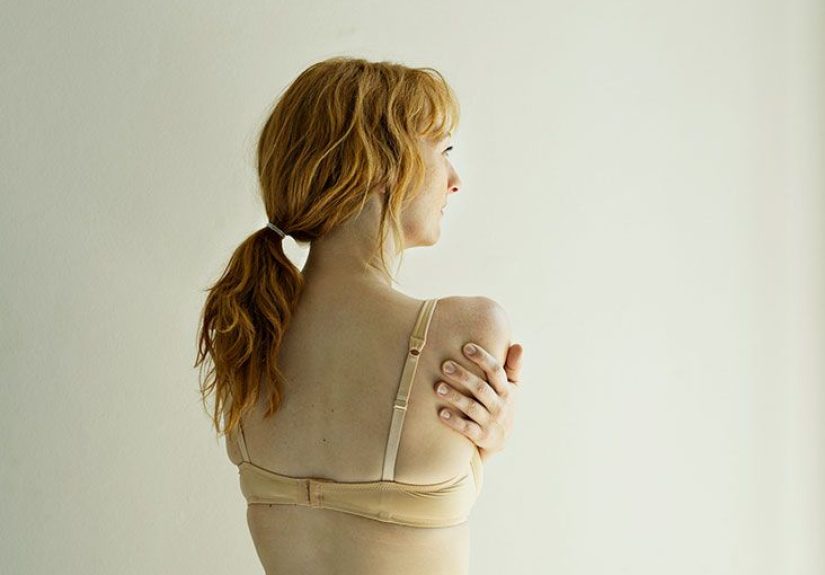
The medical term for saggy breasts is breast ptosis. It simply means the breasts sit lower on the chest than they once did, often with the nipple pointing downward or resting below the breast crease. It can happen gradually with age, after major weight changes, during the postpartum period, or after the natural fullness of pregnancy and lactation fades. For many people, it is not a medical problem at all. It is a normal body variation. Still, it can affect confidence, comfort, clothing fit, and how a person feels in their own skin.
This guide explains what causes saggy breasts, how weight loss and breastfeeding really fit into the picture, which exercises can help improve the appearance of the chest, and what options exist if you want more lift. No scare tactics. No miracle creams. No “do 12 pushups and wake up with anti-gravity physics.” Just clear, realistic information with a little humor because, honestly, breasts have already been through enough.
What Are Saggy Breasts?
Saggy breasts happen when breast tissue, skin, and supporting structures lose some firmness or volume. Breasts do not contain muscle. They are made mostly of fatty tissue, glandular tissue, connective tissue, blood vessels, ducts, and skin. Underneath them sit the pectoral muscles, which can be strengthened with exercise, but the breast itself cannot be “toned” like a bicep.
The main support system includes skin and fibrous connective bands often called Cooper’s ligaments. Over time, these structures may stretch. When breast volume decreases or the skin cannot fully bounce back after being stretched, the breasts may look softer, flatter, or lower. This is especially noticeable after pregnancy, breastfeeding, or significant weight loss because the breasts may first become fuller, then lose volume.
Breast sagging exists on a spectrum. Some people notice only mild softness. Others may see a more dramatic change in nipple position, upper-breast fullness, or breast shape. Neither version means anything is “wrong.” Bodies are not factory-sealed products; they are living, changing, snack-requesting masterpieces.
Common Causes of Saggy Breasts
1. Aging and Skin Elasticity
As people age, the skin naturally loses collagen and elastin, two proteins that help it stay firm and flexible. When skin becomes less elastic, it does not spring back as easily after stretching. This is why sagging can show up not only in the breasts, but also in the face, arms, belly, and thighs. Aging also changes breast composition. After menopause, glandular tissue often decreases and fat distribution may shift, making the breasts feel softer or less dense.
2. Genetics
Genetics influence breast size, skin quality, tissue density, body shape, and how strongly connective tissue holds up over time. Some people are genetically more likely to have firm skin and smaller changes. Others may notice sagging earlier, even with a healthy lifestyle. This is not a personal failure. It is biology doing what biology does: being wildly unfair at family reunions.
3. Weight Loss and Weight Fluctuation
Weight loss can make saggy breasts more noticeable because breasts contain fat. When body fat decreases, breast volume may shrink. If the skin was stretched for a long time, it may not fully tighten afterward. This is especially common after rapid weight loss or major weight loss. The result can be a “deflated” look, where the breast envelope remains but the fullness inside has reduced.
Repeated weight gain and loss can also stretch and relax the skin over time. Think of it like a favorite pair of leggings: high quality helps, but after years of stretching and washing, the fabric may not snap back exactly the same. Your skin is much smarter than leggings, but it still has limits.
4. Pregnancy
Pregnancy is a major breast event. Hormonal changes prepare the breasts for milk production, often causing them to enlarge, feel tender, and become heavier. The areolas may darken, veins may become more visible, and the skin may stretch quickly. After birth and weaning, milk-producing tissue decreases and breast fullness may fade. This change in volume, combined with stretched skin, can contribute to sagging.
5. Breastfeeding: Myth vs. Reality
Breastfeeding often gets blamed for saggy breasts, but research suggests the story is more nuanced. Pregnancy itself appears to be a major factor because breasts enlarge and change before breastfeeding even begins. Studies have found that the number of pregnancies, age, smoking history, body mass index, and pre-pregnancy breast size may influence breast ptosis more than breastfeeding alone.
Breastfeeding can temporarily change breast size and fullness. During early lactation, breasts may feel heavy, swollen, or engorged. As milk supply regulates and later declines during weaning, breasts may feel softer. That softness can be mistaken as damage caused by nursing, when it is often part of the broader pregnancy-postpartum-weaning process. In other words, breastfeeding is not the villain twirling a mustache in the corner.
6. Smoking
Smoking can affect skin health by damaging collagen and reducing circulation. Poorer skin elasticity may contribute to sagging over time. Quitting smoking benefits far more than breast appearance; it supports heart health, lung function, skin quality, wound healing, and overall longevity.
7. Breast Size and Gravity
Larger breasts are more affected by weight and gravity simply because there is more tissue pulling downward. This does not mean large breasts are “destined” to sag badly, but size can influence how much stress is placed on the skin and ligaments over the years. Supportive bras can improve comfort and reduce bouncing during activity, even though they cannot permanently stop natural breast changes.
Saggy Breasts After Weight Loss: What Really Happens?
When you lose weight, fat cells shrink throughout the body, including in the breasts. If your breasts had a higher proportion of fatty tissue, they may decrease noticeably in size. The skin may tighten somewhat, but how much depends on age, genetics, amount of weight lost, speed of weight loss, pregnancy history, sun exposure, smoking, hydration, and nutrition.
For example, someone who loses 15 pounds slowly may see only subtle breast changes. Someone who loses 80 pounds after years at a higher weight may have more loose skin and less upper-breast fullness. Neither person did anything wrong. The body is adapting to a new size, and skin remodeling takes time.
To support breast appearance during weight loss, focus on gradual progress instead of extreme dieting. A steady pace gives the skin more time to adjust. Strength training can also improve posture and build the chest, shoulder, and back muscles, which may make the upper body look firmer. Protein, fruits, vegetables, healthy fats, and adequate hydration support overall skin and tissue health. They will not magically tighten breasts overnight, but they help create the best conditions for your body to recover.
Can Exercises Lift Saggy Breasts?
Exercise cannot directly lift breast tissue because breasts do not have muscles inside them. However, chest exercises can strengthen the pectoral muscles underneath the breasts. Stronger pecs, shoulders, and upper back muscles may improve posture, create a slightly lifted appearance, and make the chest area look more defined.
Think of it like putting a beautiful picture in a stronger frame. The picture is still the picture, but the frame improves how it sits on the wall.
Best Exercises for Chest Support and Posture
Pushups: Pushups work the chest, shoulders, triceps, and core. Beginners can start with wall pushups or incline pushups using a counter. As strength improves, move to knee pushups and then standard pushups.
Dumbbell chest press: Lie on a bench or the floor with a dumbbell in each hand. Press the weights upward, then lower them slowly with control. This targets the pectoral muscles and helps build upper-body strength.
Chest fly: With light dumbbells, open the arms wide and bring them together over the chest. Keep a slight bend in the elbows. This exercise should feel controlled, not like you are trying to hug a refrigerator.
Incline press: Pressing weights on an incline bench emphasizes the upper chest, which can help improve the appearance of fullness near the collarbone area.
Rows: Rows strengthen the upper back. A strong back helps pull the shoulders into better alignment, reducing the rounded posture that can make breasts appear lower.
Planks: Planks build core stability, which supports posture. Better posture can change how the chest looks immediately, without any surgery, gadgets, or suspicious internet hacks.
A Simple Weekly Chest Routine
Try this routine two or three times per week, leaving at least one rest day between sessions:
- Incline or wall pushups: 3 sets of 8–12 reps
- Dumbbell chest press: 3 sets of 10–12 reps
- Dumbbell chest fly: 2 sets of 10 reps
- Seated or bent-over rows: 3 sets of 10–12 reps
- Plank: 2 rounds of 20–45 seconds
Use weights that feel challenging but manageable. If your form falls apart, the weight is too heavy. Your chest muscles should work; your neck should not file a complaint.
Breastfeeding and Saggy Breasts: What New Parents Should Know
During pregnancy and breastfeeding, breast size can change dramatically. Some people go up one or more cup sizes. Others notice only mild changes. After birth, milk coming in can cause engorgement, making the breasts feel full, tight, warm, or tender. As feeding becomes regular, the body usually adjusts milk production to the baby’s needs.
When breastfeeding ends, the milk-producing tissue shrinks and the breasts may lose fullness. This can create a softer or flatter look. Some people return close to their pre-pregnancy shape; others do not. The difference depends on many factors, including genetics, age, number of pregnancies, weight changes, and skin elasticity.
Breastfeeding itself has important benefits for babies and mothers, and fear of sagging should not be the reason someone avoids it. A better approach is to support breast comfort during pregnancy and postpartum. Wear a well-fitting maternity or nursing bra, avoid overly tight bands that cause clogged ducts, treat engorgement gently, and seek help from a lactation consultant if latch problems cause pain or swelling.
Do Bras Prevent Saggy Breasts?
Bras can improve comfort, support the breasts during movement, reduce bouncing during exercise, and help clothing fit better. A good sports bra is especially helpful for running, jumping, or high-impact workouts. However, bras do not permanently change breast anatomy or guarantee that sagging will never happen.
The best bra is one that fits your current body. That may change after weight loss, pregnancy, breastfeeding, or hormonal shifts. If your straps dig in, the band rides up, the cups gape, or your breasts spill over like bread dough with ambition, it may be time for a new size.
Natural Ways to Support Breast Appearance
Maintain a Stable, Healthy Weight
Weight stability may reduce repeated stretching and shrinking of breast skin. If you are trying to lose weight, aim for a realistic pace and avoid crash diets. Sustainable habits are kinder to your body and easier to maintain.
Strength Train Regularly
Strength training builds the muscles underneath and around the breasts. It also improves posture, supports bone health, and can make the upper body look firmer. Include chest, back, shoulder, and core exercises for balanced results.
Protect Your Skin
Sun exposure can break down collagen, including on the chest area. Use sunscreen when your neckline exposes your skin. Moisturizer can help skin feel smoother and more comfortable, although it cannot reverse significant breast sagging.
Eat for Skin and Tissue Health
A balanced diet with enough protein, vitamin C, zinc, healthy fats, and antioxidants supports collagen formation and tissue repair. Good nutrition cannot turn back time, but it can help your skin function at its best.
Stop Smoking
If you smoke, quitting is one of the most powerful steps for skin health and overall health. Smoking contributes to collagen breakdown and premature skin aging, and its effects go far beyond appearance.
When to See a Doctor
Most breast sagging is normal and harmless. Still, some breast changes should be checked by a healthcare professional. Make an appointment if you notice a new lump, nipple discharge that is bloody or spontaneous, sudden one-sided breast changes, skin dimpling, nipple inversion that is new, persistent pain, redness, warmth, swelling, or a rash that does not improve.
After childbirth, contact a clinician or lactation consultant if you have severe engorgement, fever, chills, intense breast pain, red streaks, or flu-like symptoms. These may suggest mastitis or another condition that needs care.
Medical and Cosmetic Options for Saggy Breasts
If sagging bothers you and lifestyle steps are not enough, medical cosmetic options exist. The most direct surgical option is a breast lift, also called mastopexy. A breast lift removes excess skin, reshapes breast tissue, and raises the nipple and areola position. It can improve shape and firmness but does not significantly increase breast size unless combined with implants or fat transfer.
Some people choose a lift after major weight loss, pregnancy, or breastfeeding. Others prefer non-surgical care, better bras, strength training, or simply accepting the change. There is no universal “right” answer. The right choice depends on your comfort, goals, health, budget, recovery time, and personal feelings about surgery.
If you are considering surgery, consult a board-certified plastic surgeon. Ask about risks, scars, recovery, future pregnancy, breastfeeding plans, and realistic results. A good surgeon will explain both benefits and limits instead of promising that you will emerge looking like a marble statue with Wi-Fi.
Real-Life Experiences: Weight Loss, Exercises, and Breastfeeding
Many people first notice saggy breasts during a transition point. One common example is weight loss. Imagine someone who has spent a year building healthier habits, walking daily, eating more protein, and losing 50 pounds. They feel stronger, their blood pressure improves, and their jeans finally stop negotiating with them. Then they look in the mirror and realize their breasts seem smaller, softer, and lower. This can feel confusing: “I did something good for my body, so why does this part feel like a trade-off?”
That emotional reaction is normal. Weight loss can bring pride and grief at the same time. The body may be healthier, but it may not look exactly as expected. In this situation, a supportive bra fitting can make a big difference. So can strength training. After several months of pushups, presses, rows, and posture work, the breasts may not physically lift in a surgical sense, but the chest can look more supported because the upper body is stronger. Sometimes the biggest change is not the breast tissue itself; it is the way a person stands, moves, and carries confidence.
Postpartum experiences can be even more emotional. A parent may go from pregnancy fullness to early breastfeeding engorgement to softer breasts after weaning. The changes can feel fast and personal. One month the breasts are working overtime as a 24-hour milk café; months later, they may feel unfamiliar. Many parents describe this as “deflated,” not because anything is medically wrong, but because volume changed after the milk supply decreased.
For breastfeeding parents, comfort matters as much as appearance. A nursing bra that fits well can reduce pulling and make feeding easier. Gentle handling during engorgement, frequent feeding, and help with latch can prevent unnecessary pain. When weaning, gradual reduction may feel more comfortable than stopping suddenly. Some parents also find that breast shape continues changing for several months after breastfeeding ends, so judging the final result too early can lead to unnecessary worry.
Exercise experiences vary, too. Someone may begin chest workouts hoping to “fix” sagging and feel disappointed when the breast tissue itself does not tighten dramatically. But after consistent training, they may notice better posture, less upper-back discomfort, and more confidence in fitted tops. That is still a win. Exercise is not a breast lift, but it can be a body-respect practice. It says, “I live here, and I am taking care of the place.”
The most helpful mindset is realistic kindness. Saggy breasts do not mean you aged badly, breastfed wrong, lost weight incorrectly, or failed some secret beauty test. They often mean your body adapted, nourished, stretched, healed, changed, and kept going. That deserves more respect than criticism. Whether you choose supportive bras, strength training, cosmetic surgery, or total acceptance, the goal is not to chase a perfect chest. The goal is to feel at home in your body, even when gravity keeps acting like it owns the lease.
Conclusion
Saggy breasts are common, normal, and influenced by many factors, including aging, genetics, pregnancy, weight loss, skin elasticity, smoking, and breast size. Breastfeeding is often blamed, but pregnancy and natural body changes play a much larger role than many people realize. Exercise cannot lift breast tissue directly, but it can strengthen the chest and back muscles, improve posture, and support a firmer-looking upper body.
If sagging bothers you, start with practical steps: maintain a stable weight, strength train, wear supportive bras, protect your skin, eat well, and avoid smoking. If you want a more dramatic change, talk with a qualified medical professional about options like a breast lift. Most importantly, remember that changing breasts are not broken breasts. They are part of a body that has lived, adapted, carried you, and maybe even fed another human. That is not a flaw. That is a résumé.