Table of Contents >> Show >> Hide
- Why Brussels Sprouts Deserve a Second Chance
- How To Make Brussels Sprouts Taste Better Every Time
- The Best Brussels Sprouts Recipes for Skeptics, Converts, and Future Fanatics
- 1. Crispy Parmesan Roasted Brussels Sprouts
- 2. Maple-Balsamic Brussels Sprouts With Bacon
- 3. Shaved Brussels Sprouts Salad With Apple, Pecans, and Mustard Vinaigrette
- 4. Hot Honey Brussels Sprouts With Red Onion
- 5. Spicy Honey-Soy Brussels Sprouts
- 6. Smashed Brussels Sprouts With Garlic Yogurt
- 7. Brussels Sprouts Breakfast Hash
- Flavor Pairings That Make Brussels Sprouts Easier To Love
- Common Brussels Sprouts Mistakes To Avoid
- Why These Recipes Actually Convert Brussels Sprouts Skeptics
- Experiences That Often Turn People Into Brussels Sprouts Fans
- Conclusion
If Brussels sprouts still remind you of a tragic childhood side dish that smelled like a damp gym sock, welcome. You are among friends. The good news is that Brussels sprouts are not the problem. The problem was usually how they were cooked. When treated with high heat, enough seasoning, and a little flavor backup from ingredients like maple, lemon, Parmesan, bacon, mustard, or balsamic, these tiny cabbages become crispy, nutty, sweet, and wildly snackable.
This guide is for the skeptic, the “I’ll eat around them” guest, and the person who keeps buying Brussels sprouts with excellent intentions and then stares at them in the fridge until they become a science project. Below, you’ll find practical cooking advice, easy recipes, and flavor combinations that can turn Brussels sprouts from the vegetable people politely tolerate into the one that disappears first from the sheet pan.
Why Brussels Sprouts Deserve a Second Chance
Brussels sprouts have a lot going for them. They’re part of the cruciferous vegetable family, which means they bring fiber, vitamin C, vitamin K, and helpful plant compounds to the table. They also happen to be one of the best examples of a vegetable that changes dramatically based on technique. Steam them too long and they can taste sulfurous and dull. Roast them hard and fast, however, and they develop caramelized edges, tender centers, and a slightly sweet, almost nutty flavor.
That transformation is why so many modern Brussels sprouts recipes focus on texture and contrast. Crisp edges. Bright acids. A little sweetness. Some salt. Maybe a creamy or crunchy finish. In other words, Brussels sprouts need the same thing the rest of us need: better support.
How To Make Brussels Sprouts Taste Better Every Time
1. Buy the right sprouts
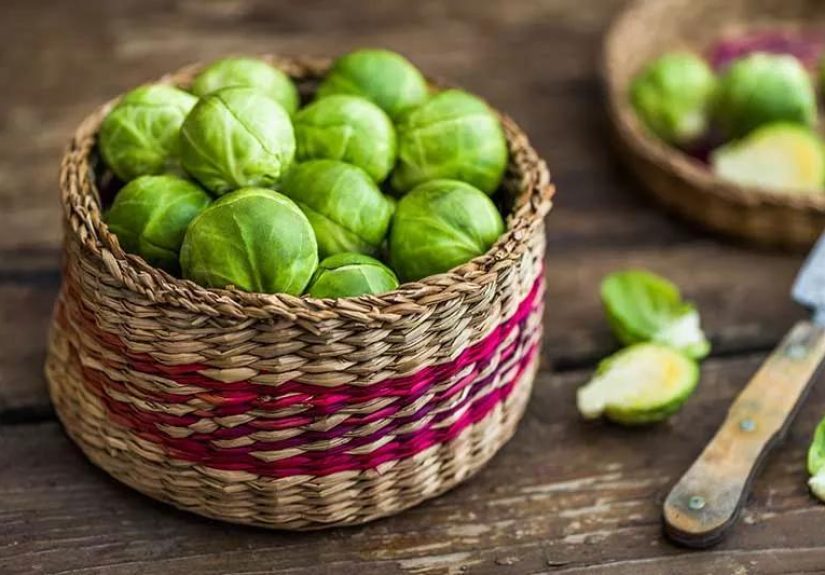
Look for firm, tightly closed sprouts with bright green leaves. Smaller sprouts are often sweeter and more tender, while larger ones are great halved or quartered for roasting. Skip any that feel slimy or have too many yellow leaves. Fresh Brussels sprouts should look like they still believe in themselves.
2. Trim, but don’t overdo it
Cut off the dry stem end and remove any damaged outer leaves. If you’re roasting them, halve them through the core so they stay together while getting more browned surface area.
3. Dry them well
Moisture is the enemy of crispness. If the sprouts are wet, they steam instead of roast. Pat them dry like you mean it.
4. Use high heat
Roasting at 425°F is the sweet spot for many home ovens. It helps the outside caramelize before the inside goes mushy. Spread the sprouts out so they brown instead of huddle together and sweat.
5. Balance bitterness with flavor contrast
Brussels sprouts love a little acid and sweetness. Lemon juice, balsamic vinegar, Dijon mustard, maple syrup, honey, apples, cranberries, and Parmesan all work because they round out the sprouts’ earthy edge instead of fighting it.
The Best Brussels Sprouts Recipes for Skeptics, Converts, and Future Fanatics
1. Crispy Parmesan Roasted Brussels Sprouts
This is the gateway recipe. If you know someone who claims to hate Brussels sprouts, make this first and let the crispy cheese do the diplomacy.
What you need: 1 1/2 pounds Brussels sprouts, 2 tablespoons olive oil, 1/2 cup finely grated Parmesan, 2 cloves garlic, salt, black pepper, and a squeeze of lemon.
How to make it: Toss halved sprouts with olive oil, garlic, salt, and pepper. Arrange them cut-side down on a sheet pan. Roast at 425°F for about 20 to 25 minutes until browned and crisp at the edges. In the last few minutes, add Parmesan so it melts and turns golden. Finish with lemon juice.
Why it works: The Parmesan adds salty richness, the lemon brightens the whole dish, and the crispy edges make every bite feel like the best part of roasted vegetables.
2. Maple-Balsamic Brussels Sprouts With Bacon
If your goal is to win over the “vegetables need a hype squad” crowd, this recipe arrives with backup. Bacon brings smokiness, maple adds sweetness, and balsamic gives the sprouts a glossy, tangy finish.
What you need: 1 1/2 pounds Brussels sprouts, 4 slices bacon, 1 tablespoon maple syrup, 1 tablespoon balsamic vinegar, 1 teaspoon Dijon mustard, salt, and pepper.
How to make it: Cook the bacon until crisp and reserve a little of the fat. Toss the sprouts with bacon fat, salt, and pepper, then roast until browned. Warm maple syrup, balsamic, and Dijon together in a small pan. Toss the hot sprouts with the glaze and scatter the chopped bacon on top.
Why it works: This hits the sweet-salty-smoky trifecta. Brussels sprouts often need a little contrast, and this recipe gives them the full Broadway treatment.
3. Shaved Brussels Sprouts Salad With Apple, Pecans, and Mustard Vinaigrette
Not every Brussels sprouts recipe needs to be roasted until deeply bronzed like a beach vacation. Shaved raw Brussels sprouts are crunchy, fresh, and surprisingly lovable, especially with fruit and a punchy dressing.
What you need: 1 pound Brussels sprouts, 1 crisp apple, 1/2 cup toasted pecans, 1/3 cup dried cranberries, shaved Parmesan, olive oil, apple cider vinegar, Dijon mustard, honey, salt, and pepper.
How to make it: Thinly slice the sprouts with a knife or mandoline. Toss with sliced apple, pecans, cranberries, and Parmesan. Whisk together olive oil, vinegar, Dijon, honey, salt, and pepper. Dress the salad and let it sit for 10 minutes before serving.
Why it works: The sprouts keep their crunch, the apple adds juicy sweetness, and the mustard vinaigrette ties everything together. It’s the kind of salad that makes people say, “Wait, this is Brussels sprouts?” which is basically a standing ovation.
4. Hot Honey Brussels Sprouts With Red Onion
For people who need a little drama at dinner, here you go. Heat and honey are a surprisingly great match for Brussels sprouts, especially when paired with softened red onion.
What you need: 1 1/2 pounds Brussels sprouts, 1 small red onion, 2 tablespoons olive oil, 1 to 2 teaspoons hot honey, 1 teaspoon apple cider vinegar, salt, and black pepper.
How to make it: Toss halved sprouts and sliced onion with olive oil, salt, and pepper. Roast at 425°F until the sprouts are crisp and the onion is tender. Drizzle with hot honey and vinegar right before serving.
Why it works: The onion becomes sweet, the honey adds glossy heat, and the vinegar keeps the dish from feeling heavy. This one has “please make it again” energy.
5. Spicy Honey-Soy Brussels Sprouts
If you love takeout flavors, this recipe is your Brussels sprouts bridge. Soy sauce, honey, and a little heat turn the sprouts into something bold, savory, and very hard to stop eating straight from the pan.
What you need: 1 1/2 pounds Brussels sprouts, 1 1/2 tablespoons neutral oil, 1 tablespoon soy sauce, 1 tablespoon honey, 1 teaspoon rice vinegar, 1 teaspoon chili crisp or red pepper flakes, and sesame seeds.
How to make it: Roast the sprouts cut-side down until deeply browned. Stir together soy sauce, honey, vinegar, and chili crisp. Toss the hot sprouts in the sauce and sprinkle with sesame seeds.
Why it works: This version leans into umami. It tastes modern, fast, and fun, which is a sentence Brussels sprouts probably never thought they’d hear about themselves.
6. Smashed Brussels Sprouts With Garlic Yogurt
Think of these as the crispy, snacky cousin of smashed potatoes. They’re playful, crunchy, and ideal for anyone who says vegetables are boring. That person is about to be corrected.
What you need: 1 1/2 pounds Brussels sprouts, olive oil, salt, pepper, 1/2 cup Greek yogurt, 1 small garlic clove, lemon zest, and chopped herbs.
How to make it: Boil or steam the sprouts just until tender, then drain well. Place them on a sheet pan and gently flatten each one with the bottom of a glass. Brush with oil, season, and roast until crisp. Stir garlic and lemon zest into the yogurt and serve the sprouts with dollops of the sauce.
Why it works: Smashing creates more crispy edges, while the cool yogurt sauce adds tang and creaminess. Texture lovers, this is your moment.
7. Brussels Sprouts Breakfast Hash
Yes, breakfast. Brussels sprouts pair beautifully with potatoes and eggs, which means they can leave the holiday table and start pulling their weight on weekdays too.
What you need: 3 cups shredded Brussels sprouts, 2 diced potatoes, 1 small onion, olive oil, smoked paprika, salt, pepper, and 2 to 4 eggs.
How to make it: Cook the potatoes in a skillet until browned. Add onion and shredded Brussels sprouts and cook until tender and a little crispy. Season with smoked paprika, salt, and pepper. Top with fried or poached eggs.
Why it works: The sprouts become savory and mellow, the potatoes add comfort, and the egg yolk acts like a sauce. Suddenly Brussels sprouts are part of a breakfast people actually look forward to.
Flavor Pairings That Make Brussels Sprouts Easier To Love
If you want to improvise, keep these winning combinations in mind:
- Sweet + tangy: maple and balsamic, honey and mustard, apple and cider vinegar
- Salty + rich: bacon, pancetta, Parmesan, feta, toasted nuts
- Bright + fresh: lemon, orange, herbs, pomegranate, shaved apple
- Bold + savory: soy sauce, chili crisp, garlic, miso, toasted sesame
The point is not to disguise Brussels sprouts. It’s to help them show off. Once they’re cooked properly, they can handle big flavors without disappearing into the background.
Common Brussels Sprouts Mistakes To Avoid
Overcrowding the pan
If your sprouts are piled together, they’ll steam. Give them space. This is not the subway at rush hour.
Using too little salt
Salt brings out natural sweetness and keeps vegetables from tasting flat. Underseasoned Brussels sprouts are often mistaken for bad Brussels sprouts.
Cooking them too long at low heat
This is how you get mushiness and that old-school sulfur smell nobody misses. High heat is your friend.
Skipping acid at the end
A little lemon juice or vinegar can wake up the whole dish. It’s the culinary equivalent of opening a window.
Why These Recipes Actually Convert Brussels Sprouts Skeptics
People rarely fall in love with Brussels sprouts because someone lectures them about nutrition. They fall in love because a bite surprises them. Maybe it’s a crispy edge. Maybe it’s the maple-balsamic glaze. Maybe it’s the crunch of a shaved salad with apples and pecans. The best Brussels sprouts recipes don’t ask you to settle for “healthy enough.” They aim for genuinely delicious.
That’s the real trick. Once Brussels sprouts are browned, balanced, and paired with flavors people already enjoy, they stop feeling like a duty and start feeling like a craving. And that is a much better place for any vegetable to be.
Experiences That Often Turn People Into Brussels Sprouts Fans
One of the funniest things about Brussels sprouts is how often people carry around a decades-old grudge against them. It usually starts with a childhood memory: a limp mound of overcooked sprouts on a dinner plate, smelling a little too intense, tasting a little too bitter, and somehow managing to cool into a green-gray sadness before anyone took a second bite. Then adulthood arrives, someone serves roasted Brussels sprouts at a holiday dinner, and suddenly the same person is hovering near the sheet pan like a seagull at the beach.
That experience happens a lot because Brussels sprouts are one of those vegetables that are completely transformed by better technique. People often describe their first good batch the same way. They notice the crispy leaves first. Then the browned cut side. Then the way a little honey, balsamic, or Parmesan softens the bitter edge they were expecting. The surprise is part of the fun. They don’t taste like punishment. They taste like someone in the kitchen actually wanted joy to occur.
Another common experience is discovering that Brussels sprouts are more versatile than expected. A person who won’t touch them steamed may happily eat them shaved into a salad with apples, nuts, and sharp cheese. Someone who thinks they only belong next to turkey in November suddenly likes them in a grain bowl, breakfast hash, or spicy weeknight stir-fry situation. That shift matters, because once a vegetable becomes flexible, it becomes easier to buy regularly and cook without overthinking it.
There’s also the restaurant effect. A lot of Brussels sprouts conversions begin after ordering them as an appetizer. They arrive charred, glossy, crunchy, and aggressively seasoned. Maybe there’s fish sauce, hot honey, lemon, or a snowstorm of Pecorino on top. The table says, “These are amazing,” and somebody replies, “Wait, these are Brussels sprouts?” That exact moment has probably done more for the reputation of Brussels sprouts than years of public relations ever could.
Home cooks often report the same turning point when they realize they do not need a complicated recipe. They just need dry sprouts, enough oil, enough salt, and enough heat. From there, it becomes a confidence game. Once you roast a few successful trays, you stop treating Brussels sprouts like a risky purchase and start treating them like a reliable side dish. Then the experimentation begins. A little maple one night. Lemon and Parmesan the next. Chili crisp after that. Before long, the vegetable that once inspired dread is now the thing you buy because you know it can carry dinner.
And maybe that’s the best experience tied to Brussels sprouts: the quiet satisfaction of changing your own mind. It’s oddly delightful to realize that the food you thought you hated was never the issue. It just needed a better introduction.
Conclusion
If you’ve been avoiding Brussels sprouts, these recipes are your invitation to try again with better odds and much better flavor. Start with the crispy Parmesan version or the maple-balsamic bacon batch, then branch out into shaved salads, spicy glazes, and breakfast hash. Once you learn how to roast them properly and pair them with the right flavors, Brussels sprouts stop being the vegetable you tolerate and become the one you make on purpose.