Table of Contents >> Show >> Hide
- Why Sweet Potatoes Cook So Differently Depending on the Method
- How to Choose and Prep Sweet Potatoes Before Cooking
- 1. How to Bake Sweet Potatoes in the Oven
- 2. How to Microwave Sweet Potatoes
- 3. How to Roast Sweet Potato Cubes or Wedges
- 4. How to Boil Sweet Potatoes
- 5. How to Steam Sweet Potatoes
- 6. How to Cook Sweet Potatoes in the Air Fryer
- Common Mistakes to Avoid When Cooking Sweet Potatoes
- Which Method Is Best?
- Final Thoughts on How to Cook Sweet Potatoes 6 Ways
- Real-Life Cooking Experiences: What Sweet Potatoes Taught Me
- SEO Tags
Sweet potatoes are the overachievers of the produce drawer. They can be fluffy, silky, crisp-edged, caramelized, mashed, stuffed, roasted, or turned into a fast lunch when your schedule is behaving like a raccoon in a trash can. If you have ever stood in your kitchen holding a sweet potato and wondering whether to bake it, boil it, microwave it, or just stare at it until dinner solves itself, you are in the right place.
This guide breaks down how to cook sweet potatoes six ways so you can choose the best method for your timeline, texture preference, and dinner plan. Want a tender whole sweet potato with deep flavor? Bake it. Need one in a hurry? Microwave it. Craving crispy edges? Roast it. Looking for mash, soup, meal prep, or a side dish that behaves itself? There is a method for that too.
The good news is that sweet potatoes are surprisingly flexible. The even better news is that once you understand how each cooking method changes texture, sweetness, and moisture, you can stop guessing and start cooking them exactly the way you like. Consider this your sweet potato playbook, minus the boring parts.
Why Sweet Potatoes Cook So Differently Depending on the Method
Sweet potatoes are naturally starchy, but they also have a noticeable amount of sugar. That combination is what makes them so lovable and so dramatic. Dry-heat methods like baking, roasting, and air frying concentrate flavor and encourage caramelization. Wet-heat methods like boiling and steaming keep the flesh moist and tender, which is perfect for mashing or blending into soups.
In plain English, here is what happens. If you cook a sweet potato slowly and give its surface room to brown, it becomes sweeter and richer tasting. If you cook it in water or steam, it turns soft and spoonable faster, but you trade some roasted flavor for convenience and moisture. Neither is wrong. Your dinner, your rules.
How to Choose and Prep Sweet Potatoes Before Cooking
Before you start, pick sweet potatoes that feel firm, heavy for their size, and free from deep bruises, cuts, or soft spots. Skinny sweet potatoes cook faster than giant ones, which is useful if you are impatient. Very large sweet potatoes are great for baking and stuffing, but they take longer and can cook unevenly if you are not careful.
Give them a good scrub under running water. If you are cooking them whole, dry them well and pierce the skin a few times with a fork so steam can escape. If you are cutting them into cubes or wedges, try to keep the pieces roughly the same size so they cook evenly. That little detail is the difference between “beautifully roasted” and “some are perfect while others are basically sweet-potato pebbles.”
1. How to Bake Sweet Potatoes in the Oven
Best for: deep flavor, fluffy centers, easy meals
Baking is the classic method for a reason. It gives you a sweet potato with a soft, creamy interior and concentrated flavor. If you want the kind of sweet potato that can be split open and topped with butter, chili, black beans, Greek yogurt, cinnamon, or absolutely too much shredded cheese, this is your move.
How to do it: Preheat your oven to 400°F or 425°F. Scrub the sweet potatoes, dry them, and prick them all over with a fork. Place them on a baking sheet or directly on the oven rack with a pan below to catch drips. Bake until very tender, usually 45 to 60 minutes depending on size.
How to tell when they are done: A knife should slide into the center with almost no resistance, and the potato should give a little when squeezed with an oven mitt. If it still feels firm in the middle, it is not done pretending. Put it back.
Pro tip: Skip the foil if you want a better skin texture. Foil traps steam, which makes the skin softer. That is fine if you love a steamed effect, but if you want a more roasted finish, let the potato bake uncovered.
2. How to Microwave Sweet Potatoes
Best for: fast lunches, meal prep, emergency potato situations
Microwaving is the speed champion. No, it does not create the same caramelized flavor as the oven, but it absolutely earns its place in the weeknight hall of fame. When you need a cooked sweet potato in a handful of minutes, the microwave is your kitchen superhero wearing sweatpants.
How to do it: Scrub the sweet potato, dry it, and prick it several times with a fork. Place it on a microwave-safe plate. Microwave on high for about 5 to 12 minutes, flipping halfway through, depending on size and microwave strength.
How to tell when it is done: It should feel soft when pressed and easily pierced all the way through with a fork or knife. Let it rest for a minute or two after cooking, because carryover heat helps finish the center.
Pro tip: If you want the speed of the microwave and some of the flavor of the oven, microwave the potato until mostly tender, then finish it in a hot oven for 10 to 20 minutes. It is the culinary equivalent of taking the shortcut without getting caught.
3. How to Roast Sweet Potato Cubes or Wedges
Best for: crispy edges, sheet-pan dinners, meal bowls
Roasting cut sweet potatoes gives you the best contrast in texture: browned edges, tender centers, and enough flavor to make people hover near the pan “just checking one piece.” This is the method for grain bowls, taco fillings, salads, breakfast hashes, and side dishes that disappear before the main course gets all the attention.
How to do it: Heat the oven to 400°F. Peel the sweet potatoes if you want, or leave the skin on for a more rustic finish. Cut into cubes or wedges, toss with oil, salt, and pepper, and spread them on a baking sheet in a single layer. Roast for 25 to 35 minutes, flipping once halfway through.
How to get the best results: Do not overcrowd the pan. This matters more than people think. If the pieces are packed together, they steam instead of roast. Give them breathing room and they will reward you with color, texture, and delicious little caramelized corners.
Flavor ideas: Try smoked paprika and garlic powder for savory dinners, cinnamon and a pinch of cayenne for sweet-spicy flavor, or rosemary and black pepper for a more classic roasted vegetable vibe.
4. How to Boil Sweet Potatoes
Best for: mashing, soups, casseroles, purees
Boiling does not get much glamour, but it is useful. If your end goal is mashed sweet potatoes, sweet potato pie filling, soup, or a casserole, boiling gets the job done without fuss. The trade-off is that you lose some roasted flavor and risk waterlogging them if you overdo it.
How to do it: Peel the sweet potatoes if you want a smoother final texture. Cut them into evenly sized cubes and place them in a pot. Cover with water, bring to a boil, and cook until fork-tender, usually about 10 to 15 minutes for cubes. Whole sweet potatoes take much longer.
When to use this method: Choose boiling when you plan to mash, whip, blend, or mix the sweet potatoes into another dish. It is efficient, simple, and dependable.
Pro tip: Drain them well and let them sit in the pot for a minute before mashing. That helps excess moisture evaporate so your mash tastes rich instead of suspiciously watery.
5. How to Steam Sweet Potatoes
Best for: tender flesh, mash with less water, healthy sides
Steaming is the underrated middle child of sweet potato cooking. It keeps the flesh moist and tender like boiling, but because the potatoes are not submerged in water, they do not soak up as much extra liquid. That makes steaming especially good for mashes, baby food, soft fillings, and simple side dishes.
How to do it: Fill a pot with a couple of inches of water and bring it to a simmer. Place peeled or unpeeled sweet potato cubes in a steamer basket over the water, cover, and cook until tender. Cubes usually take about 15 to 30 minutes, depending on size. Whole sweet potatoes take longer.
Why some cooks prefer steaming: It gives you a very soft texture without the dilution that can happen with boiling. If you have ever made mashed sweet potatoes and wondered why they tasted a little flat, steaming may become your new favorite method.
Pro tip: Steam first, then mash with butter, salt, and a splash of milk or cream. The result is smooth, rich, and less likely to turn gluey.
6. How to Cook Sweet Potatoes in the Air Fryer
Best for: crisp skins, fast-ish whole potatoes, smaller batches
The air fryer is excellent for sweet potatoes because it creates a hot, circulating environment that helps the skin crisp while the inside turns soft and fluffy. It is especially handy when you do not want to heat the whole kitchen or wait on a full-size oven.
How to do it: Preheat the air fryer to 400°F if your model calls for preheating. Scrub and dry the sweet potatoes, prick them with a fork, rub lightly with oil if you like, and cook until soft, usually 35 to 50 minutes depending on size. Turn them once if your air fryer tends to brown unevenly.
For cubes or fries: Toss with oil and seasonings and cook in a single layer, shaking the basket occasionally. Just remember that the air fryer rewards moderation. If you fill the basket like you are trying to break a world record, you will get patchy browning and disappointment.
Pro tip: Air-fried sweet potatoes reheat beautifully, which makes them a smart option for meal prep.
Common Mistakes to Avoid When Cooking Sweet Potatoes
- Using mixed sizes: Tiny and giant sweet potatoes on the same pan will not finish at the same time.
- Skipping the fork holes: Whole potatoes need vents for steam.
- Crowding the pan: Roasted sweet potatoes need space to brown.
- Overboiling: Too much water and too much time can leave them bland and soggy.
- Undersalting: Sweet potatoes love salt. It balances their natural sweetness and makes everything taste more vivid.
- Judging doneness by the clock alone: Time matters, but texture is the real boss.
Which Method Is Best?
If you want maximum flavor, go with baking or roasting. If you want speed, choose the microwave. If you are making mash or soup, steaming and boiling are the easiest routes. If you want crispy skin without firing up the oven, the air fryer deserves your respect.
So the best method depends less on universal truth and more on what kind of sweet potato mood you are in. Fluffy and cozy? Bake it. Crisp-edged and bold? Roast it. Fast and practical? Microwave it. Soft and silky? Steam it. Look at that: your potato crisis has been resolved.
Final Thoughts on How to Cook Sweet Potatoes 6 Ways
Learning how to cook sweet potatoes six ways is one of those kitchen skills that pays you back over and over. Once you know which method gives you which texture, you can build quicker lunches, better side dishes, smarter meal prep, and a lot more confidence with one very hardworking ingredient.
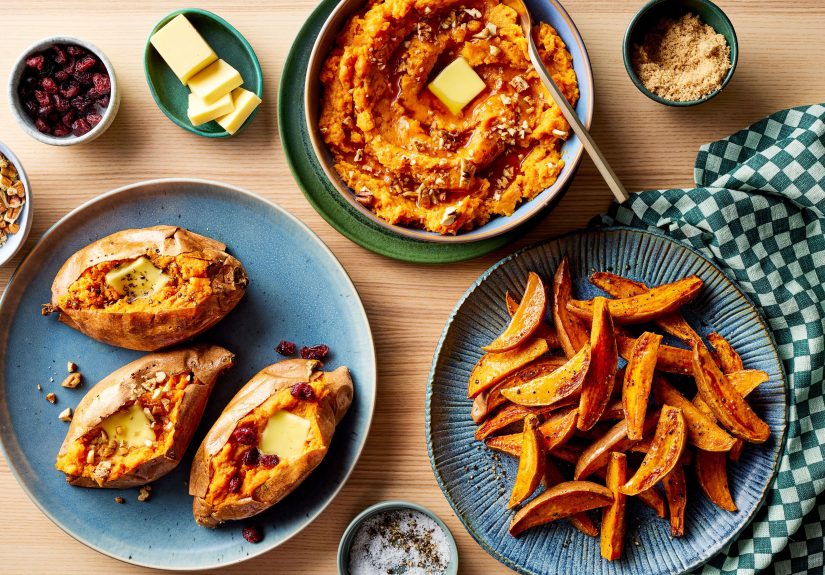
The beauty of sweet potatoes is that they can be simple or impressive. A plain baked sweet potato with butter and salt is fantastic. So is a tray of roasted cubes with spices, a bowl of whipped sweet potato mash, or an air-fried potato stuffed with black beans and avocado. There is no single perfect method, only the one that fits your dinner tonight.
And honestly, that may be the best thing about sweet potatoes. They are easygoing, dependable, and somehow still manage to feel special. We should all be so well-rounded.
Real-Life Cooking Experiences: What Sweet Potatoes Taught Me
There is a funny thing that happens when you start cooking sweet potatoes regularly: you stop thinking of them as a holiday side dish and start treating them like one of the most useful ingredients in the kitchen. That shift usually begins with one successful baked sweet potato and ends with you buying an alarming number of them because they suddenly seem essential to your identity.
One of the first lessons people learn is that sweet potatoes are not one-size-fits-all. The huge ones look impressive, but they can take a while to cook through. The smaller, slimmer ones are often easier for weeknight meals because they bake faster and fit neatly in the microwave or air fryer. That sounds obvious, but in real kitchens, obvious lessons tend to arrive wearing the disguise of “Why is dinner taking forever?”
Another common experience is discovering that different cooking methods solve different problems. On busy days, the microwave feels like magic. You go from raw potato to lunch in minutes, and suddenly a rushed afternoon looks a lot more manageable. On slower evenings, the oven wins because the flavor is richer and the kitchen smells amazing. Roasting cubes becomes the default when people want meal-prep ingredients that can slide into bowls, salads, tacos, grain dishes, or breakfast hashes without complaint.
Then there is the texture revelation. People who think they do not love sweet potatoes often just have not had them cooked the right way for their preferences. Someone who hates watery mash may fall in love with steamed sweet potatoes. Someone who thinks baked sweet potatoes are too soft may become fully devoted to roasted wedges with crisp edges. Someone who wants fast comfort food may become loyal to the microwave forever and never look back. Frankly, that is between them and their appliance.
Sweet potatoes also teach patience in a sneaky way. They look done before they are actually done. The outside can seem soft while the middle is still firm. After a few undercooked attempts, most home cooks learn to trust texture over timing and give the potato the extra few minutes it needs. That lesson transfers to a lot of other cooking too.
Perhaps the best real-life lesson is this: sweet potatoes are flexible enough to make you feel more organized than you actually are. Bake a few on Sunday, and suddenly weekday meals seem very under control. Roast a tray of cubes, and you have side dishes halfway solved. Mash or steam them, and you have a base for soups, bowls, and savory dinners. They are the kind of ingredient that makes everyday cooking easier, which is probably why so many people keep coming back to them. Also, they taste great, which certainly does not hurt.