Table of Contents >> Show >> Hide
- What Is Periorbital Edema?
- Periorbital Edema Pictures: What It Can Look Like (Without the Jump-Scare)
- Quick Safety Check: When Is Periorbital Edema an Emergency?
- Common Causes of Periorbital Edema
- 1) Everyday (Non-Scary) Causes
- 2) Allergies and Angioedema
- 3) Contact Dermatitis and Eyelid Dermatitis (Makeup Isn’t Always Innocent)
- 4) Blepharitis (Inflamed Lid Margins)
- 5) Stye (Hordeolum) and Chalazion
- 6) Infections: Periorbital (Preseptal) Cellulitis vs Orbital Cellulitis
- 7) Sinus Congestion and Upper Respiratory Infections
- 8) Whole-Body Fluid Retention (Systemic Causes)
- 9) Thyroid Conditions (Hypothyroidism and Thyroid Eye Disease)
- 10) Trauma, Bug Bites, and Post-Procedure Swelling
- 11) Medication Effects
- How Clinicians Figure Out the Cause
- Treatments: What Actually Helps (Based on the Cause)
- For Mild Puffiness (Lifestyle-Related)
- For Allergies and Allergic Eye Swelling
- For Eyelid Dermatitis (Irritant or Allergic Contact Dermatitis)
- For Blepharitis
- For a Stye or Chalazion
- For Periorbital Cellulitis
- For Orbital Cellulitis (Emergency)
- For Kidney-, Heart-, or Thyroid-Related Swelling
- For Thyroid Eye Disease
- Prevention Tips That Actually Fit Real Life
- FAQs
- Real-World Experiences (500+ Words): What People Commonly Noticeand What Helps
- Conclusion
Waking up with puffy eyes can feel like your face hosted a secret sleepover and forgot to invite you.
In medical-speak, that swelling around the eyes is often called periorbital edemaa fancy way of saying
“fluid has collected in the tissues around the eye socket.”
Sometimes it’s harmless (hello, salty ramen at midnight). Sometimes it’s your body waving a tiny red flag that says,
“Please investigate me.” This guide breaks down what periorbital edema can look like, the most common causes, and how
it’s treatedplus exactly when you should stop scrolling and get medical care.
What Is Periorbital Edema?
Edema means swelling caused by fluid trapped in body tissues. Periorbital means “around the orbit,”
which is the bony socket that holds your eye. The skin and soft tissue around the eyes are thin and quick to swell,
so even a small amount of fluid can look dramaticlike your eyelids are auditioning for a balloon animal show.
Important: periorbital edema is a symptom, not a diagnosis. The “why” matters, because treatments range from
“use a cool compress” to “you need urgent evaluation.”
Periorbital Edema Pictures: What It Can Look Like (Without the Jump-Scare)
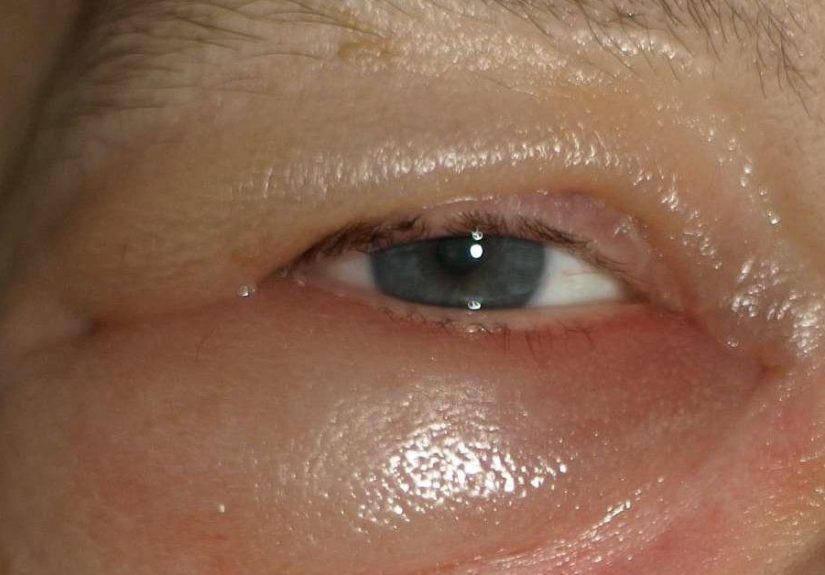
If you search “periorbital edema pictures,” you’ll see a wide rangefrom mild under-eye puffiness to significant eyelid swelling.
Here’s a practical “photo guide” you can use to interpret what you’re seeing:
Visual Clues That Often Point to the Cause
- Both eyes, soft swelling, worse in the morning: fluid shift from lying down, salty foods, lack of sleep, or generalized fluid retention.
- Both eyes + itching, redness, watery eyes: allergies or allergic conjunctivitis.
- One eye, red and tender eyelid: stye, chalazion, localized infection, insect bite, or early cellulitis.
- One eye + fever, worsening pain, or feeling ill: possible periorbital (preseptal) cellulitisneeds medical evaluation.
- Bulging eye, pain with eye movement, double vision, or vision changes: potential orbital cellulitis or other serious orbital conditionurgent.
- Scaly rash, burning, or “new product” timing: eyelid/contact dermatitis from cosmetics, soaps, shampoos, eye creams, or nail products transferred to the eye area.
- Persistent swelling with eye bulging or lid retraction: thyroid eye disease (often linked to Graves’ disease).
SEO-Friendly “Picture” Ideas (You Can Add Your Own Images Later)
If you’re publishing this online, these are common image types readers expectand helpful alt text examples:
- Mild morning puffiness alt: “Mild periorbital edema causing puffy lower eyelids in the morning”
- Allergy-related swelling alt: “Bilateral eyelid swelling with watery eyes consistent with allergies”
- Eyelid dermatitis alt: “Red, swollen eyelids with rash after cosmetic exposure (contact dermatitis)”
- Stye vs chalazion alt: “Localized eyelid bump causing swelling (stye and chalazion comparison)”
- Periorbital vs orbital cellulitis warning signs alt: “Eyelid swelling with red flags for orbital infection requiring urgent care”
Quick Safety Check: When Is Periorbital Edema an Emergency?
Eye-area swelling can be urgent because the eye socket is close to structures you really want to keep unbotheredlike your vision and your brain.
Seek urgent/emergency care if you notice any of the following:
- Vision changes (blurred vision that’s new, double vision, reduced vision)
- Pain with eye movement or trouble moving the eye
- Bulging of the eye (proptosis)
- Fever, severe headache, or feeling significantly unwell
- Rapidly worsening redness and swelling, especially in one eye
- Swelling of lips/tongue/throat, trouble breathing, or faintness (possible severe allergic reaction)
If symptoms are mild and improving, home care may be reasonable. If you’re unsure, it’s safer to get evaluatedespecially for children, older adults,
or anyone with immune system problems.
Common Causes of Periorbital Edema
Think of periorbital edema as a “swelling playlist” with many possible tracks. The key is identifying which one is playing.
1) Everyday (Non-Scary) Causes
- Sleep changes: less sleep or poor-quality sleep can make fluid retention more noticeable around the eyes.
- High-salt meals: sodium encourages water retentionyour eyelids may show it first.
- Alcohol: can contribute to dehydration and fluid shifts that make puffiness stand out.
- Crying: tears + rubbing + inflammation = temporary swelling.
- Hormonal shifts: some people notice cyclical puffiness.
- Aging/genetics: changes in skin support and fat pads can create “bags” that look like swelling.
2) Allergies and Angioedema
Allergies can cause swelling because your immune system releases chemicals (like histamine) that make blood vessels leaky.
That leakage becomes visible quickly around the eyes.
- Seasonal allergies: often cause itching, watery eyes, redness, and swelling.
- Allergic conjunctivitis: eye surface inflammation that can puff up lids.
- Angioedema: deeper swelling under the skin; can affect eyelids and may be triggered by allergens, infections, or some medications.
If swelling is accompanied by breathing issues, dizziness, or throat tightness, treat it as urgent.
3) Contact Dermatitis and Eyelid Dermatitis (Makeup Isn’t Always Innocent)
Eyelid skin is thin and reactive. Irritants and allergens can cause a red, swollen, itchy, burning rash.
Triggers often include cosmetics, sunscreen, fragrances, shampoos, soaps, nail products (yeshands touch eyes), and even new eye drops.
4) Blepharitis (Inflamed Lid Margins)
Blepharitis is inflammation at the base of the eyelashes. It can cause swollen lids, crusting, burning, and a gritty feeling
often worse in the morning. It’s common, annoying, and usually manageable, but it can be chronic.
5) Stye (Hordeolum) and Chalazion
A stye is usually an infected eyelid gland near the lash lineoften tender and red.
A chalazion is more of a blocked oil gland lump that can swell the lid and may be less painful.
Both can make the whole eyelid look puffy, especially early on.
6) Infections: Periorbital (Preseptal) Cellulitis vs Orbital Cellulitis
These are two different conditions that can look similar at firstand the difference matters.
-
Periorbital (preseptal) cellulitis: infection of the eyelid and skin around the eye (in front of the orbital septum).
Often causes eyelid redness, warmth, and swelling; eye movement and vision are typically normalbut medical assessment is still needed. -
Orbital cellulitis: deeper infection inside the orbit (behind the septum). This can cause pain with eye movement, bulging eye,
double vision, reduced eye movement, and vision changesthis is an emergency.
7) Sinus Congestion and Upper Respiratory Infections
Sinus inflammation can cause facial pressure and swelling sensations. In some casesespecially with bacterial spreadsinus disease can be linked with
orbital complications. Most of the time it’s “stuffy nose + puffy face,” but worsening one-sided swelling and fever deserve attention.
8) Whole-Body Fluid Retention (Systemic Causes)
If the swelling is painless, pale, and not itchyespecially if it’s paired with swelling in ankles/legs or sudden weight gainthink about systemic causes.
- Kidney disease (including nephrotic syndrome): can cause noticeable puffiness around the eyes due to protein loss and fluid retention.
- Heart failure: fluid retention can cause swelling in multiple areas; eye puffiness may show up along with other signs.
- Liver disease: can also contribute to generalized edema.
9) Thyroid Conditions (Hypothyroidism and Thyroid Eye Disease)
- Hypothyroidism: can contribute to facial puffiness and eyelid swelling.
- Thyroid eye disease (often with Graves’ disease): autoimmune inflammation of orbital tissues that may cause swelling, bulging eyes,
dryness, pressure, and sometimes double vision.
10) Trauma, Bug Bites, and Post-Procedure Swelling
A minor bump, an insect bite, rubbing the area, or even cosmetic procedures can cause localized swelling.
The timeline helps: sudden onset after a bite or injury is usually a clue.
11) Medication Effects
Some medications can contribute to swelling or trigger allergic-type reactions in sensitive people. If swelling starts soon after a new medication,
contact a healthcare professional promptlyespecially if it progresses or comes with other symptoms.
How Clinicians Figure Out the Cause
Diagnosis is mostly pattern recognitionplus checking for danger signs.
A clinician will usually ask:
- Did it start suddenly or gradually?
- Is it one eye or both?
- Is there itching (often allergy) or pain/warmth (often infection/inflammation)?
- Any new products (makeup, skin care, shampoo), new meds, or known allergies?
- Any fever, sinus symptoms, recent illness, insect bite, or trauma?
- Any swelling elsewhere, foamy urine, shortness of breath, or sudden weight gain?
The exam may include checking vision, eye movements, lid tenderness, skin changes, and signs of infection.
If serious orbital involvement is suspected, imaging (like a CT) may be used to help distinguish deeper orbital disease from superficial eyelid issues.
Treatments: What Actually Helps (Based on the Cause)
The best treatment is the one that matches the cause. Here’s a practical breakdown.
For Mild Puffiness (Lifestyle-Related)
- Cool compress: helps constrict blood vessels and reduce puffiness.
- Elevate your head while sleeping: reduces overnight fluid pooling.
- Reduce sodium for a day or two: especially after salty meals.
- Hydrate normally: dehydration can worsen fluid shifts.
- Avoid aggressive rubbing: it makes inflammation worse.
For Allergies and Allergic Eye Swelling
- Allergen avoidance: as much as realistic (pollen, pets, dust).
- Cold compresses: for soothing relief.
- OTC antihistamines: may help some people (follow label directions and consider medical guidance if you have health conditions).
- Allergy eye drops: can reduce itch and redness (ask a pharmacist/clinician if unsure which is appropriate).
If swelling is severe, recurrent, or involves lips/tongue/throat, get medical careangioedema can be serious.
For Eyelid Dermatitis (Irritant or Allergic Contact Dermatitis)
- Stop the suspected trigger: new eye cream, mascara, makeup remover, fragrance, shampoo, nail product, etc.
- Keep it simple: gentle cleanser, lukewarm water, no scrubbing.
- Protect the skin barrier: a clinician may suggest specific gentle moisturizers or short-term prescription options.
- Avoid “experimenting” with lots of new products: irritated eyelids don’t enjoy surprise parties.
For Blepharitis
- Warm compress: helps loosen crusting and improve oil gland flow.
- Lid hygiene: gentle cleaning of lid margins as recommended by clinicians (often with simple, diluted cleansers designed for eyelids).
- Prescription treatments: sometimes needed if inflammation or bacterial overgrowth is significant.
For a Stye or Chalazion
- Warm compresses several times daily can encourage drainage and healing.
- Don’t squeeze it: this can worsen inflammation or spread infection.
- Medical care: if it’s worsening, affecting vision, very painful, or not improvingtreatments may include prescription meds or in-office procedures.
For Periorbital Cellulitis
This usually requires medical evaluation and prescription antibiotics.
Follow-up matters, because clinicians need to ensure it isn’t progressing toward orbital cellulitis.
For Orbital Cellulitis (Emergency)
Orbital cellulitis is typically treated urgently in a hospital setting. This is not a “wait and see” situation.
If you suspect it, seek emergency care right away.
For Kidney-, Heart-, or Thyroid-Related Swelling
When periorbital edema is part of generalized fluid retention, treatment focuses on the underlying condition.
That can include medical evaluation, lab tests (like urine protein), and condition-specific management plans.
For Thyroid Eye Disease
Treatment depends on severity and may involve coordinated care (often ophthalmology + endocrinology).
Managing thyroid status, avoiding smoking, and addressing inflammation or eye surface dryness are common parts of care.
Prevention Tips That Actually Fit Real Life
- Replace eye makeup regularly and don’t share it (your mascara doesn’t need a social life).
- Patch-test new products and introduce one at a time, especially around the eyes.
- Manage allergies early during peak seasons instead of waiting until your face looks like it lost a boxing match.
- Practice eyelid hygiene if you’re prone to blepharitis.
- Address chronic conditions (thyroid, kidney, heart) with routine medical care.
- Sleep and salt balancenot for “perfection,” but because your eyelids are surprisingly honest critics.
FAQs
Why is periorbital edema worse in the morning?
Lying flat allows fluid to redistribute into facial tissues overnight. Morning puffiness often improves as you’re upright and moving.
If it’s persistent, worsening, or paired with other swelling (legs/ankles), consider medical evaluation.
Is it normal to have puffy eyes with allergies?
Yes. Itching, watery eyes, and swelling are common allergy features. If symptoms are severe, frequent, or involve angioedema signs,
seek medical advice.
Why is only one eye swollen?
One-sided swelling often suggests a localized cause: stye, chalazion, insect bite, injury, dermatitis on that side, or infection.
One-sided swelling with fever, increasing redness, eye pain, or vision changes should be evaluated urgently.
Can I treat this at home?
Mild puffiness or known allergy-related swelling may respond to home measures (cool compress, allergen control, gentle care).
But if you have red flagsfever, vision changes, bulging eye, pain with eye movement, or rapid worseningget medical help.
Real-World Experiences (500+ Words): What People Commonly Noticeand What Helps
Not everyone experiences periorbital edema the same way, but patterns show up again and again. Here are a few
composite, real-life-style scenarios (based on common clinical presentations) that highlight how the “cause” changes the “fix.”
The “Springtime Puffy-Eye Parade”
A lot of people notice their eyelids look swollen during allergy seasonoften along with itchy eyes, sneezing, and a runny nose.
The swelling tends to be bilateral (both eyes), and the skin may look a little pink from rubbing.
The biggest game-changer is usually timing: people who start allergy strategies earlylike minimizing pollen exposure and using
appropriate antihistamine approachesoften report fewer “morning marshmallow eyelids.”
A cold compress can be the quick, low-effort trick that makes you look more “well-rested human” and less “I cried over a movie trailer.”
The “New Eye Cream Betrayal”
Another common story: someone tries a new under-eye product promising to erase fine lines in 48 hours, and the only thing erased is
their confidence in marketing. Eyelids become red, itchy, swollen, or flakysometimes overnight, sometimes after a few days.
This is classic for eyelid/contact dermatitis, and the fastest improvement usually comes from stopping the trigger,
simplifying the routine, and avoiding the urge to “treat it” with five more products. People are often surprised that shampoo,
fragrance, nail products, or hair dye can be involved toobecause hands and rinse water travel. The experience takeaway is simple:
eyelids are sensitive. Introduce products one at a time and treat irritation like a “skin reset,” not a “skin experiment.”
The “One-Eye Mystery Lump”
Many first-time stye/chalazion experiences start with one eyelid feeling tender or “heavy,” then looking noticeably puffy.
People often describe it as a bump that makes the whole lid look swollen, especially in the morning.
The most common helpful habit is warm compressesconsistent, gentle warmth rather than aggressive squeezing.
The emotional arc is predictable: day 1 is denial, day 2 is Googling, day 3 is deciding the eyelid is “ruining my life,”
and day 4 is realizing warm compresses were the correct answer all along. If the lump persists, grows, or starts affecting vision,
that’s when people typically benefit from medical evaluation.
The “Kid’s Puffy Eyelids That Didn’t Match the Day”
Parents sometimes notice a child’s eyelids look unusually puffyespecially in the morningwithout obvious itching or redness.
If it keeps happening and there’s swelling elsewhere (like ankles) or changes in urine appearance (sometimes described as “foamy”),
clinicians may evaluate for kidney-related fluid retention such as nephrotic syndrome. In these experiences, the key point isn’t panic
it’s persistence. Swelling that repeats, spreads, or comes with whole-body symptoms deserves a checkup. Many families report relief simply
from having a clear diagnosis and plan, rather than guessing.
The “Sinus Infection That Got Too Close to the Eye”
A smaller but important group of experiences involves one-sided swelling that worsens alongside fever, facial pain, or sinus symptoms.
People may notice the eyelid looks red and swollen, and they feel generally sick. This can point toward cellulitis.
The big lesson here is that “eye swelling + fever” isn’t a DIY project. When people seek care early, treatment is often more straightforward,
and clinicians can monitor for warning signs that suggest deeper orbital involvement.
Across all these scenarios, a consistent theme emerges: itch usually behaves differently from pain.
Itchy swelling leans allergic/irritant. Painful, hot, tender swelling leans inflammatory or infectious. And any swelling with vision changes,
bulging, or pain with eye movement deserves urgent attention.
Conclusion
Periorbital edema (swelling around the eyes) is common, but the cause isn’t one-size-fits-all. Mild puffiness often comes from sleep, salt,
allergies, or irritation and improves with simple care. But one-sided swelling with pain, fever, or worsening redness can signal infection,
and swelling with vision changes or painful eye movement is a medical urgency.
If your puffy eyes are frequent, severe, or paired with other symptoms (like leg swelling or foamy urine), don’t just blame your pillow.
Get evaluated so treatment targets the real causeand your eyelids can retire from their side career as inflatable props.