Table of Contents >> Show >> Hide
- Why a Toaster Became a Design Crush
- Meet Rowlett Rutland: A Toast-First Company with Serious History
- What Makes a Rowlett Toaster Different
- Toast Performance: What “Good Toast” Really Means
- Choosing a Rowlett: Models, Slots, and the Bread You Actually Eat
- The US Reality Check: Voltage, Availability, and Smart Shopping
- Styling Notes: Where a Rowlett Looks Best
- Care and Keeping: Make It Last (Without Turning Breakfast into Maintenance Day)
- So… Is a Handmade Rowlett Toaster Worth It?
- 500 Extra Words of Experience: What Living with a Rowlett Feels Like
- Conclusion
A toaster is supposed to be boring. It’s the kitchen equivalent of a dependable coworker who never starts drama,
always shows up on time, and somehow knows exactly how browned you like your bread.
And yetevery once in a whilea toaster strolls in and turns “boring” into “borderline obsession.”
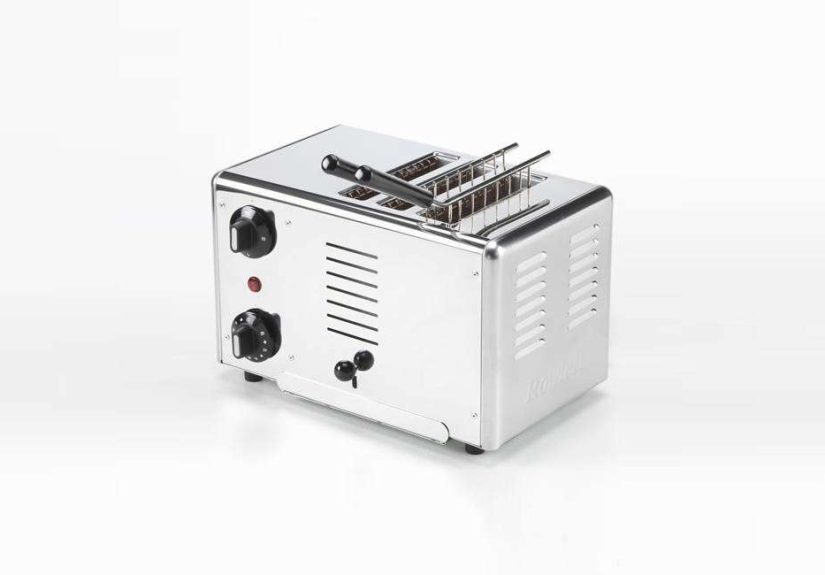
Enter the handmade Rowlett toaster from the UK, the kind of countertop appliance that makes you pause
mid-morning and think: “Wait… is my toaster actually… gorgeous?”
Remodelista didn’t call it an “Object of Desire” for nothing.
Why a Toaster Became a Design Crush
Most of us buy toasters the way we buy a phone charger: quickly, with mild irritation, and only after the old one has
betrayed us at the worst possible time. (Like when you’re late and your breakfast is suddenly “lightly warmed bread.”)
Rowlett flips that script. It’s a toaster that looks intentionallike it belongs in the same conversation as your coffee
grinder, your chef’s knife, and the one mug you refuse to let anyone else use.
The appeal is part aesthetics, part attitude. Rowlett doesn’t whisper “I’m a kitchen gadget.” It says,
“I’m here to work, and I’m staying.” The design reads industrial and straightforwardclean lines, sturdy body,
minimal fusslike it was drafted by someone who enjoys precision and strongly dislikes flimsy plastic.
Meet Rowlett Rutland: A Toast-First Company with Serious History
Rowlett Rutland is based in Bookham, Surrey, England, and its company ethos is refreshingly direct:
toast matters. Their tagline (as featured by Remodelista) is basically a public service announcement:
“Toast brings people together. So show it some respect.”
According to Remodelista’s profile, Rowlett Rutland introduced a commercial toaster in 1946 and followed with a domestic
two-slot version a year later. That timeline alone explains the vibe: this is a brand built on repetition,
reliability, and the daily rhythm of feeding peopleat home and in busy kitchens.
Remodelista also notes that the company has produced multiple lines for commercial and home use, and that certain models
have been in production for decades. In a world where appliances often feel designed for a short, dramatic life,
that kind of continuity is oddly soothing.
What Makes a Rowlett Toaster Different
1) Repairability: The Anti-Disposable Mindset
One of the biggest “why didn’t everyone do this?” features: many Rowlett models are built around
replaceable heating elements, and some even ship with spare elements.
That means a worn-out part doesn’t have to be the end of the toaster’s storyit’s just a maintenance chapter.
This matters for your wallet, yes. But it also matters for sanity. If you’ve ever rage-tossed a toaster because it
started browning like it was rolling dice, you understand the dream: a toaster you can keep going instead of replacing.
2) Commercial DNA (Even If It Lives in Your House)
Rowlett’s roots in commercial kitchens show up in practical ways: multi-slot capacity, durable construction,
and controls that prioritize repeatability. These toasters are meant to handle volumethink weekend brunch crowds,
family breakfasts, or that one friend who eats “just one more slice” until the loaf is history.
3) Slot Selection: Heat Only What You Need
Some Rowlett models include a rotary slot selector that lets you heat only the slots you’re using.
In other words: you can toast two slices without powering the whole machine like you’re launching a bread festival.
This is the kind of small engineering choice that feels quietly brilliant over time.
4) Simple, Legible Controls
While many modern toasters chase screens, sensors, and “smart” features, Rowlett leans into old-school clarity:
a timer, a lever, and a machine that does what you tell it to do. This isn’t anti-technologythis is
pro-not-making-toast-complicated.
Toast Performance: What “Good Toast” Really Means
Professional testers in the US tend to judge toasters on a few core truths:
even browning, repeatability over multiple cycles, and how well a toaster handles different breads
(sandwich slices, thick artisan loaves, frozen waffles, bagels, and anything that calls itself “keto bread”
while tasting like polite cardboard).
Here’s where Rowlett’s approach is different from many consumer toasters you’ll see in American test kitchens.
A lot of mainstream US favorites emphasize convenience buttons (bagel, defrost, reheat) and features like high-lift levers,
wide slots, or quick heating tech. Rowlett, by contrast, brings a more “equipment” mindset: strong, steady heat and
time-based control that you learn once and then rely on.
Practically speaking, this can be great for households that toast the same few bread types daily.
Once you dial in your timing for your preferred loafsay, a sturdy whole wheat or a classic white sandwich breadresults
can be impressively consistent. And consistent toast is underrated. It’s the difference between “breakfast happened”
and “breakfast felt handled.”
Choosing a Rowlett: Models, Slots, and the Bread You Actually Eat
2-Slot vs. 4-Slot vs. 6-Slot: Be Honest About Your Morning Chaos
- 2-slot makes sense for solo toast devotees or small kitchens where counter space is basically a competitive sport.
- 4-slot is the sweet spot for couples, families, and anyone who hosts brunch without wanting to run toast in shifts.
- 6-slot (or more) leans into catering-kitchen energygreat if you’re feeding a crowd or running a small service setup.
Wide vs. Standard Slots: The Bagel Question
Not all toasters treat bread equally. If you’re a bagel person, a thick-sourdough person, or a “slice it myself”
bakery-loaf person, you need to pay attention to slot dimensions. US buying guides often flag this as a deal-breaker:
the best toaster is the one that fits what you actually toast.
Rowlett lines include models marketed as wider-slot options, and others that are more classic-slice friendly.
Translation: don’t guesscheck specs before you commit, especially if your breakfast rotates between bagels,
English muffins, artisan sourdough, and the occasional frozen waffle emergency.
Sandwich Cages and Café Behavior (At Home)
Some Rowlett setups include sandwich cagesan extremely charming nod to café culture.
If you’ve ever wanted to toast a filled sandwich without turning your toaster into a cheese lava exhibit,
a cage accessory is basically a grown-up lunchbox flex.
The US Reality Check: Voltage, Availability, and Smart Shopping
Here’s the unglamorous but crucial part: many Rowlett toasters are built for UK/EU voltage.
If you’re in the United States, you can’t assume plug-and-play.
Your options typically include sourcing a unit designed for US voltage (where available), using proper commercial-grade
power solutions, or accepting that importing a 220–240V toaster may require a serious converter setup.
The takeaway isn’t “don’t do it.” The takeaway is: be deliberate. A Rowlett is the opposite of an impulse buy.
It rewards the kind of shopper who reads specs, measures counter space, and refuses to let a toaster become a fire hazard.
Styling Notes: Where a Rowlett Looks Best
Rowlett’s look is what designers love: it’s utilitarian without being cold.
It pairs beautifully with:
- Modern minimal kitchens (it adds texture without visual clutter)
- English-inspired spaces (it feels authentic, not themed)
- Industrial or café-style kitchens (it looks like it has a job)
- Mixed vintage + modern setups (it bridges eras naturally)
If your countertop already has personalitywood boards, ceramics, maybe a serious espresso machineRowlett fits right in.
It doesn’t compete; it contributes.
Care and Keeping: Make It Last (Without Turning Breakfast into Maintenance Day)
A long-lasting toaster still needs basic care. The big one: crumbs.
Crumbs are tiny chaos. They build up, they smell, and they can make your toaster behave like it’s auditioning
for a smoke alarm duet.
- Empty the crumb tray regularly (especially if you toast sugary bread or pastries).
- Give it breathing roomavoid enclosed spaces and keep flammables away.
- Unplug before deep cleaning and don’t “shake it out” like a maraca unless you enjoy regret.
Treat it like the serious little machine it is, and it’ll return the favor by not ruining your mornings.
That’s a relationship worth investing in.
So… Is a Handmade Rowlett Toaster Worth It?
It depends on what you want your kitchen to feel like.
Rowlett makes sense if you:
- Toast daily and care about consistency
- Value repairability and hate throwaway appliances
- Want a commercial-grade vibe without a commercial-sized footprint
- Love timeless design that doesn’t scream for attention
Maybe skip it if you:
- Need ultra-wide slots for thick bagels all the time (unless you choose a wide-slot model)
- Want lots of digital presets and “smart” automation
- Don’t want to deal with voltage considerations when importing
But if your dream toaster is “beautiful, sturdy, and not disposable,” Rowlett hits a rare sweet spot:
design object + everyday tool, with enough backbone to feel like it could outlast a few kitchen trends.
500 Extra Words of Experience: What Living with a Rowlett Feels Like
Let’s talk about the unboxing momentbecause yes, that’s a thing with a Rowlett. This isn’t the kind of appliance that
arrives looking like it was designed to survive a single year of weekday breakfasts. The first impression is weight and
solidity. You lift it out and immediately get the message: “I am not here to be cute. I am here to perform.”
The first week is a calibration week, in the best possible way. If you’re used to a modern toaster with a “bagel” button
and a dial you never fully trust, Rowlett’s timer-driven approach feels more like learning a reliable tool than gambling
on a mood. Day one: you toast your usual sandwich bread and realize you may have been living with under-toasted sadness
for years. Day two: you try thicker slices and discover that timing matters more than you thought, because bread density
is basically physics disguised as breakfast.
Then the small rituals begin. You start buying better bread because the toaster “deserves it,” which is a sentence you
never thought you’d say out loud. You find yourself actually cleaning the crumb tray before it becomes a crunchy
archaeological site. You notice that your morning routine is calmer because the toast comes out the way you expect, not
the way it “felt like” coming out.
If you have a household, the multi-slot experience becomes its own little social choreography. Two slices pop up, you
start buttering, two more go down, someone calls dibs on “the slightly darker one,” and suddenly toast isn’t just fuel
it’s the opening act of the day. The rotary slot selector (on models that have it) makes you weirdly efficient: you toast
what you need, when you need it, without running the whole machine at full blast like you’re catering a conference.
The most surprising part is how quickly you stop thinking about the toasterbecause it simply does its job. And that’s
the real luxury: not endless features, but dependable results. Over time, you also appreciate the repair-friendly logic.
Knowing elements can be replaced changes the relationship. You don’t treat it like a disposable gadget; you treat it
like equipment. That mindset shift is subtle, but it’s real. You’re less likely to accept “good enough” toast, less
likely to shrug off uneven browning, and more likely to keep one solid machine running for years instead of cycling
through a string of disappointing substitutes.
In the end, living with a Rowlett feels like having a small piece of café competence on your counter. Not fussy.
Not fragile. Just quietly excellentday after dayuntil you forget that “toaster drama” was ever a normal part of life.
Conclusion
The Rowlett story is refreshingly old-fashioned: build it well, make it serviceable, and let the results speak every
morning. That’s why it fits Remodelista’s “Object of Desire” category so neatly. It’s not trying to reinvent breakfast.
It’s trying to respect it.
If you want a toaster that looks like it belongs in a well-considered kitchenand behaves like it belongs in a
hardworking onea handmade Rowlett toaster is the kind of upgrade that feels small, then quickly becomes part of your
daily standard.