Table of Contents >> Show >> Hide
- Why Freshness Is the Real Secret
- How She Chooses the Best Ears of Corn
- The Farmer’s Secret: Leave the Husk On Until the Last Minute
- Her Favorite Way to Cook Corn on the Cob
- Boiling vs. Steaming vs. Grilling: What Works Best?
- Common Mistakes That Ruin Corn on the Cob
- How to Serve Perfect Corn on the Cob
- Why This Method Works So Well
- The Real Takeaway for Better Corn on the Cob
- Extra Summer Notes From Life With a Farmer Mother-in-Law
- Conclusion
- SEO Tags
Some families pass down jewelry. Some pass down recipes. My mother-in-law, a lifelong farmer with hands tougher than cast iron and opinions stronger than black coffee, passed down something even more useful in July: the secret to perfect corn on the cob.
And no, it is not a fancy butter blend, a gourmet seasoning rub, or a suspiciously expensive kitchen gadget that promises to “transform” vegetables. Her secret is gloriously simple: start with very fresh corn, keep the husk on until the last minute, and cook it just long enough to heat it through. That’s it. No drama. No corn yoga. No ceremonial pot of water the size of a hot tub.
If you have ever bitten into corn on the cob that tasted watery, chewy, or weirdly tired, chances are the problem was not your butter. It was timing. Great sweet corn is at its best when it is fresh, properly stored, and cooked with restraint. In other words, the less you fuss with excellent corn, the better it rewards you.
Here is exactly how my mother-in-law approaches fresh sweet corn, why her method works, and how you can use the same trick to make every summer dinner taste like peak farm season.
Why Freshness Is the Real Secret
My mother-in-law says the biggest mistake people make with corn on the cob is treating it like a pantry vegetable instead of a just-picked treasure. Sweet corn starts changing almost immediately after harvest. The natural sugars that make it taste juicy and candy-sweet begin fading, which is why corn that looked fine at the store can still taste a little disappointing by the time it reaches your plate.
That is why her rule is simple: buy it fresh, refrigerate it quickly, and cook it soon. If she picks corn in the morning, she wants it eaten that day. If it comes from a farm stand or grocery store, she still cooks it as fast as possible rather than letting it lounge around the fridge like it has nowhere to be.
This is the first big lesson behind perfect corn on the cob: before you even think about boiling, grilling, or buttering, freshness matters more than technique. A genius cooking method cannot rescue sad corn. It can only introduce it to hot water.
How She Chooses the Best Ears of Corn
If you shop with a farmer, you will learn quickly that produce selection is not casual. It is an event. My mother-in-law does not squeeze every ear like she is testing stress balls, but she does inspect corn with the seriousness of a jeweler evaluating diamonds.
Look for bright, healthy husks
The husk should be green, snug, and slightly damp-looking, not dry, brittle, or yellowing. Fresh husks protect the kernels and help preserve moisture. If the outer leaves are papery and sad, the corn may have been sitting too long.
Check the silk
The silk at the top should be golden to light brown and a little sticky, not black, slimy, or completely dried out. Healthy silk usually means the ear is still in good shape.
Feel for plump kernels
Without peeling the whole ear open like a holiday gift, gently run your hand along the outside. You want the ear to feel full, firm, and evenly packed. Missing patches can mean undeveloped kernels or poor pollination.
Do not fully shuck it at the store
This is one of her pet peeves. She says peeling back the husk in the produce aisle may satisfy your curiosity, but it dries the corn out faster and makes a mess for everyone else. A quick peek at the tip is one thing. Fully undressing the ear in public is another.
The Farmer’s Secret: Leave the Husk On Until the Last Minute
This is the move she swears by. Once the corn gets home, she leaves the husk on and stores the ears in the refrigerator until she is ready to cook. That outer layer acts like natural packaging. It protects moisture, shields the kernels, and helps the corn stay fresher.
Then, when it is time to cook, she shucks the ears just before they hit the pot, steamer, or grill. This tiny habit makes a surprisingly big difference. Corn that sits around naked on a tray may look photo-ready, but it dries out more quickly. Corn that stays wrapped in its own leafy jacket gets to keep more of its natural sweetness and tenderness.
It is not glamorous advice, which is exactly why it is good advice. Farmers are rarely interested in kitchen theater. They want flavor, texture, and results.
Her Favorite Way to Cook Corn on the Cob
You might expect a farmer to have some wildly specific wood-fire ritual involving a kettle, a field stone, and a speech about tradition. My mother-in-law is much more practical. When she wants classic summer corn, she uses a simple, fast cooking method: brief boiling or steaming.
Her goal is not to aggressively cook the corn into submission. Her goal is to warm the kernels, keep them juicy, and preserve their natural sweetness. Fresh corn does not need a long spa treatment in boiling water. It needs a quick dip and a quick exit.
Her basic stovetop method
- Bring a large pot of water to a boil, or set up a steamer.
- Shuck the corn right before cooking.
- Add the ears and cook only until the kernels are hot and tender-crisp.
- Remove promptly and serve immediately.
That short cooking time is the heart of the method. Too little time and the corn stays raw in spirit. Too much time and it starts losing its snappy texture. She is aiming for that sweet spot where the kernels pop gently when you bite them, rather than collapsing like wet packing peanuts.
Boiling vs. Steaming vs. Grilling: What Works Best?
The truth is that several methods can make delicious corn on the cob. The best one depends on the kind of meal you want and how fresh the corn is.
Boiling
Boiling is quick, easy, and ideal when you are feeding a crowd. It produces juicy, classic corn with almost no fuss. This is the method my mother-in-law uses most often for very fresh sweet corn because it lets the corn taste like itself.
Steaming
Steaming is excellent if you want to avoid waterlogging the flavor. It gently cooks the kernels while preserving texture and sweetness. If you tend to overboil corn, steaming is your friend. It is forgiving and reliable.
Grilling
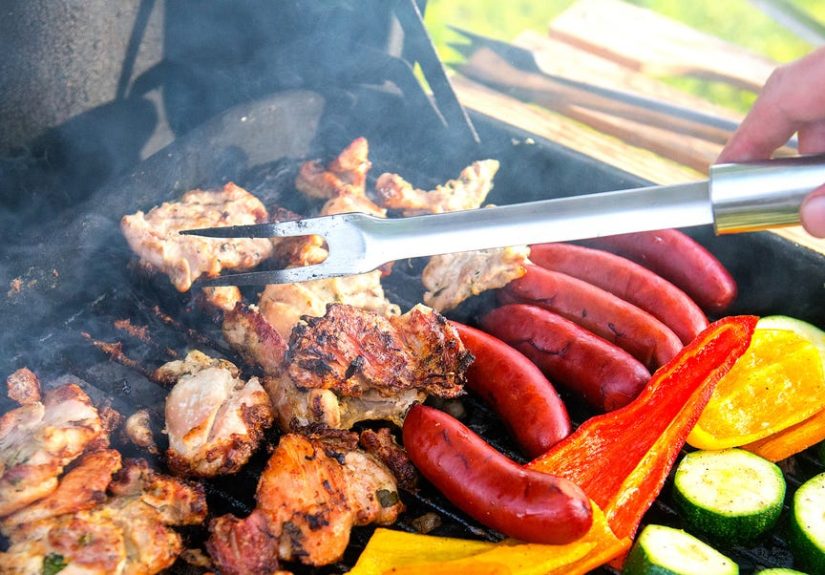
Grilling adds smoky flavor and a little char, which is fantastic for cookouts. You can grill corn in the husk, wrapped in foil, or directly on the grates. My mother-in-law likes grilled corn, but she considers it a flavor choice rather than the default best method. For pure, perfect fresh corn flavor, she still leans toward a short stovetop cook.
Microwaving
Yes, microwaving works, especially for a few ears at a time. It is convenient, fast, and surprisingly effective. But if the question is what makes the best corn on the cob for a family dinner, she votes for the pot or steamer every time.
Common Mistakes That Ruin Corn on the Cob
If you want the best corn on the cob, it helps to know what not to do. My mother-in-law has a running list, and it is delivered with the energy of a person who has seen too many good vegetables suffer.
1. Waiting too long to cook it
The longer fresh corn sits, the more its peak sweetness fades. Buy it close to when you plan to eat it.
2. Shucking it too early
Removing the husk too soon can dry the kernels and shorten the freshness window. Keep it wrapped until cooking time.
3. Overcooking it
Corn does not need an extended boiling marathon. Long cooking can make kernels less crisp and less lively.
4. Buying corn with tired husks
Dry, yellowing husks and brittle silk are not good signs. Start with better ears and your job gets much easier.
5. Masking mediocre corn with too many toppings
Butter, salt, chili, cheese, and herbs are wonderful. But they should support great corn, not distract from dull corn. If you need half a spice cabinet to make it edible, the corn is telling on itself.
How to Serve Perfect Corn on the Cob
When the corn is truly fresh and properly cooked, it barely needs help. My mother-in-law usually serves it one of three ways.
Classic butter and salt
This is the everyday favorite. A smear of butter, a pinch of salt, and done. No one needs a ten-minute explanation. People just start eating.
Herb butter
For cookouts or dinner parties, she softens butter and mixes in chopped parsley, chives, basil, or a little garlic. It adds flavor without burying the sweetness.
Smoky summer version
If the corn is grilled, she may finish it with lime, black pepper, and a bit of grated cheese. It is not traditional farm-table simplicity, but she is not above a little fun when the weather is good.
Her serving philosophy is the same as her cooking philosophy: let the corn stay the star. The best corn on the cob should taste unmistakably like sweet corn, not like a condiment delivery system.
Why This Method Works So Well
The beauty of my mother-in-law’s secret is that it respects the ingredient. Fresh sweet corn already contains everything you want: crunch, juice, sweetness, and a subtle grassy flavor that tastes like summer itself. Good technique is really just a way of not getting in its way.
Keeping the husk on helps protect freshness. Cooking the corn quickly keeps the kernels plump and lively. Serving it right away lets you enjoy it at its best instead of after it has been reheated into a side dish with emotional baggage.
This method also works because it is repeatable. You do not need advanced cooking skills or expensive equipment. You need a pot, a little common sense, and the self-control not to overcomplicate things. That last part is harder than it sounds, especially on the internet, where every vegetable apparently needs a “hack.”
The Real Takeaway for Better Corn on the Cob
If you remember nothing else, remember this: the secret to perfect corn on the cob is freshness plus restraint. Buy good ears. Keep them cold. Leave the husk on. Cook them briefly. Eat them fast. Smile smugly.
That is the farmer mindset in a nutshell. You do not improve produce by making it more complicated. You improve it by paying attention from the moment you buy it to the moment you serve it.
So the next time you bring home a bag of sweet corn, skip the gimmicks. Trust the field-tested wisdom of someone who has spent years growing the stuff. My mother-in-law may not call it culinary philosophy, but that is exactly what it is: treat good corn well, and it will do most of the work for you.
Extra Summer Notes From Life With a Farmer Mother-in-Law
The funny thing about learning how to make perfect corn on the cob from my mother-in-law is that the lesson was never really just about corn. It was about paying attention. When I first married into the family, I thought corn was corn. It came in a pile, it went in a pot, and then everybody added butter until their fingerprints disappeared. I had no idea there could be so much quiet strategy behind one humble side dish.
Then summer arrived, and I watched her handle sweet corn like it was the headline act at a county fair. She would come in from the market, set the bag down on the counter, and immediately talk about timing. Not tomorrow. Not “sometime this week.” Tonight. She did not say it dramatically, but she spoke with the confidence of someone who had harvested enough produce to know exactly how flavor can fade when people get lazy.
I remember one evening when relatives were visiting, kids were running through the yard, and the grill was doing its usual hero act with burgers and hot dogs. I offered to shuck all the corn early so we could “get ahead.” She looked at me kindly, but with the unmistakable expression of a woman who had just watched someone almost store milk in the pantry. “Leave the husks on,” she said. “That’s their protection.” It was such a simple sentence, but it stuck with me.
Later, when dinner was finally ready, she shucked the corn at the last minute, dropped it into boiling water, and pulled it out before I had even fully committed to setting the table. The kernels were bright, crisp, and sweet in a way I had never paid attention to before. Not sweeter because of sugar. Not richer because of butter. Just naturally sweet, fresh, and alive. It tasted like actual summer rather than just a side dish next to summer.
That was also the night I realized farmers often make the best cooks for one big reason: they respect ingredients before they ever start seasoning them. They know what fresh food is supposed to taste like, so they do not panic and start throwing five competing flavors at it. They know the goal is not to “do more.” The goal is to do enough and stop.
Since then, I have made corn on the cob for neighborhood cookouts, weeknight dinners, and holidays where the weather was too hot to turn on half the kitchen. Every time I am tempted to overthink it, I hear her voice in my head telling me not to strip the ears too soon and not to boil them forever. It is farm wisdom, yes, but it is also just practical kitchen wisdom. Fresh food rewards confidence.
And now, whenever someone takes a bite and says, “Why is this corn so good?” I try not to act too proud while casually repeating the secret like I invented agriculture. But the credit belongs to her. She taught me that perfect corn on the cob is not magic. It is timing, freshness, and the good sense to leave well enough alone. Which, honestly, is not a bad rule for a lot of things in life.
Conclusion
My mother-in-law’s secret to perfect corn on the cob is not flashy, but it is reliable: choose fresh sweet corn, keep the husk on until the last minute, and cook it only briefly. That combination preserves moisture, texture, and the natural sweetness that makes summer corn worth waiting for all year. Whether you boil, steam, or grill it, the best results come from respecting the ingredient instead of overworking it. In a world full of food trends and overcomplicated “kitchen hacks,” this is one old-school tip that deserves to survive forever.