Table of Contents >> Show >> Hide
- What Is a Riley Headboard Slipcover?
- Why the Riley Headboard Slipcover Still Gets Attention
- Main Benefits of a Riley Headboard Slipcover
- Fabric Options: What to Look For
- How to Choose the Right Riley Headboard Slipcover
- How to Style a Riley Headboard Slipcover
- Cleaning and Care Tips
- Riley Headboard Slipcover vs. Reupholstering
- Buying Tips for Replacement Riley Headboard Slipcovers
- Common Mistakes to Avoid
- Is a Riley Headboard Slipcover Worth It?
- Real-Life Experiences With a Riley Headboard Slipcover
- Conclusion
A bedroom can be calm, beautiful, and grown-upuntil the headboard starts looking like it survived a pillow fight, a coffee incident, and three seasons of “I’ll clean it later.” That is exactly where the Riley Headboard Slipcover earns its place in the conversation. It is not the loudest piece in the room. It does not sparkle, beep, recline, or require an app. But it does one very useful thing: it gives a headboard a fresh, soft, tailored look without forcing you to buy an entirely new bed.
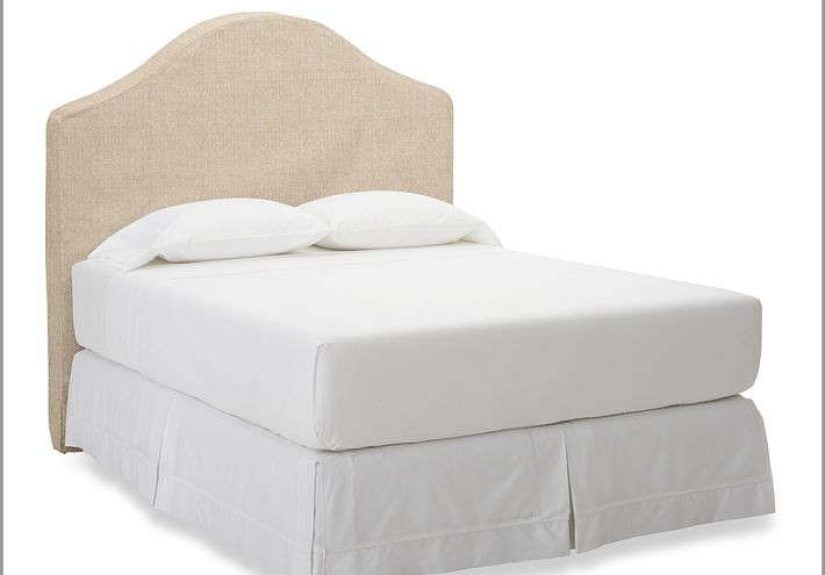
The Riley Headboard Slipcover is most commonly associated with the Pottery Barn Riley headboard concept: a simple upholstered headboard designed to work with removable slipcovers. The original Riley headboard was appreciated for its cozy backrest shape, classic proportions, and the ability to change fabrics or colors over time. That slipcovered idea is what makes it appealing today, even when shoppers are searching resale marketplaces, vintage listings, replacement covers, or custom alternatives.
In practical terms, a headboard slipcover is a style refresh, a protective layer, and a decorating shortcut rolled into one. It can soften a room, hide tired upholstery, protect fabric from dust and body oils, and make seasonal bedroom updates feel surprisingly easy. Think of it as a wardrobe change for your bed. Your mattress gets sheets. Your pillows get cases. Your headboard, frankly, has been waiting for its moment.
What Is a Riley Headboard Slipcover?
A Riley Headboard Slipcover is a removable fabric cover made to fit over a compatible Riley-style headboard. Unlike a permanently upholstered headboard, which keeps the same fabric until you reupholster or replace it, a slipcovered headboard can be dressed in different fabrics, colors, and textures.
The classic Riley headboard design was known for a padded, rectangular shape with enough height to feel substantial behind pillows. Product archive information describes Riley headboards in common bed sizes such as twin, full, queen, and king, with a slim depth and a tall profile. The slipcover was sold separately in some versions, which allowed buyers to choose a fabric style and later swap it out.
That separate-slipcover setup is the secret sauce. It means the headboard frame can stay in place while the look changes. A natural linen slipcover can make the room feel breezy and relaxed. A white twill cover can make everything look crisp and clean. A patterned or darker fabric can bring more personality and help disguise everyday wear. For anyone who gets bored with decor faster than a phone battery drains during vacation, that flexibility matters.
Why the Riley Headboard Slipcover Still Gets Attention
The Riley Headboard Slipcover remains interesting because it solves several real-life bedroom problems at once. First, it is less wasteful than replacing a full bed or headboard. Second, it makes fabric maintenance easier. Third, it gives renters, homeowners, parents, pet owners, and design lovers a way to change a room without calling a delivery truck.
Slipcovered furniture has long been popular because it feels relaxed rather than fussy. A slipcovered bed or headboard says, “Yes, this room is stylish,” but also, “No, we are not panicking if someone leans against it with damp hair.” That balance is important in modern homes, where furniture needs to look good and survive actual humans.
The Riley style also fits many decorating tastes. It can work in coastal bedrooms, cottage-inspired rooms, transitional spaces, guest rooms, kids’ rooms, and minimalist apartments. The shape is simple enough not to fight with bedding, wall art, lamps, or nightstands. In design language, it is a supporting actor with excellent timing.
Main Benefits of a Riley Headboard Slipcover
1. It Refreshes the Room Without Replacing the Bed
Buying a new bed can be expensive, inconvenient, and emotionally dramatic if stairs are involved. A slipcover offers a smaller, smarter update. If the headboard shape is still good but the fabric looks dated, faded, stained, or simply boring, a new cover can change the entire mood of the room.
For example, a beige linen slipcover can make a dark bedroom feel softer. A white cotton or twill cover can brighten a small room. A deeper shade, such as charcoal, navy, olive, or patterned fabric, can make the bed feel more grounded. The change is visual, but the effect can feel almost architectural because the headboard is one of the largest vertical surfaces in a bedroom.
2. It Adds Protection
Headboards collect more than compliments. Fabric headboards can pick up dust, pet hair, skin cells, hair products, body oils, and the mysterious little fuzz that appears even in homes where no one admits to creating fuzz. A slipcover helps protect the underlying headboard from direct contact.
This matters especially if the bed is used for reading, working on a laptop, watching TV, or weekend lounging. The headboard becomes a backrest, and backrests get used. A removable cover acts like a washable or cleanable shield, depending on the fabric care instructions.
3. It Makes Seasonal Decorating Easier
Some people change bedding by season. A headboard slipcover lets the bed join the party. Light linen in spring and summer can create an airy look. Heavier textures or warmer colors in fall and winter can make the room feel cozy. The change does not have to be dramatic. Even moving from bright white to natural flax can make the bedroom feel calmer and more layered.
4. It Works Well for Guest Rooms
Guest rooms are often where older furniture goes to live its second career. A Riley Headboard Slipcover can make a guest bed feel intentional rather than “this is where the extra furniture retired.” Add fresh bedding, a lamp, and a clean slipcover, and the room suddenly looks planned. Your guests may not notice the slipcover specifically, but they will notice that the room feels finished.
Fabric Options: What to Look For
The right fabric depends on how the bedroom is used. A primary bedroom needs durability and comfort. A guest room may prioritize looks. A child’s room needs forgiveness, because children have a supernatural ability to transfer snacks onto surfaces that should never meet snacks.
Linen and Linen Blends
Linen gives a relaxed, natural look. It works beautifully in coastal, farmhouse, cottage, and casual modern bedrooms. Natural linen colors are especially popular because they pair well with white bedding, wood furniture, woven shades, and soft neutral rugs. The tradeoff is that linen can wrinkle. For many people, that is part of the charm. For others, it is a tiny fabric betrayal.
Cotton and Twill
Cotton and twill slipcovers often feel crisp, sturdy, and familiar. A white or ivory twill cover can make a bedroom look clean and classic. Twill can also feel slightly more structured than loose linen, which helps if you want the headboard to look tailored rather than rumpled.
Performance Fabrics
Performance fabrics are a smart choice for busy homes. They are often designed to resist stains, clean more easily, and tolerate regular use. If pets sleep on the bed, children climb on it, or coffee occasionally travels where coffee should not travel, performance fabric may be worth considering.
Patterned Fabric
A patterned Riley Headboard Slipcover can turn the headboard into a focal point. Small-scale stripes, florals, checks, or geometric patterns can add charm without overwhelming the room. Pattern also has one highly practical advantage: it hides minor marks better than plain white fabric.
How to Choose the Right Riley Headboard Slipcover
Before buying a replacement slipcover, verify the size and shape of your headboard. “Riley” can refer to a specific discontinued product, a resale listing, or a style-inspired cover. Do not rely on the name alone. Measure everything.
Measure Width, Height, and Depth
Start with the headboard width from side to side. Then measure the height from the top edge to the lowest point the cover needs to reach. Finally, measure the depth or thickness. A slipcover that is too tight may pull at seams or refuse to cooperate. A slipcover that is too loose can sag, wrinkle, or look like the bed borrowed an oversized shirt.
Check the Headboard Shape
The original Riley-style headboard is generally simple and rectangular, but shoppers should still confirm corners, top shape, leg placement, and any hardware. Some slipcovers are designed to slide over the headboard like a sleeve, while others may use ties, seams, hidden closures, or tailored panels.
Match the Fabric to Your Lifestyle
For a low-traffic guest room, natural linen or white cotton may be perfect. For a primary bedroom with pets, kids, or nightly reading, choose a darker, patterned, or performance fabric. If the bedroom gets strong sunlight, consider whether the fabric may fade over time. If you love breakfast in bed, first of all, excellent life choice. Second, choose fabric accordingly.
How to Style a Riley Headboard Slipcover
A slipcovered headboard works best when it looks intentional. The goal is not merely to cover the headboard. The goal is to make the bed feel layered, comfortable, and finished.
For a Classic Neutral Bedroom
Use a natural linen or ivory slipcover with white sheets, a textured quilt, and two or three neutral pillows. Add warm wood nightstands and soft lighting. This look is easy to maintain and rarely goes out of style.
For a Coastal Look
Choose a white, oatmeal, or pale blue slipcover. Pair it with striped bedding, woven baskets, rattan accents, and light oak or painted furniture. Keep the palette breezy. The goal is “fresh beach house,” not “souvenir shop had a sale.”
For a Cottage or Farmhouse Bedroom
Try a linen, ticking stripe, soft floral, or checked slipcover. Layer it with a quilt, vintage-style lamps, and warm metal finishes. A slightly relaxed fabric texture works well here because cottage style should feel lived in, not laminated.
For a Modern Room
Use a smooth white, gray, charcoal, or navy cover. Keep bedding simple with fewer pillows and cleaner lines. Add black metal, sculptural lamps, and minimal artwork. A slipcover does not have to look rustic; with the right fabric, it can feel crisp and modern.
Cleaning and Care Tips
Always follow the care label on the slipcover first. That little tag may not be glamorous, but it knows things. Some slipcovers may be machine washable, while others may require dry cleaning, spot cleaning, or professional upholstery care.
Vacuum Regularly
Use a vacuum with an upholstery attachment to remove dust, hair, and debris. Pay attention to seams, edges, and the area where pillows meet the headboard. Monthly vacuuming is a good habit for many homes, while pet owners may need to do it more often.
Spot Test Before Cleaning
Before using soap, upholstery cleaner, or stain remover, test a hidden area. This helps prevent discoloration, water rings, or texture changes. If the test spot reacts badly, stop immediately. The headboard is not the place for cleaning experiments that begin with “What could possibly go wrong?”
Avoid Over-Wetting
When cleaning fabric, use minimal moisture. Too much water can leave rings, affect the fabric backing, or create drying problems. Blot gently instead of scrubbing aggressively. Scrubbing can push stains deeper into fibers and damage the surface.
Use Baking Soda for Odor Control
For general freshening, sprinkle baking soda lightly over the slipcover, let it sit for about 20 to 30 minutes, and vacuum thoroughly. This can help absorb odors, especially in rooms where the bed is used often.
Launder Only If the Label Allows It
If the slipcover is machine washable, wash it according to the label instructions. Cold water and gentle cycles are often safer for many fabrics, but the tag should make the final call. Avoid high heat unless the manufacturer specifically allows it, because heat can shrink fabric and turn a perfect fit into a wrestling match.
Riley Headboard Slipcover vs. Reupholstering
Reupholstering a headboard can look beautiful, but it is usually more expensive and less flexible. It involves removing old fabric, adding new fabric, and often paying for skilled labor. A slipcover is simpler. It can be removed, cleaned, replaced, or changed with the season.
If the headboard frame is damaged, reupholstery or replacement may be necessary. But if the frame is sound and the issue is only color, texture, or surface wear, a Riley Headboard Slipcover is often the more practical solution.
Buying Tips for Replacement Riley Headboard Slipcovers
Because some Riley headboard products may no longer be widely sold as current retail items, shoppers often look through resale listings, marketplace sellers, custom slipcover makers, or compatible alternatives. When buying secondhand, inspect photos carefully. Look for stains, fading, missing closures, incorrect sizing, fabric wear, and whether the listing is for the slipcover only or the entire headboard.
Also confirm the bed size. A twin slipcover will not magically fit a queen headboard, no matter how persuasive you are. If the listing says “Riley Headboard Slipcover Queen Linen Natural,” compare the measurements to your actual headboard before purchasing.
For custom options, provide exact measurements and clear photos. A good custom slipcover maker may ask about thickness, seam placement, corner shape, and whether the cover needs openings for legs or brackets. The more accurate your information, the better the final fit.
Common Mistakes to Avoid
Buying by Name Only
Do not assume every Riley slipcover fits every Riley-style headboard. Product lines change, sellers use names loosely, and resale listings may be incomplete. Measurements are your best friend.
Ignoring Fabric Care
A white linen slipcover may look dreamy, but if the room belongs to a chocolate-loving child or a golden retriever with ambition, choose wisely. Beauty matters, but maintenance matters too.
Forgetting the Bedding
The headboard and bedding should work together. If the slipcover is patterned, keep bedding simpler. If the slipcover is plain, add interest with pillows, quilts, throws, or texture.
Expecting a Slipcover to Fix Structural Problems
A slipcover can hide fabric wear, but it cannot fix a wobbly frame, broken legs, or hardware issues. Check the headboard structure before investing in a new cover.
Is a Riley Headboard Slipcover Worth It?
For many people, yes. A Riley Headboard Slipcover is worth considering if you already own a compatible headboard, want to refresh a bedroom affordably, or prefer furniture that can adapt over time. It is especially useful for people who like classic design but still want flexibility.
The best part is that it does not require a full room makeover. You can change the headboard cover, adjust the bedding, add a lamp or two, and suddenly the bedroom feels new. That is the kind of low-drama home improvement most of us can support.
Real-Life Experiences With a Riley Headboard Slipcover
Living with a Riley Headboard Slipcover is less about a dramatic design reveal and more about the small daily pleasures of a room that feels cleaner, softer, and easier to update. One of the first things people tend to notice is how much visual space the headboard occupies. Because the headboard sits directly behind the pillows, even a subtle fabric change can shift the whole bedroom mood. Replacing a darker or dated cover with a natural linen one can make the room feel brighter in the morning. Switching from plain fabric to a quiet pattern can make a basic bed look styled without adding a mountain of decorative pillows.
In a guest room, the experience is especially rewarding. A slipcovered headboard can make an older bed look thoughtfully maintained. Guests may not know exactly what changed, but they often sense that the room feels fresh. A clean slipcover, crisp sheets, and a folded throw at the foot of the bed can create a boutique-style effect without boutique-style spending. It is the design equivalent of combing your hair before a video call: simple, but surprisingly effective.
For everyday use, the practical benefits become obvious over time. If you like to sit up in bed reading, the headboard naturally collects contact marks from hair, shoulders, and pillows. A removable slipcover makes that reality less stressful. Instead of treating the headboard like a museum object, you can actually use it. That is important because bedrooms are not showroom displays. They are places where people read, rest, fold laundry, scroll too long, and occasionally eat crackers despite knowing better.
Pet owners may appreciate the slipcover even more. Cats love fabric surfaces. Dogs love leaning against anything that smells like their favorite human. A Riley-style slipcover gives the headboard a protective layer against fur and light dirt. Regular vacuuming with an upholstery attachment can keep the cover looking presentable, and darker or textured fabrics are more forgiving than bright white options. White slipcovers are beautiful, but they are honest. They report everything.
Another real-life advantage is design confidence. Many people hesitate to buy colorful furniture because they fear getting tired of it. A slipcovered headboard lowers that risk. You can start with a neutral cover and later try a stripe, floral, or seasonal color. If your taste changes, the entire bed does not have to be replaced. That flexibility is helpful for young adults furnishing first apartments, families updating kids’ rooms, and homeowners slowly improving a space over time.
The only real caution is fit. A well-fitted slipcover looks tailored and intentional. A poor fit can look sloppy. Anyone buying a replacement Riley Headboard Slipcover should measure carefully and compare dimensions before ordering. If shopping secondhand, ask for additional photos if needed, especially of seams, corners, closures, and fabric condition. A bargain is only a bargain if it fits.
Overall, the experience of using a Riley Headboard Slipcover is pleasantly practical. It offers the satisfaction of a room refresh without the mess of a renovation. It protects a hardworking piece of furniture. It lets the bed change outfits. And in a home where style and real life constantly negotiate for space, that is a very useful little luxury.
Conclusion
The Riley Headboard Slipcover is a smart solution for anyone who wants a bedroom refresh without replacing the entire bed. It brings together comfort, flexibility, protection, and classic style in one simple fabric layer. Whether you prefer natural linen, crisp cotton, performance fabric, or a patterned design, the right slipcover can make a familiar headboard feel new again.
Its biggest strength is adaptability. A Riley-style slipcovered headboard can move through seasons, trends, life stages, and decor moods with less waste and less expense than buying new furniture. Measure carefully, choose fabric realistically, care for it properly, and the slipcover can become one of the most useful pieces in the room. Not flashy. Not complicated. Just quietly brilliantlike a good bedside lamp or a drawer that actually closes.