Table of Contents >> Show >> Hide
- Why This Tomato Soup With Chickpeas and Lentils Works
- Ingredients
- How to Make Tomato Soup With Chickpeas and Lentils
- Recipe Tips for the Best Flavor
- Healthy Benefits of Chickpeas and Lentils in Tomato Soup
- Serving Ideas
- Storage, Freezing, and Meal Prep
- Easy Variations
- Common Mistakes to Avoid
- Kitchen Experiences: What This Soup Teaches You
- Conclusion
There are soups that whisper, and then there are soups that walk into the kitchen wearing boots and carrying groceries. This Tomato Soup With Chickpeas and Lentils is the second kind. It is hearty without being heavy, cozy without requiring a snowstorm, and satisfying enough to make a grilled cheese feel slightly nervous about its job security.
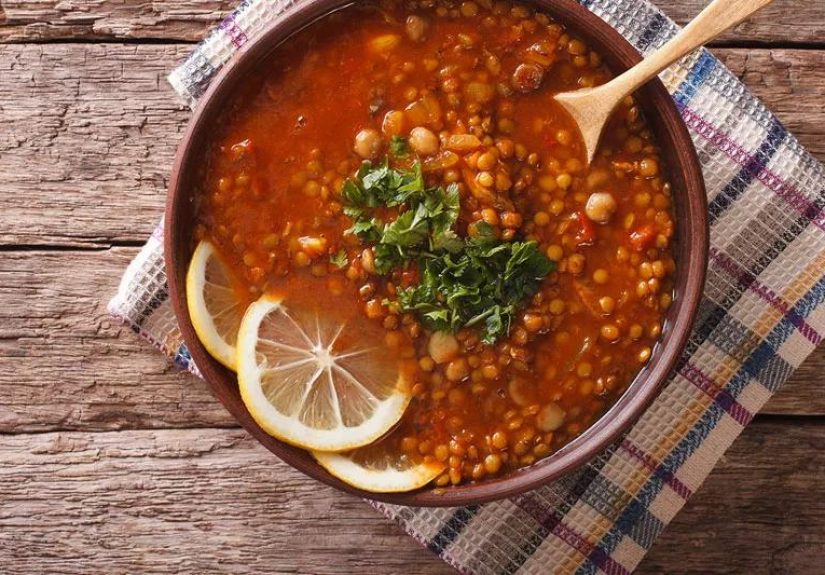
Classic tomato soup is usually smooth, bright, and friendly. Lovely, yes. But sometimes dinner needs more staying power. That is where chickpeas and lentils come in. Chickpeas bring nutty flavor and a tender bite, while lentils thicken the broth naturally and turn the soup into a real meal. Add onions, carrots, garlic, warm spices, herbs, and a little lemon at the end, and suddenly one pot is doing the work of a full dinner table.
This recipe is designed for home cooks who want a healthy tomato soup recipe that does not taste like homework. It uses pantry staples, cooks in one pot, and welcomes small adjustments. Want it spicy? Add more red pepper flakes. Want it creamy? Blend part of the soup. Want to impress someone? Serve it with olive oil, parsley, and a dramatic swirl of yogurt. Soup is humble, but it does enjoy a little theater.
Why This Tomato Soup With Chickpeas and Lentils Works
The secret to a great tomato lentil chickpea soup is balance. Tomatoes bring acidity and sweetness. Lentils add body. Chickpeas add texture. Aromatic vegetables create depth, and spices keep everything from tasting flat. The goal is not to make a complicated soup. The goal is to make a simple soup taste like it has been quietly training for greatness.
Cooking tomato paste with the vegetables before adding liquid is a small step with a big payoff. It darkens slightly, loses its raw edge, and builds a richer tomato flavor. Cumin, smoked paprika, oregano, and black pepper give the broth warmth without overpowering the main ingredients. A splash of lemon juice or vinegar at the end wakes everything up, like opening the curtains in a room that has been napping all afternoon.
Red lentils cook quickly and break down into the broth, making the soup naturally thick. Brown or green lentils also work, but they stay firmer and need more time. For the best balance of speed and texture, this recipe uses red lentils with canned chickpeas. It is weeknight-friendly, budget-friendly, and extremely friendly to anyone who dislikes washing extra pans.
Ingredients
For 6 Servings
- 2 tablespoons extra-virgin olive oil
- 1 medium yellow onion, finely chopped
- 2 medium carrots, diced
- 2 celery stalks, diced
- 4 garlic cloves, minced
- 2 tablespoons tomato paste
- 1 teaspoon ground cumin
- 1 teaspoon smoked paprika
- 1 teaspoon dried oregano
- 1/4 teaspoon red pepper flakes, plus more to taste
- 1 cup dried red lentils, rinsed
- 1 can chickpeas, drained and rinsed
- 1 can crushed tomatoes
- 4 cups low-sodium vegetable broth
- 1 cup water, plus more as needed
- 1 teaspoon kosher salt, plus more to taste
- 1/2 teaspoon freshly ground black pepper
- 1 tablespoon fresh lemon juice or red wine vinegar
- 1/4 cup chopped fresh parsley or cilantro
- Optional: plain Greek yogurt, coconut milk, Parmesan, chili oil, or toasted bread for serving
How to Make Tomato Soup With Chickpeas and Lentils
Step 1: Build the Flavor Base
Heat the olive oil in a large Dutch oven or heavy soup pot over medium heat. Add the onion, carrots, and celery. Cook for 6 to 8 minutes, stirring occasionally, until the vegetables soften and the onion turns translucent. Do not rush this step. These vegetables are the soup’s opening act, and nobody likes an opening act that sprints offstage after thirty seconds.
Add the garlic and cook for 30 seconds, just until fragrant. Stir in the tomato paste, cumin, smoked paprika, oregano, and red pepper flakes. Cook for 1 to 2 minutes, stirring often, until the tomato paste looks slightly darker and the spices smell warm and toasty.
Step 2: Add the Lentils, Chickpeas, and Tomatoes
Add the rinsed red lentils, chickpeas, crushed tomatoes, vegetable broth, water, salt, and black pepper. Stir well, scraping the bottom of the pot to release any flavorful bits. Bring the soup to a boil, then reduce the heat to maintain a gentle simmer.
Cover the pot partially and cook for 22 to 28 minutes, stirring occasionally. The lentils should soften and begin to melt into the tomato broth. The chickpeas should stay mostly intact, giving the soup a pleasant bite.
Step 3: Adjust the Texture
For a chunky soup, leave it as is. For a creamier tomato soup with chickpeas and lentils, use an immersion blender to blend about one-third of the pot. You can also transfer 2 cups of soup to a blender, blend until smooth, and stir it back in. Be careful when blending hot liquid, because soup has a dramatic personality and will absolutely try to escape if overfilled.
If the soup becomes too thick, add another 1/2 to 1 cup of water or broth. If it seems too thin, simmer uncovered for another 5 to 10 minutes.
Step 4: Finish Bright
Turn off the heat and stir in lemon juice or red wine vinegar. Taste and adjust the seasoning with more salt, pepper, or red pepper flakes. Add chopped parsley or cilantro just before serving.
Ladle the soup into bowls and finish with your favorite toppings. A drizzle of olive oil makes it glossy. Greek yogurt makes it creamy. Parmesan adds savory richness. Chili oil adds attitude. Toasted sourdough makes the whole thing feel like a tiny restaurant opened in your kitchen.
Recipe Tips for the Best Flavor
Use Good Canned Tomatoes
Because tomatoes are the backbone of this recipe, canned tomato quality matters. Crushed tomatoes create a smooth but hearty base. Fire-roasted tomatoes add a smoky edge. Whole peeled tomatoes can also work; crush them by hand before adding them to the pot. It is messy, but in a charming “I cook with passion” kind of way.
Rinse the Lentils and Chickpeas
Rinsing red lentils removes dust and excess starch. Rinsing canned chickpeas helps reduce extra sodium and clears away the canning liquid. This keeps the tomato broth clean-tasting and gives you better control over seasoning.
Do Not Skip the Acid
Lemon juice or vinegar at the end is not decoration. It sharpens the tomatoes, balances the earthy lentils, and makes the chickpeas taste brighter. If the soup tastes “almost right” but a little sleepy, it probably needs acid before it needs more salt.
Season in Layers
Add salt during cooking, then adjust again at the end. Lentils absorb seasoning as they simmer, so the soup may taste different after 20 minutes than it did after 5. This is normal. Soup evolves. It is basically a very delicious character arc.
Healthy Benefits of Chickpeas and Lentils in Tomato Soup
This healthy chickpea lentil soup is filling because it combines protein, fiber, complex carbohydrates, and liquid volume. Lentils are known for their plant-based protein and fiber, while chickpeas add more fiber, minerals, and a satisfying texture. Together, they help turn tomato soup from a light starter into a complete vegetarian meal.
Tomatoes contribute natural sweetness, acidity, and a deep savory quality when simmered. Carrots, celery, onions, and garlic bring additional flavor without requiring heavy cream or excess butter. Using low-sodium broth lets you manage salt more easily, especially if you plan to add salty toppings like Parmesan.
This soup can fit many eating styles. It is naturally vegetarian and can be vegan if you skip dairy toppings. It is also gluten-free as long as your broth and toppings are gluten-free. For extra protein, serve it with Greek yogurt, tofu croutons, or a slice of whole-grain toast with hummus. For extra vegetables, stir in spinach, kale, zucchini, or roasted red peppers during the last few minutes of cooking.
Serving Ideas
This tomato soup with chickpeas and lentils is hearty enough to stand alone, but it also plays well with side dishes. Serve it with crusty bread, garlic toast, brown rice, quinoa, or a simple green salad. If you are feeding a hungry family, add a tray of roasted vegetables or a quick cheese toast on the side.
For a Mediterranean-style bowl, top the soup with parsley, lemon zest, olive oil, and a spoonful of yogurt. For a spicier version, add harissa, chili crisp, or extra smoked paprika. For a cozy American comfort-food version, pair it with a grilled cheese sandwich and pretend you invented winter happiness.
Storage, Freezing, and Meal Prep
This soup is excellent for meal prep because the flavor deepens after a night in the refrigerator. Store leftovers in an airtight container for up to 4 days. Reheat gently on the stovetop or in the microwave, adding a splash of water or broth if the lentils have thickened the soup too much.
To freeze, let the soup cool completely, then portion it into freezer-safe containers. Freeze for up to 3 months. Thaw overnight in the refrigerator and reheat slowly. Add fresh herbs and lemon juice after reheating to revive the flavor.
Easy Variations
Creamy Tomato Chickpea Lentil Soup
Blend half the soup and stir in 1/2 cup coconut milk, half-and-half, or cashew cream. This creates a silky texture while keeping the soup hearty.
Spicy Harissa Tomato Soup
Add 1 to 2 tablespoons of harissa paste with the tomato paste. Finish with cilantro and lemon. This version is bold, smoky, and perfect for anyone who believes soup should have a little swagger.
Greens-Packed Version
Stir in 3 cups of chopped spinach or kale during the last 5 minutes of cooking. The greens soften quickly and make the soup even more colorful and nutrient-rich.
Italian-Inspired Version
Replace cumin and smoked paprika with basil, rosemary, and thyme. Finish with Parmesan and a drizzle of olive oil. Add small pasta if you want a minestrone-style twist.
Common Mistakes to Avoid
The first mistake is boiling the soup aggressively for too long. A gentle simmer is better because it lets the lentils soften without scorching the tomato base. The second mistake is under-seasoning. Lentils and chickpeas are mild, so they need salt, spices, and acid to shine.
The third mistake is making the soup too thick and calling it a problem. It is not a problem; it is an opportunity. Add broth for soup, leave it thick for stew, or spoon it over rice and call it dinner with confidence. The fourth mistake is skipping toppings. Even a simple sprinkle of parsley or black pepper can make the bowl look brighter and taste fresher.
Kitchen Experiences: What This Soup Teaches You
Cooking tomato soup with chickpeas and lentils feels like learning a small but useful kitchen truth: comfort food does not have to be complicated. The first time you make it, you may expect something ordinary because the ingredients are humble. A can of tomatoes. A cup of lentils. A can of chickpeas. A few vegetables rolling around in the drawer, hoping to be chosen before they become compost. Then the pot starts to simmer, the garlic rises, the paprika blooms, and suddenly the kitchen smells like you had a plan all along.
One of the best experiences with this recipe is how forgiving it is. If the carrots are a little large, the soup does not collapse. If you use green lentils instead of red, the texture changes, but dinner survives beautifully. If you add too much broth, simmer it longer. If it gets too thick, add water. This is the kind of recipe that builds confidence because it rewards attention without punishing imperfection.
It is also a practical lesson in layering flavor. Many home cooks toss everything into the pot at once and hope for magic. Sometimes that works, but sautéing the onion, carrot, and celery first gives the soup a sweeter foundation. Cooking the tomato paste with spices deepens the broth. Adding lemon juice at the end proves that brightness can be just as important as richness. These are small habits that improve not only this recipe but also chili, stew, pasta sauce, curry, and nearly every cozy one-pot meal.
This soup is especially useful on busy weekdays. You can start it after work, answer a few messages while it simmers, and still sit down to something that tastes intentional. It is also the kind of meal that makes leftovers feel like a gift rather than a punishment. The next day, the lentils thicken the broth, the spices settle in, and the soup becomes even more satisfying. Add a splash of broth, warm it slowly, and it is back in business.
Another pleasant surprise is how well it serves different people at the same table. Someone who wants a vegan dinner can keep it simple with herbs and olive oil. Someone who loves dairy can add yogurt or Parmesan. Someone who wants heat can add chili flakes. Someone who thinks every meal needs bread can arrive with toast and a proud expression. The soup welcomes all of them.
In the end, tomato soup with chickpeas and lentils is more than a pantry recipe. It is a reminder that good food often comes from ordinary ingredients treated with care. It is warm, flexible, nourishing, inexpensive, and just fancy enough to serve to guests if you put it in a nice bowl and act natural.
Conclusion
This Recipe: Tomato Soup With Chickpeas and Lentils is everything a great homemade soup should be: rich in tomato flavor, full of satisfying texture, easy to customize, and simple enough for a weeknight. Chickpeas make it hearty, lentils make it thick and nourishing, and a bright finish of lemon or vinegar keeps every spoonful lively.
Whether you serve it with crusty bread, a grilled cheese sandwich, fresh herbs, or a swirl of yogurt, this soup earns a regular spot in the meal plan. It is budget-friendly, freezer-friendly, and deeply comforting without feeling heavy. In other words, it is tomato soup that grew up, got a protein boost, and still remembered how to be fun.