Table of Contents >> Show >> Hide
- First Things First: Which City Are We Actually Talking About?
- Why The Photos Look So Surreal
- Life In A Place Where Winter Is Basically Management
- The Climate Paradox: Brutal Cold In A Warming Arctic
- Why The Internet Cannot Stop Staring
- What Those 30 Surreal Pictures Really Say
- Experience Section: What It Feels Like To Step Into A City After Five Days Of Relentless Snow
- Final Thoughts
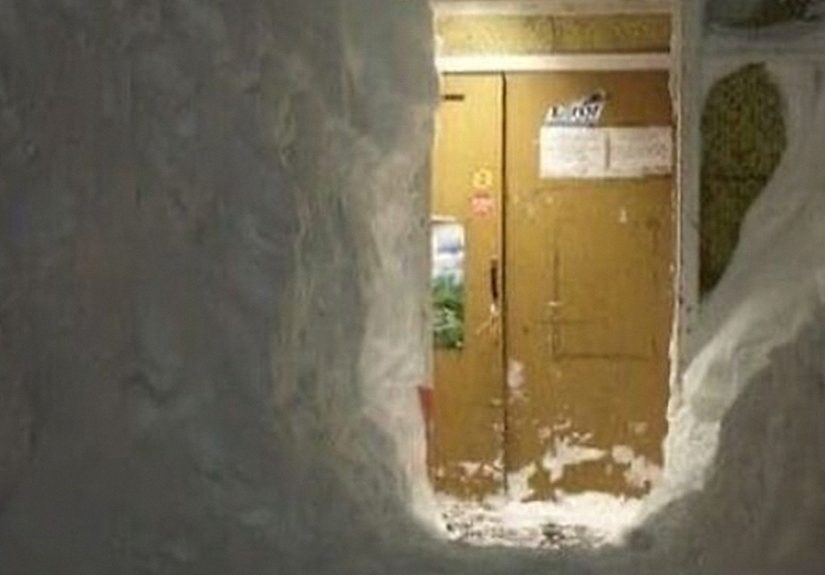
Some places get a dusting of snow and declare an emergency. Other places get buried so deeply that front doors vanish, cars become abstract sculpture, and the whole city looks like a movie set designed by a very dramatic snow globe. That is the energy behind the viral headline about Russia’s “coldest city” getting two months’ worth of snow in just five days. And yes, the photos really do look surreal. The trick is that the internet loves a frosty headline almost as much as it loves mixing up Russian cold-weather geography.
The photo story most people are talking about points toward Norilsk, a brutal, blizzard-hardened Arctic city where winter is not a season so much as a full-time supervisor. But when people say “Russia’s coldest city,” they often mean Yakutsk, which is widely described as the coldest major city on Earth. And when they want the absolute cold-weather bragging rights, they point to Oymyakon, the tiny settlement often cited as the coldest permanently inhabited place on the planet. In other words, the viral headline is working with a classic internet cocktail: one part truth, one part confusion, and one part “wow, look at that snowbank.”
Still, the fascination makes sense. Whether the drifts are swallowing staircases in Norilsk or freezing fog is wrapping Yakutsk in a silver-white haze, life in this part of Russia regularly looks less like ordinary winter and more like a fantasy world with frozen eyelashes. And that is exactly why the photos spread so quickly. They are not just pretty. They are proof that people can build daily life in conditions that make most Americans complain after ten minutes of scraping ice off a windshield.
First Things First: Which City Are We Actually Talking About?
If the conversation is about massive snowdrifts, buildings half-buried in white, and a city that looks swallowed by winter, Norilsk is the most likely star of the viral photo set. Located north of the Arctic Circle, Norilsk is famous for long, bitter winters, violent winds, long polar darkness, and an environment where snow does not simply fall politely from the sky. It attacks from all angles. This is a city where winter can linger for around 280 days a year and snowstorms are not rare interruptions but recurring cast members.
If the conversation is about the coldest major city, that crown usually goes to Yakutsk, the capital of Russia’s Sakha Republic. Yakutsk is the place that routinely appears in photo essays showing ice fog, fur-covered commuters, frozen fish markets, and streets that seem carved out of pure cold. Winter temperatures often sit around minus 40 degrees Fahrenheit for months, and the city’s record lows are the kind that make thermometers question their life choices.
Then there is Oymyakon, which is not a major city at all but a tiny settlement that often gets cited as the coldest permanently inhabited place on Earth. So the neat, truthful version is this: Norilsk supplies the blockbuster snow-drama visuals, Yakutsk supplies the “coldest city” label, and Oymyakon shows up to remind everyone that the Arctic still has an even colder final boss.
Why The Photos Look So Surreal
The first reason is scale. When snow piles up around low buildings, stair rails, parked cars, and street signs, the human world starts to lose its normal proportions. Doorways shrink. Trucks look like toys. Roads become trenches cut through white walls. A city can start to resemble a landscape painting that somebody accidentally dropped a civilization into.
The second reason is light. Arctic winter light is weird in the best possible way. In Norilsk, the polar night wipes out normal daytime expectations for weeks. In Yakutsk, freezing fog and airborne ice crystals scatter sunlight into a dreamy glow that makes even apartment blocks look cinematic. Add street lamps, industrial smoke, frosted breath, and wind-blown powder, and suddenly every ordinary intersection starts auditioning for a science-fiction film.
The third reason is texture. Deep snow softens edges, but extreme cold sharpens everything else. Fur hoods turn rigid. Eyelashes crust over. Metal surfaces turn hostile. Exhaust clouds hang in the air. Snowdrifts can look velvety from a distance, then reveal themselves as heavy, wind-packed walls up close. That contrast is what makes these photos feel unreal: soft and harsh at the same time.
And then there is the simple fact that most viewers are not used to seeing cities where winter doesn’t merely inconvenience people. It reorganizes the entire visual grammar of daily life.
Snow Plus Wind Equals Instant Architecture
In places like Norilsk, wind matters almost as much as snowfall totals. Snow does not just accumulate; it gets sculpted. It forms ridges, hard drifts, strange curves, and packed layers around staircases, cars, and building entrances. That is why one storm can transform a neighborhood from “wintery” into “how is that sedan now shaped like a loaf of bread?”
This is also why viral photos from the Russian north often look exaggerated even when they are real. Heavy snow alone is dramatic. Heavy snow driven by wind through an Arctic city becomes accidental installation art.
Life In A Place Where Winter Is Basically Management
To understand why these images hit so hard online, you have to understand that people in these cities are not tourists wandering into bad luck. They are experts. They know what kind of boots matter, what kind of engine trouble can ruin your day, and how long bare skin can stay exposed before winter starts collecting a fee.
In Yakutsk, cars are famously babied like aging royalty because engines can freeze in extreme cold. Buildings sit on permafrost, and construction has to account for ground that stays frozen year-round. In Norilsk, the issue is not just cold but a long siege of darkness, snowstorms, and wind. You do not simply “go out for a bit.” You prepare.
That preparation shapes culture. Food, clothing, transportation, architecture, work schedules, and even social habits all respond to the climate. In the American imagination, cold weather is often about comfort: soup, blankets, maybe a dramatic photo of a backyard. In Arctic Russia, cold weather is infrastructure. It is engineering. It is logistics. It is deciding that the weather is terrible and then going to work anyway because the weather, frankly, always thinks it is the main character.
Building On Frozen Ground Is Not Exactly A Casual DIY Project
Yakutsk is built on continuous permafrost, which means the frozen ground below is not a seasonal inconvenience. It is a permanent fact of life. Buildings are often raised or designed to minimize heat transfer into the soil, because once permafrost thaws, foundations can shift and buckle. In a place like this, “real estate problem” can sound suspiciously like “the Earth itself is having second thoughts.”
That frozen foundation once made life possible, at least in engineering terms. But now it also reveals one of the biggest contradictions of the region: the cold is legendary, yet the ground beneath it is increasingly vulnerable.
The Climate Paradox: Brutal Cold In A Warming Arctic
Here is the part that makes the story bigger than a viral snow dump. Russia’s far north is still capable of stunning, dangerous cold. Yakutsk has seen astonishing lows, and northeastern Siberia can still plunge into the kind of temperatures that sound like typos. But the broader Arctic is warming fast, and the Sakha region has become one of the places where that tension is easiest to see.
In recent years, observers have watched Siberia swing between extremes: savage cold snaps, huge fires, thinning snow cover in warm periods, and worrying signs of permafrost thaw. In 2020, the Russian Arctic town of Verkhoyansk made global headlines with a temperature reading of 100.4 degrees Fahrenheit. That number sounded absurd precisely because this is the same wider region associated with some of the coldest inhabited places on Earth.
So when people see photos of impossible snowdrifts and assume the region is frozen beyond change, they miss the real story. These landscapes are not stable museum exhibits of cold. They are active, changing systems. The same region that can bury cars in snow can also face wildfire smoke, thawing ground, and infrastructure stress tied to warming trends.
That contradiction is what makes the surreal photos even more haunting. They are not just pictures of winter strength. They are images from a part of the world living at the crossroads of endurance and climate disruption.
Why The Internet Cannot Stop Staring
The obvious answer is that the photos are jaw-dropping. But the deeper answer is that they trigger three powerful reactions at once.
First, disbelief. Viewers look at a buried building and think, “That cannot be a normal Tuesday.”
Second, admiration. Once people realize that, yes, humans actually live there, commute there, work there, and joke there, the images become a story of resilience.
Third, perspective. Suddenly the tiny mountain of snow at the end of your driveway feels less like a crisis and more like an emotionally dramatic inconvenience.
There is also something deeply compelling about places that force human beings to cooperate with nature rather than pretend they are above it. In Arctic Russia, winter still sets terms. That feels almost mythic in an age when many cities try to engineer climate into the background.
What Those 30 Surreal Pictures Really Say
They say that cold is not one thing. It can be beautiful, dangerous, ordinary, exhausting, funny, and awe-inspiring all at once. They say that snow is not always soft, charming, and holiday-card friendly. Sometimes it is a system-wide event with attitude. They say that cities like Norilsk and Yakutsk are not merely curiosities for outsiders. They are living examples of adaptation in conditions that would flatten most people’s routines by lunchtime.
Most of all, the images say that the Arctic is never boring. One week it looks like the set of a frozen fairy tale. Another week it becomes a case study in engineering, climate, and survival. Either way, it keeps reminding the rest of the world that winter still has the power to humble modern life.
Experience Section: What It Feels Like To Step Into A City After Five Days Of Relentless Snow
Picture yourself opening a heavy apartment door and realizing that the world outside has changed shape. Not metaphorically. Literally. The stairs you used yesterday are now half-hidden under a sculpted bank of packed snow. The parked cars below look less like vehicles and more like guesses. Somewhere under that nearest white mound is probably a windshield, but at this point it could also be a family of polar bears holding very still.
The air hits first. It is dry, sharp, and so cold that your nostrils seem to object on principle. You take one breath and understand why people in places like Yakutsk and Norilsk dress like survival experts rather than fashion influencers. Every zipper matters. Every layer matters. This is not the kind of cold you “power through” in cute sneakers.
The second thing you notice is sound, or rather the strange lack of it. Snow muffles the city, but Arctic snow does something extra. It swallows the usual urban chatter and leaves behind a softer, tighter world. Footsteps crunch. Wind hisses around corners. Distant machinery hums through the haze. Everything else feels turned down, as if winter has placed a giant gloved hand over the mouth of the city.
Then you begin walking. Or attempting to. Every path is narrower than it should be because the snowbanks have pushed inward. Corners are blind. Sidewalks feel temporary. You start to appreciate the quiet genius of the locals, who move with the steady confidence of people who have already accepted that winter is not an event but a habitat. Nobody looks shocked. Nobody is performing drama for the weather. They are just getting on with it, like this enormous white siege is merely one more item on the day’s to-do list.
At some point, you look up. That is when the surreal quality really lands. Streetlights glow through frost. Breath drifts sideways in the wind. Building edges blur under ice and snow. A truck emerges from the whiteness like a ship moving through fog. The whole scene feels edited, like someone cranked up the contrast and removed all nonessential colors. It is beautiful in a way that makes you slightly suspicious of beauty.
And yet the most unforgettable part is not the snow itself. It is the evidence of life continuing inside it. A child being pulled on a sled. Someone brushing a doorway clear for the third time. A bus arriving, because of course the bus arrives. Grocery bags. Boot prints. Exhaust plumes. Tiny routines holding their ground against one of the biggest landscapes on Earth.
That is why the photos hit so hard. They are not just showing snow. They are showing human normalcy inside conditions that seem wildly abnormal to outsiders. The surreal part is not only the frozen scenery. It is the calm persistence of the people moving through it. In that sense, the images are not really about weather at all. They are about scale, toughness, adaptation, and the strange dignity of carrying on when winter has clearly decided to go full theater.
Final Thoughts
So yes, the photos look surreal. But they are compelling for more than visual shock value. They capture the logic of the far north: snow can reshape a city, cold can dictate architecture, and human beings can still adapt with stubborn creativity. The viral headline may blur Norilsk, Yakutsk, and the larger mythology of Siberian cold into one frosty legend, but the deeper truth is even better. These places really do exist. They really are extreme. And their winters really can turn ordinary streets into scenes that look borrowed from another planet.
When a city gets swallowed by snow in a matter of days, the internet sees spectacle. What the people who live there see is Tuesday, plus extra shoveling.