Table of Contents >> Show >> Hide
- What Is a Black Rhino?
- Where Do Black Rhinos Live?
- Why Are Black Rhinos Endangered?
- Why Watching Black Rhinos Matters
- Black Rhino Behavior: Tough, Shy, and Surprisingly Expressive
- The Ecological Role of Black Rhinos
- How Conservationists Protect Black Rhinos
- How You Can Help Black Rhinos
- Why the Black Rhino Story Is Not Hopeless
- Experience: Watching the Black Rhino and Becoming Aware
- Conclusion
If the animal kingdom had a “do not underestimate me” department, the black rhino would be the senior manager, assistant manager, and security guard all at once. Stocky, alert, and armed with a face that looks like it was designed by nature’s heavy-equipment division, the black rhinoceros is one of Africa’s most unforgettable animals. Yet behind that tough exterior is a species fighting for survival.
The black rhino, scientifically known as Diceros bicornis, is classified as Critically Endangered. That means every calf, every protected habitat, every anti-poaching patrol, and every informed person matters. The phrase “watch and become aware” is more than a catchy headline. When people watch black rhinos closelythrough documentaries, conservation footage, zoo education programs, responsible safari experiences, or wildlife live camsthey begin to see more than a horned giant. They see a browser shaping ecosystems, a mother guarding her calf, and a conservation story still being written.
What Is a Black Rhino?
First, let’s clear up the most obvious plot twist: black rhinos are not actually black. They are usually gray, often wearing a stylish coat of mud, dust, or whatever nature’s spa treatment provided that day. The “black” label is mostly used to distinguish them from white rhinos, which are also not exactly white. Wildlife naming, apparently, had its coffee before proofreading.
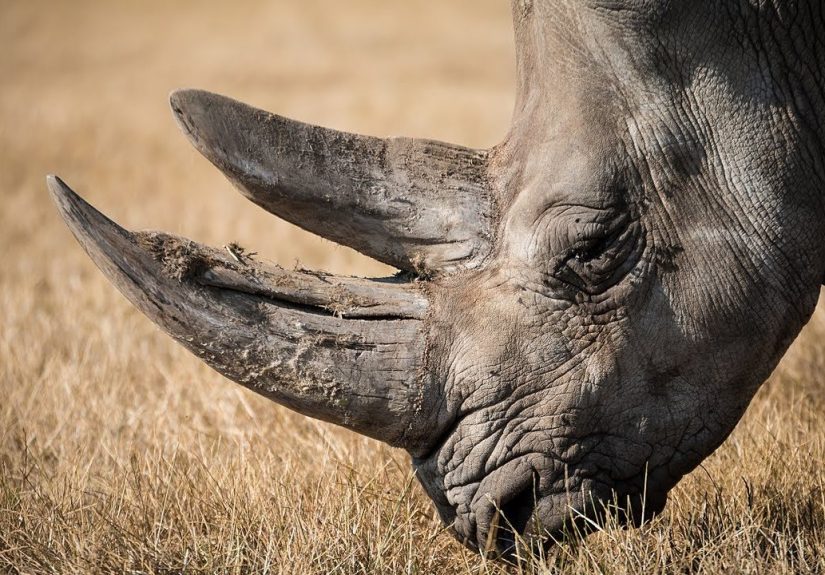
Black rhinos are one of the two African rhino species, the other being the white rhino. They are generally smaller than white rhinos but still impressively massive. Adult black rhinos can weigh well over 1,700 to 3,000 pounds, depending on sex, subspecies, age, and habitat conditions. They have two horns, with the front horn usually longer, and a pointed, hooked upper lip that works almost like a built-in gardening tool.
The Famous Hooked Lip
One of the easiest ways to identify a black rhino is by looking at its mouth. White rhinos are grazers with wide, square lips designed for cropping grass. Black rhinos are browsers, meaning they feed on leaves, twigs, shoots, bushes, and small trees. Their prehensile upper lip helps them grab vegetation with surprising precision. Imagine using a tiny finger on your upper lip to pick snacks from a thorn bush. Now imagine doing that while weighing more than a compact car. That is black rhino elegance.
Where Do Black Rhinos Live?
Black rhinos live in parts of eastern and southern Africa, including countries such as Kenya, Namibia, South Africa, Tanzania, Zimbabwe, and others where protected populations remain. Historically, they ranged across a much larger portion of Africa, from savannas and grasslands to shrublands and desert edges. Today, their range is much smaller and more fragmented because of poaching, land conversion, human settlement, and habitat pressure.
These rhinos are adaptable. They can live in savannas, semi-desert areas, tropical bushlands, and dense thickets. Unlike an animal that demands the wildlife version of a luxury resort, black rhinos can survive in tough landscapes if they have food, water access, cover, and protection from poachers. Some populations even live in dry regions where they may go several days without drinking, getting moisture from succulent plants.
Why Are Black Rhinos Endangered?
The short answer is painfully simple: humans. The longer answer involves illegal wildlife trade, habitat loss, fragmented populations, weak enforcement in some regions, organized criminal networks, and persistent myths about rhino horn.
Poaching and Illegal Horn Trade
Rhino horn is made primarily of keratin, the same type of protein found in human hair and fingernails. Unfortunately, demand for rhino horn in illegal markets has driven decades of poaching. Some buyers believe horn has medicinal value, while others treat it as a luxury status symbol. Science does not support the idea that rhino horn is a miracle cure, but illegal demand has been powerful enough to push rhinos toward extinction.
Black rhino numbers crashed dramatically during the 20th century. By the mid-1990s, fewer than 2,500 black rhinos remained. Conservation work has helped the population recover to more than 6,000 individuals, with recent estimates around 6,788. That is real progress, but it is not a victory lap. It is more like reaching the halfway point of a marathon while someone is still moving the finish line.
Habitat Loss and Fragmentation
Black rhinos need space. They need enough shrubs and woody plants to browse, safe areas for calves, and connected habitats that allow populations to grow without becoming genetically isolated. When land is converted for agriculture, roads, settlements, mining, or other development, rhinos lose habitat. Even when a few rhinos remain in protected pockets, small isolated groups can face risks from inbreeding, disease, drought, and limited breeding opportunities.
Climate Stress and Drought
Climate change adds another layer of pressure. Drought can reduce the availability of food and water, making survival harder for calves and older animals. It can also increase conflict around land and water resources. Conservation teams must now plan not only for poachers and fences but also for shifting rainfall patterns and changing landscapes.
Why Watching Black Rhinos Matters
Watching wildlife can change how people think. A black rhino is not just a statistic with legs. It is a living animal that snorts, browses, scratches, trots, guards territory, raises calves, and reacts to the world around it. When people watch black rhinos in an educational video or during a responsible safari, they often move from “That animal looks cool” to “Wait, we could actually lose this species?”
Awareness matters because extinction often begins with distance. If people never see an animal, never learn its story, and never understand its role in nature, they are less likely to care when its numbers decline. Watching builds emotional connection. It also helps correct myths. Viewers learn that rhinos are not villains, not trophies, not medicine cabinets on legs, and not background props in safari brochures. They are ancient, complex mammals with ecological value.
Black Rhino Behavior: Tough, Shy, and Surprisingly Expressive
Black rhinos have a reputation for being more temperamental than white rhinos. They can be nervous, defensive, and quick to charge if they feel threatened. But that does not mean they are mindless bulldozers. Their behavior makes sense when you understand their world.
Black rhinos often live in dense bush, where visibility is limited. Their eyesight is not especially strong, but their hearing and sense of smell are excellent. If a rhino hears or smells something suspicious, it may choose to investigate first and ask polite questions never. A sudden charge can be a defensive response, not a personal insult. Still, if a black rhino charges, do not attempt to explain your good intentions. Nature does not accept PowerPoint presentations.
Solitary Lives and Strong Territories
Adult black rhinos are often solitary, especially males. Bulls may defend territories marked with dung piles and scent. Females may have overlapping home ranges, especially when raising calves. Mothers are fiercely protective, and calves usually stay close for several years. Because females have long pregnancies of about 15 to 16 months and typically produce only one calf every few years, population recovery is slow. Losing even one breeding female can be a major setback.
The Ecological Role of Black Rhinos
Black rhinos are more than rare animals with dramatic profiles. They are browsers that help shape vegetation. By feeding on shrubs and woody plants, they influence plant growth, open pathways through dense bush, and help maintain habitat diversity. Their movements, dung, and feeding patterns contribute to healthy ecosystems.
Large herbivores like rhinos can act as ecosystem engineers. They affect the structure of landscapes in ways that benefit other species, including birds, insects, smaller mammals, and plants. Remove the rhino, and the habitat loses one of its heavy-duty maintenance crews. No hard hat, no clipboard, just a horn and a very serious appetite.
How Conservationists Protect Black Rhinos
Protecting black rhinos is not one job. It is a coordinated effort involving rangers, veterinarians, scientists, local communities, government agencies, nonprofits, technology teams, and donors. Modern rhino conservation is part fieldwork, part detective work, part emergency medicine, and part community partnership.
Anti-Poaching Patrols
Rangers are often the first line of defense. They patrol reserves, monitor rhino movements, remove snares, gather intelligence, and respond to suspicious activity. In some regions, anti-poaching units use tracking dogs, drones, aircraft, camera traps, and communication networks. Their work can be dangerous, physically demanding, and emotionally intense.
Translocation and Range Expansion
When populations grow in one protected area or need genetic diversity, conservationists may move rhinos to safer or better-suited habitats. Translocation is complex. Teams must carefully plan capture, sedation, transport, release, and follow-up monitoring. A rhino is not exactly carry-on luggage. It is a massive, sensitive animal that requires expert handling and veterinary care.
Veterinary Science and Monitoring
Health monitoring is essential. Conservation veterinarians help treat injuries, manage disease risks, collect samples, and support safe translocations. Scientists may use DNA analysis, ear notching, camera traps, radio transmitters, and field observations to identify individuals and track population trends. Each data point helps conservation teams decide where to focus protection.
Community-Based Conservation
Long-term rhino protection works best when nearby communities benefit from conservation. Wildlife tourism can create jobs, fund schools and clinics, support local businesses, and reward communities for protecting habitats. When people living near rhinos have a real stake in conservation, protected areas become more than fenced-off spaces. They become shared investments.
How You Can Help Black Rhinos
You do not need to be a ranger in the African bush to help black rhinos. Most people will never dart a rhino, track footprints at dawn, or calmly say, “Please pass the satellite collar.” But everyday choices still matter.
- Watch educational wildlife content: Choose documentaries, zoo programs, conservation videos, and reputable wildlife channels that explain the real threats facing rhinos.
- Support trusted conservation organizations: Look for groups with transparent programs in anti-poaching, habitat protection, community conservation, and scientific research.
- Never buy wildlife products: Avoid anything made from endangered species, including illegal horn, ivory, exotic skins, or questionable souvenirs.
- Share accurate information: Correct myths about rhino horn and explain that demand fuels poaching.
- Choose responsible tourism: If you visit rhino habitats, select ethical operators that follow wildlife-viewing rules and support local conservation.
- Teach younger audiences: Children who learn to value wildlife often become adults who defend it.
Why the Black Rhino Story Is Not Hopeless
It is easy to read the word “endangered” and feel discouraged. But the black rhino story includes hard-earned hope. Their population fell to a terrifying low, yet conservation action helped numbers rise again. That recovery did not happen by accident. It happened because people protected habitats, guarded rhinos, moved animals to safer ranges, invested in science, and refused to let extinction win quietly.
Hope, however, is not the same as comfort. A species can improve and still be at risk. The black rhino remains Critically Endangered, and poaching continues. Conservation success must be defended year after year. Think of it as gardening, but the garden weighs 3,000 pounds and organized crime keeps trying to steal the flowers.
Experience: Watching the Black Rhino and Becoming Aware
Watching a black rhino is an experience that starts with size and ends with humility. At first, your brain focuses on the obvious details: the horns, the thick skin, the compact power of the body, the way the animal seems carved from a boulder that somehow learned to walk. Then, slowly, smaller details begin to appear. The ears rotate like little radar dishes. The upper lip curls around leaves with delicate control. The animal pauses, listens, sniffs, and decides whether the world is safe enough for another bite.
In a well-made wildlife documentary, a black rhino scene can feel almost quiet compared with the dramatic chase sequences people expect from nature films. There may be no roaring lion, no thundering herd, no cinematic dust cloud. Instead, there is a rhino browsing in the morning light, a calf tucked close to its mother, or a ranger watching from a careful distance. That quietness is powerful. It reminds viewers that conservation is not always a dramatic rescue. Sometimes it is patience, monitoring, protection, and the daily work of keeping one animal alive long enough to breed.
A responsible safari experience can deepen that awareness even more. Guides often explain why vehicles keep distance, why certain locations are not shared publicly, and why rhino sightings may be treated with extra caution. In some areas, guides avoid naming exact rhino locations over open radio channels because poachers can exploit information. Suddenly, watching becomes more than entertainment. It becomes a lesson in responsibility.
Seeing a black rhino calf is especially moving. Calves look sturdy, but they are vulnerable. They depend on their mothers for protection, guidance, and milk. A mother black rhino may place herself between her calf and anything suspicious. Watching that behavior makes the species feel personal. Population numbers matter, but a calf wobbling beside its mother turns the issue from abstract to immediate. You are no longer thinking only about “6,788 rhinos.” You are thinking about this calf, this mother, this patch of thorny habitat, and the people working to keep them safe.
Even watching from home can create a meaningful connection. A short conservation video can show how rangers identify tracks, how veterinarians check a rhino’s health, or how communities benefit from wildlife tourism. A zoo talk can explain breeding programs and the genetic care needed for endangered species. A classroom video can inspire students to ask better questions: Why do people poach rhinos? What happens when a species disappears? How can local communities be part of the solution?
The best viewing experiences do not turn black rhinos into mascots or monsters. They present them as real animals with real needs. Awareness grows when viewers understand both the beauty and the danger surrounding the species. The black rhino is not saved by admiration alone, but admiration can be the doorway to action. Watch carefully, learn honestly, share responsibly, and let that awareness become part of the global pressure that keeps this ancient species on Earth.
Conclusion
To meet the endangered black rhino is to meet one of nature’s great survivors. It is powerful but vulnerable, ancient but urgently dependent on modern conservation, tough-looking but deeply affected by human choices. Watching black rhinos helps people understand why this species matters, why poaching must stop, and why habitat protection is not optional.
The black rhino’s future is not guaranteed, but it is not already lost. Conservation has already helped bring the species back from the edge once. With continued protection, responsible awareness, science-based management, and community support, the black rhino can keep browsing Africa’s wild landscapes for generations to come. That is a story worth watchingand more importantly, worth helping.
Note: This article is written for web publication and is based on current, reputable conservation information about black rhinos, including population trends, habitat, threats, behavior, and protection strategies.