Table of Contents >> Show >> Hide
- What Makes Marvel: Ultimate Alliance So Addictive?
- How Tier Lists for Marvel: Ultimate Alliance Work
- Marvel: Ultimate Alliance (2006) — Best and Worst Heroes
- Marvel: Ultimate Alliance 2 — Civil War, Fusions, and Power Creep
- Marvel Ultimate Alliance 3 — Modern Rankings and Opinions
- Team Synergy and Bonus Builds
- Casual Fans vs. Min-Maxers: Why Opinions Clash
- Tips for Building Your Own Ultimate Team
- Experiences, Stories, and Lessons from the Alliance
If you’ve ever spent an embarrassing amount of time arguing over whether Wolverine or Thor
should get the last slot on your team, welcome home. Marvel: Ultimate Alliance and
its sequels turn superhero fandom into a full-blown numbers game: damage values, team
bonuses, crowd control, and that one ultimate that always wipes the room right before your
friend lands their combo.
In this guide, we’ll walk through community-driven Marvel: Ultimate Alliance rankings
and opinions across the trilogy, plus some practical tips for building your own “ultimate”
squad. Think of this less as a rigid tier list and more as a conversation: part analysis,
part nostalgia, part “I refuse to bench Deadpool even if the math says so.”
We’ll look at what makes certain heroes top tier, why some fan favorites are statistically
underwhelming, and how team synergy can turn an okay character into an all-star. Then we’ll
wrap up with real-world experiences and stories from countless late-night runs through Doom’s
fortress and beyond.
What Makes Marvel: Ultimate Alliance So Addictive?
The original Marvel: Ultimate Alliance launched in 2006 as an isometric,
action RPG where you assemble four-hero squads from a big roster of Marvel icons. You
bash your way through Helicarriers, Atlantis, Mephisto’s Realm, and beyond while
leveling up powers, swapping gear, and unlocking alternate costumes. The game built on
the formula of the earlier X-Men Legends titles but widened the scope to the
entire Marvel Universe.
The sequels, Marvel: Ultimate Alliance 2 and Marvel Ultimate Alliance 3:
The Black Order, followed with new rosters, fusion/team attacks, and modernized
visuals. But the core fantasy stayed the same: build your dream team and see how far
your favorite heroes can go when the difficulty ramps up.
That mix of simple button-mashing and light RPG crunch is exactly why players love
debating rankings. Almost every character can finish the story. But some do it
faster, safer, and flashier than others.
How Tier Lists for Marvel: Ultimate Alliance Work
Before we dive into specific rankings and opinions, it’s important to understand what
people usually look at when they build a Marvel: Ultimate Alliance tier list.
While every player has their own criteria, most rankings consider:
-
Raw damage output: How fast can this hero melt bosses and elites with
their best builds? -
Area of effect (AoE) and crowd control: Big rooms full of enemies are
constant. Characters with wide arcs, strong knockdowns, or stuns rise in value. -
Survivability: Healing factors, defensive buffs, high health, and
damage reduction make a big difference at higher difficulty levels. -
Mobility and utility: Teleports, dashes, ranged tools, or buffs for
the whole team can push a “good” character into “great” territory. -
Team synergy and bonuses: Some characters shine because they enable
powerful team bonuses or combo well with specific allies.
One more important note: context matters. A hero that dominates in solo play might feel
weaker in four-player co-op. A character that struggles early on might become
ridiculous once their key skills are maxed out. So don’t treat any tier list as law;
treat it as one more tool when you theory-craft your next run.
Marvel: Ultimate Alliance (2006) — Best and Worst Heroes
Let’s start with the original game that kicked off the series. Community rankings and
long-running forum discussions usually agree on a few standouts and a few under-performers.
Here’s a high-level breakdown based on common opinions.
S-Tier: The Powerhouses
Thor is often considered one of the absolute best characters. He hits
hard in melee, brings devastating lightning powers, and has solid survivability. Many
players lean on Thunder Strike and his area attacks to shred crowds, especially on
higher difficulties.
Captain America might not look flashy, but he’s a monster in practice.
His shield throws offer reliable ranged damage and crowd control, and his buffs
improve the entire team. That combination of utility, tankiness, and consistent damage
earns him an easy top-tier spot in a lot of ranking lists.
Wolverine is the definition of “never dies.” His healing factor gives
him incredible sustain, and his claws let him chew through bosses in melee. While
some builds focus on pure damage, others lean into survivability so you can play more
aggressively without burning through health items.
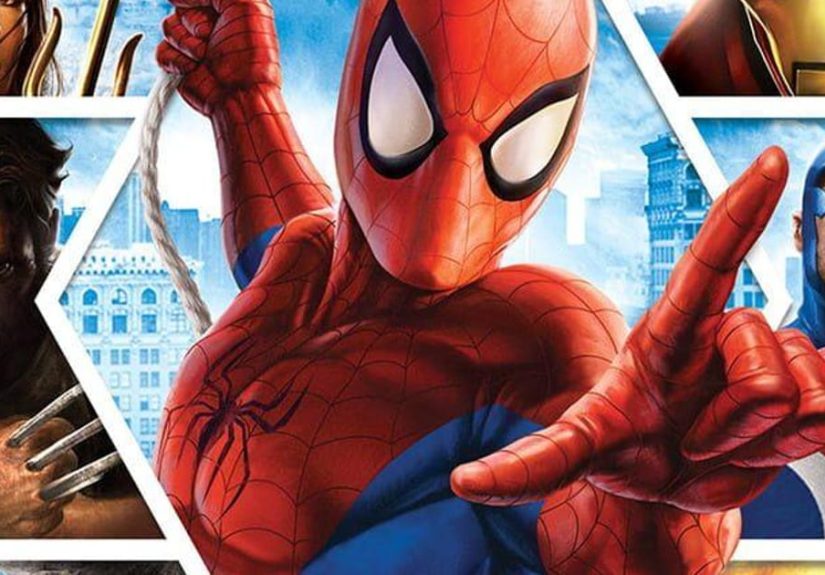
Spider-Man brings slippery mobility, good crowd control, and
excellent single-target potential. Web powers can pin enemies and keep bosses under
control. On top of that, his agility makes him great for players who like dodging and
weaving through fights instead of brute forcing every encounter.
Deadpool combines mobility, ranged damage, and melee options with
strong scaling. He’s also just fun to play: teleporting around the battlefield while
juggling gunfire and sword combos feels uniquely satisfying compared with the more
straightforward brawlers.
A-Tier: Strong, But Not Always Optimal
Storm is a fan favorite with potent AoE and crowd control. Lightning
storms, knockups, and ranged attacks make her ideal for clearing groups, even if
she’s not quite as tanky as some front-liners. With the right build, she can carry an
entire room.
Human Torch burns through groups with fiery AoE attacks and damage
over time. He can feel fragile in melee, but if you keep him at mid-range and let his
powers do the work, he becomes a serious asset on any squad.
Ms. Marvel (later Captain Marvel in the comics) is a balanced
powerhouse with strong physical blows and energy-based attacks. Her hybrid toolkit
makes her flexible, especially if you like constantly experimenting with different
party strengths.
Iron Man offers strong ranged damage and durability once he’s
properly leveled. His beam and missile attacks are great at handling clusters of
enemies, and he feels especially good in players’ hands who enjoy zoning and space
control.
Ghost Rider has big damage potential and some stylish, satisfying
attacks, but he can feel a little clunky for newer players. If you invest in his best
skills and get used to his timing, he absolutely pays off.
B/C-Tier: Niche Picks and Style Choices
Characters like Elektra, Nighthawk, or some of the
less iconic roster members tend to fall into the lower tiers in most rankings. It’s
not that they’re useless; they just don’t bring the same mix of survivability, crowd
control, and team utility as the top heroes.
That said, lower-tier heroes can still shine when you build around them. Putting a
fragile melee assassin on a team with strong tanks and buffers can create a fun, high-risk,
high-reward playstyle. If you enjoy their animations and vibe, there’s no reason to
bench them just because a chart says “C tier.”
Marvel: Ultimate Alliance 2 — Civil War, Fusions, and Power Creep
The second game shifts things around by tying the story to Marvel’s
Civil War event and introducing Fusion attacks: over-the-top dual powers
that reward creative pairings. Rankings here often consider not only individual skill
sets but also how characters contribute to the most broken Fusion setups.
Standout Picks in Ultimate Alliance 2
Thor once again makes frequent appearances in top-tier lists.
Lightning-heavy builds scale extremely well, and he pairs nicely with many heroes for
devastating Fusions.
Jean Grey and other psychic characters often sit near the top thanks
to strong crowd control and massive damage. Well-positioned powers can wipe groups
before they really get to act, especially on higher difficulties.
Human Torch, Gambit, and Wolverine
are commonly ranked highly too, each bringing their own flavor of burst damage:
burning, explosive, or claw-based. They’re straightforward to use and feel effective
from early to late game.
Fun but Flawed Heroes
Some characters are beloved for their personality or novelty but sit in the middle of
most rankings. Heroes with awkward hitboxes, slow animations, or risky positioning
requirements can feel inconsistent in tough encounters.
That said, Ultimate Alliance 2 is fairly generous. Unless you’re pushing the
hardest difficulty with min-max expectations, you can make almost any hero work. The
biggest difference tends to be how easily they survive and how forgiving their kits
are when you make a mistake.
Marvel Ultimate Alliance 3 — Modern Rankings and Opinions
Marvel Ultimate Alliance 3: The Black Order introduced a fresh roster with
modern Avengers, Guardians of the Galaxy, X-Men, and more. It also added a synergy
system that encourages specific pairings and ability types.
Community Favorites in MUA3
Many players rank Wolverine very highly again thanks to his damage
and healing, making him a staple for sustained DPS in challenging content.
Black Panther frequently appears near the top of tier lists for his
strong stagger damage and agile combos. He excels at breaking enemy defenses so the
rest of your team can unload their big abilities.
Hulk provides massive stagger and raw damage, turning him into a
walking wrecking ball when properly supported. He can feel slow, but when he lands,
he lands hard.
Characters like Storm, Magneto, and other
element/telekinesis-focused heroes are appreciated for their crowd control and AoE
dominance, especially in modes that throw wave after wave of enemies at you.
Underrated Gems
Some heroes don’t always show up at the top of tier lists but gain more appreciation
over time. Supportive characters with debuffs, shields, or healing can seem weaker on
paper but make the entire team more stable.
MUA3’s synergy system also means that a “mid-tier” character can jump in value if you
pair them with allies that share synergy traits or combine for specific ability
chains. In other words: the right friends can turn a B-tier hero into an A-tier
contributor.
Team Synergy and Bonus Builds
Across the series, team bonuses are one of the most important
details that newer players tend to overlook. In the original MUA, certain character
combinations grant permanent passive boosts for your run, such as:
- Avengers: Captain America, Thor, Iron Man, Ms. Marvel, etc. — typically extra damage.
- X-Men: Wolverine, Storm, Cyclops, Iceman, and friends — often defense or energy bonuses.
- Fantastic Four: Mr. Fantastic, Invisible Woman, Human Torch, The Thing — durability and utility boosts.
- Marvel Knights or street-level teams: Daredevil, Spider-Man, Elektra, Blade, and similar heroes — may offer resource or credit bonuses.
- Agents of S.H.I.E.L.D.: combinations including Nick Fury, Captain America, Wolverine, Spider-Woman — resistance bonuses.
These bonuses stack with your normal stat progression, so a slightly weaker hero may
still be worth bringing along if they complete a powerful team synergy. That’s why
many veteran players rank “full Avenger” or “full X-Men” squads as S-tier team
compositions, even if not every individual member is top tier on their own.
Casual Fans vs. Min-Maxers: Why Opinions Clash
If you’ve ever compared multiple Marvel: Ultimate Alliance rankings,
you’ve probably noticed they don’t always agree. A character that sits at the top of
one tier list might be in the middle on another. That’s not a mistake; it’s the
result of different priorities.
Casual players tend to rank heroes based on fun, personality, and
how “cool” their powers feel. If they love playing as Spider-Man or Deadpool, those
characters are S-tier regardless of spreadsheet stats.
Min-maxers look at frame data, damage per second, survivability, and
optimization. They favor heroes that perform consistently well in the hardest content
with the least risk, even if those characters feel less stylish.
The healthiest approach? Use meta rankings as a reference, but let your favorites
live on your main team. This is still a comic-book power fantasy game; if it isn’t
fun, what’s the point?
Tips for Building Your Own Ultimate Team
Whether you’re replaying the original MUA or diving into MUA3’s Infinity Trials,
here are some practical tips to help you build better squads:
-
Balance roles: Try to bring at least one durable front-liner, one
strong ranged or AoE damage dealer, and one character with decent crowd control or
support tools. -
Exploit team bonuses: Check which team labels your chosen heroes
share (like Avengers, X-Men, or Marvel Knights) and see if adjusting one slot gives
you a juicy passive buff. -
Play to your own strengths: If you’re better at dodging than
blocking, lean into agile heroes. If you prefer to soak hits and push forward, pick
tanks and bruisers. -
Respect difficulty scaling: On higher difficulties, survivability
and crowd control matter more. Characters that feel “fine” on normal can suddenly
feel fragile or unreliable. -
Experiment constantly: One of the joys of the series is swapping
heroes in and out between missions. Don’t get stuck on the same four; try new
combinations and discover your own rankings.
Experiences, Stories, and Lessons from the Alliance
Rankings and opinions are fun, but what really keeps people coming back to
Marvel: Ultimate Alliance is the experience of playing it with friends,
siblings, or even solo during late-night gaming marathons. The numbers matter, sure,
but the memories tend to come from the messy moments the spreadsheets can’t predict.
Maybe you remember your first run through the original game, when your “meta
knowledge” was zero and all you knew was that putting Spider-Man and Wolverine on the
same team sounded awesome. You probably didn’t care about team bonuses, optimal
builds, or perfect skill point allocation. You cared that Wolverine could tank
everything and that Spider-Man made you feel like you were bouncing across the screen
in a comic panel.
Co-op adds its own layer of chaos. Everyone picks their favorite hero, regardless of
synergy, and somehow the game just rolls with it. One friend insists on being Thor
every time. Another refuses to give up Captain America. Someone locks in Deadpool
because they love the teleport and jokes. On paper, that might not be the “best”
team. In practice, it’s perfect: a mix of tanking, damage, and unfiltered trash talk
every time someone accidentally knocks everyone off a platform with a mistimed power.
Over time, many players naturally move from “I just pick who I like” to “I wonder
what happens if I build around this team bonus” or “Is there a better way to use this
hero’s kit?” That’s where rankings and opinions become useful. You start noticing that
certain heroes clean up rooms faster, or that bringing a healer or tank makes tough
encounters far less stressful. You might swap in Thor because you keep reading that
he’s top tier, then suddenly understand why when his lightning shreds an entire wave
of enemies in seconds.
The sequels add new layers to that experience. In Ultimate Alliance 2,
Fusion attacks reward coordination. Two players timing their Fusions properly can
basically reset a fight, turning a near-wipe into an easy victory. In
Ultimate Alliance 3, synergy moves and stagger bars encourage more deliberate
teamwork: one player focuses on breaking defenses, another sets up big elemental
combos, and everyone learns to read each other’s animations over time.
There’s also a quieter side to these games. Solo runs, for example, become almost
meditative once you know your favorite team. You might spend an evening slowly
experimenting with different builds for Captain America, trying shield-focused setups
one run and buff-heavy builds the next. Or you might decide to force yourself to
clear the game using only “mid-tier” heroes, just to see how far good positioning and
smart play can carry you without relying on the usual S-tier suspects.
Ultimately, the most valuable lesson from years of rankings and debates is this:
your personal tier list matters more than anyone else’s. Community
consensus can highlight strong options and help you avoid obvious traps, but it can’t
tell you which hero you’ll click with. The hero that feels clunky to someone else
might feel perfect to you. The team that looks odd on paper might be the one that
carries you through every difficulty level because you enjoy it enough to keep
refining your play.
So use the rankings in this article as a guide, not a rulebook. Start with proven
powerhouses like Thor, Captain America, Wolverine, and Black Panther if you want an
easier time. Then gradually mix in your personal favorites, experiment with team
bonuses, and build your own “ultimate alliance” based not only on stats, but on what
makes you look at the hero select screen and think, “Yeah, that’s my squad.”
In the end, the best Marvel: Ultimate Alliance rankings and opinions are the ones that
motivate you to pick up the controller again, try a new team, and dive back into the
multiverse for “just one more mission.”