Table of Contents >> Show >> Hide
- Introduction: The Chair That Made Steel Look Comfortable
- Who Was Marcel Breuer?
- The Bauhaus Background: Function Gets a Glow-Up
- Design and Materials of the Marcel Breuer B5 Chair
- B5 Chair vs. Wassily Chair vs. Cesca Chair
- Why the B5 Chair Was Revolutionary
- Production History and Makers
- How the Marcel Breuer B5 Chair Looks in Modern Interiors
- Buying a Marcel Breuer B5 Chair: What to Consider
- Why the B5 Chair Still Matters
- Experiences With the Marcel Breuer B5 Chair: Living With a Bauhaus Classic
- Conclusion: A Small Chair With a Big Modernist Legacy
Note: This original article is written for web publishing in standard American English and synthesizes real design-history information from reputable museum, architecture, and design references without copying source text.
Introduction: The Chair That Made Steel Look Comfortable
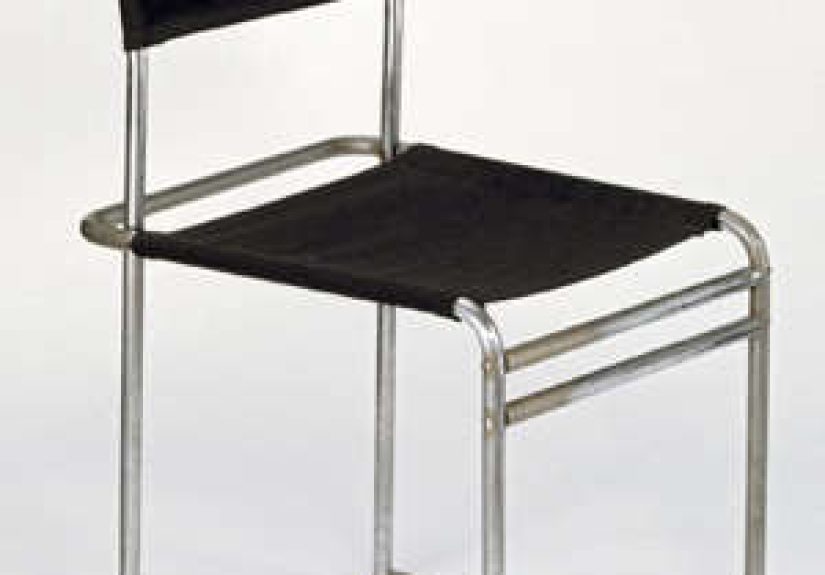
The Marcel Breuer B5 Chair is one of those designs that quietly walks into furniture history, pulls up a seat, and refuses to leave. At first glance, it may look almost too simple: a slim tubular steel frame, a stretched fabric or leather seat, a clear geometric profile, and absolutely no patience for decorative fluff. But that is exactly the point. The B5 Chair was designed during one of the most radical moments in modern design, when the Bauhaus was asking a bold question: what should everyday objects look like in the machine age?
Breuer’s answer was not a throne, not a stuffed parlor chair, and definitely not something that looked as if it had swallowed a sofa. His answer was light, strong, practical, and elegant. The B5 Chair translated industrial materials into domestic comfort, making steel feel less like a factory railing and more like a fresh idea for the modern home. It helped push furniture away from heavy upholstery and toward a cleaner, smarter, more architectural language.
Today, the Marcel Breuer B5 Chair remains important not only because it looks good, but because it changed how designers thought about furniture. It proved that a chair could be minimal without being boring, industrial without being cold, and functional without looking like it was designed by a committee trapped in a basement.
Who Was Marcel Breuer?
Marcel Lajos Breuer was born in Hungary in 1902 and became one of the most influential modernist designers and architects of the 20th century. He studied at the Bauhaus, the groundbreaking German school founded by Walter Gropius, and quickly became one of its standout talents. Breuer later taught at the school and became closely associated with its furniture workshop, where experimentation with materials, structure, and mass production was part of daily life.
Although Breuer is widely known for the Wassily Chair and the Cesca Chair, the B5 side chair deserves its own spotlight. It belongs to the same pioneering period when Breuer was exploring tubular steel as a furniture material. This was a daring move in the 1920s. At the time, many homes were still filled with heavy wood furniture and thick upholstery. Breuer looked at that world and essentially said, “Interesting, but what if a chair did not need to weigh as much as a small piano?”
The Bauhaus Background: Function Gets a Glow-Up
To understand the B5 Chair, it helps to understand the Bauhaus. The school promoted the unity of art, craft, architecture, and industry. Bauhaus designers believed that good design should serve real life, not just sit in a salon looking expensive. Furniture needed to be useful, affordable, efficient, and suitable for modern living.
This philosophy shaped the Marcel Breuer B5 Chair from top to bottom. Its form is honest. The frame shows how the chair stands. The seat and back show how the body is supported. There is no carved ornament pretending to be necessary. There are no decorative legs wearing little furniture costumes. Everything has a job.
That may sound obvious now, but in the 1920s it was a major shift. The B5 Chair helped demonstrate that modern furniture could be built from industrial materials and still belong in homes, studios, offices, and public spaces. It was not merely a place to sit; it was a manifesto with four legs.
Design and Materials of the Marcel Breuer B5 Chair
Tubular Steel: The Star of the Frame
The most recognizable feature of the B5 Chair is its tubular steel frame. Breuer was famously inspired by the strength, lightness, and flexibility of bicycle construction. The idea was simple but revolutionary: if tubular steel could make a bicycle strong enough to carry a person through the streets, why could it not support someone at a dining table or desk?
The B5 Chair uses bent metal tubing to create a continuous, lightweight structure. The frame feels architectural, almost like a tiny building for the human body. It has clarity, rhythm, and balance. The chair’s geometry gives it a crisp visual presence without bulk. In a room full of heavy furniture, the B5 looks like it has discovered cardio.
Seat and Back: Fabric, Eisengarn, Canvas, and Later Variations
Early versions of the B5 Chair commonly used strong woven textile materials such as canvas or Eisengarn, a durable waxed cotton associated with Bauhaus textile experimentation. The seat and back were stretched across the frame, creating support through tension rather than stuffing. This made the chair visually light and physically efficient.
Some later examples and related versions used leather or other upholstery materials. Collectors may encounter variations depending on production period, manufacturer, restoration history, and market labeling. This is one reason careful research matters when buying or identifying a Marcel Breuer B5 Chair. With famous modernist designs, the difference between “authentic,” “licensed,” “attributed,” “after,” and “inspired by” can be bigger than your coffee table budget.
B5 Chair vs. Wassily Chair vs. Cesca Chair
Breuer’s furniture can be confusing because several of his iconic chairs share tubular steel DNA. The Wassily Chair, also known as the B3, is a club chair with a larger, lounge-like presence. The Cesca Chair, originally associated with the B32/B64 models, is famous for its cantilevered steel frame and woven cane seat and back. The B5 Chair, by contrast, is a side chair: slimmer, more upright, and more directly suited to dining, working, or flexible seating.
Think of the Wassily as the dramatic intellectual at the party, the Cesca as the charming design celebrity everyone recognizes, and the B5 as the sharp, disciplined minimalist who actually organized the event. The B5 may be less famous in popular culture, but it is essential to understanding Breuer’s experiments with steel, geometry, and modern living.
Why the B5 Chair Was Revolutionary
It Rejected Heavy Furniture Traditions
Before modernism fully entered the home, seating often meant thick cushions, carved wooden frames, and a certain “grandma’s formal parlor” energy. Breuer’s B5 Chair was a dramatic contrast. It was airy, skeletal, and direct. It replaced visual weight with structural intelligence.
This was not minimalism for the sake of looking severe. The chair’s lightness had practical value. It was easier to move, easier to understand, and better suited to modern interiors where flexibility mattered. The B5 Chair made the room feel less crowded because it did not block light or space in the same way a bulky chair would.
It Connected Furniture to Industrial Production
The B5 Chair also represented a new relationship between design and manufacturing. Tubular steel could be bent, repeated, and produced with a level of consistency that matched the Bauhaus interest in industrial processes. Breuer was not simply designing a beautiful object; he was exploring how furniture might be made for a modern society.
This connection to production is one reason the B5 Chair remains important to design historians. It bridges the craft workshop and the factory floor. It shows the Bauhaus dream in miniature: art and industry sitting politely together, probably discussing geometry over black coffee.
It Made Transparency a Design Feature
One of the most interesting qualities of the Marcel Breuer B5 Chair is its visual transparency. Because the frame is slender and the seat is stretched rather than padded, the chair does not dominate a room. You can see through it and around it. This gives it a floating, open quality that works especially well in compact interiors.
In modern apartments, studios, galleries, and offices, that openness still feels useful. The B5 Chair does not shout. It draws a clean line and lets the space breathe. For anyone who has ever tried to make a small dining area look less like a furniture traffic jam, this is no small achievement.
Production History and Makers
The B5 Chair was designed around 1926–1927 and is associated with early tubular steel furniture production in Germany. Breuer’s designs were connected with firms such as Standard-Möbel and later Thonet, both important names in the story of modern furniture manufacturing. Thonet was already famous for bentwood furniture, so its involvement with tubular steel created a fascinating historical link between 19th-century industrial furniture and 20th-century modernism.
Original and early examples of the B5 Chair are now found in major museum collections, including institutions that preserve modern design as part of broader architecture and decorative arts history. These collection records help confirm the chair’s date, materials, dimensions, and importance. They also remind us that the B5 is not just a stylish old chair; it is a documented design object with a serious place in the modernist canon.
How the Marcel Breuer B5 Chair Looks in Modern Interiors
In a Dining Room
The B5 Chair works beautifully around a simple dining table, especially one made of wood, glass, or stone. Its steel frame adds a crisp architectural line, while its fabric or leather seat prevents the space from feeling too sterile. Pairing B5-style chairs with a warm wooden table creates a smart contrast: industrial edge meets natural texture.
In a Home Office
As a side chair, the B5 can also work in a home office or studio. It is not a plush ergonomic task chair with twelve levers and a suspiciously aggressive headrest, but it offers a clean, upright seating experience for reading, writing, or occasional work. It looks especially good beside a minimalist desk, drafting table, or wall-mounted shelving system.
In a Gallery-Like Living Space
For design lovers, the B5 Chair can act almost like functional sculpture. Place it near a bookshelf, a console, or a quiet corner, and it adds instant Bauhaus credibility. The key is not to overcrowd it. This chair likes breathing room. Give it space, and it will reward you by making the entire room look more intentional.
Buying a Marcel Breuer B5 Chair: What to Consider
Authenticity and Attribution
If you are shopping for a Marcel Breuer B5 Chair, pay close attention to the wording. Listings may say “Marcel Breuer,” “attributed to Marcel Breuer,” “after Marcel Breuer,” “B5 style,” or “Bauhaus style.” These terms do not mean the same thing. An authenticated early example is different from a later licensed production, and both are different from a modern reproduction inspired by the design.
Look for documentation, provenance, maker’s marks, construction details, and reputable seller information. When in doubt, ask questions. A good seller should be able to discuss the frame, materials, age, condition, and restoration history. If the only answer is “very rare, trust me,” your wallet should quietly back away.
Condition of the Frame
Because the B5 Chair relies on a tubular steel frame, condition matters. Check for rust, pitting, bending, loose joints, damaged plating, or repairs that may affect stability. Patina can be attractive, especially on vintage pieces, but structural weakness is not charming. A chair should not wobble like it is auditioning for modern dance.
Condition of the Seat and Back
The seat and back materials should also be inspected carefully. Original fabric can be historically valuable but fragile. Replaced upholstery may make the chair more usable but could affect collector value. Leather versions should be checked for cracking, stretching, dryness, or poor-quality replacement work.
For everyday use, a well-restored or high-quality reproduction may be more practical than a delicate museum-worthy original. For collecting, originality and documentation usually matter more. The best choice depends on whether you want to sit on the chair, display it, invest in it, or simply enjoy pretending your dining room is a Bauhaus seminar.
Why the B5 Chair Still Matters
The Marcel Breuer B5 Chair matters because it helped redefine what a chair could be. It was not based on luxury, ornament, or tradition. It was based on structure, material honesty, and modern life. Its beauty comes from its logic. Every line has purpose. Every part contributes to the whole.
That is why the B5 Chair continues to feel fresh nearly a century after its creation. Trends come and go. Furniture gets bigger, smaller, fluffier, shinier, and occasionally shaped like things no chair should resemble. But the B5 remains steady. It still looks intelligent. It still looks modern. It still makes a persuasive case for simplicity.
Experiences With the Marcel Breuer B5 Chair: Living With a Bauhaus Classic
Spending time with a Marcel Breuer B5 Chair, or even a faithful B5-style reproduction, changes the way you notice furniture. At first, the chair may seem almost too restrained. There is no dramatic curve asking for applause, no thick cushion promising a nap, no decorative flourish trying to flirt with your wallpaper. But after a while, its quiet confidence becomes the main attraction.
The first experience many people have with the B5 is visual. It makes a room look cleaner. Put one beside a wooden table and suddenly the table seems more grounded. Place it near a white wall and the steel frame draws a crisp outline, like a sketch that escaped the architect’s notebook and became useful. In a small apartment, the chair’s open structure is especially helpful. It offers seating without making the room feel crowded. That is a rare gift. Many chairs technically provide a place to sit while visually eating half the floor plan.
Sitting in the B5 is also different from sinking into a lounge chair. It encourages an upright posture. It feels purposeful. This is not the chair for disappearing under a blanket with three snacks and a streaming queue. It is better for conversation, dining, writing, reading, or enjoying coffee while feeling slightly more sophisticated than usual. The tensioned seat gives support without the puffiness of foam. The experience is direct, almost architectural. You become aware of the relationship between frame, surface, and body.
In daily use, the B5 Chair teaches a useful lesson about restraint. It shows that comfort does not always require excess. Of course, people who prefer plush seating may find it firm. That is fair. The B5 is not trying to be a recliner. It is trying to be a precise, modern side chair. Judging it by overstuffed-chair standards is like judging a fountain pen for not being a paint roller.
The chair also creates interesting design conversations. Guests often notice it, even if they do not know its name. Someone may ask, “Is that a Bauhaus chair?” or “Is that related to the Wassily?” Suddenly, your dining corner becomes a tiny design-history classroom, hopefully with better snacks. The B5 has that effect because it looks both simple and unusual. It is familiar enough to function, but distinctive enough to invite curiosity.
For collectors and design enthusiasts, owning or studying the B5 can feel like holding a piece of the moment when modern furniture found a new language. It connects the bicycle, the workshop, the factory, the school, and the home. That combination is what makes it so compelling. The chair is not merely attractive; it is evidence of a larger idea. It says that everyday objects can be smarter, lighter, more honest, and more beautiful when designers stop decorating problems and start solving them.
In a contemporary interior, the B5 Chair still works because it does not beg for attention. It simply improves the room’s rhythm. It pairs with midcentury pieces, minimalist interiors, industrial lofts, modern farmhouse spaces, and even eclectic rooms where old and new objects need a disciplined referee. The steel frame adds clarity. The seat adds texture. The silhouette adds history. That is a lot of work for one chair, but the B5 handles it gracefully.
Conclusion: A Small Chair With a Big Modernist Legacy
The Marcel Breuer B5 Chair is more than a Bauhaus artifact. It is a turning point in the story of modern furniture design. With its tubular steel frame, stretched seat and back, and uncompromising clarity, the B5 helped move seating into the 20th century. It rejected heavy decoration and embraced lightness, structure, and industrial intelligence.
Nearly 100 years later, the B5 still feels relevant because its core ideas remain useful. Modern homes still need furniture that saves space, looks clean, supports real life, and does not collapse into trendiness after one season. Breuer understood that good design could be practical and poetic at the same time. The B5 Chair proves it, quietly and brilliantly, one elegant steel line at a time.