Table of Contents >> Show >> Hide
- Introduction: A Medical Alert System With a Simple Promise
- What Is Life Protect 24/7?
- Life Protect 24/7 Pricing
- How the Life Protect 24/7 System Works
- Device Features: What Stands Out
- Monitoring and Emergency Response
- Contract Terms and Cancellation
- Customer Reviews and Complaints
- Pros of Life Protect 24/7
- Cons of Life Protect 24/7
- Who Is Life Protect 24/7 Best For?
- How Life Protect 24/7 Compares With Other Medical Alert Systems
- Buying Checklist Before You Sign Up
- Experience Notes: What Life Protect 24/7 May Feel Like Day to Day
- Final Verdict: Is Life Protect 24/7 Worth It?
Note: Pricing, plan details, device models, and contract terms can change. Before buying, confirm the exact monthly cost, cancellation process, fall-detection availability, cellular coverage, and any taxes or fees with Life Protect 24/7 directly.
Introduction: A Medical Alert System With a Simple Promise
Life Protect 24/7 is a medical alert company built around one very direct idea: when someone presses the help button, trained operators should be available around the clock. That is the whole magic trick. No dramatic cape, no superhero theme music, just a small wearable device and a support center waiting for the moment nobody wants but everyone wants covered.
For older adults, people living alone, caregivers, and families trying to keep independence safely on the menu, a medical alert system can feel like a practical middle ground. It is not a nurse, not a smartphone, and definitely not a replacement for common sense. But it can be a useful safety layer when getting to a phone is difficult, especially after a fall, sudden dizziness, chest discomfort, confusion, or a scary “I am stuck and the dog is judging me” moment.
This Life Protect 24/7 review looks at the company’s main public offering, advertised features, pricing, monitoring process, contract details, customer feedback, strengths, drawbacks, and who may be best served by it. The short version: Life Protect 24/7 offers a straightforward mobile monitoring unit with 24/7 support, free equipment as part of the service plan, and no long-term commitment advertised on its website. However, its $59.99 monthly price sits toward the higher end of the typical medical alert market, and shoppers should ask careful questions about fall detection, billing, cancellation, and device specifications before signing up.
What Is Life Protect 24/7?
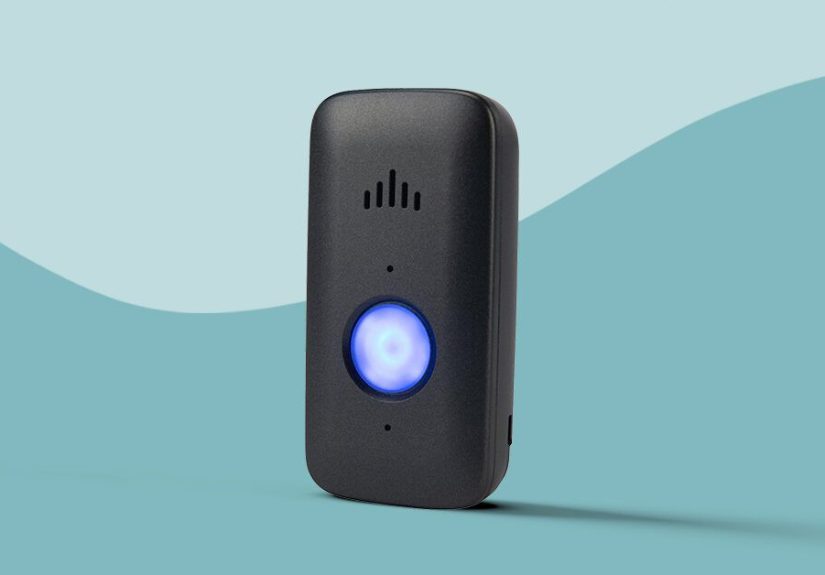
Life Protect 24/7 is a medical alert system provider offering emergency monitoring services for people who want help available at the press of a button. The company’s current public product page highlights a Mobile Monitoring Unit, described as small, lightweight, wearable, and usable indoors, outdoors, at home, away from home, and even in the shower.
The company positions its service around 24/7 operators, no long-term commitments, and equipment provided at no upfront hardware charge as part of the service plan. That last point is important: “free equipment” usually does not mean free service. It means the hardware is included with the monitoring subscription, much like the remote control that mysteriously disappears into the sofa but technically came with the TV.
Life Protect 24/7 is listed by the Better Business Bureau as an accredited business with an A+ rating. BBB records also identify the company as operating in the medical alarms category and list Life Protect 24/7 as having been in business for more than a decade. That provides some business-history reassurance, although BBB ratings should not be treated as a full product review or a guarantee of perfect customer experience.
Life Protect 24/7 Pricing
The Life Protect 24/7 Mobile Monitoring Unit is advertised at $59.99 per month. That puts it near the upper end of many monitored medical alert systems, which often range from roughly $20 to $60 or more per month depending on device type, mobile capability, GPS, fall detection, caregiver apps, equipment fees, and billing plan.
The company advertises no charge for hardware and no long-term commitment. Those are useful selling points, especially for families who do not want to purchase equipment outright or lock into a multi-year contract. Still, the monthly cost deserves a close look. At nearly $60 per month, Life Protect 24/7 may cost more than some competitors’ basic in-home systems and may overlap with premium mobile systems from larger brands.
Questions to Ask Before Paying
Before enrolling, ask whether the $59.99 monthly price includes everything you need. Specifically, confirm whether fall detection is included, optional, or unavailable for the exact device being shipped. Ask about taxes, shipping, activation fees, caregiver app fees, lockbox fees, replacement costs, and refund rules. Also ask how cancellation works and whether a return authorization or specific shipping process is required.
This is not being fussy. It is being financially awake. Medical alert systems are purchased during moments of concern, and concern is not always the best shopping assistant. A clear written quote can prevent the classic “Wait, what is this charge?” conversation later.
How the Life Protect 24/7 System Works
Life Protect 24/7’s FAQ explains the basic emergency flow. The user presses the SOS button and is connected through the medical alert unit to a Care Specialist. The specialist can contact 911 if needed, follow the user’s custom instructions, notify selected contacts, and remain on the line through the system while help is being arranged.
The company says customers can use the button for medical emergencies and security-related concerns. It also says users can press the button when they are not feeling well and request that the monitoring team contact chosen people in a preferred order. That flexibility matters because not every alert is a flashing-lights emergency. Sometimes the best response is calling a daughter, neighbor, caregiver, or building manager before escalating to emergency services.
Setup and Testing
Life Protect 24/7 says the system does not require the user to program it when it arrives. The company also recommends testing the SOS button at least once a month. Monthly testing is a smart habit with any medical alert device. Batteries age, cellular signals vary, and humans are very good at putting important gadgets in odd places, including drawers labeled “miscellaneous,” which is where technology goes to meditate.
Device Features: What Stands Out
The most visible product on Life Protect 24/7’s website is the Mobile Monitoring Unit. Its main advantages are portability and simplicity. A mobile unit is generally better for active users than a traditional in-home-only base station because it can travel outside the house. That means it may be useful during walks, errands, doctor visits, gardening, or trips to the mailbox that somehow become neighborhood conversations.
The device is described as wearable and usable in the shower. Shower usability is a meaningful benefit because bathrooms are a common fall-risk area. A device left on the nightstand is not much help when the emergency happens near the tub. A wearable alert button is only useful if the user actually wears it, so comfort, weight, charging routine, and water resistance all matter.
Fall Detection and GPS: Verify Before Buying
Life Protect 24/7’s public product page does not clearly explain every technical feature in detail. Its contract terms refer to location-based services for some equipment, but shoppers should not assume that every device includes GPS, automatic fall detection, or caregiver tracking unless those features are confirmed in writing for the specific unit ordered.
This matters because fall detection is one of the most requested medical alert features. It can be valuable if someone falls and cannot press the button. But fall detection is not perfect across the industry. It may miss some falls or trigger false alarms. GPS can also be approximate rather than exact. A good buying decision starts with realistic expectations, not marketing fairy dust.
Monitoring and Emergency Response
Life Protect 24/7 says its Care Specialists are available 24 hours a day, seven days a week. The FAQ also says the company uses UL-listed monitoring centers and that specialists receive training before handling calls. In everyday terms, the monitoring center is the heart of the service. The device is the doorbell; the response team is who answers.
One positive point is that the system can follow custom instructions. For example, a user may want the operator to call a nearby adult child first for non-emergency concerns, but contact 911 immediately for chest pain, breathing trouble, severe bleeding, or a suspected stroke. Families should take time to set those instructions clearly. Vague emergency plans are like vague recipes: technically possible, but the result may be messy.
Contract Terms and Cancellation
Life Protect 24/7 advertises no long-term commitments, and its terms describe the monitoring service as a recurring subscription. The terms also indicate customers can cancel by contacting customer service, using the help page, or writing to the company. The contract materials also describe a 30-day window after equipment delivery to discontinue the program if the user does not agree with the terms.
However, the terms include important legal language. They contain an arbitration agreement and class action waiver. They also state that monitoring services are not guaranteed to be 100 percent reliable or available and are not a replacement for calling 911. This is common in the medical alert industry, but it is still worth reading carefully. A medical alert device can help connect users to assistance, but it should never be the only safety plan for someone at serious medical risk.
Practical Cancellation Tip
If you cancel, document everything. Save the date, representative name, confirmation number, return tracking number, and any refund promise. This is good practice with any subscription service. Future-you will be grateful, and future-you is already dealing with enough passwords.
Customer Reviews and Complaints
Life Protect 24/7’s own review page includes positive comments about helpful, polite, knowledgeable, and patient representatives. Several reviewers praise customer service and say agents explained issues or resolved billing concerns. These comments suggest that when customer service works well, it can be a strong part of the Life Protect 24/7 experience.
BBB complaint records, however, show some reported issues over the past three years, including billing concerns, service or repair issues, and product complaints. Public complaint examples include frustration with refunds, device replacement timing, and service interruptions. To the company’s credit, BBB records also show responses to complaints, and some complaints were marked resolved. Still, the pattern reinforces the need to clarify billing and equipment procedures before enrolling.
Customer reviews for medical alert systems should always be read with context. People often leave reviews after either a very good or very frustrating experience. The quiet middlethe customer who wears the device for two years and never needs itrarely writes an epic review titled “Nothing Happened, Thankfully.”
Pros of Life Protect 24/7
Simple Mobile Protection
The Mobile Monitoring Unit is designed for use at home and away from home. That makes it more flexible than a landline-only system and potentially better for users who are still active.
24/7 Monitoring
Round-the-clock access to Care Specialists is the central value of the service. For people living alone, that can provide peace of mind to both the user and their family.
No Long-Term Commitment Advertised
The company’s website emphasizes no long-term commitments. This is appealing for families who want to try a system without feeling trapped.
Equipment Included With the Plan
Life Protect 24/7 advertises free equipment as part of the service plan, reducing upfront hardware costs.
BBB Accreditation
The company’s BBB accreditation and A+ rating provide some reassurance that it is an established business with a public complaint-resolution profile.
Cons of Life Protect 24/7
Pricing Is Not the Cheapest
At $59.99 per month, Life Protect 24/7 is not a bargain-basement option. Budget-focused shoppers may find lower-cost systems, especially for basic in-home monitoring.
Limited Online Feature Transparency
The website gives a clean overview but does not clearly answer every buyer question about fall detection, GPS precision, battery life, caregiver tools, fees, or exact device specifications.
Complaint History Deserves Attention
BBB complaints do not automatically mean a company should be avoided, but billing and equipment-service complaints are worth considering. Ask questions, get details in writing, and track account changes carefully.
Medical Alerts Are Not Foolproof
The company’s own terms make clear that monitoring services and equipment may not always be available or reliable. This is true across the category, but it should shape expectations.
Who Is Life Protect 24/7 Best For?
Life Protect 24/7 may be a good fit for older adults or caregivers who want a mobile medical alert device, prefer phone-based consultation, and value a simple service model with equipment included. It may also suit someone who wants a wearable unit for both home and outings and does not mind paying a higher monthly rate for monitored support.
It may be less ideal for shoppers who want the lowest monthly price, a highly detailed online checkout experience, published device specs, smartwatch-style features, or clearly bundled fall detection. It may also be a poor fit for anyone who dislikes subscription billing or does not want to manage cancellation and return documentation carefully.
How Life Protect 24/7 Compares With Other Medical Alert Systems
Compared with many competitors, Life Protect 24/7 appears more focused on a single mobile monitoring offer than a large menu of devices. Some medical alert brands offer multiple packages: landline home systems, cellular home systems, mobile pendants, smartwatches, caregiver apps, lockboxes, wall buttons, and fall-detection upgrades. Life Protect 24/7’s simpler public product lineup may be easier to understand, but it also gives shoppers fewer visible comparison points.
The price is the biggest comparison issue. A $59.99 monthly fee can be reasonable if it includes robust mobile coverage, helpful support, strong device quality, and needed safety features. But if fall detection, caregiver tools, or other add-ons cost extraor are not availablethen competitors may offer stronger value. The best comparison is not brand name versus brand name. It is feature versus feature, fee versus fee, and contract versus contract.
Buying Checklist Before You Sign Up
Use this checklist before ordering Life Protect 24/7 or any medical alert system:
- Confirm the exact device model being shipped.
- Ask whether automatic fall detection is included, optional, or unavailable.
- Ask whether GPS or location services are included and how accurate they typically are.
- Confirm battery life, charging time, and low-battery alerts.
- Ask whether the device works on a specific cellular network and whether coverage is strong in your area.
- Request the full monthly cost, including taxes and add-on fees.
- Ask about activation, shipping, replacement, lockbox, and caregiver app charges.
- Read the cancellation, refund, and equipment return rules.
- Test the device immediately after setup and monthly afterward.
- Make sure emergency contacts and response instructions are accurate.
Experience Notes: What Life Protect 24/7 May Feel Like Day to Day
To understand Life Protect 24/7 beyond the sales page, imagine a realistic household scenario. A 78-year-old parent still lives independently, makes breakfast, waters plants, checks the mail, and occasionally climbs a step stool despite every family member saying, “Please do not climb the step stool.” A mobile medical alert device is not there to take away independence. It is there to make independence less nerve-racking for everyone involved.
The first experience is setup. A good setup day should include charging the unit, learning how to wear it, pressing the button for a test, and making sure the monitoring team has the right address and emergency contacts. This is also the time to decide response instructions. For example, if the user says, “I feel dizzy but I am sitting safely,” the operator might call a daughter first. If the user says, “I fell and my hip hurts,” emergency services should be contacted quickly. These instructions should be simple, because emergencies are not famous for giving people time to read a family policy manual.
The second experience is wearing the device consistently. This is where many families discover the difference between buying safety and using safety. A medical alert pendant sitting on the kitchen counter is basically a tiny paperweight. The device has to become part of the daily routine: put it on after getting dressed, keep it nearby during showers if it is rated for that use, charge it at the same time each day or week, and test it monthly. Caregivers can help by making the routine feel normal rather than nagging. “Did you charge your button?” sounds better than “Are you wearing that thing I bought you because I worry constantly?”
The third experience is the accidental button press. This happens. Someone bends over, hugs a grandchild, wrestles with a seatbelt, or bumps the device while changing clothes. Ideally, the operator answers calmly, confirms there is no emergency, and resets the call. In many ways, accidental presses are useful practice. They teach the user what the response sounds like and reduce panic if a real emergency happens later.
The fourth experience is caregiver peace of mind. A medical alert system does not remove worry, but it gives worry a job. Instead of calling three times a day just to ask, “Are you alive?” family members can feel more comfortable knowing there is a button available. That emotional benefit is real. It can reduce tension between older adults who want privacy and adult children who want reassurance.
The fifth experience is maintenance. Every medical alert system needs a boring-but-important routine. Keep the device charged. Test it. Update contacts after phone-number changes. Revisit instructions after a hospitalization, new diagnosis, medication change, or move. If the device fails to charge, loses signal, or becomes uncomfortable to wear, call support quickly. A safety device should not become another household object everyone avoids dealing with.
The final experience is deciding whether the value still makes sense after a few months. If the user wears it daily, tests it, and feels safer, the monthly cost may be easy to justify. If the device is rarely worn, features are unclear, or billing causes frustration, it may be time to compare alternatives. The right medical alert system is the one that fits the user’s real lifenot the imaginary perfect life where everyone remembers to charge everything and nobody misplaces anything ever.
Final Verdict: Is Life Protect 24/7 Worth It?
Life Protect 24/7 is a legitimate medical alert provider with a straightforward mobile monitoring offer, 24/7 support, included equipment, and no long-term commitment advertised. Its mobile unit may appeal to older adults who want simple wearable protection both inside and outside the home. The company’s BBB accreditation and long business history are positives, and its own customer reviews include praise for helpful representatives.
The main drawbacks are price and transparency. At $59.99 per month, Life Protect 24/7 is not the lowest-cost option. The public website also leaves several important buyer questions unanswered, especially around fall detection, GPS details, battery life, add-on fees, and exact device specifications. BBB complaint records suggest shoppers should be extra careful with billing, cancellation, refunds, and equipment replacement procedures.
Overall, Life Protect 24/7 is worth considering if you want a mobile medical alert system and prefer a phone-guided buying process. But before enrolling, compare at least two or three competitors, ask detailed questions, request written confirmation, and test the device as soon as it arrives. A medical alert system should bring peace of mind, not a scavenger hunt through fine print.