Table of Contents >> Show >> Hide
- What “Juuling” and Vaping Actually Mean
- Nicotine Addiction: The “Tiny Molecule, Big Attitude” Problem
- Signs You Might Be Nicotine-Dependent
- Health Risks: What We Know (and What We’re Still Learning)
- Myths That Keep Nicotine Addiction Going
- Juuling and Youth Vaping in the U.S.: A Quick Reality Check
- Regulation and the JUUL Timeline (Without the Legalese Headache)
- How to Quit Vaping Nicotine: Practical, Evidence-Informed Steps
- 1) Pick a Quit Style That Fits You
- 2) Expect Withdrawal (So It Doesn’t Surprise-Uppercut You)
- 3) Identify Triggers Like a Detective (A Slightly Sleepy Detective Is Fine)
- 4) Build a “Craving Toolkit”
- 5) Use Legit Support (Because White-Knuckling is Overrated)
- 6) Consider Medical Help When Appropriate
- For Parents, Teachers, and Mentors: What Actually Helps
- Real-World Experiences (About ): What Nicotine Addiction Can Feel Like
- Conclusion: The Goal Isn’t “Perfect.” The Goal Is “Free.”
Once upon a time, “smoking” had a very specific look: a cigarette, a lighter, and a cloud that told the whole neighborhood what you were doing.
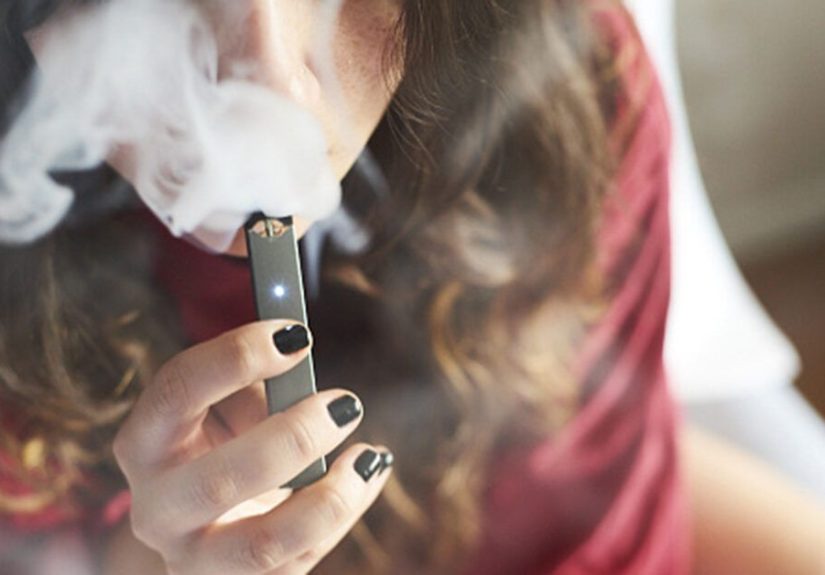
Then along came sleek little e-cigarettesespecially JUULand suddenly nicotine showed up wearing a USB-stick disguise.
Cute design, quick hit, easy to hide… and for a lot of people, an unexpectedly sticky kind of addiction.
This article breaks down what “juuling” and vaping really are, why nicotine addiction can happen fast (especially for teens),
what science and public health agencies say about the risks, and what quitting can look like in real lifemessy cravings and all.
We’ll keep it honest, practical, and just funny enough to keep your brain from wandering off like a distracted golden retriever.
What “Juuling” and Vaping Actually Mean
Vaping is the use of an electronic device (often called an e-cigarette or vape) that heats a liquid to create an aerosol you inhale.
That liquid can contain nicotine, flavorings, and other chemicals. Most commercial nicotine vapes do contain nicotine, even when users
aren’t always sure they do.
Juuling became slang for vaping because JUUL products were everywhere for a whileespecially among young people.
JUUL helped popularize a “pod” system that looks modern, feels techy, and (this is important) can deliver nicotine in a way that’s
easier to inhale than older e-cigarettes.
Why JUUL Felt Different: Nicotine Salts and a Smoother Hit
Traditional cigarettes deliver nicotine quickly because smoke is absorbed rapidly in the lungs.
Many early e-cigarettes delivered nicotine less efficiently, which made them feel weaker.
JUUL and other pod-based devices often use nicotine saltsa form of nicotine designed to feel less harsh at higher concentrations.
Translation: people can inhale more nicotine more comfortably, and their brains can learn “this feels good” faster.
Another reason JUUL got so much attention is that nicotine content can be high.
Some JUUL pods have been sold in strengths such as 3% and 5% nicotine; public health and research groups have noted that a pod’s total nicotine
can be comparable to what you’d find in a pack of cigarettesdepending on use patterns.
Not everyone takes the same number of puffs or absorbs the same amount, but the potential for a big nicotine dose is real.
Nicotine Addiction: The “Tiny Molecule, Big Attitude” Problem
Nicotine is a highly addictive drug. It works by binding to receptors in the brain and triggering the release of dopamine and other neurotransmitters
involved in reward, attention, and mood. Over time, the brain starts to expect nicotine the way a phone expects Wi-Fi.
When it doesn’t get it? Cue the spinning wheel.
Why Teens Get Hooked Faster
Adolescence is a period of major brain developmentespecially in areas involved in decision-making, impulse control, and learning.
Nicotine exposure during this time can affect brain circuits related to attention, learning, mood, and susceptibility to addiction.
That’s one reason public health agencies emphasize that nicotine is uniquely risky for youth.
Add the modern teen ecosystemstress, social pressure, algorithms, flavored products, and the “everyone’s doing it” illusionand it’s not surprising
that vaping can shift from “just trying it” to “I feel weird if I don’t” faster than people expect.
How Dependence Builds (Even When You Don’t Think You’re “Addicted”)
- Tolerance: Over time, you may need more nicotine to get the same effect.
- Withdrawal: When nicotine levels drop, your brain complainsloudly.
- Conditioning: Your brain links nicotine to routines (after school, after meals, while gaming, during stress).
- Reinforcement loop: Nicotine temporarily eases withdrawal symptoms… which teaches your brain that nicotine is the “solution.”
The tricky part is that nicotine can feel like it helps anxiety or focus, but often it’s just temporarily relieving nicotine withdrawal.
It’s like putting out a fire with the same match that started it.
Signs You Might Be Nicotine-Dependent
Nicotine addiction doesn’t always look like a dramatic movie montage.
Sometimes it looks like… normal life, but with a background soundtrack of cravings.
Common Clues (No Judgment, Just Data)
- You feel strong urges to vape, especially in certain situations (stress, boredom, social settings).
- You get irritable, restless, anxious, or “foggy” when you can’t vape.
- You vape sooner after waking up than you used to (or think about it early in the day).
- You tried to cut back but “somehow” ended up back where you started.
- You keep vaping even when you don’t like the cost, the cough, or the way it makes you feel.
If you recognize yourself here, that doesn’t mean you’re weak. It means nicotine is doing exactly what nicotine does:
training the brain to prioritize it.
Health Risks: What We Know (and What We’re Still Learning)
E-cigarettes generally don’t involve burning tobacco, which reduces exposure to some harmful combustion chemicals found in cigarette smoke.
But “less harmful than cigarettes” is not the same as “safe,” especially for people who never used nicotine before.
Brain and Mental Health
Nicotine affects attention, learning, and moodespecially in adolescents. Some users report feeling more anxious or down when they’re not vaping,
which can intensify the addiction cycle. And because the teenage brain is still wiring itself, repeated nicotine exposure can make the brain more
sensitive to addiction overall.
Lungs and Breathing
Vape aerosol can contain ultrafine particles, volatile organic compounds, heavy metals, and certain flavoring chemicals that may be safe to eat
but not safe to inhale. Many people notice throat irritation, cough, or shortness of breath. Long-term outcomes are still being studied, but major
health organizations warn that inhaling these chemicals can harm lung health.
Heart and Blood Vessels
Nicotine increases heart rate and can raise blood pressure by stimulating the sympathetic nervous system (your “fight-or-flight” settings).
Some research links vaping with cardiovascular strainespecially for people who use nicotine frequently or who also smoke cigarettes.
Nicotine Poisoning and Accidental Exposure
Nicotine is toxic at high doses. Liquid nicotine can be dangerous if swallowed, spilled on skin, or absorbed through the eyes.
Poison control centers have reported many calls involving young children exposed to e-cigarette liquids.
If there’s suspected poisoning or severe symptoms, treat it like an emergency and contact medical help immediately.
EVALI: The Lung Injury Outbreak You Might Remember
In 2019–2020, the U.S. saw a major outbreak of e-cigarette or vaping product use–associated lung injury (EVALI).
Investigations strongly linked many cases to THC-containing products, especially those from informal sources, and to an additive called
vitamin E acetate. That outbreak highlighted an uncomfortable truth: you can’t always tell what you’re inhaling.
Myths That Keep Nicotine Addiction Going
Myth 1: “It’s just water vapor.”
Vape aerosol isn’t harmless steam. It can contain nicotine and other chemicals that affect the lungs and cardiovascular system.
Myth 2: “Nicotine-free means risk-free.”
Some products labeled “nicotine-free” have been found to contain nicotine, and even without nicotine, inhaling heated flavoring chemicals
and solvents can irritate the lungs.
Myth 3: “I can stop anytime.”
Many people can’tat least not easilybecause nicotine changes the brain’s reward system. If quitting were just “wanting it enough,”
nicotine addiction wouldn’t be a public health issue.
Myth 4: “Everyone vapes.”
Youth vaping has declined from its peak years, but it still affects millions of studentsand flavored products remain common among those who use them.
The point is not “everyone does it”; the point is “enough people do it that it’s become normalized,” which can make quitting feel harder socially.
Juuling and Youth Vaping in the U.S.: A Quick Reality Check
U.S. youth e-cigarette use has changed over time, shaped by product design, flavors, enforcement, social media trends, and regulation.
Recent national survey results show that a meaningful number of middle and high school students still report current e-cigarette use.
Among current youth users, flavored products and frequent (or even daily) use are common.
This matters because frequent use is a big red flag for dependence. If nicotine is in the picture and use is happening most days,
addiction risk skyrockets.
Regulation and the JUUL Timeline (Without the Legalese Headache)
The U.S. regulates e-cigarettes as tobacco products when they contain nicotine derived from tobacco.
Federal law prohibits the sale of tobacco productsincluding vapesto people under 21.
The FDA also requires many vaping products to go through a premarket review process to determine whether marketing the product would be
“appropriate for the protection of public health.” That doesn’t mean “safe,” and it definitely does not mean “approved as a quitting tool.”
So What Happened With JUUL?
JUUL’s regulatory story has been complicated. The FDA issued marketing denial orders (MDOs) in 2022, then later rescinded those orders and
returned JUUL’s applications to scientific review in 2024. In 2025, major news outlets reported the FDA authorized certain JUUL products for sale
(notably tobacco and menthol varieties), after extended review.
Important nuance: “authorized for sale” is not the same as “FDA-approved for smoking cessation.”
Public health guidance continues to emphasize that youth should not use nicotine in any form, and adults who want to quit smoking should consider
proven cessation methods first.
How to Quit Vaping Nicotine: Practical, Evidence-Informed Steps
Quitting nicotine is a skill, not a personality trait. It usually takes a plan, support, and a little patience with your own brain while it recalibrates.
Here are approaches commonly recommended by U.S. public health and medical organizations.
1) Pick a Quit Style That Fits You
- Cold turkey: Stops nicotine all at once. Fast reset, but withdrawal can feel intense.
- Cut down: Gradually reduce use over days or weeks. Helpful if you vape frequently and want a smoother landing.
- Structured support: Counseling, text programs, coaching, or clinician-guided plans increase success rates.
2) Expect Withdrawal (So It Doesn’t Surprise-Uppercut You)
Common withdrawal symptoms include irritability, anxiety, restlessness, trouble concentrating, cravings, and sleep changes.
The peak is often in the first days, and then symptoms usually improve over time. The brain is basically renegotiating its dopamine budget.
3) Identify Triggers Like a Detective (A Slightly Sleepy Detective Is Fine)
Triggers can be emotions (stress, boredom), places (car, bathroom, certain hangouts), people (friends who vape), or activities (gaming, scrolling).
Write down your top three triggers and decide what you’ll do insteadbefore cravings show up.
4) Build a “Craving Toolkit”
- Delay: Tell yourself “10 minutes.” Cravings rise and fall like waves.
- Distract: Move your body, chew gum, sip cold water, or do something with your hands.
- Deep breathing: Slow breaths can reduce the physical spike of craving.
- Text or talk: A quick message to someone supportive can break the autopilot loop.
5) Use Legit Support (Because White-Knuckling is Overrated)
U.S. resources exist specifically for quitting vaping, including teen-focused tools and text-based support programs.
Quitlines (like 1-800-QUIT-NOW) can connect people to counseling and local services. Smokefree teen and adult programs provide quit plans and tools.
If you’re a teen, talking with a trusted adult, school counselor, or clinician can add both support and privacy-safe structure.
6) Consider Medical Help When Appropriate
Nicotine replacement therapy (NRT) and other cessation medications are well-studied for cigarette smoking in adults.
For teens, options should be discussed with a clinician, because the goal is always to quit safely and fullywithout swapping one dependence
for another. The best plan is the one that gets you nicotine-free and keeps you there.
For Parents, Teachers, and Mentors: What Actually Helps
If you’re supporting a young person, your role isn’t “be the nicotine police.”
Your role is “be the calm adult nervous system” in a world that sometimes feels like a group chat that never sleeps.
Start With Curiosity, Not a Courtroom
- Ask what they’ve seen at school or online before asking what they’ve done.
- Listen for stress, anxiety, social pressure, or boredomcommon drivers of use.
- Focus on health, autonomy, and future goals (sports, singing, stamina, money, mood).
Make Quitting Easier Than Hiding
Shame makes people secretive. Support makes people honest. AAP guidance encourages clinicians and caregivers to use supportive conversations
and motivational interviewing approaches rather than punishment-heavy strategies.
Real-World Experiences (About ): What Nicotine Addiction Can Feel Like
The science is important, but so is the human side. Below are composite-style experiences drawn from common patterns reported by teens, young adults,
parents, and quit coaches. Names and details are generalized, but the feelings are very real.
The “It Helps My Stress” Trap
One high school student described vaping as their “pause button.” Before a test or after a fight with a friend, a few hits felt like flipping the lights
back on in their head. The problem showed up on weekends: when they couldn’t vape, they felt tense, snappy, and weirdly sadlike their skin didn’t fit.
Once they learned about withdrawal, the puzzle pieces clicked. The vape wasn’t curing stress; it was temporarily calming the body’s reaction to not
having nicotine. When they quit, the first week was roughirritability, cravings, and sleep that felt like a glitchy app. But by week three,
they noticed something surprising: their baseline anxiety dropped. Not magically. Not instantly. Just… less “wired.”
The Athlete Who Didn’t Like the New “Normal”
Another teen played soccer and started vaping socially. It didn’t feel serious until conditioning got harder. They weren’t collapsing or anything dramatic;
it was subtler: more coughing, less stamina, and a throat that always felt scratchy. They hated the idea that a tiny device had more control over their
performance than their training did. Quitting looked like this: sunflower seeds on the bus, gum during cravings, and a “craving rule” of waiting 10 minutes
before doing anything. The cravings still camebut they stopped being emergencies. They became weather: annoying, temporary, manageable.
The “Everybody Does It” Friend Group Problem
One student tried to quit and immediately hit the social wall: their friends vaped between classes, at hangouts, during gaming sessionslike punctuation.
The fear wasn’t just cravings; it was awkwardness. Their strategy was honestly pretty clever: they told one friend first (the most trustworthy one),
asked them not to offer, and started taking quick “walk breaks” when the group pulled out devices. At first it felt dramatic, like they were starring
in a very low-budget after-school special. But within a month, two other friends admitted they also wanted to stop. Turns out “everyone does it”
sometimes means “everyone thinks everyone does it.”
The Parent Who Switched from Anger to a Plan
A parent noticed mood swings and a new habit of disappearing into the garage “to grab something.” Their first instinct was fury.
Their second instinctafter reading morewas to treat it like what it was: a health and addiction issue. They made a deal:
no yelling, no shaming, but a clear goal of getting nicotine out of the picture. The teen didn’t quit perfectly. There were slip-ups.
But the household changed. Quitting became something they worked on together, like physical therapy after an injuryannoying, repetitive, and ultimately
worth it. The parent later said the biggest lesson was this: “When I stopped making it about punishment, my kid stopped making it about hiding.”
If any of these feel familiar, remember: addiction is not a character flaw. It’s a brain learning process. And learning can be unlearnedespecially with
support, strategy, and time.
Conclusion: The Goal Isn’t “Perfect.” The Goal Is “Free.”
Juuling and vaping turned nicotine into something that can look harmless, even trendybut nicotine addiction is still nicotine addiction.
It can reshape routines, moods, attention, and health. The good news is that quitting works. It’s not always quick, and it’s rarely linear,
but it is absolutely possible. The brain can reset. Breathing can improve. Cravings can shrink.
And the coolest flex? Being in control of your own reward system again.