Table of Contents >> Show >> Hide
- What Are Moonlights, Exactly?
- Why the Moonlights Hair Color Trend Is Everywhere Right Now
- Moonlights vs. Balayage vs. Highlights: What’s the Difference?
- Who Should Try Moonlights?
- How to Ask for Moonlights at the Salon (Without Sounding Like You Live on TikTok)
- What Moonlights Look Like on Different Hair Colors
- Maintenance: How to Keep Moonlights Looking Glossy, Not Brassy
- Common Moonlights Mistakes (So You Can Avoid Them Like a Pro)
- A Quick Safety Note on Hair Color
- Final Thoughts: Moonlights Are the Glow-Up That Respects Your Life
- Real-Life Moonlights: 90 Days of “Omg, Your Hair” Energy (Experiences)
- Week 1: The “Did you do something?” compliments start immediately
- Weeks 2–4: Styling becomes easier (because dimension does half the work)
- Month 2: The grow-out is the pointand it’s surprisingly satisfying
- Month 3: You decide whether you’re a “toner person” or a “let it live” person
- The most consistent takeaway: moonlights feel “custom,” not cookie-cutter
There are two kinds of people in the world: the “I’m bored, I need a change” crowd, and the “I’m bored, I will buy a new water bottle” crowd.
If you’re reading this, congratulationsyou’re in the first group. Even better, you’ve stumbled onto a hair trend that delivers the thrill of a refresh
without the emotional whiplash of going five shades lighter and spending the next month whispering, “Who is she?” to your mirror.
Enter: moonlights. It’s the low-maintenance, low-drama, high-impact technique that makes your hair look like it’s catching light in all
the right placeslike you’re permanently standing under flattering evening lighting. (Not the overhead kitchen light. Nothing can save that one.)
What Are Moonlights, Exactly?
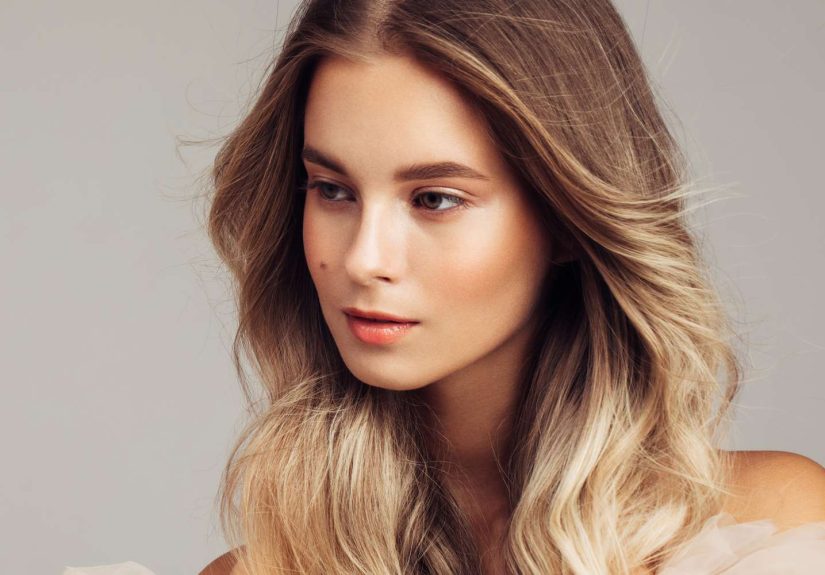
Moonlights are a modern mashup of subtle highlights and balayage-style “hair painting,” usually concentrated from the mid-lengths down to
the ends. The key difference is the softness: the lightened pieces are typically only a few shades brighter than your base, so the effect
is dimensional and glowynot streaky, stripey, or aggressively “I just discovered bleach.”
Think of moonlights as your natural color… with better lighting. Instead of a sun-kissed, beachy vibe, you get a cooler, more understated shimmerlike
your hair is reflecting moonlight when you move. The placement often favors the lower half of the hair, which helps the grow-out look effortless and
lived-in.
Why the Moonlights Hair Color Trend Is Everywhere Right Now
1) It’s the “I want change, not commitment” option
Moonlights offer that fresh, “something is different” energy without locking you into frequent root touch-ups. Because the brightness lives away from the
scalp and blends softly, it grows out gracefully. In other words: it respects your calendar.
2) It flatters a ton of hair types and textures
Wavy hair? Moonlights add movement. Curly hair? They create depth and definition. Straight hair? The dimension looks sleek and expensive. This technique
plays nicely with real lifepony tails, buns, air-dried waves, and that one dramatic hair flip you do when you’re feeling yourself.
3) It’s a strategic answer to the “balayage fatigue” era
Balayage is iconic, but trends evolve. Moonlights keep the hand-painted artistry people love while dialing down the contrast and dialing up the blend. It’s
like balayage got a promotion and now wears a cashmere coat.
Moonlights vs. Balayage vs. Highlights: What’s the Difference?
Moonlights
- Effect: Subtle, luminous dimensionoften strongest from mid-lengths to ends.
- Contrast level: Low to medium (usually just a few shades lighter than your base).
- Maintenance: Typically low; grows out softly.
Balayage
- Effect: Hand-painted brightness with a “sun-kissed” gradient, often more noticeable overall.
- Contrast level: Medium to high (depending on how blonde you go).
- Maintenance: Often low-to-moderate, but toners/glosses help keep it looking fresh.
Traditional Highlights (Foils)
- Effect: More uniform brightness from near-root to ends; can be subtle or bold.
- Contrast level: Can be higher and more defined.
- Maintenance: Usually higher because regrowth shows sooner.
Here’s the important nuance: a lot of viral “moonlight” videos make it look like a stylist can swipe on lightener in 12 seconds and deliver a perfect,
cool-toned glow. In reality, clean lift and pretty tone often require controlled placement, adequate processing, and (very commonly)
toner. Your best results come from the technique behind the trendnot the speed-run version.
Who Should Try Moonlights?
Brunettes and dark blondes: the MVP candidates
Moonlights tend to show up best on darker bases because a small lift creates visible dimension. If you’ve been craving brightness but don’t want to go fully
blonde, this is your sweet spotespecially if you want your hair to look richer, not radically different.
Wavy and curly textures: dimension for days
On textured hair, moonlights can emphasize shape and movement. The highlights peek through curls and waves in a natural way, giving that “my hair just looks
better lately” effect.
Very light blondes: you can still get the vibe, but not the same contrast
If your hair is already platinum or super pale, a few shades lighter doesn’t exist (math is rude like that). In that case, ask about the moonlights
ideastrategic dimensionusing lowlights, a shadow root, or a gloss that adds depth and shine instead of more lift.
How to Ask for Moonlights at the Salon (Without Sounding Like You Live on TikTok)
You can absolutely say, “I want moonlights.” But your stylist will love you extra if you translate it into clear, practical goals. Here’s a foolproof way to
describe what you want:
- Start with your base: “I’m a level X brunette/dark blonde and I want subtle dimension.”
- Name the lift: “Only a few shades lightersoft, blended, not chunky.”
- Talk placement: “Most brightness from mid-lengths to ends, with a little face framing.”
- Request the finish: “Cool-neutral glow (or warm honey glow) depending on what suits me.”
- Keep it low-maintenance: “I want it to grow out naturallyno harsh lines.”
If you have darker hair and want a cooler tone, ask your stylist whether they recommend a more controlled approach (like using foils in certain sections or a
foiled “partial” service) to avoid unwanted warmth. This isn’t you being pickythis is you being realistic about undertones and physics.
What Moonlights Look Like on Different Hair Colors
Espresso to mocha bases
On deep brunettes, moonlights create a glossy ribbon effectthink “coffee with a splash of cream,” not “zebra crossing.” Ask for cool mocha or neutral beige
pieces for a modern, reflective look.
Medium brown and “expensive brunette” territory
If you love that high-shine, dimensional brunette trend, moonlights fit right in. They can be paired with a gloss or glaze to make the hair look richer and
healthier, while still giving you that light-catching movement.
Dark blonde and bronde
Moonlights can look like the most believable “I spent a weekend outside” brightnesswithout pushing you into full-on blonde. Soft caramel or sandy tones are
common choices, and the grow-out is usually dreamy.
Redheads
Yes, you can do moonlights on red hair. The trick is choosing tones that enhance your basethink copper-gold or warm strawberry piecesso your color stays
rich instead of muddy.
Maintenance: How to Keep Moonlights Looking Glossy, Not Brassy
Moonlights are low-maintenance, not no-maintenance. The goal is to keep your hair healthy and your tone flatteringespecially because lightening can make
strands drier and more prone to dullness.
Your simple moonlights care routine
- Give it 48 hours before your first shampoo so the color and toner settle in.
- Use color-safe, sulfate-free shampoo to reduce fading and dryness.
- Turn down the water temperature (lukewarm is your friend; scorching hot is not).
- Mask weekly if your hair feels dryespecially on ends where moonlights live.
- Use heat protectant every time you blow-dry, curl, or straighten.
- Protect from sun and pool days with a hat, UV-protectant product, and a rinse after swimming.
For toning: if you notice your highlights shifting warmer than you’d like, ask your stylist about a quick toner or gloss refresh. Many people maintain their
moonlights with a toner appointment every few months, not a full recolor.
Common Moonlights Mistakes (So You Can Avoid Them Like a Pro)
Expecting moonlights to look like full highlights
Moonlights are meant to be subtle. If you want a brighter, more obvious transformation, you might prefer partial highlights, foilayage, or a more intense
balayage. Moonlights are the “quiet luxury” choiceless “HELLO BLONDE,” more “oh wow, your hair looks amazing.”
Trying to DIY the trend with bleach
A gentle reminder: bleach is powerful chemistry, not craft glue. Uneven lift, unexpected warmth, and patchiness are common when you try to recreate salon
placement at home. If you’re craving the moonlit glow, a professional approach is your safest routeand usually your cheapest route once you factor in
correction services.
Skipping the consultation
Two people can request “moonlights” and leave with totally different (but equally gorgeous) results. Your hair history, undertone, porosity, and natural
level all matter. A quick consult helps your stylist customize placement and tone so it looks intentionalnever accidental.
A Quick Safety Note on Hair Color
Any hair dye or lightener can irritate skin or trigger an allergic reaction in some people. If you’re coloring your hair (at home or in a salon), it’s smart
to ask about a patch test and always avoid coloring eyebrows or eyelashes. If you’ve reacted to dyes in the past, tell your stylist before the service so
they can plan safer options.
Final Thoughts: Moonlights Are the Glow-Up That Respects Your Life
The moonlights hair color trend is popular for a reason: it’s flattering, modern, and flexible. It adds dimension without demanding constant touch-ups.
It works beautifully on brunettes and dark blondes, looks incredible in motion, and pairs well with the “healthy, glossy hair” era we’re all living in.
If you want a change that feels elevated (but not exhausting), moonlights might be your perfect next appointment. Bring a few inspiration photos, be clear
about how subtle or bright you want to go, and let your colorist tailor the technique to your hair. The goal isn’t to chase a viral videoit’s to leave the
salon with hair that looks like it was designed for you.
Real-Life Moonlights: 90 Days of “Omg, Your Hair” Energy (Experiences)
If you’re wondering what living with moonlights actually feels like (beyond the salon chair reveal and your camera roll’s sudden glow-up), here’s what many
people notice over the first few monthsespecially if they went for a subtle, mid-lengths-to-ends placement.
Week 1: The “Did you do something?” compliments start immediately
The most common early experience is that friends and coworkers can’t quite pinpoint the changebut they feel it. Moonlights don’t scream “new hair,”
they whisper “I’m thriving.” In natural light, the brighter pieces catch movement, which makes hair look fuller and more textured even if you didn’t change
the cut. People who usually wear their hair up notice it still looks different because the lighter ends peek out of ponytails and buns in a way that reads
polished, not messy.
Weeks 2–4: Styling becomes easier (because dimension does half the work)
A funny thing happens once your hair has built-in contrast: basic styles look intentional. Loose waves suddenly have more definition. A quick half-up style
looks like you tried. Even air-dried hair can look “done” because the lighter ribbons create shape. Many people find they use less heat styling because the
color itself provides visual interestespecially if the moonlights were paired with soft layers or face-framing pieces.
Month 2: The grow-out is the pointand it’s surprisingly satisfying
This is where moonlights shine as a low-maintenance trend. Because the brightness isn’t concentrated at the roots, regrowth doesn’t announce itself in the
mirror. Instead, the look gradually becomes more lived-in, which is exactly the vibe people want. The ends stay dimensional, and the mid-lengths keep that
reflective “glow” effect when light hits. If your stylist kept the lift subtle (only a few shades), it tends to blend even better over time.
Month 3: You decide whether you’re a “toner person” or a “let it live” person
Around the 8–12 week mark, experiences split into two camps. The first group starts craving a refreshnot a redo, just a little polish. They book a quick
gloss or toner appointment to keep the tone cool-neutral (or warm-golden, depending on their preference) and restore that just-left-the-salon shine. The
second group realizes they love the slow fade because it looks natural and effortless, so they simply continue with good haircare and enjoy the easy
maintenance.
The most consistent takeaway: moonlights feel “custom,” not cookie-cutter
Unlike trend colors that look identical on everyone, moonlights tend to be personalized by placement, tone, and contrast level. That’s why people often
describe them as the first color service that truly fits their lifestyle: the hair still feels like theirs, just upgraded. And because moonlights
are easy to tweak, many people treat them like a “base technique” they can evolveslightly brighter in summer, slightly deeper in winter, warmer or cooler
depending on mood, without ever needing a dramatic overhaul.
In short: the real experience of moonlights is not just the initial glowit’s how effortlessly the glow sticks around. You leave the salon with dimension,
live your life, and your hair keeps doing that subtle light-catching thing in the background like it’s on your team.