Table of Contents >> Show >> Hide
- Meet the Aloe Vera Plant (And Which Part You Actually Use)
- What Aloe Can (and Can’t) Do: A Quick Evidence Snapshot
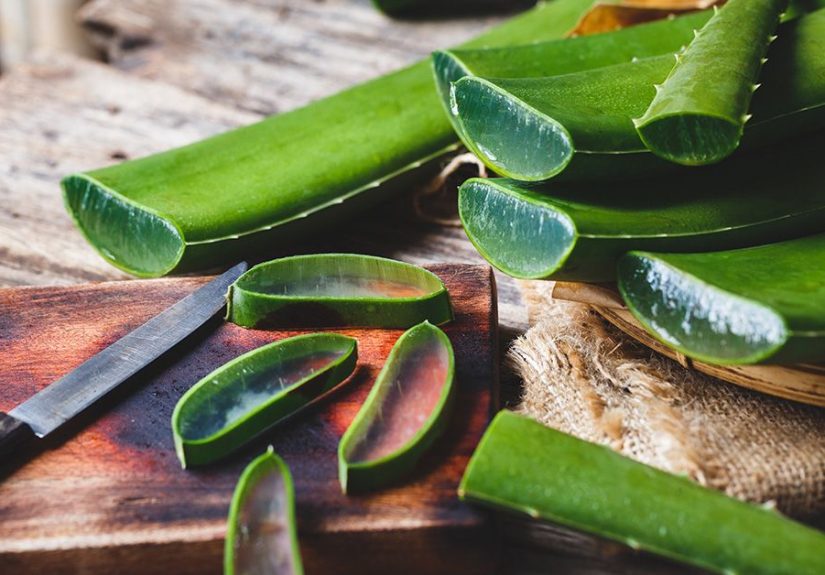
- How to Harvest Aloe Gel from the Plant (Step-by-Step)
- How to Use Aloe Vera Gel on Skin (The Practical, Safe Ways)
- Can You Eat or Drink Aloe? Here’s Where Things Get Serious
- Risks, Side Effects, and Who Should Avoid Aloe
- Don’t Forget Your Pets: Aloe Can Be a Problem in Curious Mouths
- Smart Buying Tips (If You’re Not Using Fresh Gel)
- Quick FAQs
- Real-Life Aloe Vera Experiences (The Helpful, the Hilarious, and the “Oops”)
- Conclusion
- SEO Tags
Aloe vera is the houseplant equivalent of that friend who’s weirdly good at everything: looks great on a windowsill, survives mild neglect, and contains a clear gel people have used for generations to soothe skin. But aloe also has a “plot twist” sideespecially if you start eating parts of the plant like it’s a salad bar.
This guide breaks down how to use an aloe vera plant safely, what benefits are backed by real evidence (and what’s more folklore than fact), the biggest risks to know, and practical, step-by-step ways to harvest and store fresh aloe gel at home.
Meet the Aloe Vera Plant (And Which Part You Actually Use)
The aloe vera plant (often Aloe barbadensis / Aloe vera) stores water in thick, spear-shaped leaves. Inside those leaves are two very different substances:
- Inner leaf gel: The clear, slippery stuff most people want. It’s mostly water plus polysaccharides and other compounds that can feel soothing on skin.
- Latex (yellow sap): A thin yellow layer just under the leaf skin. This contains anthraquinones (including aloin) that can act like a stimulant laxative and may irritate skin or upset your stomach if consumed.
In other words: the clear gel is the “yes,” and the yellow sap is the “proceed with caution” sign wearing a neon vest.
What Aloe Can (and Can’t) Do: A Quick Evidence Snapshot
Aloe is best known as a topical (skin) soother. Research suggests it may help with minor burns and can reduce discomfort in some cases. There’s also limited evidence it may help certain inflammatory skin conditions (like mild psoriasis) when used consistently. For many other popular claims (like “detoxing,” curing chronic disease, or replacing sunscreen), the science is either mixed or too thin to lean on.
Where aloe is most useful
- Minor burns and superficial skin irritation: Cooling, moisturizing, and possibly supporting healing when used appropriately.
- Sunburn comfort: Often soothing as part of a broader sunburn care routine (cool showers, moisturizers, hydration).
- Dry skin support: Works like a lightweight hydrator for some people.
- Psoriasis symptom relief (mild cases): Some aloe-containing creams may reduce scaling/itching with regular use.
Where aloe is oversold
- “Miracle” healing for serious burns or deep wounds: Severe burns need medical care; deep wounds may not benefit from aloe and could be harmed if the area is contaminated or improperly treated.
- Weight loss, detox, or “daily cleanse” drinks: These trends often rely on laxative effects and marketing, not reliable long-term evidence.
- Replacing sunscreen: Aloe can’t block UV rays. It’s after-sun comfort, not sun protection.
How to Harvest Aloe Gel from the Plant (Step-by-Step)
If you’ve ever tried to harvest aloe and ended up with a sticky countertop, a slippery cutting board, and one leaf that looks like it survived a bar fight congratulations, you’re doing it traditionally.
What you’ll need
- A mature aloe plant (outer leaves are best)
- Clean sharp knife or kitchen shears
- Cutting board
- Spoon
- Container with lid
- Optional: blender, ice cube tray, gloves (if you’re sensitive)
Step 1: Choose the right leaf
Pick a thick, healthy outer leaf near the base. Older leaves tend to contain more gel. Avoid small new leaves from the center; they’re the plant’s future and also usually stingier with gel.
Step 2: Cut cleanly
Cut the leaf close to the base. Let the plant call it “a strategic pruning decision.”
Step 3: Drain the yellow latex (important)
Stand the leaf upright in a glass or bowl for 10–20 minutes so the yellow sap can drain out. This step helps reduce exposure to aloin-containing latex, which may irritate skin and is not something you want to casually ingest.
Step 4: Rinse and fillet
Rinse the leaf. Then slice off the spiky edges. Lay it flat and carefully slice off the top skin (like filleting a fish, but less dramatic). You’ll see the clear gel.
Step 5: Scoop the gel
Use a spoon to lift out the clear gel. Try to avoid scraping up any yellow residue near the skin.
Step 6: Store safely
- Refrigerator: Store fresh gel in a clean, sealed container for about 5–7 days.
- Freezer: Freeze in ice cube trays for easy single-use portions (great for after-sun care).
Pro tip: If you blend the gel for a smoother texture, use clean tools and store promptly. Fresh aloe can spoilthis is skincare, not a science experiment you want to “observe” for two weeks.
How to Use Aloe Vera Gel on Skin (The Practical, Safe Ways)
1) For minor burns (including small kitchen oopsies)
Aloe may help soothe pain and support healing in minor burns. The key word is “minor.”
- Cool the burn under cool (not icy) running water for several minutes.
- Gently pat dry.
- Apply a thin layer of clean aloe gel.
- Reapply 2–3 times daily if it feels helpful.
Skip aloe and seek medical care if the burn is large, blistering extensively, very painful, on the face/hands/genitals, looks white/charred, or shows signs of infection (increasing redness, warmth, pus, fever).
2) For sunburn comfort
Aloe is widely used for sunburn because it feels cooling and moisturizing. Dermatologists often recommend moisturizers that contain aloe (or soy) to soothe sunburned skin. The trick is using aloe as part of a bigger plan:
- Cool showers or cool compresses
- Moisturize while skin is slightly damp
- Drink extra water (sunburn can pull fluid toward the skin)
- Don’t pop blisters; protect them and keep them clean
If your skin is blistered (a sign of a more severe sunburn), stick to gentle care and consider medical adviceyour skin needs protection, not a spicy DIY project.
3) For dry, irritated skin
Aloe gel can act like a light hydrator. Apply a small amount to clean skin, let it dry, then follow with a fragrance-free moisturizer if you’re prone to dryness. Aloe alone can feel “tight” on some people once it dries, so layering can help.
4) For acne-prone skin (with realistic expectations)
Some small studies suggest aloe gel may help acne when paired with other treatments. Think of aloe as a gentle supporting actor, not the main character who solves the plot in 10 minutes.
Try it as a calming layer after cleansing, especially if your acne routine is drying. Avoid mixing aloe with too many strong actives at once (like multiple acids plus retinoids) if your skin is easily irritated.
5) For psoriasis or itchy scaling (mild cases)
Aloe-containing creams may reduce scaling, itching, and inflammation for some people with mild to moderate psoriasisusually with consistent use for weeks. If you’re managing psoriasis, aloe can be a helpful add-on, but it shouldn’t replace your clinician’s treatment plan if symptoms are significant.
Can You Eat or Drink Aloe? Here’s Where Things Get Serious
Oral aloe is where benefits and risks start arguing loudly in the comments section.
Aloe gel vs. aloe latex vs. “whole leaf”
- Oral aloe gel (inner leaf) is often marketed for digestion and general wellness. Short-term use appears to be tolerated in some research, but benefits are not guaranteed.
- Aloe latex (yellow sap) can act as a stimulant laxative and is associated with cramps, diarrhea, and electrolyte problems (like low potassium).
- Whole-leaf products may include latex compounds unless processed to remove them (“decolorized” or aloin-reduced).
Constipation: why aloe became famous (and why it fell out of favor)
Aloe latex was used historically for constipation because it can stimulate bowel movements. But safety concerns have been significant enough that aloe (as a stimulant laxative ingredient in OTC drug products) was ruled not generally recognized as safe and effective for OTC laxative use in the U.S. That’s a big dealand a strong hint that “natural” doesn’t automatically mean “gentle.”
Blood sugar, heartburn, and digestion claims
Some studies suggest oral aloe gel could modestly affect blood sugar markers in people with diabetes or prediabetes, but findings are mixed and products vary a lot. For reflux/GERD and general digestion, evidence is still limited. If you’re considering aloe juice routinely, talk with a healthcare professionalespecially if you take diabetes medications, blood thinners, diuretics, or heart medications.
If you choose an aloe drink anyway, choose smarter
- Look for wording like: “inner leaf gel,” “fillet,” “decolorized,” or “purified,” which often indicates reduced latex compounds.
- Avoid “whole leaf” unless it’s clearly processed to remove aloin/anthraquinones.
- Start small and short-term (not an everyday forever habit), and stop if you get cramps or diarrhea.
- Don’t use aloe latex for “cleansing.” Frequent laxative use can backfire and create dehydration and electrolyte imbalance.
Risks, Side Effects, and Who Should Avoid Aloe
Topical risks
- Skin irritation or allergy: Some people experience burning, itching, rash, or eczema-like reactions.
- Contamination risk with DIY gel: If tools or containers aren’t clean, you could trap bacteria in a gooey little skin sandwich.
Safer approach: Patch test first. Apply a small amount to your inner forearm and wait 24 hours. If your skin throws a tantrum, you’ve learned that in the least dramatic way possible.
Oral risks (especially latex)
- GI effects: abdominal pain, cramps, diarrhea
- Electrolyte imbalance: low potassium can be dangerous, especially with certain heart meds
- Kidney concerns: high-dose latex has been linked to serious harm
- Liver injury reports: oral aloe leaf extracts have been associated with cases of acute hepatitis in some reports
People who should be extra cautious (or skip it)
- Pregnant or breastfeeding: avoid oral aloe (and many experts recommend avoiding aloe products broadly during this time).
- Children: oral aloe latex/whole-leaf products are not recommended.
- Diabetes: aloe may affect blood sugar and can interact with diabetes meds.
- Kidney disease or heart rhythm concerns: avoid laxative-type aloe due to electrolyte risks.
- Anyone on blood thinners, diuretics, digoxin, or peri-surgery anesthesia plans: potential interactions and bleeding/electrolyte issues are a concern.
Don’t Forget Your Pets: Aloe Can Be a Problem in Curious Mouths
Aloe may be a “helpful plant” for humans, but many pets don’t read the label. Aloe is considered toxic to cats and dogs when they chew the plant, with symptoms like vomiting, lethargy, and diarrhea reported. If you keep aloe at home, place it where pets can’t nibble it like a crunchy green snack.
Smart Buying Tips (If You’re Not Using Fresh Gel)
Store-bought aloe gels and lotions are convenient, but quality varies. Some products contain alcohol, fragrance, dyes, or preservatives that can sting irritated skin. If you’re using aloe for burns or sunburn, choose a gentle product:
- Look for: “fragrance-free,” “alcohol-free,” short ingredient lists
- Prefer: products that specify aloe as a main ingredient (not the 27th ingredient after glitter, perfume, and vibes)
- Skip: heavily scented “after-sun” gels if your skin is sensitive
Quick FAQs
Can I put aloe gel on an open wound?
For small superficial scrapes, some people use aloe, but it’s safer to stick with proven wound care: clean gently, keep moist with an appropriate ointment, and cover if needed. For deeper wounds, surgical wounds, or anything showing infection, avoid DIY fixes and get medical guidance.
How often can I apply aloe to my skin?
Many people use it 1–3 times daily on minor irritation. If your skin gets dry, tight, red, or itchy, reduce frequency or stop.
Is fresh aloe better than bottled?
Fresh gel can feel great and avoids certain additives, but it spoils quickly and can be messy. Bottled gels are convenient if you choose gentle, well-formulated products.
Real-Life Aloe Vera Experiences (The Helpful, the Hilarious, and the “Oops”)
People’s experiences with aloe vera tend to fall into a few familiar categorieslike a sitcom cast where everyone has a predictable role. Here are common real-world patterns you’ll hear (and maybe recognize) when someone starts using an aloe vera plant at home.
The “I refrigerated it and now I’m emotionally attached” experience: One of the most loved tricks is chilling aloe gel (fresh or in cubes). The first time you press cold aloe onto warm, sun-tired skin, it feels like your epidermis just took a deep breath. Many people describe it as instant comfort: not “instant cure,” but a cooling relief that makes it easier to stop focusing on the sting. The next day, they often keep a dedicated “skin-care ice cube tray” in the freezerbecause once you’ve had aloe cubes, regular ice cubes feel like the plain toast of the freezer world.
The “why is my countertop a slip-and-slide?” experience: Harvesting aloe is both satisfying and chaotic. The gel is slippery, and it gets everywhere if you rush. People often learn quickly to use a stable cutting board, a sharp knife, and a towel under the board so it doesn’t skate across the counter. Another common lesson: the gel looks clean, but your tools and containers matter. Folks who store fresh gel in a jar without cleaning it well sometimes notice it smells “off” sooner than expected. That’s usually the moment aloe gets upgraded from “cute plant hobby” to “okay, I will sanitize like a responsible adult.”
The “yellow sap surprise” experience: The first time someone cuts a leaf and sees the yellow latex drip out, it’s a shocklike the plant is bleeding highlighter ink. Some people slap fresh-cut aloe directly onto skin and then wonder why they feel stinging or itching. Often, it’s not the clear gel itselfit’s that yellow latex residue. After that, many become devoted to the “drain the leaf upright” step. It feels fussy until you’ve been personally offended by a tingling forearm.
The “it’s not a shampoo, but it thinks it is” experience: Aloe shows up in a lot of hair and scalp routines. People with dry scalps often like the cooling feel, while others find it makes hair feel stiff once it dries. A common workaround is using aloe as a short mask (10–20 minutes) and then rinsing well, followed by conditioner. The experience tends to be very personal: some swear their scalp feels calmer; others decide aloe belongs on skin, not hair, and move on without regret.
The “I tried drinking it and my stomach filed a complaint” experience: When aloe enters beverage territory, stories get more cautious. Some people report feeling fine with small amounts of commercial aloe drinks, while others describe cramping or urgent bathroom visitsespecially with products that may contain more latex compounds. The most consistent “lesson learned” people share is: if you’re experimenting with aloe drinks, go slow, choose purified products designed for consumption, and don’t treat laxative effects like a wellness goal. If your digestive system is sending angry emails, it’s okay to unsubscribe.
The “my cat took one bite and chose chaos” experience: Pet owners often learn quickly that aloe isn’t a universal good-guy plant. Even if you’re careful, a curious cat or dog can chew the leaf like it’s a new toy. People who’ve been through this tend to become aloe placement strategists overnightmoving the plant to a high shelf or a closed room. The takeaway is simple: aloe can be great for humans, but your pets deserve a home that doesn’t double as a temptation buffet.
Overall, the most common “best experience” with aloe comes from using it topically, thoughtfully, and as part of basic skin carecool the burn, moisturize gently, patch test first, and keep expectations realistic. Aloe is not magic, but it can be a genuinely helpful plant when you treat it like a tool, not a cure-all.
Conclusion
Aloe vera is a classic for a reason: the clear inner gel can be soothing for minor burns, sunburn discomfort, and dry or irritated skinespecially when used correctly and consistently. The biggest safety line to remember is that topical aloe gel is generally the safer lane, while oral aloe particularly latex or whole-leaf productscomes with real risks, including diarrhea, electrolyte imbalance, and medication interactions.
If you want to use your aloe plant like a pro, harvest carefully, drain the yellow latex, patch test before full-face application, store gel safely, and treat serious burns or persistent skin problems like the medical issues they can be. Aloe is a helpful houseplantnot a substitute for a healthcare plan.