Table of Contents >> Show >> Hide
- Can You Really Remove Nail Polish Without Remover?
- What You Will Need Before You Start
- 1. Rubbing Alcohol
- 2. Hand Sanitizer
- 3. Perfume or Body Spray
- 4. Hairspray
- 5. Vinegar and Lemon Juice
- 6. Toothpaste and Baking Soda
- 7. Apply a Fresh Top Coat, Then Wipe It Off
- 8. Warm Soapy Water and Friction
- What Not to Do
- Which Method Works Best?
- How to Care for Your Nails Afterward
- Real-World Experiences: What Removing Nail Polish Without Remover Actually Feels Like
- Final Thoughts
Ran out of nail polish remover right when your manicure started looking like a tiny abstract art exhibit? Annoying. But not hopeless. If you are staring at chipped polish and an empty remover bottle, you still have a few practical ways to get the job done with common household products.
The good news: yes, you can remove regular nail polish without using remover. The less exciting news: some methods work better than others, and none of them are quite as fast as the real thing. Still, if you are in a pinch, these options can help you take off old polish without turning your nails into a sad little construction zone.
This guide breaks down how to remove nail polish without using remover, which methods are actually worth trying, which ones are more hype than hero, and how to protect your nails afterward. We will also cover a few mistakes to avoid, because “just scrape it off” is not a nail-care strategy. That is a cry for help.
Can You Really Remove Nail Polish Without Remover?
Yes, but with a big asterisk. These DIY methods work best on regular nail polish. If you are dealing with gel polish, dip powder, acrylic overlays, or glitter-heavy formulas, you are in for a tougher fight. Those products are designed to last, which is great when you want a manicure to survive dishwashing, texting, and life in general. It is less great when you want them gone immediately.
In general, alternatives work because they do one of three things:
- Dissolve the polish with alcohol or solvent-like ingredients.
- Soften the polish so it can be wiped away more easily.
- Loosen the surface with mild abrasion.
If your manicure is regular polish, you have options. If it is gel or dip, do not aggressively peel, pick, or sand it off unless you enjoy the idea of weakening your natural nails.
What You Will Need Before You Start
Before testing any nail polish remover alternatives, gather a few basics:
- Cotton balls, cotton rounds, paper towels, or a soft cloth
- A small bowl for soaking if needed
- Warm water
- A buffer or washcloth for gentle rubbing
- Hand cream, cuticle oil, or moisturizer for aftercare
Pro tip: patience helps. None of these options are “swipe once and magically done” methods. Think of them as the backup dancers, not the headliner.
1. Rubbing Alcohol
Why it works
Rubbing alcohol is one of the best substitutes because alcohol can help break down regular nail polish. It is not as quick as acetone, but it is usually the most effective emergency option you already have at home.
How to use it
- Soak a cotton ball or pad with rubbing alcohol.
- Press it onto the nail for 10 to 20 seconds.
- Rub firmly from cuticle to tip.
- Repeat as needed until the polish lifts off.
Best for
Regular polish, especially if it is already chipped or a few days old.
Downside
It can be drying. If your cuticles are already flaky, this method may leave your nails feeling a little desert-adjacent.
2. Hand Sanitizer
Why it works
Most alcohol-based hand sanitizers contain enough alcohol to soften nail polish. It is basically rubbing alcohol with a better public-relations team.
How to use it
- Apply a generous amount of hand sanitizer to a cotton ball or directly onto the nails.
- Let it sit for 30 seconds to 1 minute.
- Rub the nail surface until the polish starts to smear and lift.
- Repeat with fresh sanitizer if needed.
Best for
Light or medium shades of regular nail polish.
Downside
It can take several rounds, especially for darker shades or multiple coats. Gel-like longwear polish may laugh in your face.
3. Perfume or Body Spray
Why it works
Perfume and body spray often contain alcohol, which can help loosen polish. This is the beauty equivalent of improvising with whatever is in your bag.
How to use it
- Spray perfume or body spray onto a cotton pad.
- Press it onto the nail for a few seconds.
- Wipe and rub until the polish begins to come off.
- Repeat if necessary.
Best for
Touch-ups or removing leftover bits of polish when you are away from home.
Downside
This is not the most efficient method, and using your expensive perfume as a polish remover is financially dramatic. Fun story, questionable budgeting.
4. Hairspray
Why it works
Some hairsprays contain alcohol, which can help break down polish. The keyword here is some. Modern formulas vary a lot, so this method can be hit or miss.
How to use it
- Spray hairspray onto a cotton ball rather than directly on the nail.
- Press and rub quickly before it dries.
- Repeat until the polish loosens.
Best for
An absolute last-minute situation when you have no better alcohol-based product nearby.
Downside
Sticky residue. Also, some hairsprays no longer contain enough alcohol to be very useful. So yes, it can work. No, it is not the prom queen of this list.
5. Vinegar and Lemon Juice
Why it works
This is one of the most popular DIY ideas because the acidic combination can help soften polish. It is gentler than some alcohol-heavy methods, though usually slower.
How to use it
- Mix equal parts white vinegar and lemon juice in a small bowl.
- Soak your nails in warm water for a few minutes first to soften the polish.
- Then soak your nails in the vinegar-lemon mixture for 5 to 10 minutes.
- Rub the polish off with a cotton pad or soft cloth.
Best for
Anyone looking for a non-acetone, pantry-friendly solution.
Downside
It is slower, and it may sting if you have cuts, torn cuticles, or irritated skin. If your fingertips feel like they lost a battle with winter weather, skip this one.
6. Toothpaste and Baking Soda
Why it works
Toothpaste, especially basic white toothpaste, can act as a mild abrasive. Add a little baking soda, and you get extra scrubbing power. This method does not dissolve polish well, but it may help lift it when the polish is already weakened.
How to use it
- Mix a small amount of toothpaste with baking soda.
- Apply the paste to each nail.
- Use a cotton pad, washcloth, or soft toothbrush to gently rub.
- Wipe clean and repeat if needed.
Best for
Leftover polish stains or thin, fading coats.
Downside
Too much scrubbing can dry out nails and irritate the skin around them. Gentle is the rule here. You are removing polish, not sanding a deck.
7. Apply a Fresh Top Coat, Then Wipe It Off
Why it works
This is one of the smartest tricks on the list. A fresh layer of top coat or clear polish can temporarily re-soften the dried polish underneath. If you wipe fast enough, both layers may come off together.
How to use it
- Paint one nail with a layer of clear top coat or clear nail polish.
- Immediately wipe it off with a cotton pad before it dries.
- Repeat nail by nail.
Best for
Regular nail polish that is not too thick and not loaded with glitter.
Downside
Timing matters. If you wait too long, you are not removing polish. You are just adding more polish to your situation, which is a very specific kind of chaos.
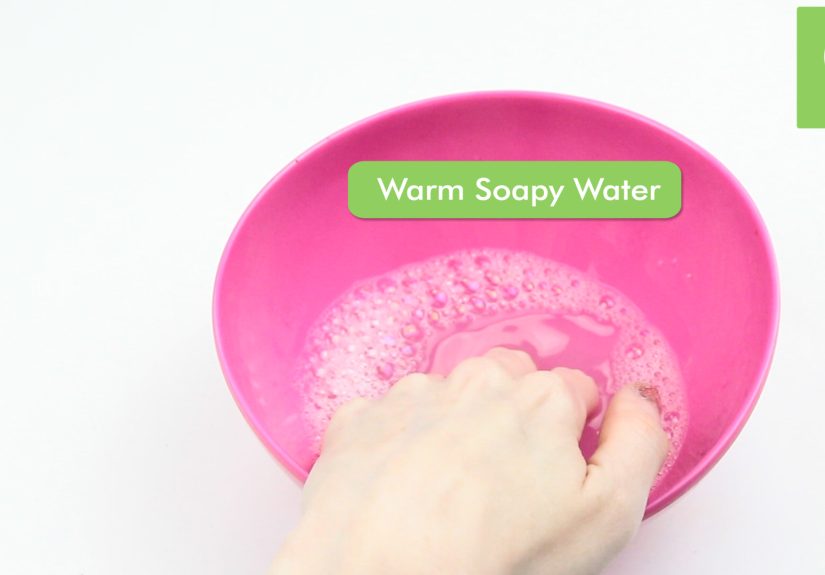
8. Warm Soapy Water and Friction
Why it works
This is the gentlest option and the least effective one. Still, it can help soften already-loose polish, especially if your manicure is old and chipping.
How to use it
- Soak your fingers in warm, soapy water for 10 to 15 minutes.
- Use a soft washcloth to rub each nail.
- Follow up with another method if needed.
Best for
Very worn polish or sensitive skin.
Downside
It is slow. Very slow. This is the slow cooker of nail polish removal.
What Not to Do
When figuring out how to take off nail polish without remover, it is just as important to know what to avoid:
- Do not peel or pick off polish aggressively. That can pull up layers of the natural nail.
- Do not over-file the nail plate. Filing off color may remove the top layer of your nail, too.
- Do not mix random chemicals. More ingredients do not automatically equal better results.
- Do not scrub until your skin turns angry. If it hurts, stop.
- Do not assume these methods work on gel. Regular polish and gel polish are not the same beast.
Which Method Works Best?
If you want the short ranking, here it is:
- Rubbing alcohol – best overall emergency substitute
- Hand sanitizer – easy and convenient
- Fresh top coat trick – surprisingly clever for regular polish
- Perfume or body spray – workable, but wasteful
- Vinegar and lemon juice – gentle but slow
- Hairspray – inconsistent
- Toothpaste and baking soda – useful for leftover bits, not ideal for a full manicure
- Warm soapy water – best as a helper, not the main event
How to Care for Your Nails Afterward
Most DIY nail polish removal methods can leave nails dry, especially those that rely on alcohol or friction. Once the polish is off, do these three things:
- Wash your hands to remove residue.
- Apply cuticle oil or hand cream to restore moisture.
- Give your nails a breather before repainting, especially if they feel dry or look chalky.
If your nails are brittle, peeling, or sensitive, skip a new manicure for a day or two. Bare nails are not boring. Sometimes they are just recovering from your emergency chemistry experiment.
Real-World Experiences: What Removing Nail Polish Without Remover Actually Feels Like
One of the funniest things about removing nail polish without remover is that everyone has a story. It usually begins with confidence, continues with improvisation, and ends with someone saying, “Well, that sort of worked.” For many people, the first attempt happens before an event, a meeting, a date, or a vacation. In other words, exactly when there is no time for trial and error.
A common experience goes like this: someone notices their manicure is chipped right before they need to leave the house. They find hand sanitizer in the bathroom, soak a cotton pad, and start rubbing. At first, nothing happens. Then suddenly the top layer smears. That is the moment hope returns. The process takes longer than expected, but eventually the color fades enough to look intentional, or at least not alarming. The nails are a little dry afterward, but the situation is saved.
Another very relatable scenario involves perfume. Usually, it starts with the thought, “This has alcohol in it, so maybe science is on my side.” The result is mixed. Dark polish may come off in streaks, and the room ends up smelling like a department store fragrance counter exploded. Still, people often remember this trick because it works just well enough to feel oddly impressive. Is it efficient? No. Is it memorable? Absolutely.
The vinegar-and-lemon crowd tends to be the patient crowd. These are the people who are willing to sit, soak, and trust the process. Their experience is usually slower but gentler. The polish softens little by little, especially if the manicure is already old. The biggest complaint is not failure. It is boredom. This method often works better when paired with warm water first and a soft cloth after, which turns the whole thing into a mini at-home nail-care ritual instead of a quick fix.
Toothpaste stories are a category all their own. People try it because it sounds harmless and because toothpaste is always around. The experience is usually part cleaning, part scrubbing, part wondering why their bathroom smells minty while their nails still look pink. This method tends to help more with leftover traces than with a full, fresh manicure. Still, many people like it because it feels accessible and low-risk, especially when they only need to clean up a little remaining color.
Then there is the fresh top coat trick, which often surprises first-timers the most. People expect it to fail, because painting more polish on top of old polish sounds like exactly the wrong move. But when they wipe quickly and see both layers lift away together, it feels like discovering a cheat code. It is one of those beauty hacks that sounds fake until it works on your own nails.
Across all these experiences, one lesson shows up again and again: the goal is not perfection. The goal is getting your nails clean enough without damaging them. People who go in with realistic expectations usually end up happiest. They understand that alternatives to remover are backup plans, not miracle products. And honestly, that is the secret. A calm, patient approach works better than panic-rubbing your nails like you are trying to start a campfire.
Final Thoughts
If you are wondering how to remove nail polish without using remover, the best emergency options are usually rubbing alcohol, hand sanitizer, or the fresh top coat trick. Perfume, hairspray, vinegar and lemon juice, and toothpaste can also help, but they tend to be slower or less reliable. The smartest move is to choose a method based on what kind of polish you have, how sensitive your skin is, and how much patience you can spare.
For regular nail polish, these alternatives can absolutely save the day. For gel or other longwear formulas, be careful. Removing product too aggressively can do more harm than the chipped manicure ever did. When in doubt, be gentle, moisturize afterward, and remember: nails grow back, but your cuticles deserve better than chaos.