Table of Contents >> Show >> Hide
- Why These Double Chocolate Coconut Cookies Work
- Ingredients
- Equipment You’ll Need
- How to Make Double Chocolate Coconut Cookies: 11 Steps
- Step 1: Preheat the oven and prep the pans
- Step 2: Toast some of the coconut if you want deeper flavor
- Step 3: Whisk the dry ingredients together
- Step 4: Cream the butter and sugars
- Step 5: Add the eggs and vanilla
- Step 6: Add the dry ingredients carefully
- Step 7: Fold in the chocolate chips and coconut
- Step 8: Chill the dough
- Step 9: Scoop the dough onto the baking sheets
- Step 10: Bake until the edges are set
- Step 11: Cool, finish, and serve
- Tips for the Best Double Chocolate Coconut Cookies
- Common Mistakes to Avoid
- Serving Ideas
- How to Store and Freeze Them
- What the Experience of Making These Cookies Is Really Like
- Conclusion
- SEO Tags
If a regular chocolate cookie is a good idea, a double chocolate coconut cookie is a better one. It has the rich cocoa flavor of a bakery-style chocolate cookie, the gooey joy of chocolate chips, and the chewy, toasty charm of coconut. In other words, it is the kind of cookie that disappears from the cooling rack while everyone pretends they are “just checking for doneness.”
This guide walks you through how to make double chocolate coconut cookies in 11 steps, with clear tips for texture, flavor, and common mistakes. The method is based on real-world baking principles used across trusted American recipe sites: cream the butter and sugars well, balance cocoa with enough fat and sweetness, fold in coconut for chew, and bake just until the edges are set so the centers stay soft. The result is a cookie that tastes like a mash-up of a brownie, a chocolate chip cookie, and a coconut macaroonin the best possible way.
Whether you want a cozy weekend bake, a crowd-pleasing dessert, or a cookie that makes people ask, “Wait, who brought these?”, this recipe has you covered.
Why These Double Chocolate Coconut Cookies Work
Great homemade chocolate coconut cookies are all about contrast. Cocoa powder builds a deep chocolate base, while chocolate chips give you those melty pockets that make every bite feel a little dramatic. Coconut adds texture and a subtle nutty sweetness, helping the cookies taste more complex instead of just sugary.
Brown sugar is especially helpful here because it encourages a chewy center. A short chill keeps the dough from spreading too fast in the oven, which means thicker cookies and better texture. Bake them until the tops look almost donebut not fully dryand you get that ideal balance of crisp edges and soft middles.
Ingredients
- 1 cup unsalted butter, softened
- 3/4 cup packed light brown sugar
- 1/2 cup granulated sugar
- 2 large eggs
- 2 teaspoons vanilla extract
- 1 3/4 cups all-purpose flour
- 1/2 cup unsweetened cocoa powder
- 1 teaspoon baking soda
- 1/2 teaspoon fine salt
- 1 cup shredded coconut
- 1 1/2 cups semisweet or bittersweet chocolate chips
- Optional: 1/2 cup toasted coconut for extra flavor
- Optional: flaky sea salt for topping
Ingredient Notes
For the best double chocolate coconut cookies, use unsweetened cocoa powder and good-quality chocolate chips. If you like a sweeter cookie, sweetened shredded coconut works well. If you want the chocolate flavor to lead the parade, use unsweetened coconut or a mix of both. Bittersweet chips make the flavor deeper, while semisweet chips keep the cookies more classic and family-friendly.
Equipment You’ll Need
- Large mixing bowl
- Hand mixer or stand mixer
- Medium bowl for dry ingredients
- Rubber spatula
- Cookie scoop or spoon
- Parchment-lined baking sheet
- Cooling rack
How to Make Double Chocolate Coconut Cookies: 11 Steps
Step 1: Preheat the oven and prep the pans
Set your oven to 350°F. Line two baking sheets with parchment paper. This helps the cookies bake evenly and makes cleanup much easier. Also, nobody has ever described scrubbing stuck chocolate off a pan as a relaxing hobby.
Step 2: Toast some of the coconut if you want deeper flavor
This step is optional, but highly recommended if you love a slightly nuttier cookie. Spread about 1/2 cup coconut on a sheet pan and toast it for 4 to 6 minutes, stirring once, until lightly golden. Let it cool before adding it to the dough. Toasted coconut gives the cookies a more layered flavor and makes the kitchen smell unfairly good.
Step 3: Whisk the dry ingredients together
In a medium bowl, whisk the flour, cocoa powder, baking soda, and salt. This distributes the leavening and cocoa evenly, which helps prevent bitter cocoa clumps and awkward bites that taste like you lost a fight with a spoonful of powder.
Step 4: Cream the butter and sugars
In a large bowl, beat the softened butter, brown sugar, and granulated sugar until the mixture looks lighter and fluffier, about 2 to 3 minutes. This step matters more than many bakers realize. Proper creaming helps create structure, improves texture, and gives the finished cookies a lighter bite instead of a dense, heavy one.
Step 5: Add the eggs and vanilla
Beat in the eggs one at a time, then add the vanilla extract. Mix until smooth and fully combined. Scrape down the sides of the bowl as needed. The dough should look glossy and creamy at this stage, which is always reassuring because cookie dough has a way of looking questionable before it becomes wonderful.
Step 6: Add the dry ingredients carefully
Gradually mix the dry ingredients into the wet ingredients on low speed. Stop mixing as soon as the flour disappears. Overmixing can make cookies tougher, and nobody bakes chocolate coconut cookies hoping for a workout for their jaw.
Step 7: Fold in the chocolate chips and coconut
Use a spatula to fold in the chocolate chips and shredded coconut. If you toasted some coconut earlier, add that here too. This is where the dough starts to look like the cookie version of excellent decision-making. Make sure the mix-ins are evenly distributed so every cookie gets plenty of chocolate and coconut.
Step 8: Chill the dough
Cover the bowl and chill the dough for 30 to 60 minutes. This helps control spread, intensifies flavor, and makes the dough easier to scoop. If you skip chilling, the cookies may still taste good, but they are more likely to spread into thin disks. Tasty? Yes. Majestic? Not exactly.
Step 9: Scoop the dough onto the baking sheets
Scoop heaping tablespoon-sized portions or use a medium cookie scoop. Place them about 2 inches apart on the prepared pans. If you like picture-perfect cookies, press a few extra chocolate chips on top of each mound before baking. That little touch makes them look bakery-ready without requiring a culinary degree or a dramatic music soundtrack.
Step 10: Bake until the edges are set
Bake for 10 to 12 minutes. The edges should look set, and the centers should still seem slightly soft. Do not wait until the tops look completely dry unless you want crisp cookies all the way through. For a chewier cookie, pull them when they still look just a little underdone in the center.
Step 11: Cool, finish, and serve
Let the cookies cool on the baking sheet for 5 minutes, then transfer them to a wire rack. Sprinkle with flaky sea salt if you like a sweet-salty finish. Serve warm for melty chocolate bliss, or let them cool completely for a slightly firmer, chewy texture.
Tips for the Best Double Chocolate Coconut Cookies
Use the right coconut
Sweetened shredded coconut gives a softer, sweeter result, while unsweetened coconut lets the chocolate flavor stand out more. If you are unsure, use half of each for a balanced cookie.
Do not overbake
The biggest difference between a dreamy cookie and a disappointing one is often just two minutes in the oven. Chocolate dough can be tricky because it is harder to judge color changes. Watch for set edges and slightly soft centers.
Make them thicker
If you love thick, chewy cookies, chill the dough longer and bake one sheet at a time. A colder dough spreads more slowly, which means a puffier cookie with a soft center.
Customize the chocolate
You can use mini chocolate chips, chopped dark chocolate, or a mix of semisweet and bittersweet chips. For a richer profile, chopped chocolate creates puddles and streaks that feel extra indulgent.
Common Mistakes to Avoid
- Using melted butter instead of softened butter: This can make the dough too loose and lead to flatter cookies.
- Skipping parchment paper: Cookies are more likely to stick or brown unevenly.
- Adding too much flour: Spoon and level your flour rather than packing it into the measuring cup.
- Ignoring the chill time: If your kitchen is warm, chilling is especially important.
- Baking until they look fully done: Cookies continue to set after they leave the oven.
Serving Ideas
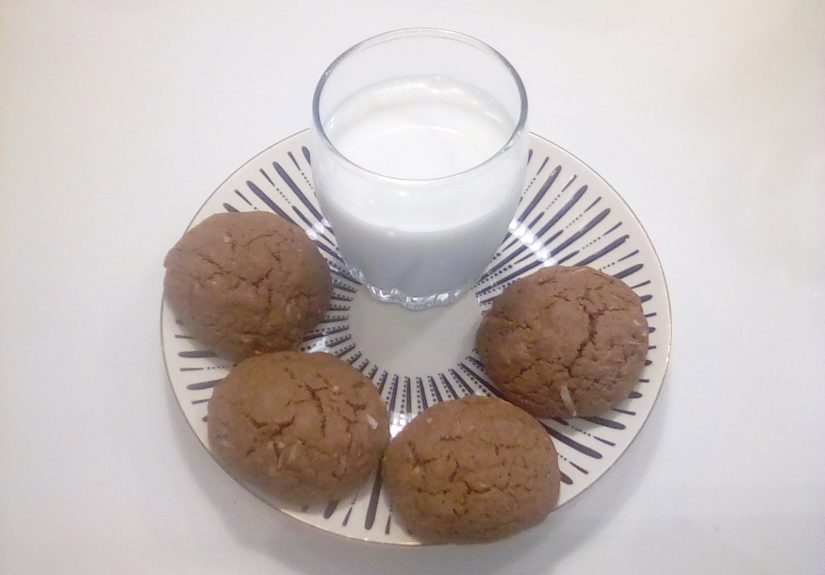
These chewy chocolate coconut cookies are excellent with cold milk, hot coffee, or a scoop of vanilla ice cream. You can sandwich two cookies around coconut ice cream for a fun summer dessert, crumble them over yogurt for a sweet brunch topping, or pack them into lunchboxes if you want to become the household hero by noon.
How to Store and Freeze Them
Store baked cookies in an airtight container at room temperature for up to 4 days. To keep them soft, add a slice of sandwich bread to the container; the cookies will absorb moisture from the bread instead of drying out.
You can also freeze the dough. Scoop it into portions, freeze on a tray until firm, then transfer to a freezer bag. Bake from frozen, adding 1 to 2 extra minutes. Future-you will be very impressed with past-you.
What the Experience of Making These Cookies Is Really Like
Making double chocolate coconut cookies is one of those kitchen projects that feels pleasantly low-stress while still delivering dramatic results. The process starts out like many cookie recipes do: a bowl, a mixer, some butter, and a little optimism. But once the cocoa powder goes in, things get more interesting. The dough suddenly turns dark and glossy, and the whole recipe starts to feel like you are making something a bit more special than an everyday cookie.
One of the nicest parts of this recipe is how forgiving it feels. Even if your scoop sizes are not identical, the cookies still come out attractive in that homemade, slightly rustic way that makes people trust them more. Nobody has ever looked suspiciously at a cookie with extra chocolate peeking out of the top. In fact, that usually makes it the first one taken from the plate.
The coconut changes the entire experience. Before baking, it gives the dough a textured, almost chunky look that hints at the chewiness to come. During baking, the aroma shifts from straightforward chocolate to something warmer and toastier. It smells like a brownie met a macaroon and decided to become much more sociable. If you toast part of the coconut ahead of time, that effect gets even stronger. The kitchen ends up smelling like a bakery that also happens to make excellent vacation decisions.
Texture is where these cookies really earn their reputation. When they are warm, the centers are soft and rich, the chips are melty, and the coconut adds just enough chew to keep each bite interesting. After they cool, they settle into a lovely balance: still tender in the middle, slightly crisp at the edges, and full of little pockets of chocolate. They feel substantial without being heavy, which is a rare cookie achievement.
They are also great for sharing because they appeal to different kinds of dessert people. Chocolate lovers like the cocoa-and-chip combination. Coconut fans appreciate the extra texture and flavor. People who claim they are “not really cookie people” somehow end up taking two, then hovering near the tray with suspicious frequency. It is the sort of recipe that makes you look more accomplished than the actual effort required.
Another real advantage is how flexible the recipe feels in everyday life. You can make the dough ahead, chill it overnight, and bake the cookies the next day. You can freeze scoops for emergenciesemergencies meaning surprise guests, rough Tuesdays, or moments when only warm cookies will do. You can make them smaller for lunchboxes or larger for a coffee-shop-style treat. The dough adapts well, which makes it useful beyond a single occasion.
There is also something deeply satisfying about watching the cookies transform in the oven. At first, the scoops look like little dark dough hills studded with coconut and chocolate. Ten minutes later, they have spread just enough, puffed up slightly, and developed that irresistible “almost done” look that signals success. Pulling them at the right moment feels like a tiny baking triumph.
In the end, the experience of making these cookies is not just about the final dessert. It is about the smell in the kitchen, the confidence that comes from a reliable method, and the small joy of baking something that feels a little indulgent but completely doable. These cookies are rich, chewy, deeply chocolatey, and just unusual enough to stand out. In a world full of ordinary cookies, that is a very nice thing to be.
Conclusion
If you have been searching for an easy but impressive cookie recipe, how to make double chocolate coconut cookies in 11 steps is a very good place to start. The method is simple, the ingredients are familiar, and the result is anything but boring. You get rich cocoa flavor, melty chocolate chips, chewy coconut, and a cookie that feels both classic and a little more exciting than the usual batch.
Make them for holidays, bake sales, late-night cravings, or absolutely no reason at all. Frankly, “because chocolate and coconut belong together” is reason enough.