Table of Contents >> Show >> Hide
- The First Rule of Ink Stain Removal: Do Not Rub
- Before You Treat It, Figure Out What You’re Working With
- A Pro’s Step-by-Step Method for Getting Ink Out of Clothes
- Best Methods by Fabric Type
- What About Hairspray, Vinegar, or Nail Polish Remover?
- Common Mistakes That Make Ink Stains Worse
- When to Call a Professional Cleaner
- Real Laundry Experience: What Actually Works in Everyday Life
- Conclusion
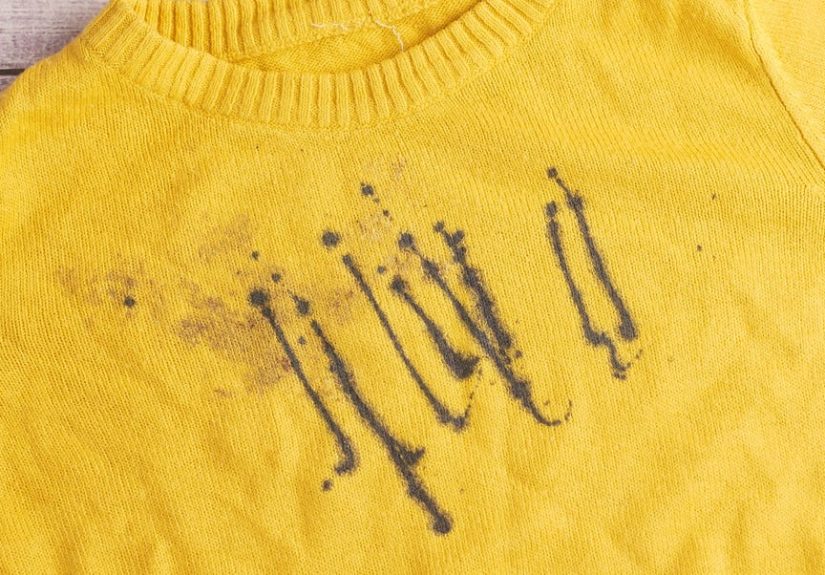
Ink stains have a special talent for appearing at the worst possible moment. Usually, it is right before work, right before dinner, or right after you put on the shirt you were irrationally proud of buying on sale. The good news is that an ink mark does not always mean the garment is doomed. The better news is that most ink stains can be improved significantly, and many can be removed completely, if you move quickly and use the right method for the fabric.
The professional approach is not flashy. It is not a weird internet hack involving toothpaste, glitter, moonlight, or a suspicious amount of baking soda. It is usually a calm, boring, effective routine: identify the fabric, blot the stain, use the right solvent, rinse, pretreat, wash, and do not let heat lock the stain in. Glamorous? No. Effective? Very.
In this guide, you will learn how to get ink stains out of clothes step by step, what works on washable fabrics, when to use rubbing alcohol, what to do with delicate pieces, and which common “laundry hacks” are better left in the group chat.
The First Rule of Ink Stain Removal: Do Not Rub
If you remember only one thing from this article, make it this: blot, do not rub. Rubbing pushes ink deeper into the fibers and spreads the stain into a larger, more dramatic mess. Ink already thinks highly of itself. Do not help it expand.
As soon as you notice the stain, place a clean white paper towel or cloth under the affected area. This gives the ink somewhere to transfer instead of soaking through to the back of the garment. Then gently blot the top of the stain with another clean white cloth or paper towel. Switch to a fresh area of the towel as ink transfers. You are trying to lift the stain, not massage it into a permanent relationship with your shirt.
Before You Treat It, Figure Out What You’re Working With
Not all ink behaves the same way. That is why one pen stain disappears like a guilty conscience while another clings to your sleeve like it pays rent.
Water-Based Ink
This category includes many washable markers and some felt-tip pens. These stains are often easier to remove, especially if they are fresh. A mix of cool water and liquid laundry detergent may be enough to start loosening the pigment.
Oil-Based Ink
Ballpoint pen ink is the classic troublemaker here. It usually responds better to an alcohol-based solvent, such as rubbing alcohol or an alcohol-based hand sanitizer.
Permanent Marker or Set-In Ink
This is where stain removal gets more stubborn. You may still improve the stain with alcohol or a commercial stain remover, but results depend on the fabric, how long the stain has been there, and whether the garment has already gone through the dryer. Heat can set ink in a way that turns “laundry challenge” into “laundry legend.”
A Pro’s Step-by-Step Method for Getting Ink Out of Clothes
Step 1: Check the Care Label
Before you do anything heroic, read the garment’s care label. If it says dry-clean only, or if the fabric is silk, wool, velvet, acetate, leather, or heavily embellished, home treatment can make things worse. In those cases, your smartest move may be to take it to a professional cleaner and point out the stain right away.
Step 2: Test for Colorfastness
Whatever stain remover you choose, test it first on an inside seam or another hidden spot. If color transfers, fades, or changes texture, stop. Saving the stain is not worth sacrificing the whole garment.
Step 3: Blot the Excess Ink
Lay the garment flat on a clean towel or stack of paper towels. Put another white cloth or paper towel on top of the stain and blot gently. Do not scrub. Do not panic. Do not turn the whole shirt into an abstract painting.
Step 4: Apply the Right Stain Fighter
For most ballpoint, gel, or mystery office-pen stains on washable clothes, rubbing alcohol is the go-to option. Dampen a cotton ball, cotton pad, or clean white cloth with rubbing alcohol and dab the stain from the outside toward the center. This helps prevent the mark from spreading. As the ink transfers, replace the cloth or paper towel underneath the stain.
If you do not have rubbing alcohol, an alcohol-based hand sanitizer can work in a pinch. It clings to the stain instead of evaporating immediately, which gives it time to break up the ink. Let it sit briefly, then blot again.
For lighter water-based ink stains, work a small amount of liquid laundry detergent into the spot and let it sit for a few minutes before rinsing. In some cases, that is enough to move the stain from “disaster” to “mildly annoying memory.”
Step 5: Rinse With Cool Water
After blotting out as much pigment as possible, rinse the area with cool or cold water. Hold the stain facing down when possible so the water helps push loosened ink out of the fabric rather than driving it deeper inside.
Step 6: Pretreat Before Washing
Apply a small amount of liquid laundry detergent or a reliable stain remover to the affected area. Gently work it in with your fingers or a soft toothbrush if the fabric can handle it. Let it sit for several minutes, following the product directions.
Step 7: Wash the Garment
Wash the item according to the care label. Do not improvise with hotter water just because you are feeling bold. Laundry rewards patience more than confidence.
Step 8: Air-Dry and Inspect
This step matters more than people realize. Do not toss the garment into the dryer until you are sure the stain is gone. If any shadow remains, repeat the treatment first. Dryer heat can make a lingering ink stain much harder to remove.
Best Methods by Fabric Type
Cotton, Denim, and Polyester
These are usually the most forgiving fabrics. Blot first, treat with rubbing alcohol or hand sanitizer, rinse, pretreat with detergent, and wash as directed. Denim may need a second round because its thicker weave gives ink more places to hide.
White Clothes
White fabrics give you a little more flexibility, but not a free-for-all. Start the same way: blot, treat, rinse, pretreat, and wash. If the garment is bleach-safe and the care label allows it, a suitable bleach product may help with any leftover discoloration after the initial treatment. Follow label directions carefully.
Spandex and Stretch Blends
Proceed carefully and always spot test first. Stretch fabrics can react badly to aggressive solvents. Hand sanitizer is often gentler to apply than pouring liquid solvent directly onto the stain, but you still want to use a light hand.
Silk, Wool, and Dry-Clean-Only Pieces
This is where restraint becomes a life skill. Delicate fabrics can water-spot, lose dye, distort, or weaken with the wrong product. If the item is expensive, sentimental, tailored, or labeled dry-clean only, your safest option is professional cleaning. Tell the cleaner exactly what caused the stain and whether you have already tried anything at home.
Acetate and Triacetate
Use extreme caution. Some solvents can damage these fibers. If you are not sure what the fabric is, check the label before reaching for anything stronger than a mild pretreatment product.
What About Hairspray, Vinegar, or Nail Polish Remover?
Let us talk about the internet’s favorite laundry folklore.
Hairspray
Hairspray used to get more love as an ink remover because older formulas often contained more alcohol. Modern hairsprays are less reliable and can leave sticky residue behind. If it is all you have in a true emergency, it may budge the stain a little, but it is no longer the all-star it used to be.
White Vinegar
Vinegar can be helpful for some general laundry tasks, but it is not the first choice for most fresh ink stains on clothing. Consider it a backup player, not your star quarterback.
Acetone-Based Nail Polish Remover
This can help with some stubborn ink stains, especially on sturdy fabrics, but it is a last-resort option. It can damage certain materials and dyes, so it should be used sparingly, with excellent ventilation, and only after a hidden-spot test. Never soak the entire garment in it. This is stain treatment, not chemical warfare.
Common Mistakes That Make Ink Stains Worse
- Rubbing the stain: This spreads the ink and drives it deeper.
- Using a colored rag: Dye from the rag can transfer to the garment.
- Skipping the spot test: Solvents can strip color or damage fibers.
- Using heat too soon: A dryer can set the stain permanently.
- Trying ten remedies at once: Mixing random products can leave residue, set the stain, or damage the fabric.
When to Call a Professional Cleaner
Home stain removal has limits. A pro is worth it when the item is delicate, expensive, structured, dry-clean only, or heavily stained. The same goes for old set-in marks, large ink spills, and stains on suits, silk blouses, uniforms, wool coats, and anything you would cry over in a parking lot.
If you do take the item in, be honest about what happened and what you already used. Dry cleaners are good, but they are not mind readers. If the stain came from ballpoint ink, marker, or printer ink, say so. That detail can affect the treatment.
Real Laundry Experience: What Actually Works in Everyday Life
In real homes, ink stains usually happen in very ordinary ways. A pen leaks in a pants pocket. A kid “labels” a T-shirt with a marker. A tote bag picks up a mystery streak from the bottom of a purse. A college student discovers that doing laundry without checking pockets is apparently a personality trait. After enough of these episodes, a few practical lessons show up again and again.
First, speed matters, but panic does not help. Fresh ink usually looks dramatic, which makes people attack it aggressively. They scrub. They run for hot water. They spray half the bathroom cabinet onto one innocent sleeve. In practice, the calmer method nearly always works better. Blotting on a towel, using a small amount of alcohol-based treatment, and repeating the process patiently tends to lift more ink than one frantic cleaning sprint.
Second, fabric makes a huge difference. Ink on a thick cotton hoodie is annoying. Ink on a washable polyester uniform is inconvenient. Ink on silk is the point where everyone suddenly becomes very spiritual and starts praying. The biggest mistake people make is assuming one stain method fits every garment. It does not. Sturdy fabrics are more forgiving. Delicates are not. The fancy blouse has boundaries, and you should respect them.
Third, the stain is often not gone when it first looks gone. This is where people lose the battle. The shirt looks better, so into the dryer it goes. Then the faint shadow that remained becomes the permanent ghost of pen mistakes past. Air-drying before the final inspection sounds cautious, but it saves clothes constantly. Experienced laundry people know that patience on the drying step is what separates a rescued garment from a laundry-room tragedy.
Another common experience is discovering that “miracle hacks” are rarely miraculous. Plenty of people swear by hairspray because it worked once in 2009. Others reach for vinegar because it feels wholesome and determined. Sometimes those methods help a little. Often they just delay the method that would have worked better in the first place. The simple alcohol-blot-rinse-pretreat-wash routine keeps winning because it is based on how ink behaves, not because it makes a dramatic social media video.
One more lesson from lived experience: success often comes in stages, not in one perfect pass. The first treatment may remove 60 percent of the stain. The wash removes another 30 percent. A second spot treatment takes care of the rest. That does not mean the process failed. It means stain removal is often incremental. Laundry, like gardening and taxes, rewards people who can tolerate repetition.
So if you are standing in your laundry room staring at an ink stain and questioning every life choice that led to this moment, take heart. Most ink stains are beatable with the right method, a little patience, and a refusal to let the dryer make executive decisions. That is the real pro mindset: less drama, more process, and absolutely no rubbing.
Conclusion
If you want to know how to get ink stains out of clothes without wrecking the garment, the professional formula is refreshingly simple: blot fast, match the treatment to the ink and fabric, use alcohol-based help for many washable stains, rinse in cool water, pretreat with detergent, wash according to the care label, and keep the item out of the dryer until the stain is fully gone. For delicate or high-value pieces, calling a cleaner early is often the smartest move. Ink may be stubborn, but it is not unbeatable.