Table of Contents >> Show >> Hide
- What Is a Preacher Curl?
- Muscles Worked During Preacher Curls
- How to Do Preacher Curls With Proper Form
- Preacher Curl Technique Cues That Actually Help
- Benefits of Preacher Curls
- Common Preacher Curl Mistakes
- Best Sets, Reps, and Where Preacher Curls Fit in a Workout
- Preacher Curl Variations Worth Trying
- Who Should Be Careful With Preacher Curls?
- How Preacher Curls Compare With Other Curl Variations
- Experiences From the Gym Floor: What People Notice After Adding Preacher Curls
- Final Thoughts
If regular biceps curls are the loud, flashy extroverts of arm day, preacher curls are the strict teachers who make sure the work actually gets done. No swinging. No dramatic torso lean. No turning your curl into a full-body interpretive dance. Just your upper arms pinned in place and your biceps being asked to earn their paycheck one rep at a time.
That is exactly why preacher curls have stayed popular for generations. They help reduce momentum, keep the movement more controlled, and make it easier to feel the biceps working through the rep. Whether you use an EZ-bar, dumbbells, or a preacher curl machine, this exercise can be a smart addition to your upper-body routine when your goal is stronger, fuller-looking arms and cleaner curling mechanics.
In this guide, you will learn how to do preacher curls with proper technique, which muscles they target, what benefits they offer, the mistakes that sabotage results, and which variations deserve a spot in your workout. By the end, you should know exactly how to use preacher curls without irritating your elbows, wasting reps, or looking like you picked a fight with gravity and lost.
What Is a Preacher Curl?
A preacher curl is a biceps isolation exercise performed with your upper arms supported on an angled pad, usually on a preacher bench. That support changes the angle of the upper arm and limits body English, which means your biceps, brachialis, and forearm flexors have to do more of the actual lifting.
Compared with a standing curl, the preacher curl usually feels stricter and less forgiving. That is a good thing. Because the upper arm is braced against the pad, it becomes harder to cheat by rocking backward, driving the elbows forward, or turning the rep into a hip-powered event. In plain English: the exercise makes it harder to lie to yourself.
Muscles Worked During Preacher Curls
The preacher curl primarily trains the biceps brachii, the well-known two-headed muscle on the front of the upper arm. It also involves the brachialis, which sits underneath the biceps and contributes significantly to elbow flexion, and the brachioradialis, a major forearm muscle that helps bend the elbow.
This matters because strong, well-developed arms are not built by chasing one sensation or one “magic” angle. The biceps help flex the elbow and assist with forearm supination, while the brachialis helps create thickness in the upper arm and the brachioradialis supports elbow flexion and forearm strength. Preacher curls fit nicely into a balanced arm routine because they challenge those elbow flexors with less momentum and more control.
How to Do Preacher Curls With Proper Form
Step 1: Set Up the Bench Correctly
Adjust the preacher bench so your chest is supported comfortably and your armpits sit close to the top of the pad. Your upper arms should rest fully on the angled surface. If your elbows hang too low or your chest floats away from the bench, the setup is off before the first rep even starts.
Choose your tool: an EZ-bar is the classic option, but dumbbells and preacher curl machines also work well. Most lifters find the EZ-bar more wrist-friendly than a straight bar, especially if their wrists complain louder than their biceps do.
Step 2: Start in a Controlled Bottom Position
Grip the bar or handles with an underhand grip unless you are intentionally using a reverse or hammer variation. Keep your wrists mostly neutral, your shoulders down, and your upper arms glued to the pad. Lower the weight until your elbows are close to extended, but do not collapse into the bottom or force the joint into an uncomfortable stretch.
The goal is controlled range of motion, not theatrical depth. You want tension, not a dramatic story arc for your elbows.
Step 3: Curl Without Letting the Elbows Drift
Drive the weight upward by bending at the elbows. Think about pulling with the biceps rather than yanking with the shoulders. Your upper arms should stay planted on the pad throughout the rep. If the elbows lift, the shoulders roll forward, or your torso starts squirming, the load is probably too heavy.
Step 4: Squeeze at the Top
At the top of the rep, pause briefly and squeeze the biceps. You do not need a dramatic two-minute flex-off. One controlled beat is enough to reinforce position and keep the exercise strict.
Step 5: Lower Slowly
Bring the weight down under control. The lowering phase is where many lifters rush, and that is a missed opportunity. A slow eccentric can help maintain tension, improve technique, and make lighter weights feel far more productive. Translation: your ego may hate it, but your arms will understand.
Preacher Curl Technique Cues That Actually Help
If you want simple coaching cues that improve your preacher curls immediately, use these:
- Keep your armpits locked to the pad.
- Move only at the elbow.
- Do not let the wrists fold backward.
- Lift smoothly and lower slower.
- Stop the set when form changes, not when pride gets involved.
These cues sound basic because they are basic. That is the point. Most preacher curl problems are not advanced. They come from rushing, overloading, and forgetting that an isolation exercise is supposed to isolate.
Benefits of Preacher Curls
1. Better Biceps Isolation
The preacher bench helps reduce extra movement from the torso and shoulders. That support makes it easier to direct the work into the biceps and related elbow flexors instead of spreading the load all over the place.
2. Less Cheating, More Honest Reps
Standing curls can be effective, but they also invite momentum when the weight gets ambitious. Preacher curls make sloppy reps more obvious. That can be humbling, but it is also useful if your goal is better technique and more reliable muscular tension.
3. Great for Mind-Muscle Connection
Because the movement is more controlled, many lifters find it easier to feel the biceps working during preacher curls. That stronger mind-muscle connection is not magic, but it can help some people improve exercise quality and make arm training more intentional.
4. Useful Variety for Arm Growth
Different curl variations challenge the arm at slightly different positions and with different grips. Preacher curls are valuable because the upper-arm angle changes the feel of the exercise and gives your training a different stimulus than standard standing curls or hammer curls.
5. Easy to Scale
You can do preacher curls with a machine, one dumbbell at a time, both dumbbells together, an EZ-bar, a cable setup, or even an adjustable bench if your gym is short on specialized equipment. That flexibility makes them beginner-friendly and advanced-lifter approved.
Common Preacher Curl Mistakes
Using Too Much Weight
This is the king of all preacher curl mistakes. Heavy weight often turns a strict isolation move into a shoulder-drifting, wrist-bending, elbow-annoying mess. If you need body language to finish the set, your biceps are no longer the star of the show.
Lifting the Elbows Off the Pad
Once the elbows pop up, the preacher curl starts losing its purpose. Keep the upper arms planted so the elbows remain the main moving joint.
Dropping Into the Bottom
The lower part of the rep can feel demanding, especially with free weights. Do not crash into full extension. Lower with control and stop where you can still maintain joint comfort and muscular tension.
Curling the Wrists
If your wrists fold or over-flex during the lift, tension shifts and the rep gets messy. Keep the wrists mostly neutral and let the elbow flexors do the work.
Rushing the Eccentric
Fast lowering makes preacher curls less effective. If you want more from the exercise, own the descent. Think of the way down as part of the rep, not the commercial break between curls.
Best Sets, Reps, and Where Preacher Curls Fit in a Workout
For most people, preacher curls work best as a secondary or later exercise in an upper-body or arm workout. A common approach is 2 to 4 sets of 8 to 15 reps, using a weight that allows clean form and a controlled lowering phase.
If you want a practical example, try one of these:
- After back training: 3 sets of 10 to 12 preacher curls
- On arm day: barbell curls first, preacher curls second, hammer curls third
- As a finisher: 2 lighter sets of 12 to 15 with a slow tempo
If you are new to the movement, start lighter than you think you need. Preacher curls have a way of exposing fake strength quickly. That is not an insult. It is just the bench being honest.
Preacher Curl Variations Worth Trying
EZ-Bar Preacher Curl
This is the classic version and a favorite for good reason. The EZ-bar grip is often more comfortable on the wrists than a straight bar, while still allowing you to load the exercise effectively.
Dumbbell Preacher Curl
Dumbbells allow each arm to work independently, which can help address side-to-side differences. Single-arm preacher curls are especially good if one arm tends to dominate or if you want to focus on cleaner movement.
Machine Preacher Curl
Machines can be excellent for stability and consistency. They are often easier to set up for lifters who want less balance demand and more pure effort. Machine preacher curls also make it easier to push close to failure without worrying about bar path.
Reverse-Grip Preacher Curl
Using a pronated grip shifts more attention toward the brachialis and brachioradialis. It is a nice variation if you want more forearm involvement or a different training feel.
Hammer-Style Preacher Curl
A neutral grip variation can be done with dumbbells or a rope on a cable setup. This version often feels friendlier on the wrists and places more emphasis on the brachialis and brachioradialis.
Incline Bench “DIY” Preacher Curl
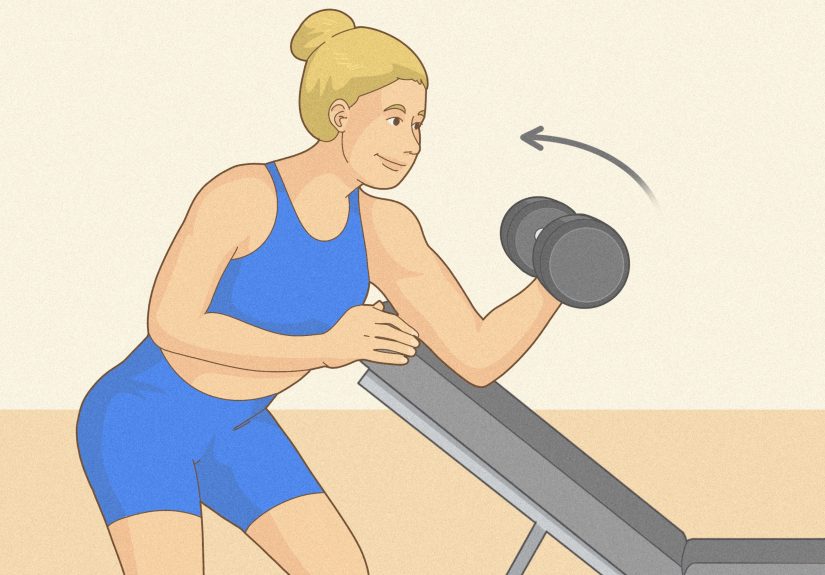
No preacher bench? No problem. Set an adjustable bench to an incline, brace your upper arm over the top, and perform one-arm dumbbell curls. It is not identical, but it can mimic the same strict, supported feel surprisingly well.
Who Should Be Careful With Preacher Curls?
Preacher curls are useful, but they are not mandatory. If you have current elbow pain, front-of-elbow tenderness, biceps tendon irritation, wrist discomfort, or pain during twisting and curling motions, be cautious. Modify the range of motion, try a more comfortable grip, switch to a machine or cable variation, or use a different curl altogether.
Sharp pain is not a badge of honor. It is a message. If preacher curls consistently bother your elbows or shoulders, stop trying to “win” against the bench and choose a movement that feels better. There are plenty of ways to train your arms without acting like discomfort is part of your personality.
How Preacher Curls Compare With Other Curl Variations
Standing curls are great for heavier loading and overall biceps work, but they make it easier to use momentum. Incline curls place the arm in a stretched position and feel very different through the lower half of the rep. Hammer curls bring in more brachialis and forearm emphasis. Preacher curls sit in a sweet spot for strict, supported arm training and are especially useful when you want to clean up form and keep tension focused on the elbow flexors.
The best choice is not about finding one curl to rule them all. It is about pairing variations intelligently. A smart routine might combine a heavier standing curl, a strict preacher curl, and a neutral-grip hammer curl. That gives you variety without turning arm day into a circus.
Experiences From the Gym Floor: What People Notice After Adding Preacher Curls
One of the most common experiences lifters report with preacher curls is that the exercise feels “lighter” than expected at first, but much harder by the middle of the set. That usually happens because the bench strips away momentum. In a standing curl, many people subtly lean back, drift the elbows, or recruit the shoulders. On a preacher bench, those little cheats disappear fast. The result is a much more honest contraction and, very often, a surprisingly intense biceps pump.
Beginners often say the biggest lesson from preacher curls is patience. They learn that muscle-building work does not always look impressive from across the gym. In fact, some of the best preacher curl sets are almost boring to watch. The reps are controlled. The elbows stay planted. The lowering phase is slow. There is no dramatic body swing and no end-of-set performance art. Yet those same quiet sets can leave the arms shaking in a way that ten messy curls never could.
Intermediate lifters often notice something else: preacher curls expose asymmetries. When using a dumbbell one arm at a time, one side may feel steadier, stronger, or better coordinated. That is useful information, not bad news. It gives you a chance to clean up imbalances before they become habits. Many people find that a few weeks of one-arm preacher curls improve the quality of their other biceps movements too, because they finally learn what a controlled curl is supposed to feel like.
Another frequent experience is discovering that less weight produces better results. Lifters who were used to swinging heavy dumbbells often have a humbling moment on the preacher bench. Suddenly the weight they thought was “easy” becomes impossible to control with good form. Oddly enough, that is often when progress starts. Once the ego steps aside, tension improves, technique improves, and the target muscle finally gets the kind of work it was supposed to be getting all along.
Machine preacher curls bring their own kind of feedback. Many people love them because they feel stable and beginner-friendly. Others notice that machines let them focus more on squeezing hard at the top without worrying about balancing a bar. For lifters who train alone, that sense of control can make it easier to push close to failure safely. On the flip side, some people find a machine uncomfortable if the seat or arm pad does not fit their body well, which is a reminder that “best” always depends on the lifter, not just the machine.
People who stick with preacher curls consistently also tend to report better awareness of elbow comfort. Because the movement is strict, poor setup or excessive load shows up quickly. That can be frustrating, but it is also helpful. Instead of grinding through sloppy reps and hoping for the best, they learn to adjust grip width, reduce load, shorten the range slightly, or swap to an EZ-bar or hammer grip when needed. In other words, preacher curls teach more than arm training. They teach respect for setup, control, and joint-friendly execution. That is a pretty good return from one slanted bench and a few carefully chosen reps.
Final Thoughts
Preacher curls are not flashy, but they are effective. They help isolate the biceps, reduce cheating, and make every rep more accountable. Done well, they can improve arm training quality, expose bad habits, and add useful variety to your routine. Done poorly, they can become an elbow-annoying lesson in why too much weight is rarely the answer.
If you want preacher curls to work, keep the setup clean, control the bottom position, lift with the elbows, and lower like the rep still matters. Choose the variation that fits your body and equipment, and treat the exercise like what it is: a precision tool for better biceps training. Your arms may not send a thank-you card, but they will probably show their appreciation in the mirror.