Table of Contents >> Show >> Hide
- Why Ochre’s Aged Terra-Cotta Pots Still Feel Special
- Why Terra-Cotta Works So Well for Plants
- The Design Appeal: Why Aged Clay Pots Work in Almost Any Room
- Best Plant Pairings for Aged Terra-Cotta Pots
- How to Style Ochre-Inspired Aged Terra-Cotta Pots Like a Pro
- How to Care for Terra-Cotta So It Ages Gracefully
- Why These Pots Feel More Like Accessories Than Garden Supplies
- Experiences: Living With Aged Terra-Cotta Pots from Ochre
- Final Thoughts
Some home accessories shout for attention. Others clear their throat politely, stand in the corner, and somehow become the most interesting thing in the room anyway. Aged terra-cotta pots from Ochre belong firmly in that second camp. They are humble, earthy, a little dusty in the most attractive way possible, and blessed with the rare ability to make almost any plant look like it has its life together. Even your slightly dramatic rosemary. Especially your slightly dramatic rosemary.
What makes these pots so appealing is not just that they hold plants. Plenty of containers can do that. It is that aged terra-cotta brings together function, texture, color, and mood in one object. The look is relaxed but refined, rustic but not rough, and classic without feeling museum-stuffy. When Remodelista spotlighted Ochre’s rustic aged terra-cotta pots in June 2010, the charm was immediate: simple forms, old-world character, and a price starting at $36 for the small size at the time. That kind of design appeal does not expire just because the calendar has moved on and the internet has found 4,000 newer ways to distract us.
Why Ochre’s Aged Terra-Cotta Pots Still Feel Special
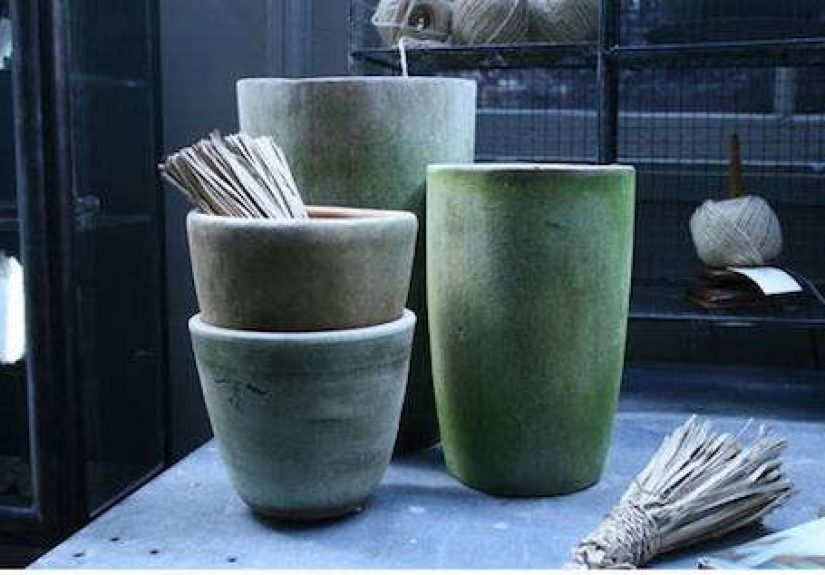
The phrase aged terra-cotta pots sounds simple, but it carries a lot of design weight. “Aged” tells you the finish matters. These are not slick, shiny, straight-from-the-factory planters trying to blind your houseplants with enthusiasm. They are meant to look weathered, softened, lived with, and slightly storied. “Terra-cotta,” of course, brings in the material itself: fired clay with a warm range of earthy color, from ochre and cinnamon to dusty red-orange. And “Ochre” as a design name fits almost too perfectly, because the whole point of these pots is that they live in that sunbaked, mineral-rich spectrum that makes interiors and gardens feel grounded.
That weathered finish is a huge part of the appeal. New pots can sometimes feel a little too clean, like they are still waiting for permission to become interesting. Aged clay pots skip that awkward phase. They arrive with visual depth already built in. Tiny shifts in color, surface irregularities, and a slightly chalky patina make them feel as though they belong in a kitchen with old wood shelves, a courtyard with gravel underfoot, or a windowsill where the afternoon sun is doing most of the decorating.
In practical terms, that finish also helps these pots play nicely with real life. Aged terra-cotta is forgiving. It does not panic over a little dust, a bit of mineral bloom, or the occasional smudge of potting soil. In fact, it often looks better with use. That is a rare quality in home decor, where so many objects look fabulous for six minutes and then begin a slow decline into maintenance.
Why Terra-Cotta Works So Well for Plants
Breathable Clay Is the Real MVP
One reason terra-cotta planters have survived every style shift from farmhouse to minimalism to whatever your algorithm currently thinks you want is that they are genuinely useful. Because terra-cotta is porous, it allows moisture to move through the clay and evaporate more readily than it would in many plastic or glazed containers. That means the pot helps reduce soggy conditions around roots, which is especially helpful for plants that hate wet feet and express that hatred by collapsing dramatically.
This breathable quality is why terra-cotta often gets recommended for cacti, succulents, herbs, orchids, lavender, and snake plants. These plants generally appreciate good airflow, solid drainage, and soil that does not stay soaked forever. Terra-cotta can help create that environment. It is not magic, and it will not rescue a plant from bad soil, bad light, or aggressive overwatering, but it definitely stacks the odds in your favor.
Good Drainage Is Still Non-Negotiable
That said, a breathable pot is not a substitute for a drainage hole. If you are styling aged terra-cotta pots from Ochre or anything inspired by them, choose vessels with drainage whenever possible. Excess water needs somewhere to go. A good potting mix matters too. Use actual potting mix, not dense garden soil from the yard, which compacts more easily and makes roots miserable in containers. Think of the pot as a great apartment and the potting mix as plumbing. Both matter. Nobody wants beautiful chaos under the sink.
Size matters as well. A pot that is too small dries out quickly and can leave roots cramped. A pot that is too large can stay wet longer than the plant wants. The sweet spot is a container that gives roots room to grow without turning the soil into a giant swampy unknown. In other words, do not size up purely because the pot is cute. Style is important, but so is not creating a tiny indoor bayou.
Weight Has Benefits
Terra-cotta is heavier than plastic, and that is often a good thing. The weight gives taller plants more stability and helps keep a container from tipping over the second your fern develops opinions. In a breezy porch setup or a room with kids, pets, or the occasional person who gestures wildly while talking, that extra heft is more than a bonus. It is insurance.
The Design Appeal: Why Aged Clay Pots Work in Almost Any Room
One of the smartest things about aged terra-cotta pots is that they work like a neutral. They carry color, yes, but it is the kind of color that behaves itself. Warm clay tones pair beautifully with white walls, dark wood, stone counters, brass accents, black metal shelves, linen curtains, and woven baskets. They also soften cooler interiors that might otherwise feel a bit too crisp. A single aged pot can make a modern room feel warmer. A cluster of them can make a plain corner look curated instead of forgotten.
In the kitchen, they are excellent for herb gardens. Basil, thyme, oregano, chives, and parsley all look perfectly at home in weathered clay, and there is something deeply satisfying about having a pot near the kitchen door for a fast “snip and go” moment. In the living room, aged terra-cotta adds visual texture without fuss. Group pots in different heights, use a plant stand for one, keep another on the floor, and suddenly you have a layered plant corner that looks intentional rather than like you lost a game of botanical Tetris.
On patios, balconies, and front steps, these pots shine even harder. They bridge the gap between architecture and planting. Aged clay feels appropriate next to brick, stucco, concrete, weathered wood, and gravel. It gives outdoor spaces that old-world, Mediterranean-adjacent mood people love without requiring a passport, a villa, or a dramatic olive grove. Just be sensible in freezing climates, because terra-cotta can crack if trapped moisture freezes and expands. Charming, yes. Invincible, no.
Best Plant Pairings for Aged Terra-Cotta Pots
Herbs
Herbs and terra-cotta are a classic pairing for a reason. The porous clay helps moisture move out more quickly, which suits many Mediterranean herbs. Rosemary, thyme, oregano, sage, and lavender look fantastic in aged clay and appreciate that quicker drying cycle. Basil can also work beautifully, though it will need a little more consistent watering than the tougher herb crowd.
Succulents and Cacti
If you want your pot and plant to get along like old friends, pair aged clay pots with succulents and cacti. The airy feel of terra-cotta and the dry-loving nature of these plants are a natural match. Just make sure the mix drains well and the pot does not sit in standing water. Succulents may look unbothered, but they absolutely hold grudges against soggy soil.
Snake Plants
Snake plants are one of the easiest ways to make an aged terra-cotta pot look expensive and effortless at the same time. The upright, architectural leaves contrast beautifully with the soft, worn look of the clay. Since snake plants like good drainage and prefer not to stay too wet, terra-cotta is a smart choice here.
Orchids
Orchids can also benefit from the airflow that porous clay provides, especially when grown in the right orchid mix and pot style. If you want a more decorative outer vessel, place the orchid’s functional pot inside a slightly larger cachepot rather than forcing it into a setup with poor air movement. Orchids are beautiful, but they are not here for your decorative shortcuts.
How to Style Ochre-Inspired Aged Terra-Cotta Pots Like a Pro
Use Groups, Not Loners
A single pot can look elegant, but a small grouping usually has more visual punch. Try arranging three pots of varying sizes together. Odd numbers tend to feel more relaxed and organic, while different heights add rhythm. This works on kitchen counters, bookshelves, steps, consoles, and patios.
Mix Textures
Terra-cotta looks especially good when mixed with natural materials like seagrass, wood, linen, and stone. Put an aged clay pot beside a woven basket or on a rough wood stool and the whole arrangement gains character. Texture is what keeps a neutral palette from looking sleepy.
Let the Pot Be Seen
One styling mistake people make is hiding a beautiful pot behind too much foliage or cramming it into a corner where only the leaves are visible. With Ochre terra-cotta pots, the vessel is part of the design story. Give it room to breathe. Let the rim show. Let the weathered finish catch the light. This is not the time for modesty.
How to Care for Terra-Cotta So It Ages Gracefully
Expect Faster Drying
Because the clay is porous, soil in terra-cotta often dries out faster than soil in plastic or glazed pots. That is great for certain plants, but it also means you should check moisture more often, especially in hot weather or sunny windows. The pot is helping you avoid overwatering, not handling all hydration responsibilities like a tiny clay intern.
Clean Between Plantings
If you reuse pots, clean them between planting cycles. White mineral buildup, algae, and old residue can accumulate over time. Mild dish soap, warm water, and a soft brush are usually enough for routine cleaning. For stubborn deposits, a vinegar-and-water soak can help. If you disinfect with bleach, never mix bleach and vinegar. That is not a cleaning hack. That is a chemistry problem.
Store Carefully in Winter
If you live somewhere that freezes, protect unglazed terra-cotta from winter damage. Empty unused pots, clean them thoroughly, and store them in a shed, garage, or other sheltered space. Smaller pots can be wrapped and nested. If planted pots must stay outdoors, give them as much protection as possible and make sure water is not collecting inside. A crack can turn a beautiful planter into modern art, and not always the good kind.
Why These Pots Feel More Like Accessories Than Garden Supplies
The smartest interior and garden accessories do not scream “decor.” They simply make everything around them look more considered. That is exactly what aged terra-cotta pots do. They add warmth without clutter, history without heaviness, and utility without looking purely practical. They can make a windowsill feel styled, a patio feel settled, or a plain kitchen counter feel like somebody with very good taste definitely lives there.
That is why the appeal of aged clay pots goes beyond gardening trends. These containers are not just about plants. They are about atmosphere. They make homes feel calmer, softer, and more rooted. In a world full of shiny, synthetic, over-designed objects, that earthy honesty is refreshing. Aged terra-cotta does not need to prove anything. It just sits there looking quietly excellent.
Experiences: Living With Aged Terra-Cotta Pots from Ochre
Living with aged terra-cotta pots is one of those small home experiences that sneaks up on you. At first, you think you are just buying a planter. A nice one, sure, but still a planter. Then a week goes by and you realize you have started noticing the way the morning light hits the pot before it hits the leaves. The surface looks different at 8 a.m. than it does at 4 p.m. It might appear dusty rose one moment, sunbaked ochre the next, and softly reddish-brown in the evening. The plant changes, of course, but the pot changes too. That shifting look is part of the pleasure.
There is also the tactile side of the experience. Aged terra-cotta feels pleasantly matte in your hands, not slick, not cold, not precious. You can feel the grain of the clay and the subtle unevenness in the finish. It gives the object a human quality, as though somebody made it instead of a machine merely producing it. When you lift one to water a plant or rotate it toward the sun, it has presence. It feels sturdy and grounded, like it knows exactly what its job is and has no intention of becoming a trend piece with an identity crisis.
In daily life, these pots have a way of improving routines that would otherwise feel ordinary. Watering herbs becomes less of a chore and more of a little ritual. You notice whether the thyme is leaning toward the window. You trim the basil. You wipe a bit of dust from the rim. The pot begins to participate in the rhythm of the house. It sits near the kitchen while you make coffee, on a shelf near the books you actually reread, or by the back door where afternoon light lingers. Over time, it stops feeling like an object you bought and starts feeling like part of the architecture of your day.
They are also surprisingly forgiving companions. If a terra-cotta pot picks up a water mark, a trace of mineral bloom, or a little scuff from being moved, it rarely looks ruined. It usually looks better. That is a lovely contrast to so many home accessories that seem to require emotional support after the first sign of use. Aged clay accepts life. It does not demand perfection. If anything, it rewards a house that is actually lived in.
Another experience people rarely talk about is how these pots affect the mood of a room. A bright plastic planter might hold a plant just fine, but aged terra-cotta changes the atmosphere. It makes a room feel quieter, warmer, and more settled. Put one on a shelf with a trailing plant and suddenly the whole arrangement looks intentional. Put three near a sunny door and the space gains rhythm. Even when nothing is blooming, the area feels alive. The pots do not need flowers to justify their existence. They bring enough character on their own.
Perhaps the best part is that they age alongside the home. Seasons pass. You swap out herbs for bulbs, succulents for geraniums, or a summer porch arrangement for a winter indoor corner. The pots stay relevant. They never seem out of place. In spring they feel fresh, in summer sunbaked, in fall earthy, and in winter quietly sculptural. That kind of year-round usefulness is rare. It is why aged terra-cotta pots from Ochre, or any truly well-made version in that spirit, feel less like simple containers and more like lifelong accessories for the home.
Final Thoughts
If you are drawn to accessories that combine beauty with actual usefulness, aged terra-cotta pots from Ochre deserve the attention. They are plant-friendly, design-friendly, and wonderfully tolerant of real life. They suit herbs, succulents, snake plants, orchids, and countless indoor or outdoor styling ideas. More importantly, they bring a sense of permanence and warmth that trendy containers often miss. A good aged terra-cotta pot does not just decorate a plant. It gives the whole room a little more soul.