Table of Contents >> Show >> Hide
- What Is Bok Choy?
- Why Cutting Bok Choy Stalks Correctly Matters
- Tools You Need Before Cutting Bok Choy
- How to Wash Bok Choy Before Cutting
- Basic Method: How to Cut Bok Choy Stalks Step by Step
- Best Ways to Cut Bok Choy Stalks for Different Dishes
- How to Cut Baby Bok Choy
- How to Cut Mature Bok Choy
- Should You Eat Bok Choy Stalks?
- Common Mistakes When Cutting Bok Choy Stalks
- How to Store Cut Bok Choy
- Quick Cooking Ideas After Cutting Bok Choy Stalks
- Experience Notes: What Actually Helps When Cutting Bok Choy Stalks
- Conclusion
Bok choy is one of those vegetables that looks polite in the produce aisle and then turns into a tiny puzzle once it lands on your cutting board. Do you chop the white stalks? Tear the green leaves? Cut it in half? Cook it whole? Ask three home cooks and you may get four answers, because bok choy is flexible like that. The good news is that learning how to cut bok choy stalks is simple once you understand the vegetable’s two-part personality: crisp, juicy stems on one side and tender, leafy greens on the other.
The stalks are the crunchy backbone of bok choy. They hold water, cook more slowly than the leaves, and bring that satisfying snap people love in stir-fries, soups, noodle bowls, and quick sautés. The leaves, meanwhile, wilt faster than a houseplant you forgot during vacation. That difference is exactly why cutting bok choy properly matters. A good cut helps the stalks cook evenly, keeps the leaves from turning mushy, and makes every bite taste intentional instead of “I panicked and threw greenery into a skillet.”
In this guide, you will learn how to clean, trim, slice, dice, and prep bok choy stalks for different recipes. Whether you are working with baby bok choy or full-size bok choy, the basic rules stay friendly: wash well, trim smartly, separate stalks from leaves when needed, and choose a cut that matches the cooking method.
What Is Bok Choy?
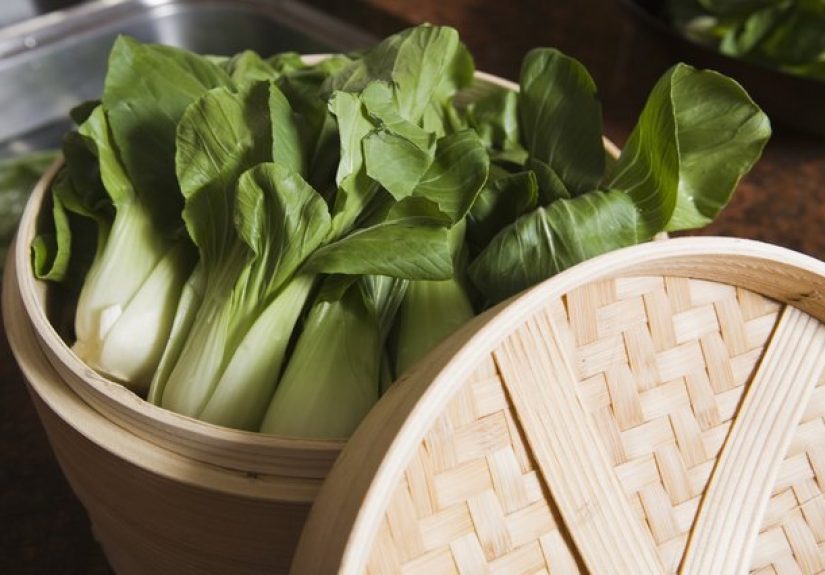
Bok choy, also called pak choi, is a type of Chinese cabbage with spoon-shaped stalks and dark green leaves. Unlike round cabbage, it does not form a tight head. Instead, it grows in loose clusters, which is wonderful for cooking and slightly sneaky for cleaning because grit can hide between the stalks. Bok choy belongs to the cruciferous vegetable family, the same group that includes cabbage, broccoli, kale, and Brussels sprouts.
There are two common types you will see in U.S. grocery stores: baby bok choy and mature bok choy. Baby bok choy is smaller, sweeter, and more tender. It can often be halved lengthwise and cooked as a pretty side dish. Mature bok choy has larger white or pale green stalks and broader leaves, making it better for slicing, chopping, stir-frying, soups, and meal prep.
Why Cutting Bok Choy Stalks Correctly Matters
The main reason to cut bok choy stalks correctly is even cooking. The stalks are thicker and denser than the leaves, so they need more time in the pan. If you toss whole chopped bok choy into a hot skillet all at once, the leaves may become limp before the stalks are tender. That is not a tragedy, but it is also not the proudest moment in vegetable history.
Cutting also affects texture. Thin diagonal slices cook quickly and feel elegant in stir-fries. One-inch pieces are great for soups because they stay juicy without taking over the spoon. Halved baby bok choy looks beautiful on a plate and gives you caramelized edges when seared or grilled. A rough chop works when speed matters and dinner is already giving you side-eye.
Finally, proper cutting helps with cleaning. Since dirt often hides near the base, trimming and separating the stalks makes it easier to rinse away grit. Nobody wants a crunchy bite that came from the soil instead of the vegetable.
Tools You Need Before Cutting Bok Choy
You do not need a fancy kitchen setup to cut bok choy stalks. A stable cutting board, a sharp chef’s knife, a colander, and a clean towel will do the job. A salad spinner is helpful if you plan to stir-fry, because dry bok choy browns and sautés better than wet bok choy. Water left on the stalks can steam the vegetable instead of giving it that lightly seared, restaurant-style finish.
Use a sharp knife because bok choy stalks are crisp and curved. A dull knife can slip, especially near the base. Keep your fingers tucked in a “claw” position while slicing. It may feel dramatic the first time, like you are auditioning for a cooking show, but it protects your fingertips and gives you better control.
How to Wash Bok Choy Before Cutting
Before cutting bok choy stalks, rinse the vegetable under cool running water. If the bok choy is very dirty, separate the stalks first or cut the head in half lengthwise so water can reach the inner layers. Gently rub the stalks with your fingers, paying special attention to the base where dirt likes to hide like it has signed a long-term lease.
Avoid using soap, detergent, or produce wash. Plain running water is the right choice for fresh vegetables. After rinsing, shake off excess water and dry the stalks with a clean towel or salad spinner. Drying is especially important if you plan to roast, grill, or stir-fry.
Basic Method: How to Cut Bok Choy Stalks Step by Step
Step 1: Trim the Root End
Place the bok choy on a cutting board and slice off the very bottom root end. For mature bok choy, this may mean cutting off about half an inch to one inch, depending on how tough or discolored the base looks. For baby bok choy, trim just enough to remove the rough end while keeping the small head intact if you want to halve it.
Step 2: Separate the Stalks
Once the base is removed, the stalks should loosen naturally. Pull them apart with your hands. If the inner leaves are tightly packed, gently open them and rinse again. This step is especially useful for full-size bok choy because the outer stalks can be large and thick while the inner stalks are small and tender.
Step 3: Separate Stalks from Leaves
For many recipes, it helps to cut the green leaves away from the white or pale green stalks. Lay each stalk flat and slice where the leafy part begins. Keep the stalks in one pile and the leaves in another. This allows you to add the stalks to the pan first and the leaves later.
Step 4: Choose Your Cut
Now decide how you want to cut the stalks. Thin slices work well for fast stir-fries. One-inch pieces are ideal for soups and braises. Long strips are excellent for noodle dishes. Halves or quarters are best for baby bok choy, especially if you want a dramatic presentation without doing dramatic work.
Best Ways to Cut Bok Choy Stalks for Different Dishes
For Stir-Fries: Slice on the Diagonal
For stir-frying, cut bok choy stalks diagonally into pieces about one-quarter inch thick. The diagonal cut creates more surface area, which helps the stalks cook quickly and absorb sauce. It also looks nicer, and yes, vegetables are allowed to have a glow-up.
Add the sliced stalks to the hot pan first. Stir-fry them for a minute or two, then add the leaves near the end. This keeps the stalks crisp-tender and the leaves bright green instead of tired and floppy.
For Soups: Cut into Bite-Size Pieces
For soups, slice the bok choy stalks into half-inch to one-inch pieces. This size fits comfortably on a spoon and holds its texture in broth. Add the stalks before the leaves, especially if the soup will simmer for more than a few minutes. The leaves can go in at the end, where they will wilt quickly.
For Roasting: Halve or Quarter Lengthwise
If you are roasting baby bok choy, cut it in half lengthwise through the base. Larger baby bok choy can be quartered. Keeping part of the base attached helps the leaves stay together, which makes the finished dish look neat and gives the cut side a chance to brown in the oven.
For mature bok choy, separate the stalks and cut them into larger pieces. Toss them with oil and seasoning, spread them out on a sheet pan, and avoid crowding. Crowding traps steam, and steam is the enemy of roasted edges.
For Grilling: Keep Pieces Large
Grilled bok choy works best when the stalks stay large enough not to fall through the grates. Cut baby bok choy in half lengthwise. For mature bok choy, use whole separated stalks or thick lengthwise strips. Brush lightly with oil, season, and grill until the stalks are lightly charred and tender-crisp.
For Salads and Slaws: Slice Thinly
Raw bok choy stalks are crunchy, refreshing, and excellent in slaws. Slice them thinly crosswise, almost like celery. The leaves can be shredded and mixed in. Because raw stalks are firm, thinner cuts make them easier to chew and better at soaking up dressing.
For Fried Rice or Noodles: Dice Small
For fried rice, lo mein, pad see ew-style noodles, or quick skillet meals, dice the stalks into small pieces or slice them into thin strips. Smaller pieces cook fast and blend into the dish without stealing the spotlight from the rice, noodles, eggs, tofu, shrimp, chicken, or whatever else is invited to dinner.
How to Cut Baby Bok Choy
Baby bok choy is tender enough to cook with minimal cutting. Trim the root end lightly, then rinse between the stalks. If the heads are tiny, you can leave them whole. If they are medium-sized, cut them in half lengthwise. If they are larger, quarter them lengthwise.
When cutting baby bok choy, try to keep the base intact. This holds the leaves together, which is useful for searing, steaming, roasting, or grilling. The cut side can caramelize beautifully in a hot pan, giving you tender stalks with a lightly browned surface. It is the kind of vegetable move that looks restaurant-level but requires almost no extra effort, which is the best kind of kitchen trick.
How to Cut Mature Bok Choy
Mature bok choy usually needs more prep because the stalks are thicker. Start by trimming off the root end. Pull the stalks apart and wash them well. Next, separate the leaves from the stalks. Stack a few stalks together and slice them crosswise, diagonally, or lengthwise depending on your recipe.
If the stalks are very wide, cut them lengthwise down the center before slicing. This prevents oversized chunks from staying too firm while everything else cooks. Mature bok choy is great for stir-fries because the stalks stay juicy and the leaves bring color and tenderness.
Should You Eat Bok Choy Stalks?
Yes, bok choy stalks are edible and delicious. In fact, many people consider the stalks the best part because they are crisp, mild, and slightly sweet. They taste a little like a cross between cabbage and celery, but gentler. The leaves are also edible, so the whole vegetable can be used except for the tough root end.
The stalks can be eaten raw or cooked. Raw stalks work well in salads and slaws. Cooked stalks are excellent in stir-fries, soups, braises, steamed side dishes, roasted vegetables, and grilled plates. If someone told you to throw away the stalks, forgive them, but do not follow their advice.
Common Mistakes When Cutting Bok Choy Stalks
Mistake 1: Not Washing Between the Stalks
Bok choy grows close to the soil, so grit can settle near the base. A quick rinse over the outside is not always enough. Separate the stalks or halve the head so water can reach the hidden areas.
Mistake 2: Cooking Stalks and Leaves at the Same Time
The stalks need more time than the leaves. When possible, keep them separate and add the leaves later. This small step makes a big difference in texture.
Mistake 3: Cutting Pieces Unevenly
If some stalk pieces are huge and others are tiny, they will not cook at the same rate. Try to keep pieces similar in size. You do not need ruler-level precision; this is dinner, not engineering school. But consistency helps.
Mistake 4: Leaving the Bok Choy Too Wet
Wet bok choy can make stir-fries watery and prevent roasting or searing. After washing, dry it well. This is one of those boring steps that secretly makes the food better.
Mistake 5: Overcooking
Bok choy is best when the stalks are tender-crisp and the leaves are just wilted. Overcooking makes the stalks limp and the leaves dull. Cook it quickly, taste as you go, and remove it from heat while it still has personality.
How to Store Cut Bok Choy
If you cut bok choy ahead of time, dry it thoroughly and store it in an airtight container or resealable bag in the refrigerator. Place a paper towel inside to absorb extra moisture. For best quality, use cut bok choy within a few days. Whole, unwashed bok choy generally keeps longer than pre-cut bok choy, so only prep ahead when it truly helps your schedule.
If the leaves look slightly wilted but not slimy or spoiled, they can often still be cooked. The stalks should smell fresh and feel firm. Discard bok choy if it has a sour smell, slimy texture, or obvious mold.
Quick Cooking Ideas After Cutting Bok Choy Stalks
Once your bok choy is cut, you have plenty of fast options. Stir-fry sliced stalks with garlic, ginger, soy sauce, and sesame oil. Add chopped stalks to chicken noodle soup, miso soup, ramen, or vegetable broth. Roast halved baby bok choy with olive oil and a squeeze of lemon. Grill thick stalks and finish with chili crisp or a simple soy-lime glaze. Toss thin raw slices into a slaw with carrots, scallions, rice vinegar, and toasted sesame seeds.
Bok choy also pairs well with mushrooms, tofu, shrimp, chicken, pork, beef, eggs, noodles, rice, and beans. Its mild flavor makes it a team player, not a diva. It adds freshness without shouting over the rest of the dish.
Experience Notes: What Actually Helps When Cutting Bok Choy Stalks
After cutting bok choy many different ways, one practical lesson stands out: the recipe should decide the cut, not habit. It is tempting to chop every bunch into random pieces and call it a day, but bok choy rewards a little planning. If the dish is fast and hot, like a stir-fry, thin diagonal slices are the easiest path to crisp-tender stalks. If the dish is brothy, chunkier pieces are better because they hold their shape. If the bok choy is the star of the plate, halved baby bok choy looks polished with very little effort.
Another useful experience is to treat the stalks almost like a separate vegetable from the leaves. The stalks behave more like celery or cabbage ribs. They need direct heat, a bit more cooking time, and enough space in the pan. The leaves behave more like spinach or tender greens. They need only a short visit to the heat before they are done. Once you start separating the two, bok choy becomes much easier to control.
Drying matters more than people expect. Freshly washed bok choy can carry a surprising amount of water, especially in the curved bottom of each stalk. If you slice it wet and toss it into oil, the pan may hiss, steam, and sulk. A salad spinner works beautifully, but a clean kitchen towel is enough. Spread the stalks out, pat them dry, and your stir-fry will taste cleaner and less watery.
Size also changes everything. Baby bok choy is forgiving because the stalks are tender and cook quickly. Mature bok choy needs more attention. If a mature stalk is thick and wide, slicing it once lengthwise before cross-cutting makes the pieces more manageable. This is especially helpful for family meals, rice bowls, or noodle dishes where giant stalk chunks can feel awkward.
One small trick is to cut bok choy shortly before cooking whenever possible. Pre-cut bok choy is convenient, but the cut edges can dry out or brown slightly in the fridge. If meal prep is necessary, store the stalks and leaves separately. The stalks are sturdier and can handle a little advance prep; the leaves are more delicate and appreciate being treated gently.
For flavor, remember that cut shape affects sauce coverage. Thin slices soak up garlic sauce, soy sauce, oyster-style sauce, broth, or vinaigrette more readily. Larger halves give you contrast: browned outside, juicy inside. Neither is better all the time. The best cut is the one that gives your dish the texture you want.
Finally, do not be afraid of the stalks. Many beginners focus on the leaves because they look familiar, but the stalks are where bok choy gets its signature crunch. Trim the tough base, clean them well, slice with confidence, and let them shine. Bok choy stalks are not kitchen scraps. They are dinner with better posture.
Conclusion
Learning how to cut bok choy stalks is less about memorizing one perfect technique and more about matching the cut to the meal. Trim the root end, wash between the stalks, dry everything well, and separate stalks from leaves when the recipe benefits from different cooking times. Use diagonal slices for stir-fries, bite-size pieces for soups, thin cuts for salads, and lengthwise halves for baby bok choy that will be roasted, grilled, or seared.
Once you understand how bok choy behaves, it becomes one of the easiest vegetables to cook well. It is quick, versatile, nutritious, and surprisingly elegant for something that asks only for a cutting board and a little common sense. Treat the stalks with respect, and they will reward you with crunch, sweetness, and the satisfying feeling that you have officially leveled up your vegetable game.
Note: For the best result, cut bok choy based on how you plan to cook it: thin for fast heat, chunky for broth, and lengthwise for a beautiful sear.