Table of Contents >> Show >> Hide
- What Are Hives?
- Hives Pictures: What They Usually Look Like
- Common Causes of Hives
- Risk Factors for Hives
- Are Hives Contagious?
- Hives vs. Other Rashes
- When Hives Are an Emergency
- How Hives Are Diagnosed
- Treatment Options for Hives
- Prevention: How to Reduce Hives Flare-Ups
- Living With Hives: Real-Life Experience Notes
- Conclusion
- SEO Tags
Hives are the skin’s dramatic way of saying, “Something is happening, and I would like everyone to know.” Also called urticaria, hives are raised, itchy welts that can appear suddenly, move around the body, change shape, and disappear like tiny escape artists. One minute your arm looks normal; the next, it has a patch of bumps that seem to have booked a group vacation on your skin.
The good news: most hives are temporary, not contagious, and often improve with basic care or antihistamines. The less-good news: hives can be mysterious. They may be triggered by foods, medications, infections, heat, cold, pressure, stress, insect stings, or sometimes absolutely nothing obvious. That last category is medically common and emotionally annoying, which is a charming combination no one requested.
This guide explains what hives look like, common causes, risk factors, prevention tips, when to seek medical help, and how to understand hives pictures without panicking every time your skin has a bad afternoon.
What Are Hives?
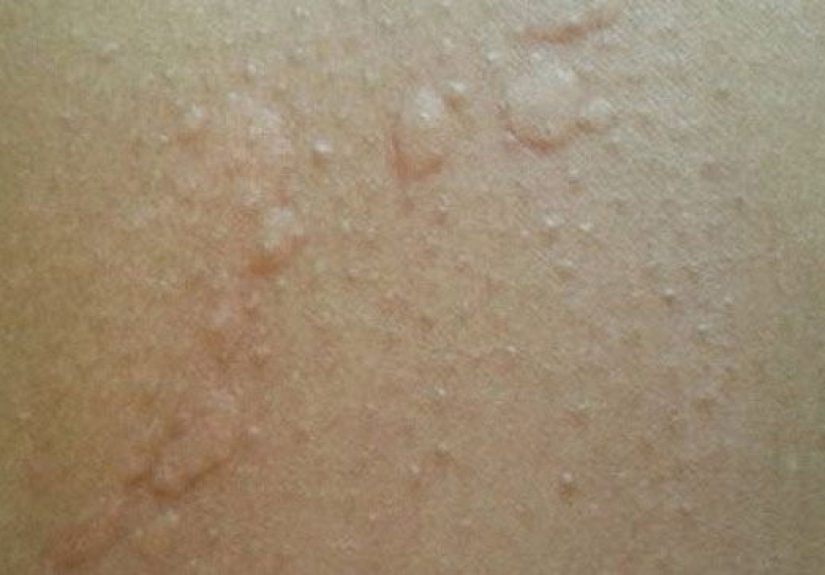
Hives are a skin reaction that causes swollen, raised welts known as wheals. They often itch, burn, or sting. They may be red or pink on lighter skin, while on darker skin they may appear skin-colored, slightly lighter, darker, purplish, or raised more than visibly red. A hive may be small like a pencil eraser or large enough to look like a map drawn by someone who has never seen a map.
A key clue is movement. Individual hives often fade within hours and may reappear somewhere else. The same spot usually does not stay raised for days. If a “hive” remains in one place longer than 24 hours, becomes painful instead of itchy, leaves bruising, or comes with fever or joint pain, it may not be ordinary hives and should be checked by a healthcare professional.
Acute vs. Chronic Hives
Hives are usually divided into two main types:
- Acute hives: Last less than six weeks. These are often related to infections, foods, medications, insect stings, or other short-term triggers.
- Chronic hives: Last six weeks or longer or keep returning over months or years. Many chronic cases are called chronic spontaneous urticaria because no clear trigger is found.
Chronic hives can be frustrating because people naturally want a single villain: “It was the shrimp!” or “It was the laundry detergent!” But chronic hives often behave less like a detective story and more like a smoke alarm with extra enthusiasm. A doctor, allergist, or dermatologist can help rule out related conditions and create a treatment plan.
Hives Pictures: What They Usually Look Like
Since this article is designed for web publishing, the following picture guide can help you choose accurate image examples and write helpful alt text. Always use licensed, medically appropriate images and avoid overly graphic photos unless the article clearly warns readers.


Helpful image tip: if you publish hives pictures, include captions that explain what readers are seeing. A picture alone can scare people. A picture with context says, “Yes, skin can be weird, and here is what matters.”
Common Causes of Hives
Hives happen when immune cells in the skin release chemicals such as histamine. Histamine causes tiny blood vessels to leak fluid into the skin, creating swelling, itching, and those raised welts that make you question every snack you have eaten since Tuesday.
1. Allergic Reactions
Allergies are one of the best-known causes of hives. Common triggers include foods such as peanuts, tree nuts, shellfish, fish, eggs, or milk; insect stings; latex; pet dander; pollen; and certain medications. An allergic hive reaction may appear minutes to hours after exposure.
However, not every case of hives is a true allergy. That is important because people sometimes start deleting half their pantry, blaming the family dog, and side-eyeing every almond in the house. A healthcare professional can help decide whether allergy testing makes sense.
2. Medications
Medicines can trigger hives in some people. Antibiotics, aspirin, nonsteroidal anti-inflammatory drugs such as ibuprofen or naproxen, and some pain medications are common suspects. Anyone who develops hives after starting a new medicine should contact a healthcare professional before taking more of it.
3. Infections
Viral infections are a common cause of acute hives, especially in children. Colds, sore throats, stomach bugs, and other infections can wake up the immune system and make the skin join the conversation. In these cases, hives may appear even when no food or medication trigger is obvious.
4. Physical Triggers
Some hives are caused by physical factors. Heat, sweating, exercise, cold temperatures, sunlight, water, pressure from tight clothing, vibration, or scratching can all trigger hives in certain people. For example, cholinergic urticaria is linked to rising body temperature and sweating. It can happen after exercise, hot showers, spicy foods, or emotional stress.
5. Stress
Stress does not always directly “cause” hives, but it can worsen itching and make flare-ups harder to control. The body and skin are not separate planets. When sleep, stress, hormones, and immune activity get tangled, the skin may file a complaint in the form of welts.
6. Chronic Spontaneous Urticaria
Chronic spontaneous urticaria, often shortened to CSU, means hives keep returning for six weeks or longer without a clear external trigger. Many cases are linked to immune system activity rather than a simple outside allergy. Some people with autoimmune conditions, including thyroid disease, lupus, rheumatoid arthritis, or celiac disease, may have a higher chance of chronic hives.
Risk Factors for Hives
Anyone can get hives, including children and adults. Still, certain factors may raise the risk:
- A personal history of allergies, asthma, eczema, or previous hives
- Recent viral or bacterial infections
- Exposure to known food, medication, insect, latex, or environmental triggers
- Autoimmune conditions or thyroid problems
- Physical triggers such as heat, cold, pressure, sweating, or sunlight
- High stress, poor sleep, or frequent flare-up cycles
Risk factors do not guarantee hives. They simply mean your skin may be more likely to overreact. Think of it like a car alarm: some alarms only go off during an actual break-in, while others scream because a leaf landed nearby.
Are Hives Contagious?
Hives themselves are not contagious. You cannot catch hives by touching someone’s rash, sharing a couch, or standing near a person who is itchy and annoyed. However, if hives are triggered by an infection, the infection itself may be contagious. That means the cold virus might spread, but the hives are your body’s reaction, not a skin condition that jumps from person to person.
Hives vs. Other Rashes
Hives can look like bug bites, eczema, heat rash, contact dermatitis, or viral rashes. Here are a few clues:
- Hives: Raised, itchy welts that often move, merge, and fade within hours.
- Bug bites: Usually stay in the same place longer and may show a central puncture mark.
- Eczema: Often dry, scaly, cracked, or long-lasting rather than suddenly appearing and disappearing.
- Contact dermatitis: Often appears where the skin touched an irritant, such as jewelry, fragrance, poison ivy, or cleaning products.
- Shingles: Usually painful, blistering, and often limited to one side of the body.
When in doubt, do not diagnose yourself from one picture on the internet at 1:00 a.m. The internet is excellent at making a mild rash feel like a full documentary series. A clinician can often identify hives by history and appearance.
When Hives Are an Emergency
Hives can sometimes be part of a severe allergic reaction called anaphylaxis. Get emergency medical help right away if hives occur with trouble breathing, wheezing, throat tightness, swelling of the tongue or throat, dizziness, fainting, confusion, repeated vomiting, severe abdominal pain, or a feeling of impending doom. If a person has been prescribed epinephrine for severe allergies, it should be used as directed during a serious reaction.
Hives with mild itching are usually not an emergency. Hives with airway symptoms are a different story. Skin plus breathing trouble is not a “wait and see” situation.
How Hives Are Diagnosed
Diagnosis usually begins with a medical history and skin exam. A healthcare professional may ask when the hives started, how long each welt lasts, whether swelling occurs, what foods or medications were recently used, whether there was an infection, and whether heat, cold, pressure, exercise, or stress seems involved.
For acute hives, testing is often unnecessary unless the story points to a specific allergy or medical issue. For chronic hives, a clinician may order limited blood tests or other evaluation based on symptoms. Large “just test everything” panels are not always helpful and can lead to confusing results. Targeted testing usually works better than medical fishing with a very expensive net.
Treatment Options for Hives
At-Home Relief
Mild hives may improve with simple steps:
- Apply cool compresses to itchy areas.
- Wear loose, breathable clothing.
- Avoid hot showers, overheating, and heavy sweating during a flare.
- Use gentle, fragrance-free skin products.
- Try not to scratch, because scratching can trigger more itching and more welts.
Scratching hives is deeply tempting. Unfortunately, it is also like arguing with a toddler: briefly satisfying, then somehow worse.
Antihistamines
Non-drowsy antihistamines are often the first treatment for hives. They help block histamine, the chemical responsible for much of the itching and swelling. People should follow the product label or a clinician’s instructions, especially for children, pregnancy, existing health conditions, or use with other medicines.
Prescription Treatments
If hives are severe, persistent, or chronic, a healthcare professional may recommend prescription-strength antihistamines or other treatments. Short courses of oral corticosteroids may sometimes be used for difficult flares, but long-term steroid use is generally avoided because of side effects.
For chronic spontaneous urticaria that does not respond well to antihistamines, targeted treatments may be considered. Depending on the patient’s age, medical history, and diagnosis, options may include injectable biologic medicines such as omalizumab or dupilumab, and newer oral therapies for certain adults. These are specialist-level decisions, not “borrow your cousin’s medicine” decisions.
Prevention: How to Reduce Hives Flare-Ups
Preventing hives starts with learning patterns. Keep a simple symptom diary for two to four weeks. Write down foods, medicines, exercise, infections, stress, weather changes, menstrual cycle timing, skin products, and where hives appeared. You do not need a 40-column spreadsheet with dramatic color coding, although if you enjoy spreadsheets, this is your moment.
Practical Prevention Tips
- Avoid known triggers. If shellfish, latex, a medication, cold exposure, or pressure from tight clothing consistently triggers hives, treat that pattern seriously.
- Review medications. Ask a healthcare professional whether aspirin or NSAIDs could be worsening hives.
- Keep skin cool. Heat and sweating can aggravate hives in some people.
- Choose gentle products. Fragrance-free detergents, soaps, and moisturizers can reduce skin irritation.
- Manage stress realistically. Stress reduction will not magically cure every hive, but sleep, hydration, movement, and calm routines may reduce flare intensity.
- Follow the treatment plan. Chronic hives often need consistent management rather than random rescue attempts.
Living With Hives: Real-Life Experience Notes
Living with hives can feel strangely personal. A rash is visible, itchy, and hard to ignore, so it does not quietly sit in the background like an unread email. It interrupts work, school, sleep, dates, workouts, family photos, and the basic human desire to wear a shirt without negotiating with your skin first.
One common experience is the “trigger hunt.” People start by reviewing the obvious suspects: new foods, new laundry detergent, new medication, new pet, new lotion, new restaurant, new everything. This can be helpful, especially with acute hives. But it can also become exhausting. Someone might blame strawberries on Monday, chicken on Wednesday, and the office chair by Friday. The more random the hives feel, the more tempting it is to create a rule for every detail of life. That is why a symptom diary should be simple and temporary, not a full-time unpaid internship in rash management.
Another experience is nighttime itching. Hives often feel worse when the day gets quiet. There are fewer distractions, the room may be warm, and the mind has plenty of time to ask, “What if this never goes away?” Cool bedding, loose pajamas, a calm evening routine, and using medications as directed can make nights more manageable. It also helps to trim fingernails and avoid aggressive scratching, because scratched skin tends to become angrier. Skin, apparently, does not appreciate being treated like a lottery ticket.
People with chronic hives often describe embarrassment as much as discomfort. A flare on the face, neck, or arms can attract questions. “What happened?” “Is that contagious?” “Did you eat something weird?” These questions may be well-meaning, but answering them repeatedly gets old fast. A simple response can help: “It’s hives. It’s not contagious. I’m managing it.” No one owes a full medical presentation in the cereal aisle.
Exercise can be tricky. Some people flare when they sweat or overheat, which makes them avoid movement entirely. Instead of quitting exercise, it may help to work with a clinician and adjust the environment: cooler rooms, lighter clothing, slower warmups, hydration, and avoiding hot showers right after workouts. For exercise-related hives with breathing symptoms, dizziness, or swelling, medical evaluation is important before continuing intense activity.
Food anxiety is also common. Because hives are popularly linked with food allergies, people may start cutting out long lists of foods. Sometimes this is necessary, especially with confirmed allergies. But unnecessary restriction can create stress, poor nutrition, and fear around eating. If hives keep returning and the trigger is unclear, an allergist can help decide whether testing or a supervised elimination plan is appropriate.
The biggest lesson from people who manage hives well is patience plus structure. They learn their emergency signs. They track patterns without obsessing. They use gentle skin care. They avoid known triggers. They ask for medical help when hives last longer than expected. And they remember that hives are common, treatable, and not a personal failure. Your skin may be overreacting, but that does not mean you are.
Conclusion
Hives are common, itchy, raised welts that can appear suddenly and fade just as quickly. They may be caused by allergies, infections, medications, physical triggers, stress, or chronic immune activity. Most cases are short-lived, but recurring or long-lasting hives deserve medical attention. The most important rule is simple: hives alone are usually manageable; hives with breathing trouble, throat swelling, dizziness, or severe systemic symptoms require emergency help.
With the right information, hives become less mysterious and much less terrifying. They are still annoying, of course. But at least they are annoying with a plan.