Table of Contents >> Show >> Hide
- What Is a Brand Advocate in SaaS?
- Why Brand Advocates Matter More in SaaS Than in Many Other Businesses
- How to Identify Brand Advocates for Your SaaS Company
- How to Leverage Brand Advocates Without Making It Weird
- Best Ways to Use Brand Advocates for SaaS Growth
- Mistakes to Avoid
- How to Measure Whether Your Advocacy Program Is Working
- Experience From the Field: What Brand Advocacy Really Looks Like in Practice
- Conclusion
If you run a SaaS company, you have probably spent a heroic amount of energy chasing leads, optimizing onboarding, tweaking pricing pages, and staring at retention charts like they might reveal the meaning of life. Fair enough. But one of the most underused growth levers is often sitting right in your customer base, quietly paying invoices and telling peers, “Honestly, this tool is pretty great.” That customer is not just happy. That customer is potential marketing fuel with a login.
Brand advocates are the customers who go beyond simple satisfaction. They recommend your product, leave reviews, join case studies, speak in webinars, answer questions in communities, refer peers, and defend your product in meetings where you are not even in the room. In SaaS, that matters a lot. Buyers want proof. Sales cycles involve multiple stakeholders. Trust is expensive. A credible customer voice can do what five banner ads and a 43-slide deck often cannot: make your product feel safe, useful, and worth the switch.
The good news is that brand advocacy is not magic, luck, or some mystical outcome reserved for companies with giant budgets and trendy office snacks. It is usually the result of strong customer outcomes, thoughtful timing, and a system that makes advocacy easy, rewarding, and human. Here is how to identify your best brand advocates and turn that goodwill into a growth engine without sounding like a needy ex texting “u up?” at midnight.
What Is a Brand Advocate in SaaS?
A brand advocate is a customer who voluntarily promotes your SaaS product because they genuinely believe it helps them do their job better. That belief usually shows up in practical ways: they recommend your platform to colleagues, leave positive reviews, agree to be a reference for sales, share their success story, participate in betas, speak at events, or contribute in your user community.
In other words, a brand advocate is not just a customer with warm feelings. It is a customer with enough trust, enthusiasm, and evidence of value that they are willing to put their own reputation next to your brand. In B2B SaaS, that is a big deal. When someone says, “We use this tool, and it actually solved the problem,” other buyers listen.
Why Brand Advocates Matter More in SaaS Than in Many Other Businesses
SaaS is built on recurring revenue. That means growth is not only about winning new accounts. It is also about keeping customers, expanding usage, reducing churn, and shortening the time it takes prospects to trust you. Brand advocates help across all four.
First, they improve acquisition. Referrals and reviews create social proof, which lowers friction for new buyers. Second, they improve conversion. A reference call or case study can calm the nerves of a nervous procurement team faster than another “industry-leading platform” claim. Third, they reinforce retention. Advocacy is often a sign that customers are not just using your product, but integrating it into their workflow and identity. Finally, they support expansion. Advocates are more likely to champion broader adoption internally, which can lead to additional seats, upgraded plans, and cross-functional buy-in.
Put simply, brand advocates make growth cheaper, more believable, and more durable. Paid media can get attention. Advocates get trust.
How to Identify Brand Advocates for Your SaaS Company
The biggest mistake SaaS teams make is assuming their loudest customers are their best advocates. Sometimes they are. Sometimes they are just loud. Real advocacy is easier to spot when you look for a mix of sentiment, behavior, outcomes, and willingness.
1. Start With Product Value, Not Just Customer Happiness
The best advocates are usually customers who have clearly achieved value from your product. They completed onboarding, adopted key features, hit meaningful milestones, and saw a measurable outcome. Maybe they reduced support tickets, shipped campaigns faster, improved reporting, or stopped managing their workflow in seventeen different spreadsheets and a prayer.
Look for accounts that show strong product adoption, high login frequency, multi-feature usage, low support friction, healthy renewal patterns, and signs of expansion. A happy customer who barely uses the product is nice. A customer who gets real business value and keeps leaning in is gold.
2. Use NPS and Customer Feedback to Find Promoters
If your team runs Net Promoter Score surveys, start there. Customers who say they are very likely to recommend your company are natural candidates for advocacy. But do not stop at the number. Read the follow-up comments. A high score with a generic response is decent. A high score paired with “your platform cut our reporting time in half” is a giant blinking sign that says, “Potential case study lives here.”
Also review CSAT, onboarding surveys, renewal calls, support praise, QBR notes, community posts, and unsolicited compliments. Customers often tell you they are advocates long before they formally join an advocacy program. You just have to stop treating those signals like decoration.
3. Watch for Public Proof Signals
Some customers are already advocating without permission slips. They leave positive reviews on software marketplaces, mention your product on LinkedIn, recommend it in Slack groups, reply in your community, or tag your team in posts. These signals matter because they show willingness, not just satisfaction.
A customer who publicly shares their experience is usually more valuable than a customer who says nice things privately but vanishes when you ask for a quote. Both are useful, but one is already halfway up the advocacy ladder.
4. Ask Customer-Facing Teams Who They Trust
Your customer success managers, account managers, solutions consultants, and support leads often know exactly which customers are thriving and which ones enjoy talking about it. Ask them. They will usually point to the accounts that show up prepared, give thoughtful feedback, bring colleagues into the platform, and genuinely want to help shape the product.
This is one reason advocacy programs work best when marketing, success, support, and sales stop acting like distant relatives at a wedding and start sharing notes.
5. Build an Advocacy Score Instead of Relying on Gut Feel
If you want a repeatable system, create a simple advocacy score. It does not need to be complicated. You can assign points based on behaviors like:
| Signal | What It Suggests | Good Next Ask |
|---|---|---|
| High product adoption | Real value and habit formation | Testimonial or case study |
| High NPS or strong survey comments | Willingness to recommend | Review request or referral invite |
| Expansion or renewal success | Internal trust and long-term fit | Reference call or webinar |
| Community participation | Public engagement and expertise | Community spotlight or event speaking |
| Unsolicited praise or social mention | Organic advocacy behavior | Shareable quote or customer story |
The point is not to create a bureaucratic masterpiece. The point is to stop guessing and start noticing patterns.
How to Leverage Brand Advocates Without Making It Weird
Once you identify your likely advocates, the next step is activation. This is where many SaaS teams trip over their own shoes. They find a happy customer and immediately ask for a review, a webinar, a case study, three quotes, two referrals, and maybe a blood oath. Relax. Advocacy is a relationship, not a raid.
1. Create an Advocacy Ladder
Not every customer is ready for a full case study with logos, quotes, and a polished photo where everyone looks suspiciously thrilled about dashboards. Start small. Build a ladder with low-effort and high-effort options.
- Low effort: NPS comments, short testimonials, review requests, survey quotes
- Medium effort: referrals, product feedback sessions, beta participation, customer spotlight interviews
- High effort: case studies, reference calls, webinars, event speaking, advisory boards
This lets customers say yes in a way that fits their time, comfort, and company policies. A review today can become a webinar next quarter. Advocacy often grows with trust.
2. Time the Ask Right After a Win
Timing matters more than most teams admit. The best moment to invite advocacy is right after a customer experiences a clear success. That could be a strong onboarding milestone, a successful launch, a positive QBR, a renewed contract, or an expansion decision.
Why? Because customers advocate when the value feels real and recent. Ask too early and it feels presumptuous. Ask too late and the excitement cools off. Ask right after a win and it feels natural, like celebrating instead of extracting.
3. Match the Ask to the Customer’s Personality
Some advocates love the spotlight. Others would rather eat a stapler than appear on a webinar. Respect that. Your most analytical customer might love an advisory board or product beta. Your most outgoing customer might enjoy a panel discussion. Your busiest customer might be happy to drop a two-sentence quote and call it a day.
The more personalized the invitation, the higher the response rate and the better the relationship stays.
4. Give Advocates Recognition, Access, and Real Benefits
In SaaS, the best rewards are often not giant cash incentives. They are meaningful perks: early access to features, invitations to private roadmap briefings, VIP community status, co-marketing opportunities, executive visibility, branded swag that is actually decent, or the chance to build personal thought leadership.
A customer champion inside a company often cares about their own professional brand. Help them shine. Make them the hero of the story, not a background prop in your marketing campaign. When you position advocacy as a win for their career, not just your pipeline, everyone suddenly becomes much more enthusiastic.
5. Make It Ridiculously Easy to Participate
If the process is clunky, even your happiest advocates will disappear into the fog. Keep requests simple. Give customers draft questions, suggested formats, clear time estimates, and easy approval steps. If you are asking for a review, tell them exactly where to go and how long it will take. If you want a case study, explain the process and do the heavy lifting.
Good advocacy programs remove friction. Bad ones create homework.
6. Turn Advocacy Into a Cross-Functional System
Brand advocacy should not live in a lonely spreadsheet owned by one person in marketing. It works best when sales, customer success, product, support, and marketing all contribute.
Sales can request references for late-stage deals. Customer success can flag expansion-ready champions. Product can invite advocates into betas or advisory groups. Marketing can package stories, reviews, and webinars. Support can surface customers who consistently praise the team. When these functions coordinate, advocacy becomes part of the customer lifecycle instead of a random favor request.
Best Ways to Use Brand Advocates for SaaS Growth
Once your advocacy engine is running, put it to work in places where trust matters most.
Reviews and Social Proof
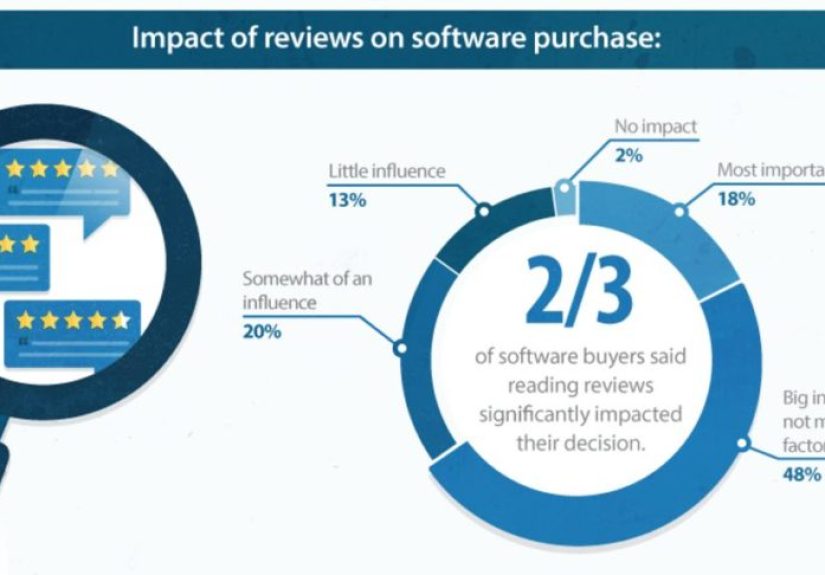
Encourage satisfied customers to leave honest reviews on major software review sites. These reviews influence buyers early in the decision process and reinforce credibility on your website, landing pages, and sales materials.
Case Studies and Customer Stories
Strong customer stories help prospects see themselves in the outcome. The best case studies focus less on your feature list and more on the customer’s challenge, decision process, implementation, and measurable results.
Reference Calls for Sales
Reference calls can be deal-saving assets in complex B2B sales. Build a curated pool of advocates by industry, use case, and company size so sales can match prospects with relevant customer voices.
Referral Programs
Formal referral programs work well when they are simple, easy to track, and aligned with your audience. In SaaS, referrals often work best when they feel like a professional recommendation rather than a gimmicky coupon circus.
Community and Education
Your power users can answer questions, share workflows, speak at user events, join office hours, or contribute templates and best practices. This not only deepens advocacy but also reduces support load and strengthens customer education.
Product Feedback and Advisory Councils
Advocates are often ideal design partners. They care, they use the product deeply, and they usually have opinions. Sometimes many opinions. Managed well, this feedback loop improves the product and increases emotional investment in your brand.
Mistakes to Avoid
The first mistake is asking every happy customer for the same thing. The second is asking too much, too soon. The third is forgetting that advocacy must be earned continuously. A customer who loved you six months ago may now be wrestling with a broken workflow, an unanswered ticket, or a boss who suddenly hates all software expenses.
Also avoid over-incentivizing. If the reward overwhelms the authenticity, the advocacy starts to feel staged. Buyers are smart. They can smell forced enthusiasm from several tabs away.
How to Measure Whether Your Advocacy Program Is Working
If advocacy is strategic, it should be measurable. Track both output metrics and business metrics. Output metrics include the number of reviews, referrals, testimonials, reference calls, case studies, advocate sign-ups, community contributions, and event speakers. Business metrics include influenced pipeline, conversion rates, expansion revenue, retention, renewal strength, and time-to-close for deals supported by customer proof.
Also measure participation quality. One glowing case study from a well-matched customer can beat twenty generic quotes that sound like they were written by a committee trapped in an elevator.
Experience From the Field: What Brand Advocacy Really Looks Like in Practice
In real SaaS companies, brand advocacy rarely begins with a formal program and a shiny launch deck. It usually begins with a customer who got a real result and then said something wonderfully specific, like, “Your platform saved my team six hours a week,” or “This is the first reporting tool our executives actually use.” That kind of sentence is not just nice feedback. It is the beginning of a story.
One common pattern is that the strongest advocates are not always the customers with the fanciest job titles. Often, they are the operators, managers, admins, and team leads who live in the product every day. They are the ones who know where the friction used to be and why the new workflow matters. When these users become advocates, they bring credibility because they sound like practitioners, not press releases.
Another practical lesson is that advocacy grows faster when customers feel seen. A quick thank-you from a customer success manager, a thoughtful note from a product leader, or a public spotlight in a community can go a long way. Most people do not need a parade. They just want to know their effort mattered. Recognition builds emotional momentum. Emotional momentum builds advocacy.
There is also a big difference between customers who like your company and customers who are ready to speak for it. Teams often confuse the two. In practice, the shift happens when customers can clearly explain the before-and-after. Before your tool, they were juggling messy processes, losing visibility, or wasting time. After your tool, they work faster, collaborate better, or report results with less stress. Once a customer can tell that story in plain English, advocacy becomes much easier because they have a narrative, not just a positive vibe.
Experienced SaaS teams also learn that small asks beat dramatic asks. A simple request for feedback, a two-question interview, or a short review invitation can open the door to much bigger opportunities later. Customers who say yes to one lightweight activity are often happy to do more once they trust the process. It is relationship building, not speed dating.
Another real-world truth: the best advocates often enjoy helping peers as much as helping vendors. They want to share what worked, build credibility in their field, and be associated with smart decisions. That is why community spaces, advisory groups, webinars, and customer roundtables work so well. Advocacy becomes more sustainable when it feels like professional contribution instead of promotional labor.
On the flip side, when advocacy programs fail, it is usually because the company treats customers like content machines. The requests pile up. The process is vague. The value for the customer is fuzzy. Suddenly, the relationship feels extractive. Good teams avoid this by pacing requests, matching opportunities to the customer’s comfort level, and always making participation feel optional, respectful, and worthwhile.
The most successful SaaS brands treat advocates less like marketing assets and more like trusted partners. They listen to them, involve them, thank them, and keep earning the right to ask again. That approach may sound less flashy than growth hacks and viral loops, but in practice it works better. Customers can tell when your company values them as people, not just proof points. And when they feel that difference, they do something very powerful: they keep talking about you when you are not in the room.
Conclusion
If you want more brand advocates for your SaaS company, start by creating more customer wins. Then build a system that notices those wins, identifies the customers behind them, and invites those customers into advocacy in ways that are timely, flexible, and easy. The strongest programs do not bribe customers into pretending to care. They help genuinely successful customers share what already feels true.
That is the real opportunity. Somewhere in your customer base are people who already trust your product, already recommend it in quiet moments, and already have the credibility your market wants. Find them. Support them. Celebrate them. Then give them a clear path to amplify their voice. When that happens, your SaaS brand stops relying only on what it says about itself and starts benefiting from what happy customers say for you. And that, frankly, is where the fun begins.