Table of Contents >> Show >> Hide
If you have ever looked at a droopy houseplant and whispered, “I thought about watering you, does that count?” welcome. This is a safe space. Some people keep color-coded plant journals and own moisture meters with the confidence of NASA engineers. Other people vaguely remember that plants need water, sunlight, and probably emotional support. This article is for the second group.
The good news is that being forgetful does not automatically disqualify you from owning indoor plants. In fact, some of the best low maintenance plants seem almost personally offended by too much attention. Many hardy houseplants handle dry soil, average indoor humidity, and less-than-perfect light just fine. A few even prefer a little benign neglect over daily fussing.
The trick is not finding “impossible-to-kill” plants, because let’s be honest, that phrase has tempted many a beginner into spectacular overconfidence. The real trick is choosing plants with forgiving habits: species that store water, adapt to low light, bounce back from missed waterings, and do not throw a full theatrical performance every time your routine slips for a few days.
What Makes a Plant Low Maintenance?
Low maintenance plants usually have one or more of these traits: they tolerate irregular watering, adapt to indoor light, grow slowly enough that they do not demand constant repotting, and stay reasonably happy in the dry air most homes produce. In other words, they are the roommates of the plant world who do their own dishes and never text you “we need to talk” at 2 a.m.
There is one especially important point for forgetful plant owners: under-watering gets all the blame, but overwatering is often the bigger problem. Many houseplants decline when their roots stay soggy for too long. So if you are someone who forgets to water and then panic-waters like you are trying to make up for lost time, your plant may prefer a calmer approach. Think steady, not dramatic. Plants are not impressed by guilt.
Before we get into the list, remember three simple rules. First, use a pot with drainage holes. Second, match the plant to your light. Third, always check the soil before watering. If it still feels damp, your watering can can sit this one out.
11 Low Maintenance Plants for the Forgetful Type
1. Snake Plant
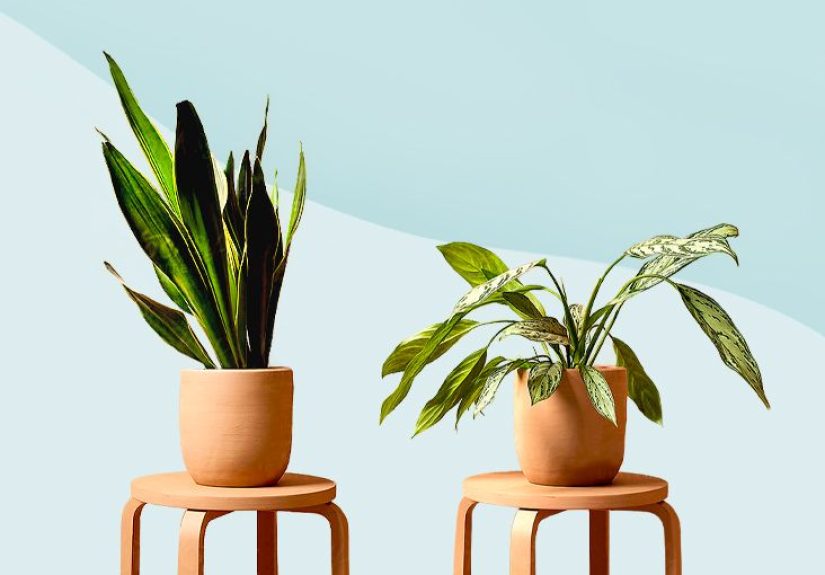
Snake plant is the gold medalist of easy houseplants. Its upright, sword-like leaves look architectural and tidy, and it handles missed waterings with far more grace than most humans handle a missed lunch. If you are the kind of person who remembers your plant only when guests come over, snake plant may still forgive you.
- Best for: low light corners, offices, bedrooms, and busy households
- Water: let the soil dry well between waterings
- Why it works: it tolerates dry indoor air and does not mind a light-touch care routine
Snake plant is especially good for beginners because it stays attractive without demanding much. The main risk is not neglect. It is drowning the poor thing out of guilt.
2. ZZ Plant
ZZ plant has glossy, waxy leaves that look almost suspiciously perfect, as if someone tried to design a fake plant and accidentally made it real. It stores water in thick underground rhizomes, which is why it can take an occasional dry spell without collapsing into a Victorian fainting couch routine.
- Best for: low-light rooms, desks, shelves, and office spaces
- Water: water only after the potting mix dries out
- Why it works: slow-growing, highly drought tolerant, and adaptable
If your home does not get much natural light, this is one of the smartest choices you can make. It will grow faster in bright, indirect light, but it stays remarkably patient in dimmer spots.
3. Pothos
Pothos is what happens when a plant decides to be helpful. It grows in hanging baskets, trails from shelves, climbs supports, and generally makes a room look more stylish with very little effort from you. Its vines also give you visual clues. If the leaves start looking limp, it is usually asking for a drink without being too dramatic about it.
- Best for: shelves, hanging planters, bookcases, and beginners
- Water: let the top layer of soil dry before watering again
- Why it works: forgiving, fast enough to feel rewarding, and easy to prune
Pothos also adapts to a range of light conditions, though it tends to look its best in bright, indirect light. If you want a plant that makes you feel successful quickly, this is a strong candidate.
4. Heartleaf Philodendron
Heartleaf philodendron has a softer, more relaxed look than pothos, with trailing vines and classic heart-shaped leaves. It is a great choice if you want something leafy and lush but not high-strung. This plant is basically the friend who says, “No worries,” and actually means it.
- Best for: low to medium light rooms and hanging planters
- Water: keep the soil lightly moist, but allow it to dry a bit between waterings
- Why it works: tolerant of indoor conditions and easy to shape
It can trail, climb, or sit politely on a shelf. If you miss a watering once in a while, it will usually recover without making you feel like a terrible person.
5. Cast-Iron Plant
Any plant bold enough to call itself cast-iron deserves your respect. This is one of the best picks for shady rooms, low-maintenance households, and people who think “bright indirect light” sounds like a legal term rather than a real thing. Cast-iron plant is famous for tolerating low light and a generally hands-off owner.
- Best for: dim rooms, hallways, and homes with low natural light
- Water: water when the soil begins to dry, and reduce even more in winter
- Why it works: sturdy, slow-growing, and highly tolerant of neglect
It will not explode with fast new growth, but that is part of the appeal. This is a steady, reliable plant, not a needy overachiever.
6. Spider Plant
Spider plants are friendly, adaptable, and generous. They arch nicely over pots, look good in hanging baskets, and eventually produce baby plantlets that dangle like living decorations. They are also forgiving about inconsistent watering, which makes them ideal for anyone whose schedule changes by the week.
- Best for: bright to medium light, hanging baskets, and family spaces
- Water: allow the top inch or two of soil to dry before watering
- Why it works: easy to grow, easy to share, and fast enough to stay interesting
If you want a plant that gives a little something back, spider plant is charming. It is basically the golden retriever of houseplants.
7. Chinese Evergreen
Chinese evergreen is a favorite for people who want foliage with personality. Many varieties have patterned leaves in shades of green, silver, cream, or even blush tones, so you get visual drama without the dramatic care routine. It handles indoor conditions well and is especially useful in rooms where sunlight is more rumor than reality.
- Best for: low to medium light rooms and decorative corners
- Water: keep lightly moist during active growth, then ease up a bit in cooler months
- Why it works: adaptable, attractive, and less fussy than it looks
This is a smart choice if you want color and texture without upgrading your life into a full-time plant concierge service.
8. Aloe Vera
Aloe vera is a practical classic. It likes bright light, stores water in its fleshy leaves, and does not need constant attention. If your windowsill gets good sun and you tend to forget watering, aloe may be your kind of plant. It rewards restraint, not obsession.
- Best for: sunny windows and bright rooms
- Water: let the soil dry completely, then water thoroughly
- Why it works: drought tolerant, compact, and easy to manage
The biggest mistake with aloe is treating it like a thirsty tropical plant. It is a succulent. Think desert vacation, not rainforest spa retreat.
9. Jade Plant
Jade plant is another succulent that thrives on a “less is more” philosophy. Its thick stems and plump leaves store moisture, which helps it ride out the occasional lapse in care. It also has a neat, miniature-tree look that makes it feel more substantial than some smaller succulents.
- Best for: bright windows, desks, and sunny rooms
- Water: wait until the soil dries well, then water deeply
- Why it works: slow-growing, durable, and happy in warm, dry indoor air
Jade is a good pick for someone who wants a low maintenance plant that still feels a bit sculptural and classic. It is also wonderfully content to mind its own business.
10. Ponytail Palm
Despite the name, ponytail palm is not really a palm. It is a succulent with a bulbous base that stores water, which is excellent news for anyone who regularly forgets what day it is. Its long, strappy leaves give it a playful look, and it adds shape to a room without adding stress to your calendar.
- Best for: bright rooms, sunny corners, and tabletops
- Water: water deeply, then let it dry out well before watering again
- Why it works: drought tolerant, quirky-looking, and very patient
If a plant could roll its eyes and say, “I’m fine, relax,” it would be ponytail palm.
11. Parlor Palm
Parlor palm is one of the gentlest-looking easy-care plants around. It has soft, feathery foliage and an old-school elegance that works well in living rooms, bedrooms, and offices. It is not quite as drought tolerant as snake plant or ZZ plant, but it handles average indoor conditions well and does not demand much drama.
- Best for: low to bright indirect light and classic indoor décor
- Water: let the top of the soil dry slightly, then water thoroughly
- Why it works: slow-growing, manageable, and adaptable to indoor life
If you want something soft and elegant instead of bold and sculptural, parlor palm is a great “I want a plant, but not a part-time job” option.
How to Keep These Plants Alive Without Becoming a Plant Influencer
Once you choose the right plant, success mostly comes down to restraint and consistency. Give it the light it actually needs, plant it in well-draining potting mix, and use a container with drainage. Then do the hardest thing of all: stop hovering.
A useful trick for forgetful people is to group plants by care style. Put your drought-tolerant plants like aloe, jade, snake plant, ZZ plant, and ponytail palm in one bright area. Keep your medium-moisture plants like spider plant, parlor palm, philodendron, and Chinese evergreen in another. Suddenly your home has “zones,” which sounds much more organized than “I wander around with a watering can making guesses.”
Another smart move is to check plants on a schedule without automatically watering them. For example, do a quick Sunday plant check. Touch the soil. Lift the pot. Look at the leaves. If the plant still feels damp or heavy, wait. This gives you routine without turning watering into a reflex.
And finally, accept that every home is different. A pothos in a bright kitchen may dry faster than a pothos in a dim office. Your job is not to memorize a perfect universal watering chart. Your job is to notice patterns. Plants are alive, not microwave dinners.
Conclusion
If you are forgetful, busy, new to houseplants, or all three, you do not need to start with fragile greenery that faints when the humidity drops by two percent. Start with tough, flexible plants that match your space and your habits. Snake plant, ZZ plant, pothos, philodendron, cast-iron plant, spider plant, Chinese evergreen, aloe, jade, ponytail palm, and parlor palm all offer a very nice balance of beauty and realism.
The best low maintenance plants are not magical. They still need light, the right pot, and occasional water. But they are far more forgiving than fussier varieties, which means you get more room to learn, experiment, and enjoy the process. In other words, you can have a home full of greenery without turning your life into a hostage negotiation with a fern.
Extra Experience: Real-Life Lessons from a Forgetful Plant Parent
One of the funniest things about becoming a plant person is realizing that your biggest breakthrough often comes when you stop trying so hard. A lot of forgetful plant owners assume they fail because they do not water enough. In real life, many of us fail because we overcorrect. We forget the plant for ten days, feel guilty, drown it, move it to a new spot, fertilize it for emotional reasons, and then act shocked when it looks offended. Plants, it turns out, do not want grand gestures. They want decent conditions and a little peace.
A common experience is buying a dramatic plant first. Maybe a fussy fern. Maybe something with delicate leaves that curls the second the room gets dry. That plant teaches you humility. Then you buy a snake plant or pothos almost as a recovery project, and suddenly you feel competent again. That shift matters. Low maintenance plants do not just survive forgetful care. They help build confidence. You start noticing leaf color, growth patterns, and when the pot feels light. You become observant without becoming obsessive.
Another thing many people learn is that placement matters more than perfection. A plant in the right light can survive a lot of beginner mistakes. A plant in the wrong light can make you feel cursed. I have seen people assume they are “bad with plants” when the real problem was sticking a sun-loving succulent in a dim corner and then hoping for miracles. Once they moved it to a bright window and stopped watering on autopilot, the same plant suddenly looked like it wanted to live.
There is also a practical joy in choosing plants that suit your actual lifestyle instead of your fantasy lifestyle. Your fantasy self may water every Saturday morning while jazz plays softly in the background. Your actual self may remember plants during commercial breaks or while hunting for lost keys. That is fine. A home full of low maintenance plants still feels lush, calming, and stylish. It just works with reality instead of against it.
And maybe the best experience of all is this: once you find a few plants that thrive with your level of attention, the whole thing becomes much more fun. You stop seeing plant care as a test you are failing and start seeing it as a skill you are building. A spider plant makes babies. A pothos starts trailing down a shelf. A jade plant quietly gets thicker and sturdier over time. Those little wins are surprisingly satisfying. They make your home feel alive, not because you mastered some elite gardener routine, but because you learned a simple truth: the easiest plants are often the smartest place to start.