Table of Contents >> Show >> Hide
- What Fisher-Price Is Recalling and Why Now
- How the Hazard Works: Why These Swings Can Be Dangerous
- Exactly What Parents and Caregivers Should Do Right Now
- Why This Recall Feels Familiar: The Bigger Story on Baby Sleep Products
- Safe Sleep Basics: What to Do Instead of Letting Baby Sleep in a Swing
- Secondhand Swings and Online Marketplaces: A Hidden Danger
- Emotional Impact: It’s Not Just About Hardware
- Real-Life Experiences and Lessons from the Fisher-Price Swing Recall
- Conclusion: Turning a Scary Recall into Safer Everyday Habits
When you buy a baby swing, you’re usually hoping for three things: calmer naps, quieter evenings,
and maybe five blessed minutes to drink your coffee while it’s still warm. What you’re not signing up for
is a federal recall notice and the words “suffocation hazard” in the same sentence as your child’s favorite seat.
That’s exactly what’s happening with the Fisher-Price Snuga infant swings. More than 2 million of these popular
swings have been recalled after reports of infant deaths linked to suffocation risks when the product was used for sleep.
It’s a wake-up call for every parent, grandparent, and caregiver who uses baby gear to grab pockets of sanity throughout the day.
In this in-depth guide, we’ll break down what’s being recalled, why it matters, how to check your swing, and what to do next.
We’ll also look at what this recall says about baby product safety overalland how to keep your little one safe
without needing a law degree or a magnifying glass for the fine print.
What Fisher-Price Is Recalling and Why Now
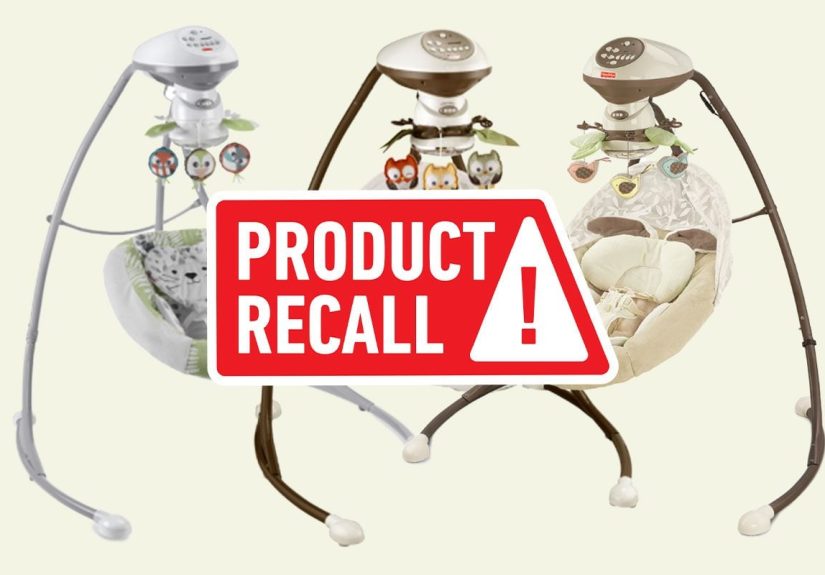
The recall centers on all models of the Fisher-Price Snuga infant swingssometimes branded with cute names like
“My Little Snugabunny,” “Snugapuppy,” “Snugabear,” and other animal-themed designs. These swings feature
front-to-back and side-to-side motion, multiple seat positions, toy mobiles, and plush padding that look
cozy enough to make adults jealous.
According to federal safety officials, about 2.1 million Snuga swings were sold in the United States,
with additional units sold in Canada and Mexico. The swings were widely available at major retailers including
Amazon, Target, Walmart, Sam’s Club, Toys “R” Us (when it was still around), and other big-box and online stores
over more than a decade.
The recall was announced after at least five deaths of infants between 1 and 3 months old were reported.
In these cases, babies were placed in the swing for sleepoften unrestrained and with added blankets, pillows,
or other soft bedding. The design of the inclined seat, combined with the padded headrest and body support insert,
can contribute to a suffocation risk if the baby’s airway becomes blocked.
It’s important to note: the issue is not that the swing “malfunctions” and collapses. The hazard comes from
how easy it is for a tired parent to use the swing as a sleeping spot instead of an “awake-time only” product.
Unfortunately, babies and gravity don’t care what the marketing copy says.
How the Hazard Works: Why These Swings Can Be Dangerous
At first glance, an inclined, padded baby swing looks harmlessif anything, it looks safer than simply placing
a baby flat on a mattress. That’s part of the problem. The risk is subtle and often misunderstood.
The Role of the Incline and Padding
Medical and safety experts have repeatedly warned that inclined sleep surfaces can lead to positional asphyxiaa
situation where a baby’s position restricts airflow. In an inclined swing, a baby’s heavy head can slump forward,
or roll to the side into soft padding. A newborn doesn’t yet have the neck strength to correct that position,
and they can’t push themselves away from a dangerous spot.
Add soft surfaces like headrests, body inserts, loose blankets, or pillows, and the risk increases.
The Fisher-Price Snuga swings come with a built-in headrest and body support insert, which are exactly the
components now flagged as contributing to the suffocation hazard when the product is misused for sleep.
Unrestrained and Unsupervised Sleep
In many of the reported incidents, infants were not strapped into the harness and were left in the swing for sleep.
It’s an easy mistake to make: the baby falls asleep while swinging; you don’t want to wake them; you step away
to answer a phone call, wash dishes, or help another child. Real life is messy; unfortunately, physics is not.
When an unrestrained infant slumps or rolls, their nose and mouth can press against the padding or fabric,
making it difficult or impossible to breathe. Because this can happen silently, caregivers may not notice
anything wrong until it’s too late.
Exactly What Parents and Caregivers Should Do Right Now
If you have a Fisher-Price Snuga swingor think you mightthis is the part where you don’t panic,
but you definitely take action today, not “sometime this weekend.”
Step 1: Confirm Whether Your Swing Is Included
Turn off the swing, unplug it if applicable, and flip it around to find the label. The model name and number
are typically located on the underside of the swing’s motor housing or on a sticker under the seat or base.
Look for names like:
- My Little Snugabunny Cradle ’n Swing
- My Little Snugapuppy Cradle ’n Swing
- My Little Snugabear Cradle ’n Swing
- Snugakitty, Snugamonkey, Snugabear Ballerina, Snow Leopard, and other “Snuga” variations
- Any swing labeled as part of the “Snuga” or similarly branded cradle ’n swing line
If it’s a Snuga model, assume it’s part of the recall unless you confirm otherwise with Fisher-Price or
the official recall notice.
Step 2: Stop Using the Swing for SleepImmediately
Even before you request a repair or refund, stop using the swing for any kind of sleep. If your baby
nods off in the swingwhich they absolutely will, because babies love to fall asleep in the least convenient places
gently move them to a safe, flat sleep surface as soon as you notice.
That means no naps, no overnight sleeping, and no “just for 10 minutes while I fold laundry.”
The recall reinforces what pediatricians have been saying for years: swings, rockers, and inclined seats
are for supervised awake-time only.
Step 3: Remove and Destroy the Recalled Parts
The fix recommended by safety officials and Fisher-Price is specific: remove both the plush headrest
(usually tethered to the seat pad) and the body support insert. The headrest is often attached by a small tether
that you are instructed to cut, so it cannot be reattached or reused.
Once removed, these pieces should be destroyed or disposed of so they can’t be placed back into the swing
or resold or donated as “extra padding.” The idea is simple: if it’s dangerous, it shouldn’t stay in circulation.
Step 4: Request Your Refund or Remedy
Fisher-Price is offering a remedy, typically in the form of a partial refund or voucher after you confirm you’ve
removed and disposed of the problematic parts. You’ll need to follow the instructions from the company’s recall page,
which may involve submitting photos, a form, or other proof of modification.
It’s not going to pay for college, but it’s worth doingnot just for the money, but to close the loop on
a product that’s now officially considered unsafe in its original form.
Why This Recall Feels Familiar: The Bigger Story on Baby Sleep Products
If you’re getting déjà vu, you’re not wrong. This isn’t the first time Fisher-Price has faced scrutiny
over inclined baby products. The Rock ’n Play Sleeper, another wildly popular product marketed for
infant sleep, was recalled after dozens of deaths were linked to infants rolling over in the sleeper or
being placed incorrectly.
Over the last decade, regulators, pediatricians, and consumer advocates have been steadily tightening
the rules around sleep products. Congress even passed the Safe Sleep for Babies Act, which bans many
inclined infant sleepers and crib bumpers. The Snuga swing recall fits into that broader pattern:
products designed for soothing and calming can quietly become “sleep crutches” that don’t meet safe sleep standards.
From a parent’s perspective, this can feel infuriating. You assume that if something is on a major retailer’s shelf,
someone, somewhere, made sure it was safe. In reality, standards evolve over time, and real-world use reveals risks
that weren’t fully understood during design and testing.
Safe Sleep Basics: What to Do Instead of Letting Baby Sleep in a Swing
The recall shines a bright spotlight on a simple, sometimes inconvenient truth:
the safest place for a baby to sleep is a flat, firm surface designed specifically for infant sleep.
The Gold Standard Setup
- A safety-approved crib, bassinet, or play yard
- A firm mattress with a snug-fitting sheet
- No pillows, bumpers, blankets, stuffed animals, or wedges
- Baby placed on their back for every sleep, every time
Is this as cozy-looking as a plush swing with adorable bunny ears? Not even close.
But from a breathing and airway standpoint, it’s vastly safer.
What to Do When Baby Falls Asleep in the “Wrong” Place
Real life: your baby falls asleep in the car seat, stroller, swing, or your arms.
The recommendation is to move them to a safe, flat sleep surface as soon as reasonably possible.
That doesn’t mean you slam on the brakes the moment their eyes flutter shut.
It does mean that once you’re home or once you notice they’ve drifted off,
the next step is a transfer to the crib or bassinet.
Yes, sometimes you’ll wake them up. Yes, you’ll be annoyed.
But the recall reminds us: the trade-off is between a potential fuss and a genuine safety risk.
That makes the decision a lot easier to justify at 3 a.m.
Secondhand Swings and Online Marketplaces: A Hidden Danger
Another big concern with this recall is the huge number of Snuga swings still in circulation on resale sites,
in consignment shops, and in neighborhood buy-sell-trade groups. Many people have no idea a recall has even occurred.
If you love a good deal on secondhand baby gear, here’s your new rule:
always run a quick recall check before buying or accepting used equipment.
It takes 60 seconds and could literally save a life.
If you already own a recalled swing and don’t want to keep using it even with the repairs,
be sure not to pass it along as a hand-me-down unless you’re crystal clear about the recall
and the required modifications. “Free baby swingjust needs a little cleaning” is not the full story here.
Emotional Impact: It’s Not Just About Hardware
For families who’ve used these swings without incident, the recall can bring up a wave of “what if” anxiety.
What if I had let my baby sleep in it more often? What if I hadn’t seen the recall notice?
What else in my house might be unsafe?
Those feelings are normal. They’re also a sign that you care deeply about your child’s safety.
Instead of spiraling into guilt, use that energy to take practical steps:
register your baby products so you get recall alerts, follow safe sleep guidelines,
and talk to your pediatrician if you have questions about what’s safe and what isn’t.
The hard truth is that recalls often come after tragedies.
Honor those families by using the information to protect your own child and by sharing
recall details with other caregivers in your circle.
Real-Life Experiences and Lessons from the Fisher-Price Swing Recall
Recalls can feel abstract until you hear how they play out in real homes.
While every family’s story is different, many parents describe the same emotional arc:
shock, fear, relief, and then determination to do better with the information they now have.
Picture a parent who bought a Snuga swing years ago with their first child.
The swing became a household MVPused for every baby, every fussy phase, every “witching hour” meltdown.
It’s stored in the garage between kids, then pulled back out, washed, and proudly reassembled
when a new baby is on the way. The idea that this beloved piece of gear could be linked to
suffocation deaths feels surreal.
One common reaction when parents first learn about the suffocation hazard is instant backtracking:
“Wait, we definitely let her nap in that,” or, “He slept in it all the time in the living room
while we watched TV.” Many parents admit they didn’t read every line of the instruction manual
or noticed the “do not use for sleep” warning but mentally filed it under “legal overkill.”
The recall forces a painful realization that those warnings exist for a reason.
Some families describe an intense wave of gratitude mixed with uneasegratitude that their child is okay,
unease that something so serious was only revealed years after the product hit the market.
They may start reevaluating other items in the house: that inclined lounger everyone loved,
the hand-me-down crib mattress that’s a little too soft, or the adorable but impractical crib bumpers.
Others talk about the practical chaos that follows a recall.
You have to figure out which model you own, track down serial numbers,
cut off parts of the product (which always feels wrong on some level),
upload photos or forms for refunds, and rearrange your daily routine if the swing was a key
piece of your soothing strategy. It’s not just a safety issueit’s a lifestyle upheaval.
Some caregivers respond by building better habits.
They start setting alarms or reminders on their phones to move the baby to a crib
if they fall asleep in a swing or car seat. They practice transferring a sleeping baby
more often so it doesn’t feel so intimidating. They share recall alerts in parent group chats,
school newsletters, and community pages so fewer people miss the news.
Over time, these individual experiences start to shift the culture of baby care.
A decade ago, it was common to see promotional photos of babies sleeping peacefully
in inclined seats and cushioned loungers. Now, more parents are questioning those images:
“Is that actually safe?” “Would my pediatrician sign off on this?”
The recall of more than 2 million swings isn’t just about one product line.
It’s part of a larger, evolving awareness that convenience should never quietly outrank safety.
Perhaps the most important lesson from families who’ve lived through recalls is this:
you can be a loving, attentive, diligent parent and still have used recalled products in ways
that now turn out to be risky. That doesn’t mean you failed; it means the system is still catching up
to what we’ve learned about infant sleep safety. What matters most is what you do today with the
information you have nowtaking recalled products seriously, prioritizing safe sleep environments,
and speaking up when something about a product doesn’t feel right.
Conclusion: Turning a Scary Recall into Safer Everyday Habits
The Fisher-Price recall of more than 2 million baby swings for a suffocation hazard
is scary, upsetting, and honestly, exhausting. Parents already have enough to worry about
without adding “monitor all federal recall lists” to the to-do list.
But this recall also gives us something powerful: clarity. We know that:
- Inclined swings, rockers, and similar products are not safe for sleep.
- Padded headrests and body inserts can make suffocation more likely when babies are unrestrained or unsupervised.
- Safe sleep means flat, firm surfaces with no soft bedding or extra padding.
- Checking for recalls and registering baby gear is worth the few minutes it takes.
You don’t have to throw out every baby gadget you own or live in fear of every label.
You just need a clear hierarchy: safety first, convenience second.
If that means a few more transfers to the crib and a few more interrupted naps,
it’s an inconvenient pricebut a small onefor peace of mind.
In short, treat this recall as both a warning and a tool.
A warning that even trusted brands can miss risksand a tool that helps you tighten up your own home’s safety net.
Your baby doesn’t need a perfect house. They just need a safe place to sleep,
and a grown-up who’s willing to cut a few headrests off along the way.
SEO Snapshot for Publishers
which models are affected, and how to keep your baby safe from suffocation risks.
sapo: Fisher-Price has recalled more than 2 million Snuga infant swings after
five infant deaths linked to a suffocation hazard when the swings were used for sleep.
In this in-depth guide, we explain which baby swings are affected, why the inclined design
and padded inserts are dangerous, how to check your model, and the exact steps parents and
caregivers should take nowfrom removing the recalled parts to creating a safer sleep setup.
We also explore the broader pattern of baby product recalls, what this means for everyday families,
and practical lessons drawn from real-life experiences with the Fisher-Price recall.