Table of Contents >> Show >> Hide
- Why This French Toast Casserole Works So Well
- Main Keyword Flavor Map
- Ingredients You’ll Need
- The Best Bread for French Toast Casserole
- Step-by-Step: How to Make Blueberry Mascarpone French Toast Casserole
- Blueberry Options: Fresh, Frozen, or “I Found These in My Freezer From 2023”
- Make-Ahead Brunch Strategy
- Flavor Variations (Because Brunch Loves Options)
- Troubleshooting: Fix the Usual French Toast Casserole Problems
- How to Store and Reheat Leftovers
- Serving Ideas That Make It Feel Like a Big Deal
- FAQ
- Final Thoughts
- Real-Life Experiences: The Stuff You Only Learn After Making It a Few Times
If French toast is the life of the brunch party, this casserole is the friend who shows up early, brings extra coffee,
and somehow makes everyone look more put-together. It’s rich but not heavy, sweet but not candy-sweet, and it has that
“wow, you definitely planned this” vibeeven though most of the work happens the night before.
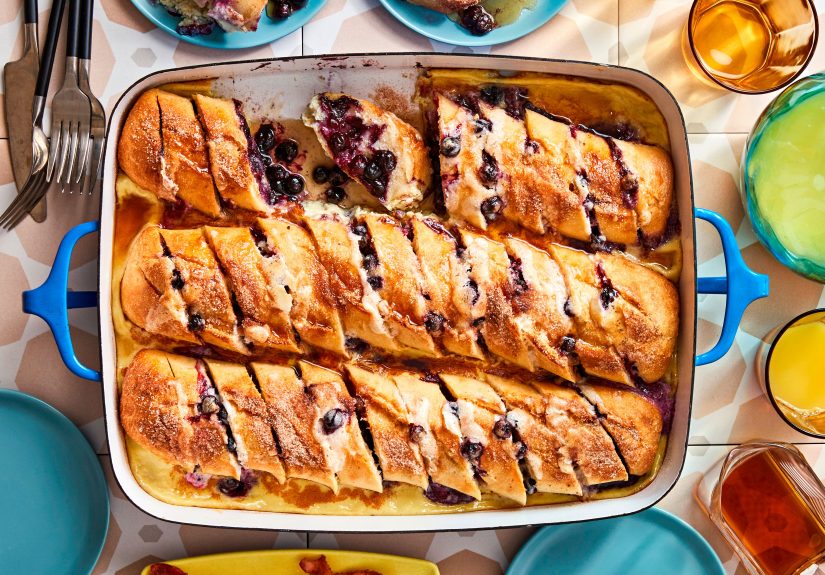
This Blueberry and Mascarpone-Stuffed French Toast Casserole takes all the best parts of classic French toastcustardy bread,
warm vanilla-cinnamon perfume, golden edgesand levels it up with a creamy mascarpone layer and bursts of blueberry
in every bite. It’s the kind of make-ahead breakfast bake that feels equally right for a holiday morning, a birthday brunch,
or a random Saturday when you decide your kitchen deserves applause.
Why This French Toast Casserole Works So Well
A great French toast casserole is basically a delicious science project: bread + custard + time + heat = cozy magic.
The trick is balancing texture. You want a tender, pudding-like center without tipping into soggy-ville, and you want a top
that’s golden and lightly crisp so every forkful has contrast.
The three “can’t-mess-this-up” principles
- Use the right bread: sturdy, slightly dry bread acts like a sponge that holds its shape.
- Give it time: an overnight soak helps the custard absorb evenly (no dry pockets, no eggy puddles).
- Don’t rush the bake: a gentle bake sets the custard so it slices cleanly and tastes creamynot scrambled.
Add a mascarpone filling to the equation and suddenly you’ve got a built-in “cream layer” that tastes like cheesecake’s
breezier cousin. And blueberries? They’re the pop of brightness that keeps every bite from feeling one-note sweet.
Main Keyword Flavor Map
The main keyword here is Blueberry and Mascarpone-Stuffed French Toast Casserole. Naturally, people searching for this
also want close cousins like overnight French toast casserole, French toast bake, make-ahead brunch casserole,
and mascarpone French toast. So we’ll cover the recipe, the make-ahead strategy, and the “what if I only have X?” swaps.
Ingredients You’ll Need
This is an in-depth, practical listmeaning you’ll also get the “why” behind each ingredient, because brunch deserves
both vibes and logic.
For the bread base
- Bread: French bread, baguette, brioche, or challah. Aim for thick slices or hearty cubes.
- Butter: for greasing the dish and adding that browned, toasty flavor on the edges.
For the custard
- Eggs: the backbone of the custardstructure, richness, and that classic French toast taste.
- Milk (or half-and-half): makes it creamy; half-and-half boosts richness if you’re feeling fancy.
- Sugar: sweetens and helps with browning.
- Vanilla extract: non-negotiable cozy.
- Cinnamon (and optional nutmeg): warm spice that makes the whole kitchen smell like “good decisions.”
- Pinch of salt: turns sweetness into flavor instead of just “sugar yelling.”
For the mascarpone stuffing
- Mascarpone: creamy, mildly tangy, and luxurious. (Cream cheese works in a pinch.)
- Powdered sugar: sweetens without grit.
- Vanilla or lemon zest: optional, but it makes the filling taste brighter.
For the blueberry layer + serving
- Blueberries: fresh or frozen. Frozen is totally finedon’t thaw; just bake.
- Maple syrup: because brunch.
- Optional extras: lemon zest, a dusting of powdered sugar, toasted sliced almonds, or a quick blueberry sauce.
The Best Bread for French Toast Casserole
If you remember one thing, make it this: choose a bread that can soak up custard without turning into sad mush.
Soft sandwich bread tends to collapse and get gummy. Instead, go for French bread, brioche, challah, or a crusty loaf
with some structure.
Stale bread is your secret weapon
Slightly stale bread absorbs custard more evenly and keeps the casserole from baking up soggy. If your bread is super fresh,
you can dry it out by cubing or slicing it and letting it sit out for a bit, or briefly warming it in a low oven until the surface
feels dry. (Think “crouton-adjacent,” not “ancient artifact.”)
Step-by-Step: How to Make Blueberry Mascarpone French Toast Casserole
Step 1: Prep the dish and bread
- Generously butter a 9×13-inch baking dish (or similar size).
- Slice or cube your bread. Arrange half in the dish in an even layer.
Step 2: Mix the mascarpone filling
In a bowl, mix mascarpone with powdered sugar and a splash of vanilla. If you want a brighter flavor, add a little lemon zest.
The goal: smooth, spreadable, and not so sweet that it tastes like frosting.
Step 3: Build the “stuffed” layers
- Dot or spread the mascarpone mixture over the bread layer.
- Scatter blueberries over the mascarpone.
- Top with the remaining bread (so the filling is tucked in like a cozy blanket).
Step 4: Make the custard and soak
Whisk eggs, milk, sugar, vanilla, cinnamon, and a pinch of salt until fully combined. Pour it slowly over the bread,
making sure you hit the corners and edges (the “dry zones” love to hide there). Press the bread down gently so it
starts soaking immediately.
Step 5: Refrigerate overnight (or at least a few hours)
Cover tightly and refrigerate. Overnight is ideal for the most even, custardy texture, but a shorter soak can work if time
is tightjust expect a slightly more “bread-forward” bite.
Step 6: Bake until set and golden
Bake at a moderate temperature (commonly around 350°F) until the center is set and the top is golden. If the top browns too fast,
tent loosely with foil. If it’s coming straight from the fridge, it may need a longer bake than a room-temp casserole.
Step 7: Rest, slice, and serve like you own a brunch café
Let the casserole rest for about 10–15 minutes so the custard settles and slices neatly. Serve with maple syrup,
extra blueberries, and a dramatic dusting of powdered sugar if you’re feeling camera-ready.
Blueberry Options: Fresh, Frozen, or “I Found These in My Freezer From 2023”
Fresh blueberries keep their shape nicely and taste bright. Frozen blueberries are convenient and still delicious, but they
can release more juice, so the casserole may look extra jammy (a problem nobody has ever truly hated).
Quick tip for frozen berries
Use them straight from the freezer and toss lightly with a teaspoon of flour or cornstarch if you want a slightly thicker, less-runny berry layer.
This helps capture juices so they don’t flood the custard.
Make-Ahead Brunch Strategy
This is where the casserole shines. You do the “thinking work” the night before, then bake in the morning while you sip coffee
and pretend your life is a cooking show montage.
Timeline that actually works
- Night before: assemble, pour custard, cover, refrigerate.
- Morning of: bake, rest, serve. Bonus points if you put on music and call it “meal prep.”
If you’re hosting, this is also your secret to being present. Instead of flipping individual slices of French toast while guests
hover near the kitchen like hungry houseplants, you bake one casserole and feed everyone at once.
Flavor Variations (Because Brunch Loves Options)
Lemon-Blueberry Mascarpone
Add lemon zest to the mascarpone and a teaspoon of lemon juice to the custard. It tastes bright and bakery-fresh.
Almond Blueberry
Swap a little vanilla for almond extract and top with toasted sliced almonds. It’s like a pastry met French toast and decided to collaborate.
Streusel Topping
Want crunch? Mix butter, brown sugar, flour, and cinnamon into crumbs and sprinkle on before baking. The top becomes
lightly caramelized and crispan excellent contrast to the creamy center.
Mascarpone Swap
No mascarpone? Use softened cream cheese (it’s tangier) or a blend of cream cheese and ricotta for a lighter, slightly textured filling.
Troubleshooting: Fix the Usual French Toast Casserole Problems
“It’s soggy in the middle.”
- Use sturdier bread and make sure it’s a little dry before assembling.
- Bake longer at a moderate temperature; tent with foil if the top gets too dark.
- Let it rest after bakingcarryover heat helps the center finish setting.
“It’s dry.”
- Don’t overbakepull it when the center is set but still tender.
- Make sure the custard is evenly poured and the bread is pressed down to absorb.
- Choose richer dairy (whole milk or half-and-half) if you want a silkier result.
“My mascarpone layer disappeared.”
- Keep the mascarpone in thicker dollops or a thin spread rather than whisking it into the custard.
- Layer it between bread so it stays “stuffed,” not mixed.
How to Store and Reheat Leftovers
If you have leftovers, congratulations: you now own the best weekday breakfast. Cool the casserole, cover, and refrigerate.
Reheat slices in the oven for a fresher texture, or microwave for speed (it’ll be softer, but still delicious).
Freezer-friendly?
Yes. Slice, wrap well, and freeze. Reheat in the oven until hot throughout. Add fresh blueberries on top to revive the “just baked” energy.
Serving Ideas That Make It Feel Like a Big Deal
- Classic: warm slices + maple syrup + powdered sugar.
- Bright: add lemon zest and serve with lightly sweetened whipped cream.
- Extra: spoon warm blueberry sauce on top (blueberries simmered with sugar and a squeeze of lemon).
- Balanced brunch plate: pair with eggs or savory breakfast sausage so sweet + salty can do their thing.
FAQ
Do I have to refrigerate it overnight?
Overnight is the gold standard for an even custardy texture, but a few hours can still work. If you’re short on time,
press the bread down well and give it as long as you can.
Can I use frozen blueberries?
Absolutely. Don’t thaw them first. Expect the casserole to look a little more jammy (which is honestly a selling point).
Is this better with cubes or slices?
Cubes feel more “bread pudding” and are easy to scoop. Slices look pretty and feel more like classic French toast.
Both are correct answers.
How do I know it’s done?
The center should be set (not liquid), and a knife inserted near the middle should come out without wet custard clinging to it.
A thermometer check is also a smart move for egg-based casseroles.
Final Thoughts
This Blueberry and Mascarpone-Stuffed French Toast Casserole is the kind of dish that makes mornings feel special without
making you work overtime. You get creamy filling, juicy berries, warm spice, and a casserole format that feeds a group like
a champ. Make it once for a holiday brunch and it’ll quietly become your “signature” dishbecause everyone remembers
the person who brought the mascarpone.
Real-Life Experiences: The Stuff You Only Learn After Making It a Few Times
The first time I made a blueberry mascarpone French toast casserole-style bake (the “stuffed” version, where the filling is
layered between bread), I thought I’d outsmarted breakfast forever. One pan. One bake. A glamorous brunch centerpiece.
I even practiced saying, “Oh this? It’s nothing,” like I was casually whisking custard in my sleep.
Then I learned the first real lesson: bread has a personality. My initial loaf was very fresh and very softgreat for sandwiches,
not so great for soaking overnight. The next morning, the top looked gorgeous, but the middle had that slightly gummy, too-wet texture
that whispers, “I’m trying my best,” while not actually delivering. That’s when I started treating bread like it’s on a spa retreat:
it needs time to dry out and become absorbent in a dignified way. Day-old bread didn’t just helpit transformed the final texture.
Suddenly the center was custardy and tender, not mushy.
The second lesson was about the mascarpone layer. Mascarpone is dreamy, but it can be shy. If you spread it too thin or mix it too loose,
it can melt into the custard and stop feeling “stuffed.” The fix was simple: thicker dollops or a gentle spread that’s still substantial.
I also started adding a tiny bit of lemon zest to the mascarponenothing dramatic, just enough to make it taste like it woke up and chose sparkle.
The zest doesn’t scream “lemon dessert.” It whispers “bakery-level.”
Hosting taught me the third lesson: casseroles are social cooking. When I used to make traditional French toast, I’d stand at the stove
flipping slices while everyone else chatted and refilled their coffee. With a casserole, you’re in the room. You’re part of the fun.
You pop it in the oven, set out syrup, maybe slice some fruit, and you’re not stuck doing short-order cook duty.
That’s a big deal if you’re feeding a crowdespecially the kind of crowd that casually “checks” the kitchen every five minutes.
The fourth lesson was about blueberries themselves. Fresh berries keep their shape and look like little jewels. Frozen berries are convenient,
but they can bleed more, which makes the casserole look extra purple and dramatic. Honestly? I’ve learned to embrace the drama.
If I’m serving guests and want the cleanest slices, I’ll do fresh berries or a mix (fresh inside, frozen on top). If it’s just family,
frozen berries are totally fair gameand the flavor is still fantastic.
Finally, the biggest real-life truth: this dish gets even better when you stop treating it like a strict recipe and start treating it like a formula.
Bread + custard + soak + bake is the base. Mascarpone + blueberries is the signature. From there, you can adjust sweetness, add a streusel topping
for crunch, or serve it with yogurt and fruit when you want it to feel a little lighter without pretending it’s a salad.
The casserole doesn’t need perfectionit needs a decent loaf of bread, a good soak, and the confidence to let the oven do the heavy lifting.
And if someone asks for the recipe? Smile like you planned this your whole life. Brunch rewards boldness.