Table of Contents >> Show >> Hide
- Why Copper Pot Hooks Work So Well
- What Counts as Copper Pot Hooks?
- Where Copper Pot Hooks Look Best
- How to Choose the Right Copper Pot Hooks
- How Copper Pot Hooks Change the Look of a Kitchen
- Best Style Pairings for Copper Pot Hooks
- Installation Mistakes to Avoid
- How to Care for Copper Pot Hooks and Copper Cookware
- Are Copper Pot Hooks Worth It?
- What Living With Copper Pot Hooks Actually Feels Like
Some kitchen upgrades arrive with trumpets, invoices, and the kind of budget spreadsheet that makes you want to lie down dramatically on the floor. Copper pot hooks are not that kind of upgrade. They are quieter, smarter, and frankly a little smug about it. A row of copper hooks or a copper rail does something rare in kitchen design: it solves a storage problem while making the room look more intentional, more collected, and just a bit more delicious.
That is the magic of copper pot hooks. They turn everyday cookware into decor, free up crowded cabinets, and bring a warm metallic glow to spaces that might otherwise lean too cold, too flat, or too “we bought everything on the same Saturday.” Whether you hang one beloved sauté pan, a cluster of vintage copper pots, or a practical mix of strainers, saucepans, and tea towels, the effect is equal parts utility and charm.
And unlike some design trends that demand you replace your cabinets, your counters, and possibly your personality, this one is approachable. Copper hooks can work in a tiny apartment kitchen, a farmhouse-style cookspace, a polished modern room, or a gloriously imperfect family kitchen where the drawer full of mismatched lids has already won the war. In other words, they are stylish, hardworking, and not above saving you from a cabinet avalanche.
Why Copper Pot Hooks Work So Well
The first reason is obvious: they make use of vertical space. Kitchens are notoriously short on breathing room. Cabinets get jammed. Drawers turn into metal thunder domes. Countertops become parking lots for things that should live elsewhere. A copper rail with hooks instantly creates storage on a wall, backsplash, or narrow strip of empty space that might otherwise do absolutely nothing except collect regret.
The second reason is more visual. Copper has warmth. It softens a kitchen. Stainless steel can feel professional, black iron can feel moody, and chrome can feel sleek, but copper brings depth. It reflects light gently rather than shouting for attention. It also looks better as it ages, which is rude but impressive. A little patina often makes copper feel more layered and lived-in, like the kitchen has stories instead of just appliances.
Then there is the practical luxury factor. Hanging cookware feels efficient because it is. The pot you actually use every day is suddenly right there, not buried behind a stockpot you touch twice a year and a lid that somehow belongs to nothing. Copper hooks make the kitchen feel more chef-ish without requiring you to own a blowtorch or say things like “mouthfeel” with a straight face.
What Counts as Copper Pot Hooks?
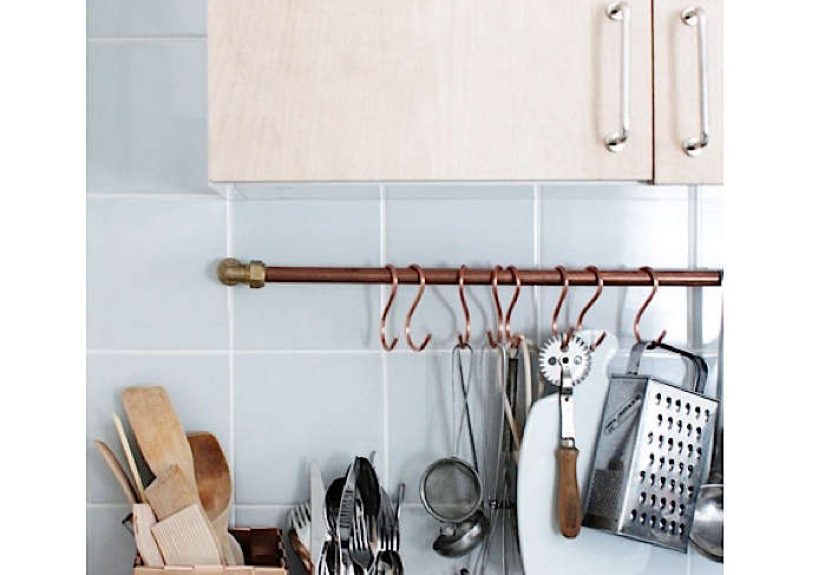
The phrase sounds simple, but the category is broader than it first appears. Sometimes it means classic copper S-hooks clipped onto a wall rail. Sometimes it refers to copper-finish hooks attached to a mounted bar, peg rail, or shelf-and-rack combo. In more decorative kitchens, it may mean a full hanging rack with copper-toned hardware. In leaner, smaller spaces, it can be as minimal as a slim metal rod and five hooks under an upper cabinet.
The best versions usually fall into one of three groups:
1. The slim wall rail
This is the elegant overachiever. A narrow rail with movable hooks keeps pans, utensils, and small tools visible without taking over the room. It works especially well along a backsplash, beside the range, or above a prep zone.
2. The flush wall-mounted rack
This option is ideal when you want the storage benefits of a pot rack without the overhead bulk. It keeps cookware close to the wall, which is helpful in smaller kitchens where ducking around a ceiling rack might get old by Wednesday.
3. The decorative hook lineup
These are individual or grouped hooks that lean more decorative, often used for lighter pieces: a copper colander, a linen towel, a favorite pan, or a market basket. They are practical, yes, but they also know they are being admired.
Where Copper Pot Hooks Look Best
Placement is where smart design beats random enthusiasm. Copper hooks look best where they make daily life easier. If you install them in a spot that requires a stool, yoga flexibility, or emotional resilience, the charm fades quickly.
Above the backsplash
This is one of the best locations, especially in smaller kitchens. A rail under upper cabinets or across a backsplash can hold lightweight pans, utensils, and a few visually pleasing essentials. It keeps things accessible without crowding the counter.
Beside the range
If you actually cook, this spot makes sense. A saucepan, skillet, spoon rest, or ladle within arm’s reach can make the kitchen feel more efficient. The key is moderation. You want convenience, not a dangling metal wind chime over the burner.
Over a sink or prep area
This works beautifully for colanders, dish brushes, towels, and lighter tools. It can feel old-school in the best possible way, like a hardworking kitchen that also happens to look fantastic in photos.
On an open wall
If your kitchen has one awkward blank stretch of wall, congratulations: you may have found the perfect home for copper pot hooks. This setup can turn dead space into one of the room’s strongest design moments.
How to Choose the Right Copper Pot Hooks
Not all hooks deserve your cookware. Some are sturdy and handsome. Others are decorative in that suspicious way that means they can hold one teaspoon and a dream. When choosing a setup, think about both style and load.
Choose a finish that suits your kitchen
Bright polished copper looks crisp and eye-catching. Aged or antique copper looks softer and more grounded. If your kitchen already has warm metals, wood tones, or creamy walls, aged copper often feels seamless. In a more modern kitchen, polished copper can become the jewelry.
Think about scale
Tiny hooks on a chunky rail look timid. Oversized hooks on a dainty wall strip look like they wandered in from a barn renovation. Match the thickness of the bar, the size of the hooks, and the weight of the pieces you plan to hang.
Know what you are really storing
A set of hooks for utensils is not necessarily the same as a setup for heavy pans. If you want to hang actual cookware, you need reliable mounting hardware and a rail or rack designed for real weight. Pretty is wonderful. Pretty and secure is better.
Let the patina question guide your choice
If you love a shiny, gleaming look, choose copper you are willing to polish from time to time. If you prefer a more relaxed, collected feel, a living finish that deepens and darkens over time may be exactly the point.
How Copper Pot Hooks Change the Look of a Kitchen
This is where the design case gets really good. Copper pot hooks are not just storage hardware. They create rhythm. A row of hooks introduces repetition, which makes a kitchen feel more organized even before you hang anything. Once cookware is added, you get shape, shine, and texture all at once.
They also help bridge styles. In a rustic kitchen, copper hooks reinforce warmth and heritage. In a contemporary kitchen, they keep sleek surfaces from feeling sterile. In a traditional kitchen, they fit in as though they have always lived there. In a rental kitchen, they can create enough character to distract from cabinets that look like they were emotionally assembled in 2004.
There is also something reassuringly honest about visible tools. Open storage says, “Yes, this kitchen gets used.” That is why copper hooks often feel especially right in spaces that aim for authenticity rather than showroom perfection. The cookware becomes part of the room’s personality.
Best Style Pairings for Copper Pot Hooks
Farmhouse and cottage kitchens
Copper is a natural fit with painted cabinets, apron-front sinks, beadboard, and wood counters. It adds glow without looking too polished.
English-inspired kitchens
Pair copper hooks with unfussy cabinetry, stone counters, and a few collected kitchen pieces. The result feels practical, warm, and timeless.
Industrial kitchens
Copper offers a welcome softness against concrete, steel, black accents, and open shelving. It keeps the room from becoming all edge and no soul.
Minimal kitchens
Used sparingly, copper hooks become intentional highlights. One slim rail and a few well-chosen pieces can warm up a sleek kitchen without cluttering it.
Installation Mistakes to Avoid
Let us now discuss the less glamorous side of design: gravity. Copper pot hooks only feel chic when they stay attached to the wall. If you are mounting a rail for real cookware, it needs to be anchored properly and rated for the load you expect it to carry. This is not the time for wishful thinking.
Another common mistake is hanging too much. A rail crowded with every pan you own goes from stylish to frantic in record time. Leave breathing room between pieces. You want the arrangement to read as intentional, not as “our cabinets filed for divorce.”
Placement matters too. Do not install hooks so close to heat, steam, or splatter that everything becomes sticky or greasy. And do not hang your prettiest copper piece where it gets bonked every time someone opens a door. Good design is half taste and half not making your own life harder.
How to Care for Copper Pot Hooks and Copper Cookware
Here is the good news: copper does not have to stay mirror-bright to be beautiful. In fact, many people prefer the mellowed tone that develops over time. That said, if you want to keep copper looking polished, regular gentle cleaning helps.
For decorative copper hooks or rails, wiping with a soft cloth and drying thoroughly goes a long way. For tarnish, many people use simple household methods involving lemon and salt or vinegar and salt, followed by a rinse and a buff with a dry cloth. The main thing is not to attack the finish like it personally insulted you.
If you are hanging actual copper cookware, the care rules matter more. Lined copper is typically the practical everyday choice for cooking, while unlined copper is better suited to specialty tasks and should not be used with acidic foods. Also, if a surface touches food, keeping it clean and properly maintained matters more than chasing some romantic old-world look. Verdigris belongs in patina conversations, not in dinner.
Are Copper Pot Hooks Worth It?
In a word, yes. They solve a real problem, especially in kitchens where cabinet space is limited and visual warmth is welcome. They are more flexible than a bulky pot rack, more decorative than a plain utility bar, and more charming than almost anything sold under the label “kitchen organizer.”
They also age well as a design choice. Trends come and go, but hardworking storage with beautiful materials tends to stick around. Copper pot hooks fall into that sweet spot where function and style are not fighting. They are on the same team, and frankly, the team is winning.
If you are after a kitchen that feels collected, useful, and just polished enough, copper hooks earn their place. Not because they are flashy, but because they make the room feel smarter. And in design, smart is always attractive.
What Living With Copper Pot Hooks Actually Feels Like
Now for the part design articles do not always admit: the real test is not how copper pot hooks look on installation day. The real test is how they feel on a random Tuesday when dinner is late, the sink is full, and somebody has once again put a lid in the wrong place. That is when good kitchen design proves itself.
In daily life, copper pot hooks often change the mood of a kitchen more than people expect. The first thing many homeowners notice is speed. Reaching for a pan becomes almost automatic when it is visible and easy to grab. There is no scraping through a stacked cabinet, no awkward clatter, no miniature workout just to get to the skillet you use every morning. The kitchen feels smoother, and that matters more than any before-and-after photo.
The second thing people tend to notice is that the room feels more personal. A cabinet hides everything equally. Copper hooks do the opposite. They put your favorite tools on display, and that creates a kind of visual biography. Maybe there is a battered sauté pan you trust with your life, a copper colander from a flea market, or a tea towel that makes the whole setup look effortlessly charming even though you absolutely overthought it for three days. The point is that visible storage tells a story.
There is also the strange delight of watching copper age. On day one, the finish may look bright and polished. A few months later, it has more depth. The shine softens. The color gets richer. The hooks start to feel less like store-bought accessories and more like permanent residents. That subtle shift is part of the pleasure. It is one of the rare kitchen details that can become more attractive through use instead of less.
Of course, experience also teaches restraint. People who love their copper hook setups usually do not overload them. They edit. They keep the prettiest or most-used pieces out where they can work and be seen, and they let the rest stay elsewhere. That balance is why the arrangement keeps looking good. The hooks are not there to hold every object you have ever owned. They are there to make daily cooking easier and the room more beautiful.
Guests notice them too. That may sound silly, but it is true. Copper hooks catch the eye because they look intentional. They suggest that the kitchen is active, welcoming, and just a little romantic. Not candlelit-violin romantic. More like “this person probably makes good soup” romantic. In design terms, that is a very respectable lane.
Perhaps the biggest experience-related takeaway is that copper pot hooks make small kitchens feel more generous. When a useful object moves to the wall, a drawer or cabinet becomes free for something else. The room begins to breathe. Even one rail can make a kitchen feel less jammed and more composed. It is a modest change with an outsized effect, which is exactly what most people want from a smart design upgrade.
So yes, copper pot hooks are attractive. Yes, they are practical. But the lasting appeal is this: they make a kitchen easier to use while also making it feel more like home. That is not a gimmick. That is good design doing its job, one beautifully hanging pan at a time.