Table of Contents >> Show >> Hide
- What “No Noise” Usually Means
- 1. Dead or Weak Battery
- 2. Corroded or Loose Battery Terminals
- 3. Bad Starter Motor
- 4. Failed Starter Solenoid or Starter Relay
- 5. Bad Alternator Leading to a Dead Battery
- 6. Blown Fuse or Faulty Main Electrical Relay
- 7. Neutral Safety Switch or Clutch Safety Switch Problem
- 8. Faulty Ignition Switch
- 9. Key Fob Battery, Immobilizer, or Anti-Theft System Issue
- 10. Damaged Ground Cable or Electrical Connection
- What You Should Check First at Home
- When to Call a Mechanic Instead of Guessing
- How to Prevent a Silent No-Start in the Future
- Real-World Experiences With a Car That Won’t Start and Makes No Noise
- Conclusion
Few automotive moments are more humbling than turning the key or pressing the start button and getting… absolutely nothing. No click. No crank. No dramatic dashboard tantrum. Just silence. It is the mechanical version of being left on read.
If your car won’t start and makes no noise, the problem usually lives somewhere in the starting or electrical system, not in the “maybe it just needs encouragement” category. The good news is that a silent no-start often follows a logical trail. The even better news is that some fixes are simple enough for a driveway diagnosis, while others clearly signal it is time for a tow and a professional repair.
In this guide, we will break down the most common no-crank, no-start causes, how to tell them apart, and what repairs actually solve the problem. Along the way, we will keep the jargon under control and the panic level even lower.
What “No Noise” Usually Means
When a car makes no sound at all during startup, that usually means the engine is not cranking. This matters because it narrows the list of suspects. A car that cranks but will not fire points more toward fuel, air, timing, or spark problems. A car that does nothing points more toward battery power, cable connections, fuses, relays, the starter circuit, the ignition switch, or an electronic security issue.
Before diving into repairs, pay attention to these clues:
- Do the dashboard lights come on, or is everything completely dark?
- Do headlights look dim, bright, or dead?
- Is the gear selector fully in Park or Neutral?
- If you have push-button start, is the key fob battery weak?
- Did the vehicle need a jump recently?
- Did the problem begin after battery replacement, long storage, or heavy rain?
Those details help separate a dead battery from a bad starter, an ignition problem, or a safety-switch issue.
1. Dead or Weak Battery
The most common reason a car won’t start with no click and no sound is a dead or badly weakened battery. Yes, the battery gets blamed for everything. In this case, the battery often deserves it.
Why it happens
Batteries age, drain, corrode, freeze in extreme cold, and get cooked in intense heat. Leaving a dome light on, not driving the car for long periods, or having a charging-system issue can also leave the battery too weak to power the starter.
Common signs
- No interior lights or very dim dash lights
- Power locks or windows acting sluggish
- The car only starts with a jump
- Battery is more than a few years old
Repair
Start with the obvious: test the battery voltage or have it tested. If it is discharged, recharge it or jump-start the car properly. If the battery fails a load test or will not hold a charge, replace it. If the battery is fairly new but keeps dying, do not stop at replacing it again. That is like buying a new umbrella to fix the weather. You also need to check for an alternator problem or a parasitic drain.
2. Corroded or Loose Battery Terminals
A battery can be perfectly healthy and still fail to start the car if the power cannot travel through the connections. Corrosion, looseness, and damaged cable ends are classic reasons a vehicle acts totally dead.
Why it happens
Battery acid vapors, moisture, road grime, and age can create white, blue, or green crust on the terminals. Loose clamps can also interrupt the electrical path just enough to leave you with silence instead of startup.
Common signs
- Visible corrosion around the battery posts
- Intermittent electrical power
- The car starts after wiggling the cables
- Jump-starting works only when the clamps are positioned carefully
Repair
Disconnect the battery safely, clean the posts and clamps, inspect the cable ends, then reconnect everything tightly. If a terminal clamp is cracked or the cable is swollen or brittle, replace the damaged part. Many no-start cases end right here, with a wire brush and a little patience.
3. Bad Starter Motor
If the battery and cables are good, a bad starter becomes a top suspect. The starter motor is responsible for spinning the engine fast enough to begin combustion. If it fails, the engine just sits there like it has union rules.
Why it happens
Starter motors wear out internally. Brushes wear down, windings fail, bearings seize, and heat from repeated use can shorten their life.
Common signs
- Dash lights come on, but there is no crank
- Sometimes the car starts, sometimes it does nothing
- A jump-start does not help
- You may hear one click on some attempts, then total silence on others
Repair
The real repair is replacement of the starter motor or starter assembly. A technician will usually confirm power is reaching the starter before replacing it. That matters, because replacing a good starter due to a bad cable, relay, or switch is an expensive way to collect disappointment.
4. Failed Starter Solenoid or Starter Relay
The starter system has smaller gatekeepers that control the big current flow. If the starter solenoid or relay fails, you may get a no-crank no-start condition even when the battery is fine.
Why it happens
Electrical contacts wear out over time. Heat, moisture, age, and repeated cycling can all take a toll.
Common signs
- Silence when turning the key
- Intermittent starting
- The starter works sometimes after repeated tries
- Other electrical functions seem normal
Repair
A mechanic can test whether the relay is switching and whether voltage is reaching the starter solenoid in the start position. The fix may be as small as replacing a relay or as involved as replacing the solenoid or complete starter unit.
5. Bad Alternator Leading to a Dead Battery
Technically, the alternator does not crank the engine. But it keeps the battery charged while the vehicle runs. If the alternator fails, the battery eventually becomes too weak to start the car. So when your car is silent at startup, the battery may be the victim and the alternator may be the villain.
Why it happens
Alternators wear with age. Internal regulators, bearings, and diodes can fail. If the alternator is not charging properly, the battery drains little by little until your next startup attempt becomes a silent protest.
Common signs
- The car needed a jump recently and then died again
- Dim headlights or flickering interior lights
- Battery warning light on the dash
- Electronics acting strange before the no-start
Repair
Test the charging system after the battery is recharged. If the alternator output is low or unstable, replace the alternator and re-test the battery. Replacing only the battery without checking charging output is a great way to meet the same problem twice.
6. Blown Fuse or Faulty Main Electrical Relay
Sometimes the issue is not a major component at all. A blown ignition fuse, starter fuse, or failed relay can interrupt power to the starting circuit and leave you with zero sound.
Why it happens
Fuses blow when there is an overcurrent event. Relays fail from age, heat, and internal contact wear. In some vehicles, a bad fusible link or main fuse can mimic a completely dead car.
Common signs
- Sudden no-start with no prior warning
- Some systems work, but the start function does not
- The problem appeared after battery replacement or an electrical short
Repair
Check the owner’s manual for fuse box diagrams and inspect the relevant fuses. Replace a blown fuse once, but if it blows again, stop there and diagnose the short. A fuse is not being dramatic; it is trying to tell you something.
7. Neutral Safety Switch or Clutch Safety Switch Problem
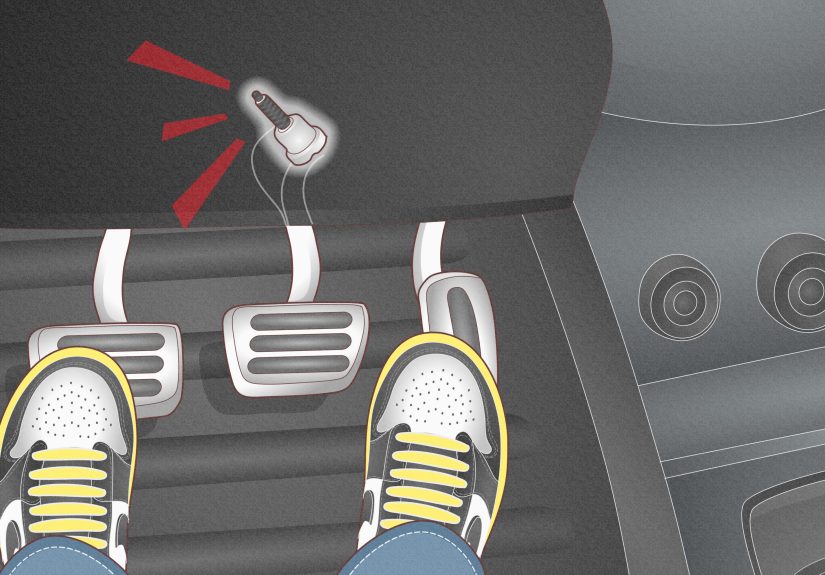
If your automatic car does not recognize Park or Neutral, it may refuse to crank. Manual-transmission vehicles rely on a clutch safety switch that requires the clutch pedal to be fully depressed before the starter is allowed to engage.
Why it happens
These switches wear out, fall out of adjustment, or fail electrically. A shifter cable or linkage issue can also prevent proper position recognition.
Common signs
- The car will not start in Park but may start in Neutral
- No crank, no sound, but all other power seems normal
- Manual-transmission vehicle starts only when the clutch pedal is pushed very hard
Repair
Try shifting to Neutral and starting again. For manuals, fully depress the clutch and try once more. If that changes anything, the safety switch or linkage needs adjustment or replacement. This is a smaller repair than a starter replacement, which is why it is worth checking before the parts cannon starts firing.
8. Faulty Ignition Switch
The ignition switch sends power to the starting circuit. If it fails, you can turn the key all day and get the automotive equivalent of a blank stare.
Why it happens
Wear inside the switch, heat damage, or internal electrical failure can prevent the start signal from being sent.
Common signs
- No response when turning the key
- Intermittent power to the dash or accessories
- The key feels odd or the switch behaves inconsistently
- The car may start after wiggling the key
Repair
The ignition switch may need testing and replacement. On modern vehicles, this can involve more than a simple lock-cylinder swap, especially if anti-theft or steering-column electronics are tied into the system.
9. Key Fob Battery, Immobilizer, or Anti-Theft System Issue
On push-button-start cars, a weak key fob battery or immobilizer issue can keep the vehicle from starting without producing the classic crank noises. Modern cars are smart, but sometimes they are smart in the exact wrong way.
Why it happens
If the vehicle cannot detect the smart key, or if the immobilizer does not authorize startup, it may block the starting sequence.
Common signs
- Push-button start does nothing
- A security light flashes on the dash
- The fob unlocks weakly or inconsistently
- The spare key works, but the usual one does not
Repair
Replace the key fob battery first. Then try the backup starting procedure listed in the owner’s manual, which often involves holding the fob close to the start button or a marked backup spot. If the problem continues, the key, immobilizer antenna, or anti-theft system may need dealer-level diagnosis.
10. Damaged Ground Cable or Electrical Connection
Your battery’s negative side needs a clean, solid ground path to the engine and chassis. If a ground strap is loose, corroded, or broken, the car may act dead even with a charged battery.
Common signs
- Random electrical problems
- No-start after repair work or battery service
- Visible damaged or frayed ground straps
Repair
Inspect and tighten engine grounds, body grounds, and battery ground connections. Replace damaged cables. This is one of those maddening issues that can look serious but turns out to be one neglected connection.
What You Should Check First at Home
- Turn on the headlights and interior lights. If they are weak or dead, suspect the battery or terminals.
- Inspect the battery posts for corrosion, looseness, or damaged cables.
- Try a jump-start if the battery seems low.
- Shift from Park to Neutral and try starting again.
- If you have push-button start, use the spare key or replace the fob battery.
- Check for obvious blown fuses if you are comfortable doing so.
- Stop repeated attempts if you smell burning, see smoke, or suspect a serious electrical fault.
When to Call a Mechanic Instead of Guessing
Call for professional diagnosis if the battery tests good, jump-starting does nothing, the issue is intermittent, or the car shows security-system warnings. The same goes if the vehicle has recently had electrical work, battery replacement, or signs of wiring damage. Modern vehicles do not always reward guesswork. Sometimes they invoice it.
How to Prevent a Silent No-Start in the Future
- Test the battery before extreme summer or winter weather
- Clean battery terminals during routine maintenance
- Replace aging batteries before they strand you
- Pay attention to dim lights, slow starts, and battery warnings
- Drive stored vehicles regularly or use an approved battery maintainer
- Check for open recalls using your VIN if your model has known electrical issues
Real-World Experiences With a Car That Won’t Start and Makes No Noise
One of the most common real-life experiences goes like this: the driver swears the battery cannot be the problem because the car ran perfectly yesterday. That is exactly why dead batteries are so sneaky. They often work fine until the moment they do not. A commuter parks after a normal grocery run, comes back out 20 minutes later, presses the start button, and gets total silence. The headlights look a little tired, the dash flickers once, and a jump-start brings the car back immediately. In that situation, the repair is often a battery replacement, but the real lesson is to ask why the battery failed in the first place. If it is old, mystery solved. If it is new, the charging system or a drain needs attention.
Another common experience involves corrosion. A vehicle sits overnight, then refuses to start in the morning. The owner opens the hood and finds battery terminals that look like a middle-school volcano project. After cleaning the clamps and tightening them, the car starts like nothing ever happened, which is both satisfying and mildly insulting. Problems like this remind drivers that electrical failures do not always announce themselves with drama. Sometimes the issue is not a dead battery but a battery whose power is being blocked by crusty, neglected connections.
Then there is the starter-motor story. This one usually features intermittent behavior first. Maybe the car starts fine all week, then one afternoon it does absolutely nothing. Later it starts again as if it has changed its mind. Days later, silence returns and stays. That pattern often points to a starter or solenoid beginning to fail. Many drivers replace the battery first because it feels safer and cheaper. Sometimes that works. Sometimes it just creates the world’s most expensive false hope.
Push-button-start vehicles add a modern twist. Drivers often assume a dead key fob means they cannot unlock the doors, but the more confusing version is when the car unlocks and still will not start properly. The dash may flash a key warning, or the button may do nothing at all. Replacing the tiny coin battery in the fob can solve what feels like a giant problem. It is a humbling repair, but better to be humbled by a two-dollar battery than by a tow bill.
There are also those cases where the car refuses to start in Park but fires up in Neutral. That experience can feel bizarre if you have never encountered a failing neutral safety switch. Drivers often think the transmission is failing, when the actual issue is that the car is not recognizing the gear position correctly. It is a great example of why small details matter during diagnosis. A single test, like trying Neutral instead of Park, can save hours of guessing.
What ties all these experiences together is that silence at startup is usually not random. It is a clue. The trick is resisting the urge to replace parts blindly and instead following the evidence: battery condition, cable health, power delivery, switch operation, and start authorization. In other words, your car may be giving you the silent treatment, but it is still communicating. You just have to know how to listen.
Conclusion
If your car won’t start and makes no noise, the smartest move is to think in layers. Start with the battery and its connections, then move to the starter circuit, relays, safety switches, ignition components, and key fob or anti-theft issues. Silence does not mean the problem is impossible to diagnose. It usually means the problem is electrical, upstream, and far more traceable than it first appears.
In many cases, the fix is simple: clean a terminal, replace a dead battery, swap a relay, or install a new key fob battery. In tougher cases, the repair may involve a starter motor, alternator, ignition switch, or control-system diagnosis. Either way, a calm, step-by-step approach beats random parts replacement every time.