Table of Contents >> Show >> Hide
- What Makes Hand Dipped Taper Candles Special?
- What Does “Maize” Mean in Candle Design?
- Why They Work So Well in Home Decor
- Wax, Wick, and Burn Quality
- How to Choose the Best Hand Dipped Maize Taper Candles
- Best Ways to Style Hand Dipped Maize Taper Candles
- Care, Storage, and Safety
- Who Should Buy Hand Dipped Maize Taper Candles?
- Experiences Related to Hand Dipped Maize Taper Candles
- Conclusion
Some home accents whisper. Hand dipped maize taper candles glow like they know a secret. They are warm, golden, a little old-world, and somehow capable of making an ordinary dinner feel like it deserves linen napkins and better manners. If you love decor that feels timeless rather than trendy-for-five-minutes, these candles are worth a closer look.
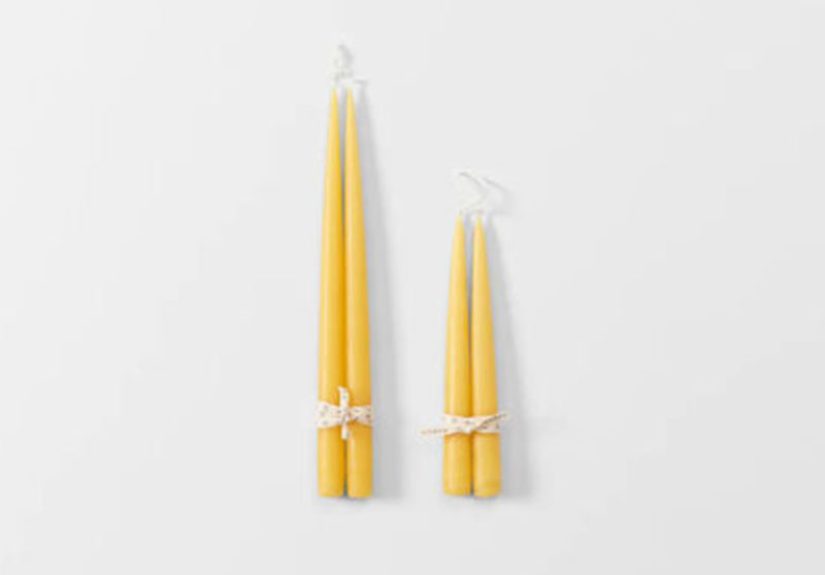
At first glance, hand dipped maize taper candles may seem like a very specific niche. And honestly, they are. But that is part of the charm. “Hand dipped” points to a traditional method in which the candle is built up in layers instead of simply being churned out with zero personality. “Maize” usually refers to the color family: a rich golden tone somewhere between corn silk, mustard, and autumn sunshine. “Taper” means the long, elegant shape designed for candlesticks, candelabras, and classic table settings. Put those three ideas together and you get a candle that feels handcrafted, cozy, and quietly luxurious.
These candles fit beautifully into farmhouse interiors, traditional dining rooms, holiday tablescapes, rustic weddings, and homes that lean into vintage details without looking like a history museum gift shop exploded in the hallway. They are decorative, yes, but they are also practical. A good taper adds height, warmth, and ambiance without hogging table space. That is a rare talent in home decor. Many objects want attention. Taper candles simply make everything around them look better.
What Makes Hand Dipped Taper Candles Special?
The phrase hand dipped taper candles is not just decorative fluff slapped onto packaging. It refers to a production style rooted in traditional candle making. Instead of pouring wax into a mold and calling it a day, the maker repeatedly dips a wick into melted wax, allowing each layer to cool before the next one is added. Over time, the candle develops its shape, density, and finish. The process is slower, more tactile, and usually more visually interesting than mass-market alternatives.
That layered approach often creates subtle variation, which is good news for people who are tired of decor that looks too perfect to have a pulse. Hand dipped candles can feel more alive. They may have a slightly softer surface, richer color depth, or the kind of artisanal irregularity that makes them look collected instead of factory-issued.
Another reason people love them is the atmosphere they create. Taper candles already carry a sense of ceremony. When they are hand dipped, that feeling becomes even stronger. They suggest craft, patience, and a little romance. Not the violin-and-rose-petals kind. More the “someone set the table on purpose” kind.
What Does “Maize” Mean in Candle Design?
In the candle world, maize taper candles usually refer to color rather than a raw ingredient. You are generally looking at a warm corn-gold, muted mustard, or harvest yellow tone. It is softer than neon yellow, richer than cream, and more grounded than bright gold. In other words, it behaves well in grown-up rooms.
This color works because it does not scream for attention. It glows. Maize looks especially beautiful with wood furniture, antique brass, iron candleholders, natural linen, dried florals, and ceramics in cream, olive, brown, rust, and charcoal. It is one of those shades that feels seasonal in fall, festive in winter, and perfectly at ease year-round in a warm-toned interior.
That versatility matters. A lot of seasonal decor has the lifespan of a supermarket pumpkin spice display. Maize does better. It feels right at Thanksgiving, but it also looks excellent on a spring breakfast table with white stoneware and fresh greenery. It can be rustic or refined depending on the holder, surrounding colors, and room style.
Why They Work So Well in Home Decor
Hand dipped maize taper candles solve several decorating problems at once. First, they add vertical interest. A table, mantel, shelf, or sideboard often needs height variation to keep the arrangement from looking flat. Tapers do that without creating clutter. Second, they bring warmth. Even unlit, the color itself softens a room. Lit, they add flicker, shadow, and movement that electric lighting cannot quite imitate.
Third, taper candles are flexible. Use a pair for symmetry on a fireplace mantel. Group several candlesticks at different heights on a dining table. Place one or two in wall sconces for a traditional look. Add them to a holiday centerpiece with dried oranges, pine, or eucalyptus. They also pair beautifully with thrifted brass holders, which is excellent news for anyone who enjoys decorating on a budget with a little treasure-hunt energy.
Because they are typically unscented or only lightly scented in premium versions, hand dipped tapers are especially well suited to dining spaces. Nobody wants their roast chicken competing with “Mystic Vanilla Bonfire Cupcake.” The candle should set the mood, not audition as the main course.
Wax, Wick, and Burn Quality
Wax matters
Not all taper candles are made from the same wax, and that affects how they look and burn. Modern hand dipped tapers are often made from beeswax blends or other premium wax blends rather than one single material. That blend can influence color saturation, firmness, surface finish, drip resistance, and burn consistency. A well-chosen wax blend helps a taper stand straight, hold its shape, and perform better on the table.
Wick matters too
The wick is the tiny overachiever doing a massive amount of work. If it is too small, the candle may struggle and tunnel. If it is too large, the flame can become too big, smoky, or messy. That is why better chandlers pay close attention to wick selection. Good hand dipped candles are not just pretty; they are engineered for balance.
Environment affects performance
Even a quality taper can misbehave in the wrong setting. Drafts from windows, fans, vents, or a dramatic person sweeping through the dining room in a hurry can cause uneven burning, smoke, or drips. A straight burn depends on the candle, the holder, the room conditions, and how the wick is maintained.
So yes, a premium hand dipped maize taper can offer a cleaner, prettier burn. But like all candles, it still appreciates a fair working environment. Candles are elegant, not magical unionized employees.
How to Choose the Best Hand Dipped Maize Taper Candles
Start with the basics: size, base width, and intended use. Many standard taper candles are made to fit common holders, but “common” in candle world can still be a sneaky source of frustration. If a taper wobbles, leans, or feels loose, the problem may not be the candle at all. It may be the holder. A proper fit matters for both looks and safety.
Next, look at the wax description. Premium candles often mention beeswax blends, cotton wicks, hand-dipped construction, or low-drip performance. These details are helpful because they suggest the maker is thinking about function as well as aesthetics.
Color quality is also important. With maize, you want depth rather than flat yellowness. The best versions tend to look layered and warm, not cheap or plasticky. If the candle color reminds you of a highlighter marker, keep walking.
Finally, think about your room. For formal dining, a classic pair in brass holders works beautifully. For relaxed farmhouse style, mix maize tapers with black iron or weathered wood accents. For seasonal decorating, pair them with copper, amber glass, pumpkins, pears, seed pods, or evergreen sprigs depending on the time of year.
Best Ways to Style Hand Dipped Maize Taper Candles
On a dining table
Use two to six tapers in mixed-height holders for a table that feels finished but not fussy. Maize tones flatter white plates, natural runners, and neutral ceramics. They add warmth without overwhelming food or conversation.
On a mantel
A pair of maize tapers can soften a fireplace instantly. Combine them with framed art, a small mirror, books, or a vase of branches. If your mantel already has a lot happening, keep the candles simple and let their color do the heavy lifting.
In seasonal displays
These candles shine in autumn and winter arrangements, but they are not limited to pumpkin season. They also work in spring with cream linens and botanical greens, or in summer with woven textures and pale ceramics.
For events and gatherings
Because they feel traditional and elevated, hand dipped maize taper candles are a great fit for intimate weddings, holiday dinners, housewarmings, and small celebrations. They create atmosphere quickly, and unlike many trendy centerpieces, they do not need a full committee meeting to look good.
Care, Storage, and Safety
If you want your candles to look lovely instead of droopy and confused, store them in a cool, dark, dry place. Tapers can warp in heat and dust easily if left exposed for too long. A soft cloth is usually enough for a gentle cleanup before styling.
Before burning, trim the wick to about one-quarter inch. That small step helps reduce smoke and encourages a steadier flame. Always use a sturdy holder that fits the base securely. Keep burning candles away from curtains, books, dried arrangements, and other flammable items. Never leave them unattended, and do not move them while the wax is liquid.
In practical terms, hand dipped maize taper candles are wonderful decor pieces, but they are still open flame. That means beauty with boundaries. Cozy is the goal. Emergency phone calls are not.
Who Should Buy Hand Dipped Maize Taper Candles?
These candles are ideal for people who value craftsmanship, warm color palettes, and decor that feels collected instead of generic. They make sense for hosts, decorators, candle lovers, gift buyers, and anyone who likes their home to look quietly intentional.
They are especially appealing if you love antique brass, natural textiles, colonial or primitive accents, autumn styling, farmhouse touches, and classic table settings. They are also a thoughtful gift because they feel special without being impossible to use. That is a rare sweet spot.
Experiences Related to Hand Dipped Maize Taper Candles
One of the best things about hand dipped maize taper candles is how easily they become part of memory. People do not usually recall the exact vase on a table years later, but they do remember candlelight. They remember how the room looked softer, how dinner felt slower, and how everything seemed a little more important without anybody saying so.
A common experience with these candles starts at a holiday table. Someone sets out a linen runner, a bowl of pears, a few brass candlesticks, and maize tapers. The candles are not flashy, but once they are lit, the entire table changes mood. Suddenly the food looks richer, the dishes look prettier, and even the family member who normally eats in five minutes slows down enough to have a full conversation. That is the secret power of taper candles: they gently bully everyone into having atmosphere.
Another experience people often describe is the thrill of finding the right candleholder pairing. Maize tapers in black iron look moodier and more rustic. In vintage brass, they feel warm and collected. In ceramic holders, they lean modern and organic. The same candle can shift personality depending on what holds it up, which makes styling them oddly fun. It is a little like changing the frame on artwork. Same soul, different outfit.
There is also the experience of using them as everyday decor rather than saving them for “special occasions,” that mysterious category where nice things go to wait forever. A pair of hand dipped maize tapers on a breakfast table can make an ordinary Tuesday morning feel less like a rush and more like a life. No orchestra appears. Nobody applauds your toast. But the room feels warmer, and sometimes that is enough.
For people who love old homes, handmade goods, or traditional craft, these candles often carry an emotional appeal too. They suggest patience. They look like something with a story. Even when newly made, they can feel connected to older domestic rituals: setting a table, preparing for guests, marking a season, ending the day with softer light. In a world full of disposable decor, that feeling matters.
Some experiences are practical rather than poetic. Many people appreciate that unscented hand dipped tapers do their job without taking over the room. They add glow during dinner without competing with the meal. They create elegance without requiring a giant centerpiece. They help small spaces feel layered rather than crowded. Sometimes the nicest decor is simply the kind that knows when to hush.
And then there is the gifting experience. A boxed pair of hand dipped maize taper candles feels thoughtful in a way mass-market decor rarely does. It works as a hostess gift, housewarming gift, fall gift, or little “I saw this and it looked like your house in candle form” gesture. People tend to respond well to gifts that are pretty, useful, and not too weird. These candles hit that target nicely.
In the end, experiences with hand dipped maize taper candles are less about the object alone and more about what it helps create: warmth, rhythm, beauty, and a reason to pause. That is a lot of value from two slender candles standing around looking elegant.
Conclusion
Hand dipped maize taper candles are more than decorative accessories. They combine traditional craftsmanship, warm harvest-inspired color, and practical elegance in a form that works across seasons and styles. They can dress up a table, soften a mantel, enrich a gathering, and make an everyday room feel more intentional. For anyone who loves classic decor with personality, these candles are an easy yes.